
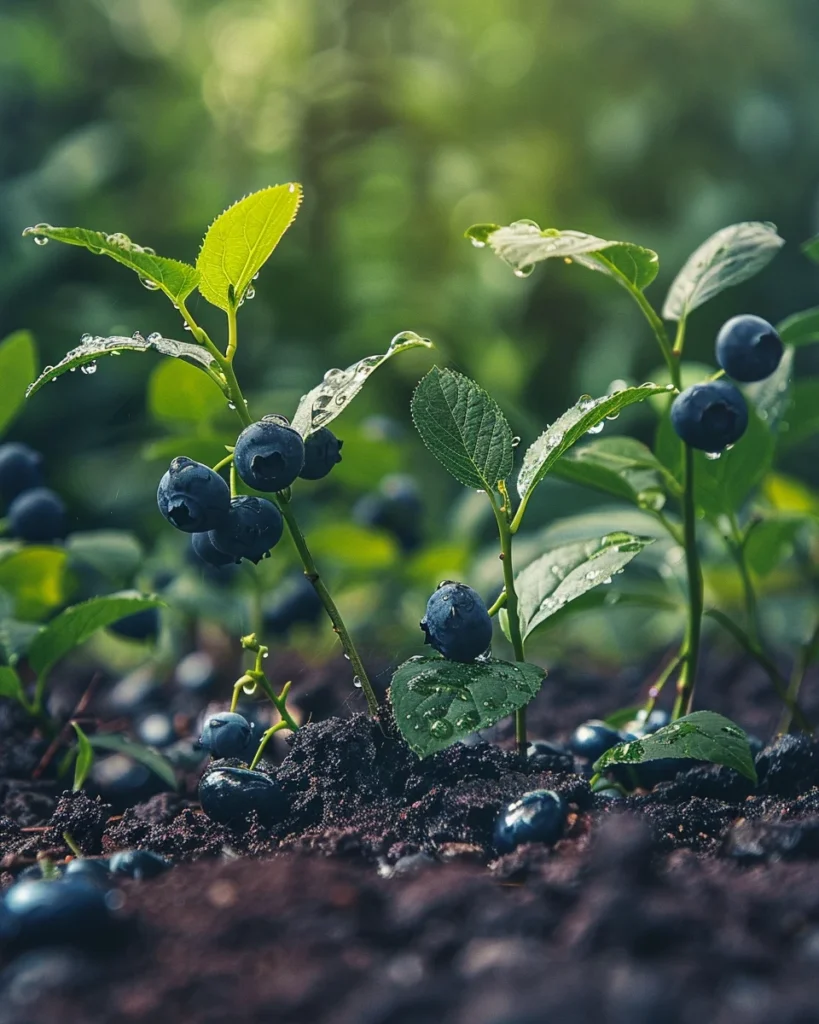
How to Grow Blueberries in Alkaline Soil: Acidifying Methods, Best Varieties & Care Tips
Intro for growing blueberries in alkaline soil
Blueberries are acid-loving plants that typically struggle in alkaline soil, but with the right approach, you can still enjoy these nutritious berries in your garden. Naturally preferring soil with a pH between 4.5-5.5, blueberries face challenges when planted in alkaline conditions (pH above 7.0). However, through strategic soil amendments, container growing, and selecting adaptable varieties, you can successfully grow blueberries even in alkaline conditions. These antioxidant-rich fruits offer not only delicious harvests but also attractive foliage that turns brilliant red in autumn, making them both practical and ornamental additions to your garden.
When to plant blueberries in alkaline soil
The ideal time to plant blueberries in modified alkaline soil is during the dormant season. In most temperate regions, this means late fall after leaf drop or early spring before bud break. Soil temperatures between 10-15°C (50-60°F) are optimal for root establishment. Avoid planting during summer heat, which stresses new plants, or during winter freezes when the ground is frozen. In Mediterranean climates, winter planting is possible as long as hard frosts aren’t expected. Giving plants time to establish before the growing season begins is crucial for success in challenging soil conditions.
Best time to plant blueberries in alkaline soil

For cool temperate regions (UK, Northern US, Canada), plant bare-root blueberries from late October to early December or from March to early April. In warmer regions (Southern US, Mediterranean), planting from November through February works well. Container-grown plants offer more flexibility and can be planted almost year-round, avoiding only the hottest and coldest periods. When dealing with alkaline soil, fall planting is often advantageous as it gives you more time to properly acidify the soil before the main growing season begins. Always transplant on overcast days to reduce transplant shock.
Best blueberry varieties to grow in alkaline soil
- Sunshine Blue – Semi-dwarf variety with excellent tolerance for higher pH soils and low chill requirements, making it ideal for warmer regions.
- Top Hat – Compact variety (45cm/18in tall) that adapts well to container growing where soil pH can be more easily controlled.
- Northland – Shows better tolerance to slightly higher pH soils while producing sweet, small berries perfect for baking.
- Pink Lemonade – Unique pink berries with slightly better alkaline tolerance than traditional varieties and ornamental value.
- Legacy – Demonstrates good vigor in less-than-ideal soil conditions with excellent disease resistance.
- Patriot – Adaptable to various soil conditions with some tolerance to higher pH when properly amended.
- Chandler – Produces very large berries and responds well to container cultivation where soil pH can be managed.
How to plant blueberries in alkaline soil
Materials needed:
- Blueberry plants
- Elemental sulfur or aluminum sulfate
- Peat moss or acidic compost
- Pine needles or pine bark mulch
- Soil pH testing kit
- Ericaceous (acid) potting mix (for containers)
- Large containers (minimum 40-50cm/16-20in diameter) if container growing
- Iron sulfate (optional)
Step-by-step planting:
- Test your soil pH to determine exactly how alkaline it is; this will guide how much amendment is needed.
- For in-ground planting, prepare the area 2-3 months before planting by incorporating elemental sulfur according to package directions to lower pH.
- Dig a hole twice as wide and 1.5 times as deep as the root ball (approximately 60cm/24in wide).
- Mix the removed soil with equal parts peat moss and acidic compost to create a planting medium with lower pH.
- If planting in containers, use an ericaceous (acid) potting mix designed for rhododendrons and azaleas.
- Place the plant at the same depth it was growing previously, with the root crown just at soil level.
- Backfill with your amended soil mixture, firming gently to remove air pockets.
- Create a 10cm (4in) high soil ring around the plant to form a water basin.
- Water thoroughly until the soil is evenly moist but not waterlogged.
- Apply a 7-10cm (3-4in) layer of pine needle or pine bark mulch, keeping it away from the stem.
How to grow blueberries in alkaline soil
Blueberries need full sun to partial shade, with at least 6 hours of direct sunlight daily. In alkaline soil areas, maintain consistent moisture with 2.5-5cm (1-2in) of water weekly, as dry conditions compound pH problems. Use only acidic fertilizers formulated for ericaceous plants, applying half-strength doses in early spring and again after flowering. Regularly top up mulch with pine needles or pine bark to naturally acidify the soil surface. For container-grown plants, use rainwater rather than tap water when possible, as municipal water is often alkaline. Apply liquid iron sulfate if leaves show yellowing between veins (chlorosis). Prune only to remove dead or crossing branches for the first 2-3 years, allowing the plant to establish a strong root system before focusing on fruit production.
Caring for blueberries in alkaline soil
Monitor soil pH every 3-4 months, applying sulfur products as needed to maintain acidity. Watch for chlorosis (yellowing leaves with green veins), the most common symptom of pH problems, and treat promptly with chelated iron or iron sulfate foliar spray. Protect plants from birds with netting once berries begin to ripen. Common pests include aphids (treat with insecticidal soap) and fruit flies (use traps). Fungal diseases are more common in poorly draining alkaline soils, so ensure good air circulation by proper spacing. Harvest berries when they turn completely blue and detach easily from the stem, typically 2-5 days after full color develops. Fresh berries store in the refrigerator for 1-2 weeks or can be frozen for longer storage.
Understanding bolting in blueberries
Unlike vegetables such as lettuce or spinach, blueberries don’t bolt in the traditional sense. However, they can experience stress responses in alkaline soil that affect their growth pattern and fruit production. When blueberries grow in soil that’s too alkaline, they may exhibit stunted growth, reduced flowering, or premature leaf drop rather than bolting. These stress responses are triggered by nutrient deficiencies (particularly iron) that occur when the pH is too high. To prevent these issues, maintain proper soil acidity through regular amendments, use appropriate mulches, and consider foliar feeding with acidic fertilizers during the growing season. If stress symptoms appear, intensify your soil acidification program and consider supplementing with chelated micronutrients specifically formulated for acid-loving plants.
Why do blueberries turn bitter?
- Harvested too early: Berries picked before fully ripe contain higher levels of astringent compounds; wait until berries are completely blue and detach easily.
- Alkaline soil conditions: pH imbalance affects flavor development; intensify soil acidification efforts.
- Drought stress: Inconsistent watering leads to concentrated compounds; maintain even soil moisture.
- Variety characteristics: Some varieties naturally have more tartness; consider switching to sweeter cultivars like Northland or Sunshine Blue.
- Nutrient imbalances: Excessive nitrogen can reduce sweetness; use balanced fertilizers designed for acid-loving fruiting plants.
Companion planting for blueberries in alkaline soil
Good companions for blueberries in modified alkaline soil include:
- Rhododendrons and azaleas – Share similar soil requirements and help indicate when pH is drifting too high.
- Acid-loving herbs like thyme and sage – Create beneficial microclimates while tolerating the acidified soil.
- Strawberries – Act as ground cover, reducing weed competition and helping retain soil moisture.
- Evergreen conifers – Provide wind protection and contribute acidic needle drop that helps maintain lower soil pH.
- Heathers and heaths – Attractive companions that thrive in the same acidic conditions blueberries need.
Avoid planting near:
- Alkaline-loving plants like lavender or brassicas – Their care will conflict with your soil acidification efforts.
- Tomatoes – Can transmit verticillium wilt to blueberries and prefer different soil conditions.
- Plants requiring high nitrogen – Will compete for nutrients and may be damaged by acidic amendments.
Seasonal calendar
- January-February: Apply sulfur amendments to soil; prune established plants during dormancy.
- March: Test soil pH and adjust as needed; apply acidic fertilizer as buds begin to swell.
- April: Plant new bushes; protect blossoms from late frosts; monitor for signs of chlorosis.
- May: Apply additional acidic mulch; ensure consistent watering as temperatures rise.
- June-July: Harvest early varieties; protect ripening fruit from birds; monitor soil moisture carefully.
- August: Continue harvesting mid to late varieties; check pH levels and adjust if necessary.
- September: Apply second light feeding of acidic fertilizer; begin reducing water slightly.
- October-November: Plant new bushes; apply fresh acidic mulch for winter protection.
- December: Protect container plants from freezing; plan next year’s soil amendment schedule.
Problems & solutions
| Problem | Quick Fix |
|---|---|
| Yellowing leaves with green veins (chlorosis) | Apply chelated iron or iron sulfate as foliar spray; intensify soil acidification |
| Poor fruit production | Check pH levels; ensure proper pollination with multiple varieties; verify adequate sunlight |
| Leaf spots or rust | Improve air circulation; apply organic fungicide; remove affected leaves |
| Birds eating berries | Cover plants with bird netting or use reflective tape deterrents |
| Stunted growth | Test soil pH; apply sulfur amendments; use foliar feeding with micronutrients |
| Cracked or shriveled berries | Maintain consistent watering; provide afternoon shade in hot climates |
| Root rot | Improve drainage; reduce watering frequency; consider raised beds or containers |
Common questions about growing blueberries in alkaline soil
Q: How often should I test soil pH when growing blueberries in naturally alkaline soil?
A: Test every 3-4 months initially, then twice yearly once stabilized. Soil tends to return to its natural pH over time, so regular monitoring is essential for successful blueberry cultivation.
Q: Can I use vinegar to acidify soil for blueberries?
A: While vinegar creates temporary acidity, its effects are short-lived. For lasting results, use elemental sulfur, aluminum sulfate, or commercial soil acidifiers specifically designed for long-term pH modification.
Q: What size container is best for growing blueberries in alkaline areas?
A: Use containers at least 45-60cm (18-24in) in diameter and equally deep, with a minimum volume of 40 liters (10 gallons) per plant to allow proper root development and stable soil conditions.
Q: How far apart should I space blueberry plants in modified alkaline soil?
A: Space plants 90-150cm (3-5ft) apart, with more space for larger varieties. Proper spacing ensures each plant has its own acidified soil zone and adequate air circulation.
Q: Can I use coffee grounds to acidify soil for blueberries?
A: Coffee grounds help slightly but aren’t sufficient alone. Use them as a supplement to more effective acidifiers, incorporating no more than 25% by volume into your mulch or compost.
Q: How long does it take for sulfur to acidify alkaline soil?
A: Elemental sulfur typically takes 3-6 months to significantly lower pH, which is why preparation should begin well before planting. For faster results, use aluminum sulfate, which works within 2-4 weeks.
Q: Will my blueberries ever thrive in naturally alkaline soil?
A: With consistent management, blueberries can produce well, but they’ll likely never be as vigorous as those in naturally acidic soil. Container growing often yields better results in persistently alkaline regions.