
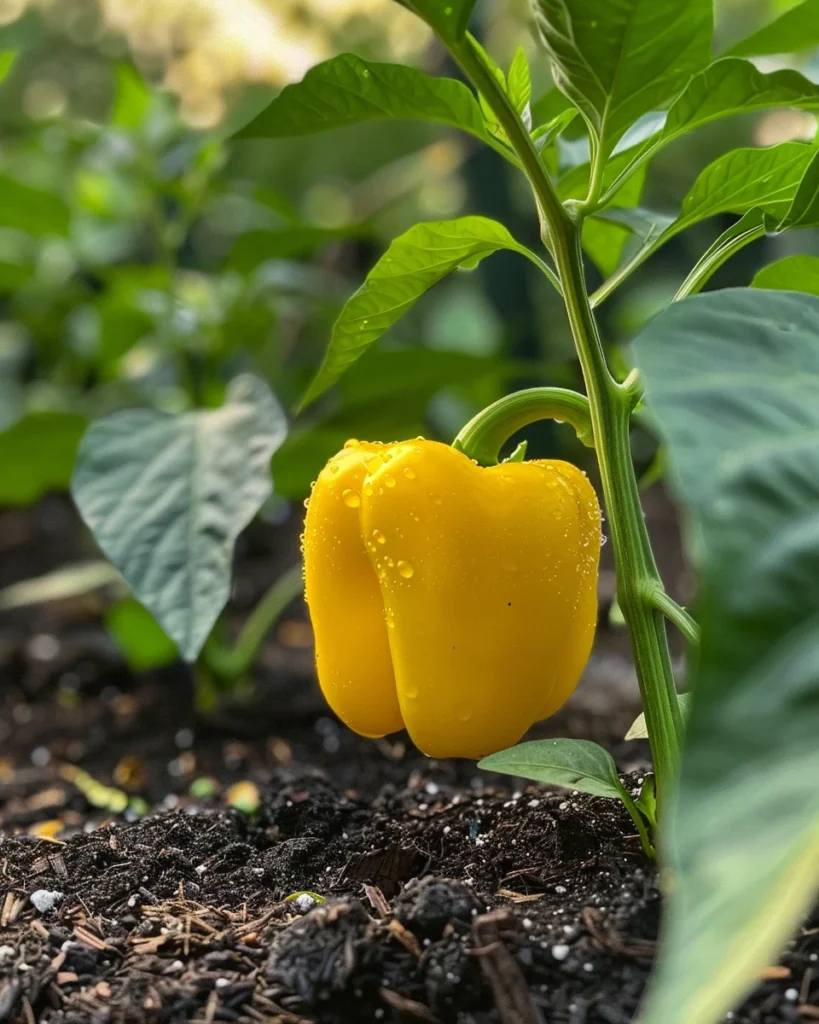
How to Grow Bell Peppers with High Yield: When to Plant, Best Varieties & Care Guide
Intro for growing bell peppers with high yield
Bell peppers (Capsicum annuum) are versatile, colorful vegetables that can transform from green to yellow, orange, or red as they ripen, becoming sweeter in the process. These nutrient-packed fruits are rich in vitamins A and C, making them as healthy as they are delicious. With proper care, a single bell pepper plant can produce 5-10 fruits per season, but high-yield techniques can boost this to 15-20+ peppers. Bell peppers thrive in warm, sunny conditions with well-draining soil, making them perfect for gardeners in temperate regions. Whether grown in garden beds or containers, these rewarding plants offer abundant harvests when their specific needs are met.
When to plant bell peppers with high yield
Bell peppers require warm soil and air temperatures to thrive. For optimal growth and high yields, wait until soil temperatures reach at least 18-21°C (65-70°F). These heat-loving plants are extremely frost-sensitive and will suffer damage or die if exposed to temperatures below 10°C (50°F).
In most temperate regions, bell peppers should be started indoors 8-10 weeks before the last expected frost date. This gives seedlings time to develop into sturdy transplants. For direct sowing in warmer climates, wait until at least 2-3 weeks after the last frost when nighttime temperatures consistently stay above 13°C (55°F).
Best time to plant bell peppers with high yield
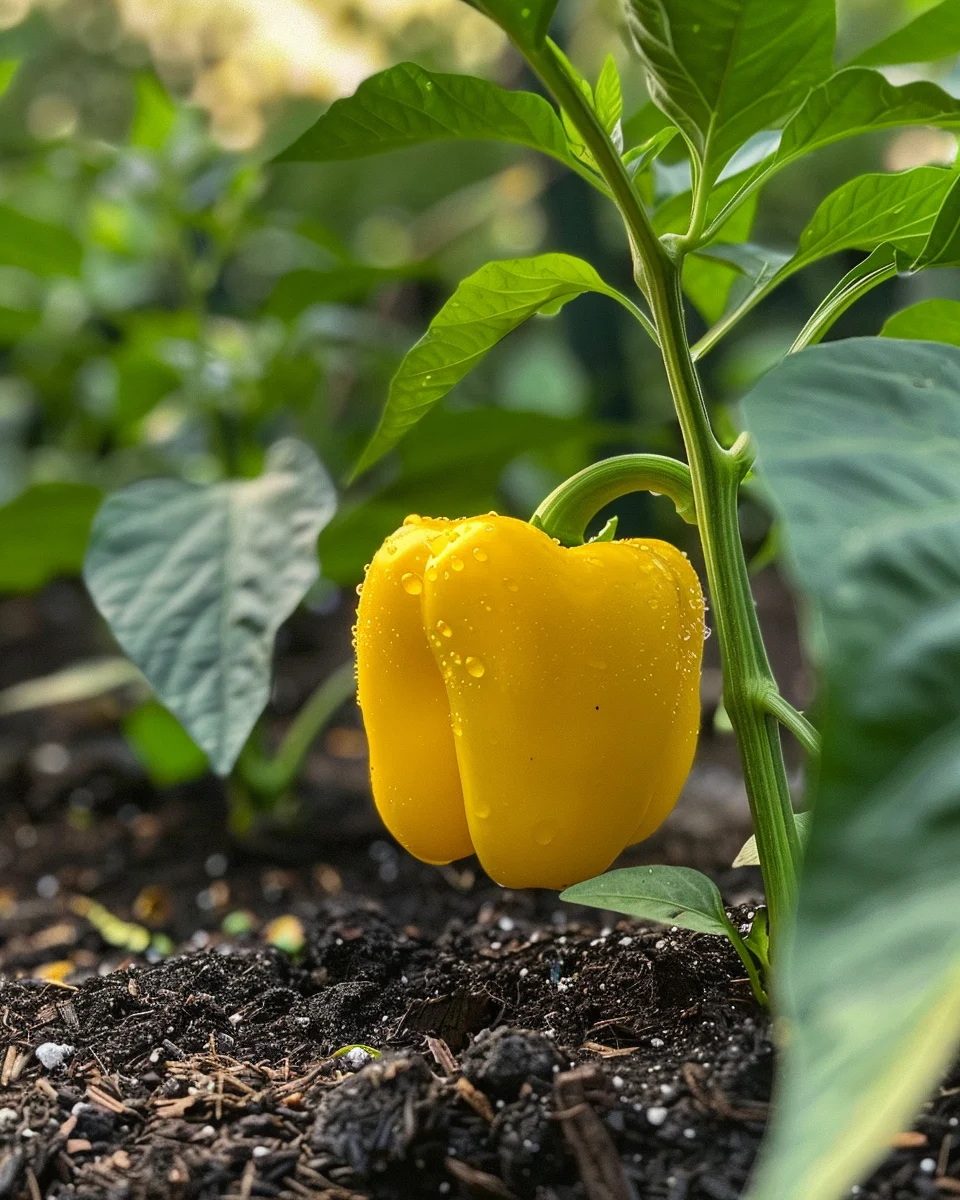
In cool temperate regions (UK, Northern US, Canada), transplant bell pepper seedlings outdoors from mid-May to early June, when the risk of frost has passed completely. Direct sowing is generally not recommended in these areas due to the shorter growing season.
In warm temperate regions (Southern US, Mediterranean), transplant seedlings from late March to April. A second crop can be planted in late summer (August) for fall harvests in frost-free areas. For extended harvests in hot regions, provide afternoon shade during the peak summer months to prevent flower drop.
For container growing in any climate, you can start earlier if you can bring plants indoors during cold nights or use season extenders like cloches or row covers.
Best bell pepper varieties to grow for high yield
- California Wonder – Classic, reliable variety with thick walls that produces well in most climates and offers consistent yields of large fruits.
- King Arthur – Hybrid variety that matures early and produces heavy yields of large, blocky fruits even in cooler conditions.
- Gypsy – Extremely productive hybrid that produces smaller, sweet peppers in abundance and shows excellent heat tolerance.
- Quadrato d’Asti Rosso – Italian heirloom that produces massive, sweet red peppers and continues fruiting over a long season.
- Ace – Early-maturing hybrid that sets fruit even in cool weather, making it ideal for shorter growing seasons.
- Orange Sun – High-yielding variety that produces vibrant orange fruits with exceptional sweetness and thick walls.
- Marconi Red – Elongated sweet pepper that produces prolifically in hot weather and is excellent for container growing.
- Corno di Toro – Italian “bull’s horn” type that produces abundantly in warm conditions and offers sweet, pointed fruits that ripen to red or yellow.
How to plant bell peppers with high yield
Materials needed:
- Bell pepper seedlings or seeds
- Compost or well-rotted manure
- Balanced organic fertilizer
- Garden trowel
- Watering can or hose with gentle spray attachment
- Mulch (straw, compost, or leaf mold)
- Stakes or cages for support
- Row covers (optional for cooler areas)
Step-by-step planting instructions:
- Select a site that receives at least 6-8 hours of direct sunlight daily with protection from strong winds.
- Prepare soil by incorporating 5-7cm (2-3in) of compost or aged manure to improve fertility and drainage.
- Add a balanced organic fertilizer (like 5-10-10) according to package instructions, working it into the top 15cm (6in) of soil.
- Space plants 45-60cm (18-24in) apart in rows 60-75cm (24-30in) apart to ensure good air circulation and maximum yield.
- Dig holes twice as wide as the root ball and about the same depth as the container.
- Carefully remove seedlings from their containers, disturbing the roots as little as possible.
- Place plants at the same depth they were growing in their containers—burying stems deeper can cause rotting.
- Backfill with soil, gently firming around the roots to eliminate air pockets.
- Water thoroughly but gently to settle the soil around roots, providing about 2.5cm (1in) of water.
- Apply 5-7cm (2-3in) of organic mulch around plants, keeping it 5cm (2in) away from stems to prevent rot.
How to grow bell peppers with high yield
Sunlight requirements: Bell peppers need full sun (6-8 hours daily) for maximum yield. In very hot regions, light afternoon shade can prevent sunscald and flower drop during the hottest part of summer.
Watering schedule: Maintain consistent soil moisture—about 2.5cm (1in) of water per week, increasing to 5cm (2in) during fruit set and hot weather. Water deeply at the soil level rather than overhead to prevent disease. Inconsistent watering can cause blossom end rot and reduced yields.
Fertilizing: After plants begin setting fruit, apply a low-nitrogen, high-phosphorus fertilizer (like 5-10-10) every 3-4 weeks. Alternatively, use a diluted liquid fertilizer (fish emulsion or compost tea) every 2 weeks. Avoid high-nitrogen fertilizers, which promote lush foliage at the expense of fruit production.
Mulching: Apply 5-7cm (2-3in) of organic mulch to conserve moisture, suppress weeds, and regulate soil temperature. Straw, leaf mold, or compost work well.
Pruning: When plants reach 20-25cm (8-10in) tall, pinch out the growing tip to encourage branching and more fruit-bearing stems. Remove the first 1-2 flowers that appear to direct energy into plant growth before fruiting begins.
Support: Stake or cage plants when they reach 30cm (12in) tall. This prevents branches from breaking under the weight of fruits and keeps peppers off the ground, reducing rot and pest damage.
Container growing: Choose containers at least 30-40cm (12-16in) deep and wide. Use high-quality potting mix with added compost. Container-grown peppers need more frequent watering and feeding—check moisture daily and fertilize every 2 weeks with half-strength liquid fertilizer.
Caring for bell peppers with high yield
Ongoing maintenance: Check plants weekly for signs of stress or pest damage. Remove any yellowing leaves promptly. During extreme heat, provide temporary shade and increase watering frequency. In cooler weather, use row covers at night to maintain warmth.
Common pests and diseases:
- Aphids: Tiny green or black insects that cluster on new growth. Control with strong water spray or insecticidal soap.
- Spider mites: Cause stippled, yellowing leaves and fine webbing. Increase humidity and apply neem oil.
- Bacterial spot: Creates water-soaked spots on leaves and fruits. Remove affected parts, avoid overhead watering, and ensure good air circulation.
- Blossom end rot: Black sunken areas on fruit bottoms caused by calcium deficiency or irregular watering. Maintain consistent moisture and add crushed eggshells to soil.
Harvesting: Bell peppers can be harvested at any stage, but allowing them to fully ripen increases vitamin content and sweetness. Cut rather than pull fruits to avoid damaging plants. Harvest regularly to encourage continued production—the more you pick, the more the plant will produce.
Storage: Fresh bell peppers will keep in the refrigerator for 1-2 weeks. For longer storage, peppers can be frozen (without blanching), dried, or roasted and preserved in oil.
Understanding bolting in bell peppers
Unlike leafy greens, bell peppers don’t technically “bolt” in the traditional sense of prematurely producing flowers and seeds. However, they can experience similar stress responses that reduce yield. When exposed to temperature extremes (especially cold nights below 13°C/55°F or sustained heat above 35°C/95°F), pepper plants may drop flowers or fail to set fruit.
To prevent stress-related yield reduction:
- Maintain consistent temperatures by using row covers on cool nights
- Provide afternoon shade during extreme heat
- Keep soil moisture consistent
- Apply mulch to moderate soil temperature fluctuations
If your plants are dropping flowers due to stress, improve environmental conditions and apply a bloom-boosting fertilizer (high in phosphorus) to encourage new flower production.
Why does bell pepper turn bitter?
- Harvesting too early: Green peppers naturally have a slightly bitter taste compared to fully ripened ones. Allow fruits to ripen fully to red, yellow, or orange for maximum sweetness.
- Heat stress: Extreme temperatures above 35°C (95°F) can cause bitterness. Provide afternoon shade during heat waves.
- Inconsistent watering: Drought stress followed by heavy watering can affect flavor. Maintain even soil moisture with regular watering and mulch.
- Variety selection: Some varieties naturally have thinner walls and more bitter flavors. Choose sweet varieties like California Wonder or King Arthur for milder taste.
- Pest damage: Insect feeding can trigger defense compounds that create bitterness. Control pests promptly with organic methods.
Companion planting for bell peppers with high yield
Good companions:
- Basil – Repels flies and mosquitoes while improving pepper flavor and growth.
- Marigolds – Deter nematodes and other soil pests with their root secretions.
- Onions and garlic – Help repel aphids and other insects that commonly attack peppers.
- Spinach or lettuce – Provide ground cover that helps retain soil moisture and suppresses weeds.
- Nasturtiums – Act as trap crops for aphids, drawing them away from your pepper plants.
- Oregano – Provides general pest protection and may improve pepper flavor.
Plants to avoid:
- Fennel – Secretes compounds that inhibit growth of many plants, including peppers.
- Brassicas (cabbage, broccoli, kale) – Compete for similar nutrients and can stunt pepper growth.
- Beans – While they fix nitrogen, too much nitrogen can reduce pepper fruit production.
Seasonal calendar
Early spring (March-April):
- Start seeds indoors 8-10 weeks before last frost
- Prepare garden beds with compost and organic matter
Late spring (May):
- Harden off seedlings by gradually exposing to outdoor conditions
- Transplant outdoors after all frost danger has passed
- Install stakes or cages
Early summer (June):
- Apply first side-dressing of balanced fertilizer
- Pinch tips to encourage branching
- Mulch plants
Mid-summer (July):
- Watch for first flowers and fruits
- Apply second fertilizer application
- Increase watering during dry spells
- Begin harvesting early green peppers if desired
Late summer (August):
- Peak harvest period begins
- Apply final fertilizer application
- In warm regions, start second crop for fall harvest
Fall (September-October):
- Continue harvesting until frost threatens
- Cover plants during early light frosts to extend season
- Remove and compost plants after killing frost
Note: In warmer regions (Zones 9-11), the growing season extends longer, with possible year-round production in frost-free areas. In cooler regions (Zones 4-6), start seeds earlier indoors and be prepared to protect plants from cool nights.
Problems & solutions
| Problem | Quick Fix |
|---|---|
| Flowers dropping without forming fruit | Improve pollination by gently shaking plants midday; maintain temperatures between 21-29°C (70-85°F); apply bloom-boosting fertilizer. |
| Stunted growth | Check for root-bound plants; ensure adequate spacing; test soil for nutrient deficiencies; apply balanced organic fertilizer. |
| Curling leaves | Check undersides for aphids and treat with insecticidal soap; ensure consistent watering; protect from strong winds. |
| Sunscald (white/tan patches on fruits) | Ensure adequate leaf cover by avoiding excessive pruning; provide temporary shade during extreme heat; maintain plant vigor. |
| Cracked fruits | Maintain consistent soil moisture; mulch heavily; avoid overhead watering; harvest promptly when ripe. |
| Small fruits | Thin to 4-6 fruits per plant initially; ensure adequate phosphorus and potassium; maintain consistent watering; check for overcrowding. |
| Few fruits despite healthy plant | Reduce nitrogen fertilizer; increase phosphorus and potassium; ensure 6+ hours of direct sunlight; improve pollination by hand. |
Common questions about growing bell peppers with high yield
How often should I water bell peppers?
Water deeply 1-2 times per week, providing 2.5-5cm (1-2in) of water depending on weather conditions. Peppers need consistent moisture, especially during flowering and fruiting. In containers, check daily as they dry out faster—water when the top 2.5cm (1in) of soil feels dry.
Can bell peppers grow in partial shade?
Bell peppers need at least 6 hours of direct sunlight daily for optimal yields. They can tolerate partial shade, especially in hot climates where afternoon shade may actually benefit them, but yields will be reduced in locations receiving less than 6 hours of sun.
What size container is best for growing bell peppers?
Use containers at least 30-40cm (12-16in) in diameter and depth, with a minimum capacity of 19 liters (5 gallons) per plant. Larger containers (38-45cm/15-18in) will produce higher yields as they provide more root space and require less frequent watering.
How far apart should I space bell pepper plants?
Space bell peppers 45-60cm (18-24in) apart in rows 60-75cm (24-30in) apart. Proper spacing ensures good air circulation, reduces disease pressure, and allows each plant access to sufficient nutrients and light. In containers, limit to one plant per 19-liter (5-gallon) container.
How long does it take bell peppers to grow from transplant to harvest?
From transplant to first harvest typically takes 60-90 days, depending on variety and growing conditions. Green peppers can be harvested earlier, while fully colored (red, yellow, orange) peppers require an additional 2-3 weeks to fully ripen and develop maximum sweetness.
How can I maximize my bell pepper yield?
To maximize yield: pinch early flowers to encourage branching; maintain consistent moisture; apply bloom-boosting fertilizer (higher in phosphorus) during flowering; harvest peppers as soon as they reach full size to encourage more production; provide support for heavy-fruiting plants; and maintain temperatures between 21-29°C (70-85°F).
Can I grow bell peppers year-round?
In frost-free regions (Zones 10-11), bell peppers can grow year-round outdoors. In temperate regions, they can be grown indoors under grow lights or in a greenhouse during winter months. Indoor peppers need at least 14-16 hours of bright light daily, warm temperatures, and good air circulation to produce well.