
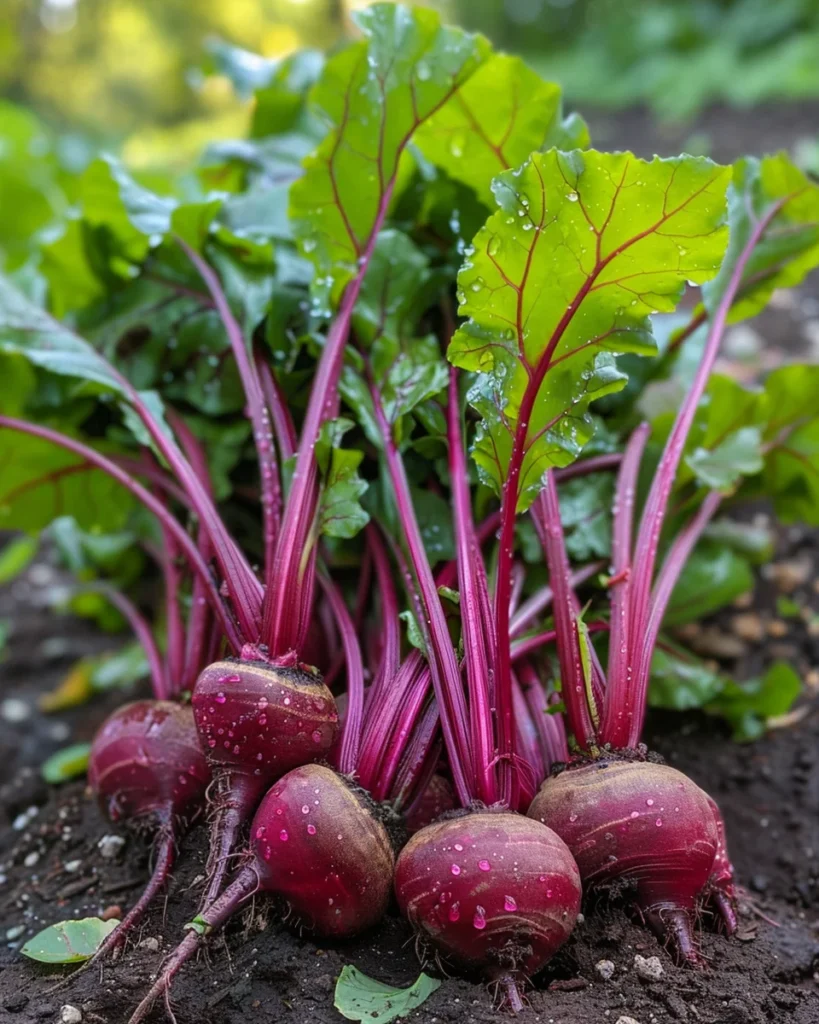
How to Grow Beets for Roots and Greens: When to Plant, Best Varieties & Care
Intro for how to grow beets for roots and greens
Beets (Beta vulgaris) are versatile garden vegetables that offer two harvests in one plant—nutritious roots and delicious leafy greens. These cool-season crops are perfect for beginner gardeners, as they’re relatively easy to grow, tolerate a range of conditions, and mature quickly (typically 50-70 days). Beets thrive in full sun and well-drained, fertile soil with a pH between 6.0-7.0. They perform best in temperate climates but can be grown in most regions with proper timing. Whether you’re looking to harvest sweet, earthy roots for roasting and pickling or tender greens for salads and sautés, growing beets rewards you with abundant nutrition and culinary versatility from a modest garden space.
When to plant how to grow beets for roots and greens
Beets are cool-season crops that grow best when soil temperatures range between 10-24°C (50-75°F). They can tolerate light frosts once established, making them ideal for early spring and autumn cultivation. In temperate regions, you can begin planting beets as soon as the soil can be worked in spring, typically 2-3 weeks before the last expected frost. For fall harvests, sow seeds 8-10 weeks before the first expected frost. Beets struggle in high heat, which can cause bolting and woody roots, so avoid midsummer plantings in hot climates. In mild winter areas (USDA zones 8-10 or UK mild temperate), beets can be grown throughout winter for continuous harvests.
Best time to plant how to grow beets for roots and greens
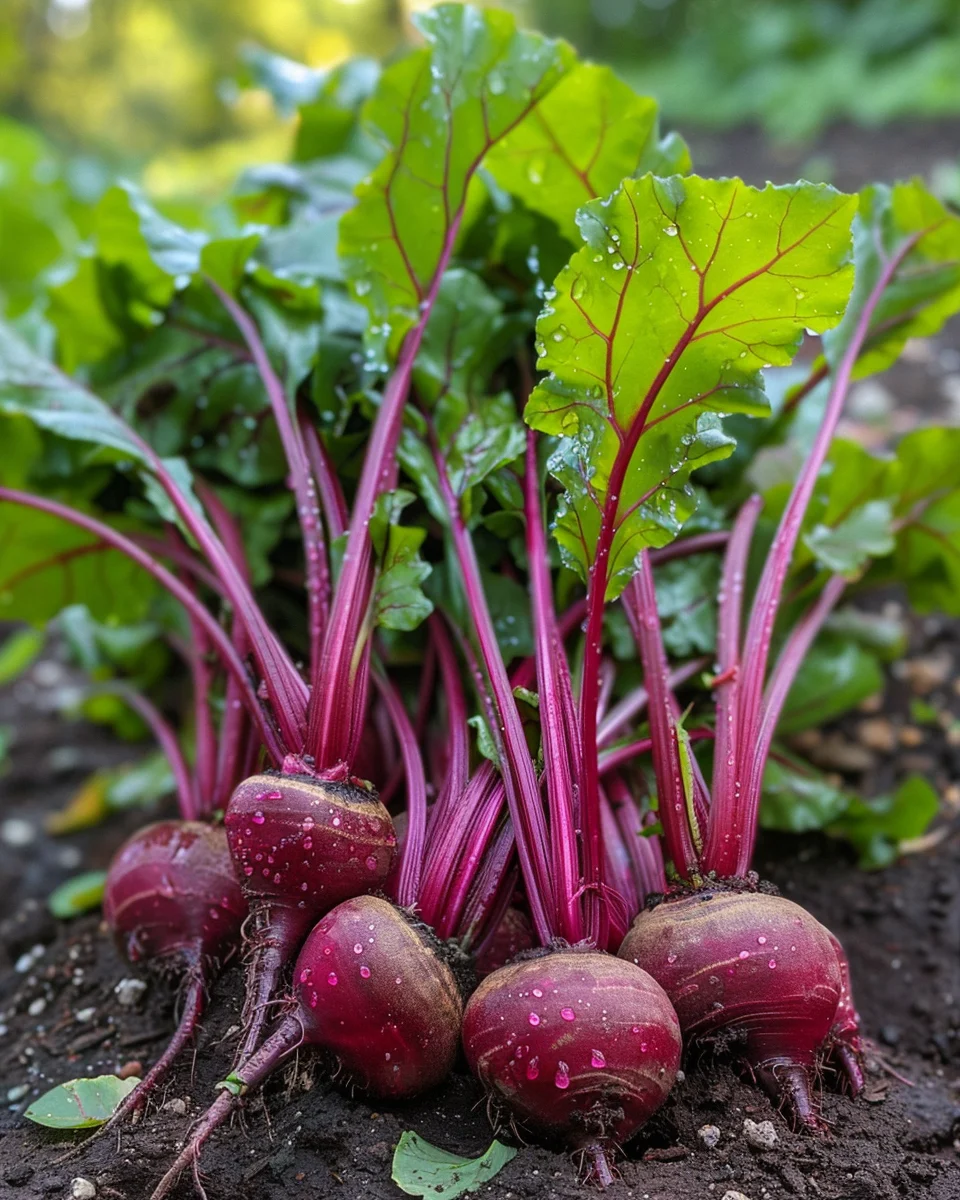
In cool climate regions (USDA zones 3-5), plant beets from mid-April through May for spring crops and July through early August for fall harvests. In moderate climates (zones 6-7), sow seeds from March through April and again from August through September. Warm climate gardeners (zones 8-10) should focus on fall through spring plantings—September through March—avoiding the intense summer heat. Mediterranean climates are ideal for winter beet production, with October through February being prime planting months. Beets are almost always direct-sown rather than transplanted, as their sensitive taproots don’t handle disruption well. Succession planting every 2-3 weeks ensures continuous harvests of both roots and tender greens.
Best how to grow beets for roots and greens varieties to grow
- Detroit Dark Red – Classic heirloom with sweet, deep red roots and excellent greens; adaptable to various growing conditions.
- Bull’s Blood – Grown primarily for its stunning burgundy-red leaves that add color to salads, though roots are also edible.
- Chioggia – Italian heirloom with striking candy-stripe interior pattern, mild flavor, and less bleeding when cooked.
- Golden – Sweet yellow roots that don’t bleed color when cooked; milder flavor and often more heat-tolerant than red varieties.
- Cylindra – Unique elongated shape that produces more uniform slices; excellent for small spaces and container growing.
- Early Wonder Tall Top – Fast-maturing variety with exceptional greens production and good heat resistance.
- Avalanche – White variety with exceptionally sweet flavor, no earthiness, and resistance to zoning (ring formation).
- Babybeat – Compact variety perfect for containers and small gardens; can be harvested young for tender baby beets.
How to plant how to grow beets for roots and greens
Materials needed:
- Beet seeds
- Garden fork or tiller
- Compost or well-rotted manure
- Balanced organic fertilizer
- Garden rake
- Watering can or hose with gentle spray attachment
- Row markers or plant labels
- Mulch material (optional)
Step-by-step planting:
- Select a site with full sun (6+ hours daily) or partial shade in hot climates.
- Prepare soil by removing rocks and breaking up clumps to create a fine tilth to a depth of 30 cm (12 inches).
- Incorporate 5-7 cm (2-3 inches) of compost to improve soil structure and fertility.
- Level the soil surface with a rake and create shallow furrows about 1-2 cm (½-¾ inch) deep.
- Space rows 30-45 cm (12-18 inches) apart to allow for good air circulation.
- Sow seeds 2.5 cm (1 inch) apart in the rows—each “seed” is actually a fruit cluster containing multiple seeds.
- Cover lightly with soil and firm gently to ensure good seed-to-soil contact.
- Water thoroughly using a gentle spray to avoid displacing seeds.
- Keep soil consistently moist until germination, which typically occurs within 5-10 days.
- Once seedlings reach 5-7 cm (2-3 inches) tall, thin to 7-10 cm (3-4 inches) apart for proper root development.
How to grow how to grow beets for roots and greens
Beets require full sun (6-8 hours daily) for optimal root development, though they can tolerate partial shade in hot climates. Maintain consistent soil moisture—about 2.5 cm (1 inch) of water weekly—as irregular watering can cause roots to crack or develop woody zones. Water deeply rather than frequently to encourage deep root growth. Apply a balanced organic fertilizer (like 5-5-5) at planting time, then side-dress with compost tea or diluted fish emulsion when plants are about 15 cm (6 inches) tall. Avoid high-nitrogen fertilizers which promote lush leaf growth at the expense of root development.
Apply a 5 cm (2 inch) layer of organic mulch around plants once they’re established to conserve moisture, suppress weeds, and regulate soil temperature. Thin seedlings progressively, eating the thinnings as baby greens. For container growing, select pots at least 20-25 cm (8-10 inches) deep with good drainage, using high-quality potting mix rather than garden soil. Container-grown beets may need more frequent watering and feeding. No staking or trellising is required for beets.
Caring for how to grow beets for roots and greens
Regular weeding is essential, especially when plants are young, as beets don’t compete well with weeds. Hand pull carefully to avoid disturbing beet roots. Monitor soil moisture consistently, as drought stress can lead to tough, woody roots and bitter greens. Common pests include leaf miners (causing winding trails on leaves), aphids (clustering on leaf undersides), and flea beetles (creating small holes in leaves). Control leaf miners by removing and destroying affected leaves; manage aphids with a strong water spray or insecticidal soap; and use row covers to prevent flea beetle damage.
Cercospora leaf spot (purple-brown spots with red margins) and downy mildew (yellow patches with gray fuzz underneath) are common diseases. Prevent these by maintaining good air circulation, avoiding overhead watering, and practicing crop rotation. Harvest greens continuously once plants are established, taking outer leaves first and leaving the center to continue growing. Roots are typically ready when they reach 2.5-7.5 cm (1-3 inches) in diameter, depending on variety. Pull gently or loosen soil with a fork first. For storage, remove greens leaving 2.5 cm (1 inch) of stems attached, brush off soil (don’t wash), and store in a cool (0-4°C/32-40°F), humid place for up to 3 months.
Understanding bolting in how to grow beets for roots and greens
Bolting is when beets prematurely produce flowering stalks instead of focusing energy on root and leaf development. This natural process is triggered when plants sense it’s time to reproduce, resulting in tough, woody roots and bitter-tasting greens. The primary triggers for bolting include extended periods of temperatures above 27°C (80°F), long daylight hours (photoperiod sensitivity), and stress factors like drought, root disturbance, or extreme temperature fluctuations.
To prevent bolting, plant beets during cooler seasons (early spring or fall), provide consistent moisture, use mulch to moderate soil temperature, and ensure proper spacing to reduce competition stress. Choose bolt-resistant varieties like ‘Detroit Dark Red’ or ‘Lutz Green Leaf’ for summer plantings. If your beets do bolt, harvest immediately—younger bolted plants may still have usable roots and greens, though they’ll be tougher and more bitter than non-bolted plants. The flower stalks can be cut for floral arrangements, and if allowed to mature, you can collect seeds for future plantings (though hybrid varieties won’t grow true to type).
Why does how to grow beets for roots and greens turn bitter?
- Heat stress – Temperatures consistently above 27°C (80°F) trigger chemical changes that create bitter compounds; plant during cooler seasons or provide afternoon shade.
- Drought conditions – Insufficient water causes stress that increases bitterness; maintain consistent soil moisture with regular watering and mulching.
- Aging plants – Older leaves and oversized roots naturally develop stronger, more bitter flavors; harvest greens regularly and roots at optimal size.
- Bolting – Once plants begin flowering, both roots and greens turn bitter quickly; harvest immediately if you notice flower stalk formation.
- Nutrient imbalance – Excessive nitrogen can cause bitter greens; use balanced fertilizers and avoid over-fertilizing with high-nitrogen products.
Companion planting for how to grow beets for roots and greens
Beets grow harmoniously with several garden companions that enhance their growth or help with pest management. Plant beets near onions, garlic, and leeks, as these alliums repel many beet pests with their strong scent. Bush beans fix nitrogen that benefits beets, though avoid planting near pole beans which may shade them too much. Lettuce makes an excellent companion as its shallow roots don’t compete with beets’ deeper root system, allowing for space maximization. Brassicas like cabbage and broccoli generally grow well with beets, creating diverse polycultures. Mint and catnip nearby can help deter flea beetles that damage beet leaves.
Avoid planting beets near chard and spinach, as these close relatives can attract the same pests and diseases, potentially increasing problems. Pole beans and other tall plants should be kept separate as they can shade beets excessively. Mustard family plants may also compete too aggressively with beets for nutrients and should be planted in different garden sections.
Seasonal calendar
- January-February: Plan varieties and order seeds. In mild winter areas, continue harvesting overwintered beets.
- March: Prepare soil with compost. Begin sowing in mild areas or start seeds indoors in cold regions.
- April: Direct sow in most temperate regions as soil warms. Begin harvesting greens from fall-planted beets.
- May: Continue succession planting every 2-3 weeks. Thin seedlings and use thinnings in salads.
- June: Harvest spring-planted roots. Apply mulch to maintain soil moisture as temperatures rise.
- July: Avoid new plantings in hot regions. In cooler areas, sow for fall harvest.
- August: Begin fall plantings in most regions. Water consistently during hot weather.
- September: Continue fall plantings. Harvest remaining summer beets before they become woody.
- October: Sow in mild winter regions for winter/spring harvest. Begin harvesting fall-planted beets.
- November-December: In cold regions, harvest all beets before hard freeze or apply heavy mulch for overwintering. In mild areas, continue harvesting and planting.
Problems & solutions
| Problem | Quick Fix |
|---|---|
| Small, underdeveloped roots | Ensure proper spacing (thin to 7-10 cm/3-4 inches apart), check soil fertility, and maintain consistent moisture. |
| Cracked or split roots | Provide even, consistent watering rather than allowing soil to dry out between heavy waterings. |
| Tough, woody texture | Harvest roots at appropriate size before they become oversized; ensure consistent watering and avoid heat stress. |
| Leaf miners damaging greens | Remove and destroy affected leaves; cover young plants with floating row covers; encourage parasitic wasps with flowering plants. |
| Poor germination | Soak seeds for 24 hours before planting; ensure soil temperature is 10-24°C (50-75°F); keep soil consistently moist until emergence. |
| Stunted growth with yellow leaves | Test soil pH (should be 6.0-7.0); add lime if too acidic; apply balanced organic fertilizer if nutrient deficiency is suspected. |
| Concentric rings in roots (zoning) | Ensure consistent growing conditions; select resistant varieties like ‘Avalanche’; harvest promptly at appropriate size. |
Common questions about growing how to grow beets for roots and greens
How often should I water my beets?
Water beets deeply once or twice weekly, providing about 2.5 cm (1 inch) of water each time. Maintain consistently moist but not waterlogged soil. Increase frequency during hot, dry periods and reduce during rainy spells.
Can I grow beets in partial shade?
Yes, beets can grow in partial shade (4-6 hours of sun), though they’ll develop more slowly than in full sun. In hot climates, afternoon shade can actually benefit beets by preventing heat stress and reducing bolting risk.
What size container do I need for growing beets?
Use containers at least 20-25 cm (8-10 inches) deep with a similar width. Each beet needs about 7-10 cm (3-4 inches) of space, so a 30 cm (12 inch) pot can accommodate 8-10 plants. Ensure containers have adequate drainage holes.
When can I start harvesting beet greens?
Begin harvesting outer leaves when plants are 15 cm (6 inches) tall, taking no more than 1/3 of the leaves at once to allow continued growth. Young greens (from thinnings) can be harvested as early as 3-4 weeks after planting.
How cold-tolerant are beets?
Established beet plants can withstand light frosts down to about -4°C (25°F). Young seedlings are more sensitive, so protect them if temperatures drop below freezing. Mature roots can be left in the ground under mulch in areas with mild winters.
Why are my beet seeds producing multiple plants?
Beet “seeds” are actually dried fruit clusters containing several true seeds. This is why multiple seedlings emerge from each planted seed and why thinning is essential for proper root development.
Can I regrow beets from the tops?
Beet tops with a small portion of the root crown attached can regrow leaves when placed in water or soil, but they won’t develop new storage roots. This is useful for a quick harvest of additional greens but won’t produce new beets.