
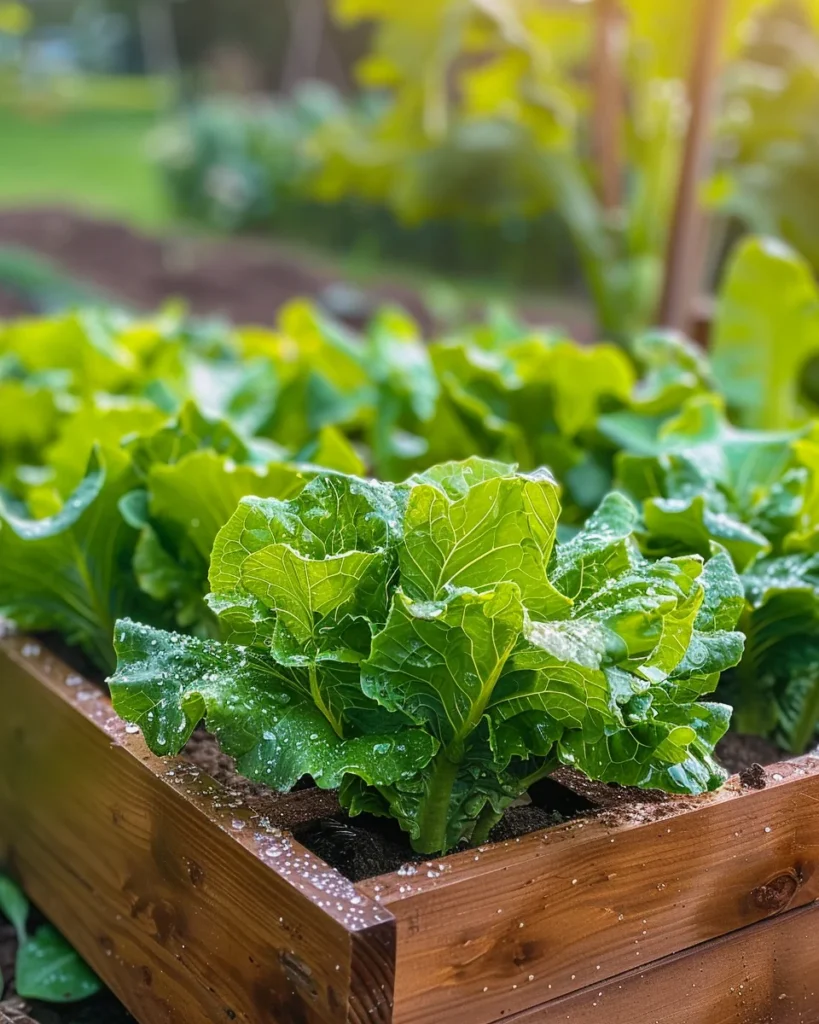
How to Grow a Patio Salad Box: Fresh Greens at Your Fingertips Year-Round
Intro for how to grow a patio salad box
A patio salad box is a compact, versatile container garden dedicated to growing fresh salad greens and vegetables right outside your door. Perfect for small spaces, balconies, or patios, these productive mini-gardens allow even apartment dwellers to enjoy homegrown produce. The beauty of a salad box lies in its accessibility—harvest fresh leaves minutes before eating for maximum flavor and nutrition. With proper planning, you can enjoy continuous harvests throughout most of the year, rotating crops seasonally. Salad boxes work in virtually any climate, though growing schedules will vary. They’re economical too, potentially saving hundreds on store-bought greens while reducing packaging waste.
When to plant how to grow a patio salad box
The ideal time to plant your patio salad box depends on what you’re growing and your local climate. Most salad greens prefer cool weather and can be planted when soil temperatures reach 7-10°C (45-50°F). Leafy greens like lettuce, spinach, and arugula thrive in spring and fall in temperate regions. In milder climates (UK, US Pacific Northwest, or US Zones 7-9), you can grow salad greens nearly year-round with proper protection from extreme temperatures.
For summer salad boxes, heat-tolerant varieties and vegetables like cherry tomatoes, cucumbers, and peppers should be planted after all danger of frost has passed and soil temperatures reach 15-18°C (60-65°F). In Mediterranean or warm temperate climates, winter is often an excellent growing season for tender greens that would otherwise bolt in summer heat.
Best time to plant how to grow a patio salad box
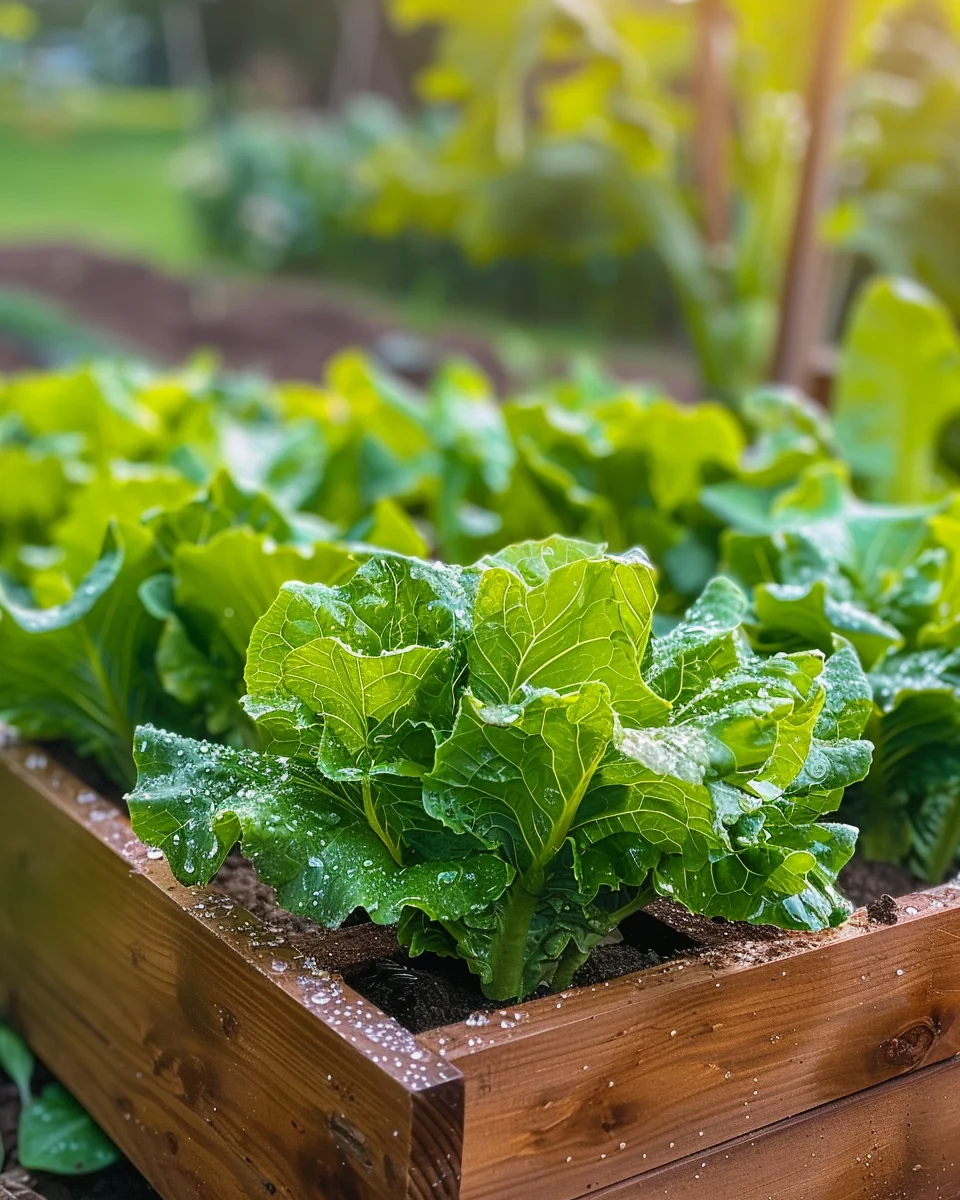
For cool-season salad boxes in temperate regions, plant leafy greens from mid-March to early May and again from late August through September. Direct sow seeds of lettuce, spinach, arugula, and Asian greens every 2-3 weeks for continuous harvests.
For warm-season salad boxes, transplant heat-loving vegetables like tomatoes, peppers, and cucumbers in late May to early June after hardening them off. In warmer regions (US Zones 8-10), you can start these as early as April.
For year-round production in mild climates, plant cool-season crops in September-October for winter/spring harvests. Use row covers or cold frames to extend the growing season during colder months. In hot summer regions, focus on heat-tolerant varieties during June-August or provide afternoon shade to prevent bolting.
Best how to grow a patio salad box varieties to grow
- Lettuce ‘Little Gem’ – Compact romaine variety perfect for containers with sweet, crisp heads that resist bolting.
- Spinach ‘Tyee F1’ – Heat-tolerant and slow to bolt with smooth, dark green leaves ideal for continuous harvesting.
- Arugula ‘Astro’ – Quick-growing with milder peppery flavor, perfect for multiple cuts and container growing.
- Kale ‘Dwarf Blue Curled’ – Compact variety with excellent cold tolerance for year-round harvests in many climates.
- Cherry Tomato ‘Tiny Tim’ – Ultra-compact determinate variety growing just 30-45cm (12-18in) tall, perfect for salad boxes.
- Cucumber ‘Spacemaster’ – Bush variety requiring no trellising with full-sized fruits on compact 60-90cm (2-3ft) vines.
- Radish ‘French Breakfast’ – Quick-maturing (21-30 days) with crisp texture and mild flavor, excellent for interplanting.
- Mesclun Mix – Pre-mixed seed blends of complementary salad greens for diverse, colorful harvests from a single planting.
How to plant how to grow a patio salad box
Materials needed:
- Container at least 15-20cm (6-8in) deep with drainage holes
- High-quality potting mix (not garden soil)
- Organic compost or slow-release fertilizer
- Seeds or seedlings of chosen varieties
- Watering can with gentle spray
- Plant labels
- Liquid seaweed or fish emulsion fertilizer
Step-by-step planting:
- Select a container at least 40-60cm (16-24in) long and 15-20cm (6-8in) deep with adequate drainage holes.
- Position your salad box where it will receive at least 4-6 hours of sunlight daily (morning sun is preferable in hot climates).
- Fill the container with high-quality potting mix to about 2.5cm (1in) below the rim, mixing in about 20% compost.
- For direct-sown seeds (lettuce, spinach, radishes), create shallow furrows according to seed packet directions, typically 6mm (¼in) deep.
- Sow seeds thinly, then cover lightly with soil and water gently with a fine spray.
- For transplants (tomatoes, peppers), dig holes slightly larger than the root ball, spacing plants according to their mature size.
- Place seedlings at the same depth they were growing previously, gently firm soil around roots.
- Water thoroughly until moisture drains from the bottom of the container.
- Label each variety with plant markers to track progress and harvest times.
- Apply a thin layer of fine mulch around plants (not seeds) to conserve moisture and suppress weeds.
How to grow how to grow a patio salad box
Sunlight requirements vary by crop and season. Most salad greens need 4-6 hours of sunlight daily, while fruiting vegetables like tomatoes and peppers require 6-8 hours. In hot summer climates, provide afternoon shade for leafy greens to prevent bolting.
Water consistently to keep the soil evenly moist but not waterlogged. Container gardens dry out faster than ground beds, so check moisture levels daily, especially during hot weather. Water at the base of plants in the morning to reduce disease risk.
Fertilize regularly as nutrients leach quickly from containers. Apply diluted liquid organic fertilizer (like fish emulsion or seaweed extract) every 2-3 weeks for leafy greens and every 1-2 weeks for fruiting vegetables once they start flowering.
For continuous harvests, practice succession planting by sowing new seeds every 2-3 weeks. Harvest outer leaves of leafy greens while leaving the growing center intact for “cut-and-come-again” production.
In containers, plant spacing can be slightly closer than in garden beds. For example, leaf lettuce can be spaced 10-15cm (4-6in) apart instead of the usual 20-25cm (8-10in). Interplant quick-growing crops like radishes between slower-growing vegetables to maximize space.
Caring for how to grow a patio salad box
Monitor soil moisture daily, especially during hot weather when containers can dry out quickly. Apply water when the top 2.5cm (1in) of soil feels dry. For optimal growth, never let the soil completely dry out or become waterlogged.
Harvest leafy greens regularly to encourage new growth. Pick outer leaves first, allowing plants to continue producing. For maximum flavor and nutrition, harvest in the morning when leaves are crisp and full of moisture.
Common pests and diseases:
- Aphids: Tiny green, black, or white insects that cluster on new growth. Control with a strong spray of water or insecticidal soap.
- Slugs and snails: Leave slimy trails and ragged holes in leaves. Place shallow dishes of beer nearby or apply diatomaceous earth around plants.
- Powdery mildew: White powdery coating on leaves, especially in humid conditions. Improve air circulation and spray with a baking soda solution (1 tsp baking soda, 1 tsp liquid soap, 1 liter water).
- Leaf miners: Create winding tunnels in leaves. Remove and dispose of affected leaves and use row covers to prevent adult flies from laying eggs.
Store harvested greens by washing, spinning dry, and refrigerating in containers lined with paper towels. Most leafy greens will keep for 5-7 days when properly stored. For maximum freshness, harvest just before eating whenever possible.
Understanding bolting in how to grow a patio salad box
Bolting is when salad greens and herbs rapidly produce flowering stems, making leaves turn bitter and tough. This natural survival mechanism is triggered when plants sense threatening conditions and rush to produce seeds before dying.
The primary triggers for bolting include:
- High temperatures (consistently above 27°C/80°F for most greens)
- Increasing day length (photoperiod) in late spring and summer
- Water stress from inconsistent watering
- Root disturbance or transplant shock
- Overcrowding causing competition for resources
Prevent bolting by selecting bolt-resistant varieties, providing afternoon shade during hot weather, maintaining consistent soil moisture, and harvesting regularly. In warm climates, grow heat-sensitive greens during cooler seasons.
If plants begin to bolt, harvest immediately—even slightly bitter leaves can be used in cooked dishes where the bitterness is less noticeable. Remove bolting plants completely and replace with heat-tolerant varieties or wait for cooler weather to replant.
Why does how to grow a patio salad box turn bitter?
- Heat stress: Temperatures consistently above 27°C (80°F) trigger bitterness in many greens. Solution: Provide afternoon shade or switch to heat-tolerant varieties during summer.
- Beginning to bolt: Even before visible flower stalks appear, the bolting process increases bitter compounds. Solution: Harvest immediately and replant with fresh seedlings.
- Water stress: Inconsistent watering causes stress that increases bitter compounds. Solution: Maintain even soil moisture with regular watering and mulch.
- Mature age: Older leaves naturally develop more bitter compounds. Solution: Harvest leaves when young and tender; practice succession planting for continuous young growth.
- Nutrient imbalance: Excessive nitrogen can contribute to bitterness. Solution: Use balanced organic fertilizers and avoid over-fertilizing.
Companion planting for how to grow a patio salad box
Beneficial companions:
- Basil – Improves flavor of tomatoes and repels flies and mosquitoes.
- Nasturtiums – Edible flowers that deter aphids and attract beneficial pollinators.
- Chives – Repel aphids and improve growth and flavor of carrots and tomatoes.
- Marigolds – Deter nematodes and other pests with their strong scent.
- Radishes – Quick-growing crop that can mark rows of slower-germinating seeds and deter cucumber beetles.
- Calendula – Attracts beneficial insects and has natural fungicidal properties.
Plants to avoid combining:
- Dill – Can inhibit growth of lettuce and other salad greens.
- Fennel – Secretes compounds that inhibit growth of many common salad box plants.
- Brassicas (cabbage family) – Compete heavily for nutrients when planted with lettuce.
Seasonal calendar
Spring (March-May):
- Early spring: Sow cold-tolerant greens like spinach, arugula, and kale
- Mid-spring: Direct sow lettuce, radishes, and Asian greens
- Late spring: Prepare and harden off warm-season seedlings
- Harvest: Begin harvesting early greens; practice cut-and-come-again
Summer (June-August):
- Early summer: Transplant heat-loving crops like tomatoes and peppers
- Mid-summer: Sow heat-tolerant greens like New Zealand spinach and Swiss chard
- Late summer: Begin sowing fall crops of lettuce and spinach
- Harvest: Regular harvesting of summer crops; provide shade for greens
Fall (September-November):
- Early fall: Sow quick-growing cool-season crops
- Mid-fall: Plant garlic and overwintering greens
- Late fall: Prepare protection for winter growing (row covers, cold frames)
- Harvest: Final harvests of summer crops; begin harvesting fall greens
Winter (December-February):
- Maintain winter-hardy greens under protection
- Plan next season’s planting schedule
- Start early spring seedlings indoors (February)
- Harvest: Winter-hardy greens like kale and mâche as needed
Note: In warmer regions (Zones 9-10), winter is prime growing season for many salad greens. In colder regions (Zones 3-5), extend fall harvests with protection and resume planting earlier in spring.
Problems & solutions
| Problem | Quick Fix |
|---|---|
| Leggy, stretched seedlings | Increase light exposure; move closer to light source; pinch back if necessary |
| Yellowing leaves | Check for overwatering; apply diluted liquid fertilizer; ensure adequate drainage |
| Wilting despite moist soil | Move to shadier location during heat; check for root rot; inspect for stem damage |
| Holes in leaves | Check undersides of leaves for pests; apply neem oil; introduce beneficial insects |
| Poor germination | Check soil temperature; ensure consistent moisture; replace old seeds; avoid planting too deep |
| Stunted growth | Check for root binding; fertilize with balanced organic fertilizer; ensure adequate sunlight |
| Mold on soil surface | Reduce watering frequency; improve air circulation; remove affected soil layer |
Common questions about growing how to grow a patio salad box
How often should I water my patio salad box?
Check moisture levels daily by inserting your finger 2.5cm (1in) into the soil. Water when it feels dry at this depth, typically every 1-3 days depending on weather conditions. During hot summer days, containers may need watering twice daily. Always water at the soil level rather than overhead to prevent disease.
What size container is best for a patio salad box?
Use containers at least 15-20cm (6-8in) deep with a surface area of at least 0.25 square meters (2.5 square feet). Larger containers hold more soil, retain moisture better, and allow for greater plant diversity. Ensure any container has adequate drainage holes.
How much sunlight does my salad box need?
Most salad greens need 4-6 hours of sunlight daily, while fruiting vegetables like tomatoes and peppers require 6-8 hours. In hot summer climates, leafy greens benefit from afternoon shade to prevent bolting. East-facing locations often provide ideal morning sun with afternoon protection.
Can I grow a salad box year-round?
In mild climates (Zones 7-10), yes, with seasonal crop adjustments. In colder regions, extend the growing season with cold frames, row covers, or by moving containers to protected areas during frost. During extreme summer heat, focus on heat-tolerant varieties or provide shade cloth protection.
How far apart should I space plants in my salad box?
Space leaf lettuce 10-15cm (4-6in) apart, head lettuce 20-25cm (8-10in), spinach and arugula 7-10cm (3-4in), and cherry tomatoes 30-45cm (12-18in). Interplant quick-growing crops like radishes between slower-growing vegetables. For cut-and-come-again harvesting, you can plant leafy greens slightly closer than recommended for full heads.
How do I prevent pests in my container garden?
Inspect plants regularly, especially leaf undersides. Introduce beneficial insects like ladybugs. Use physical barriers like row covers for flying pests. Apply organic deterrents like neem oil or insecticidal soap at first sign of problems. Maintain plant diversity to prevent pest buildup and practice good sanitation by removing plant debris.
When should I harvest my salad greens?
Harvest most leafy greens when leaves are young and tender, typically 3-5 weeks after sowing depending on variety and growing conditions. For continuous production, harvest outer leaves first while leaving the growing center intact. Harvest in the morning when leaves are crisp and full of moisture for best flavor and storage life.