
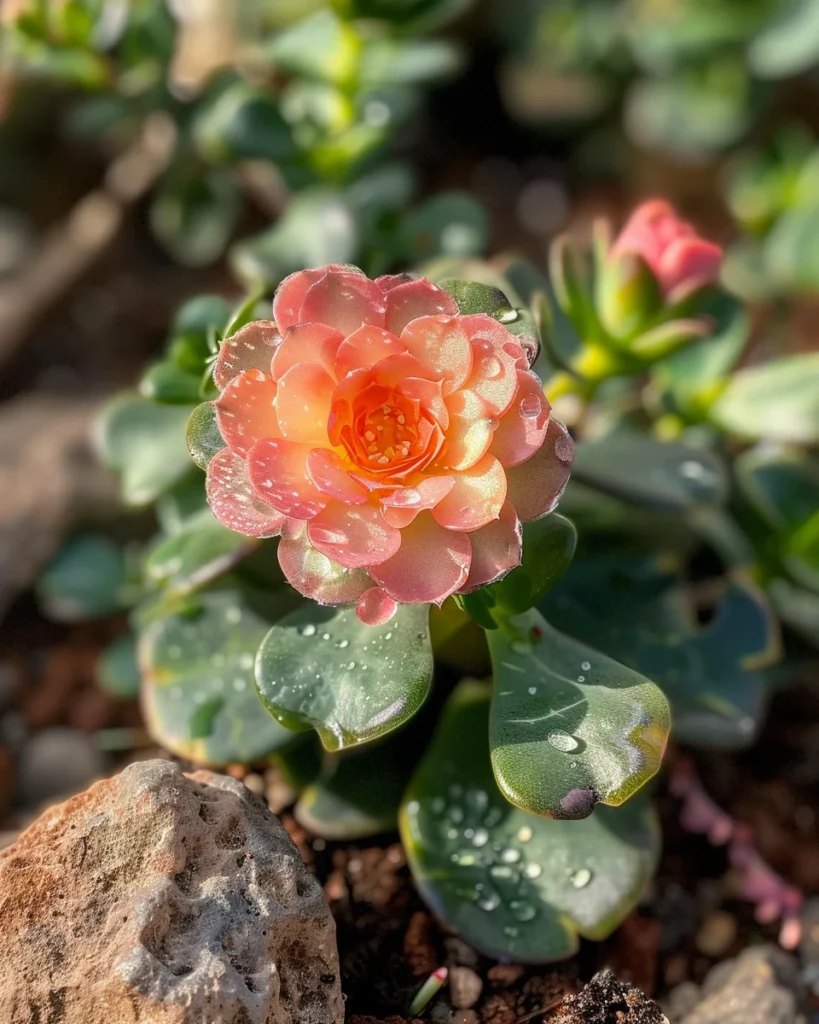
How to Get More Blooms from Your Portulaca Plant: Maximizing Flowers with Proper Care & Timing
Intro for How to Get More Blooms from Your Portulaca Plant
Portulaca, commonly known as moss rose or purslane, is a heat-loving annual that rewards gardeners with an abundance of vibrant, rose-like blooms throughout summer. These low-maintenance succulents are perfect for rock gardens, hanging baskets, and as colorful ground cover in sunny locations. Native to Brazil, Argentina, and Uruguay, portulaca thrives in hot, dry conditions where many other flowering plants struggle. With their drought tolerance and continuous flowering potential, these plants can transform any garden into a kaleidoscope of color—but only if you know how to encourage maximum blooming. This guide will help you unlock your portulaca’s full flowering potential through proper timing, variety selection, and care techniques.
When to plant How to Get More Blooms from Your Portulaca Plant
Portulaca should be planted when all danger of frost has passed and soil temperatures have warmed to at least 15°C (60°F). These heat-loving plants are extremely frost-sensitive and will quickly perish in cold conditions. In most temperate regions, this means waiting until late spring when nighttime temperatures consistently stay above 10°C (50°F). For maximum blooming potential, it’s best to establish plants early in the growing season, giving them ample time to develop before the peak summer heat triggers their most prolific flowering period.
Best time to plant How to Get More Blooms from Your Portulaca Plant
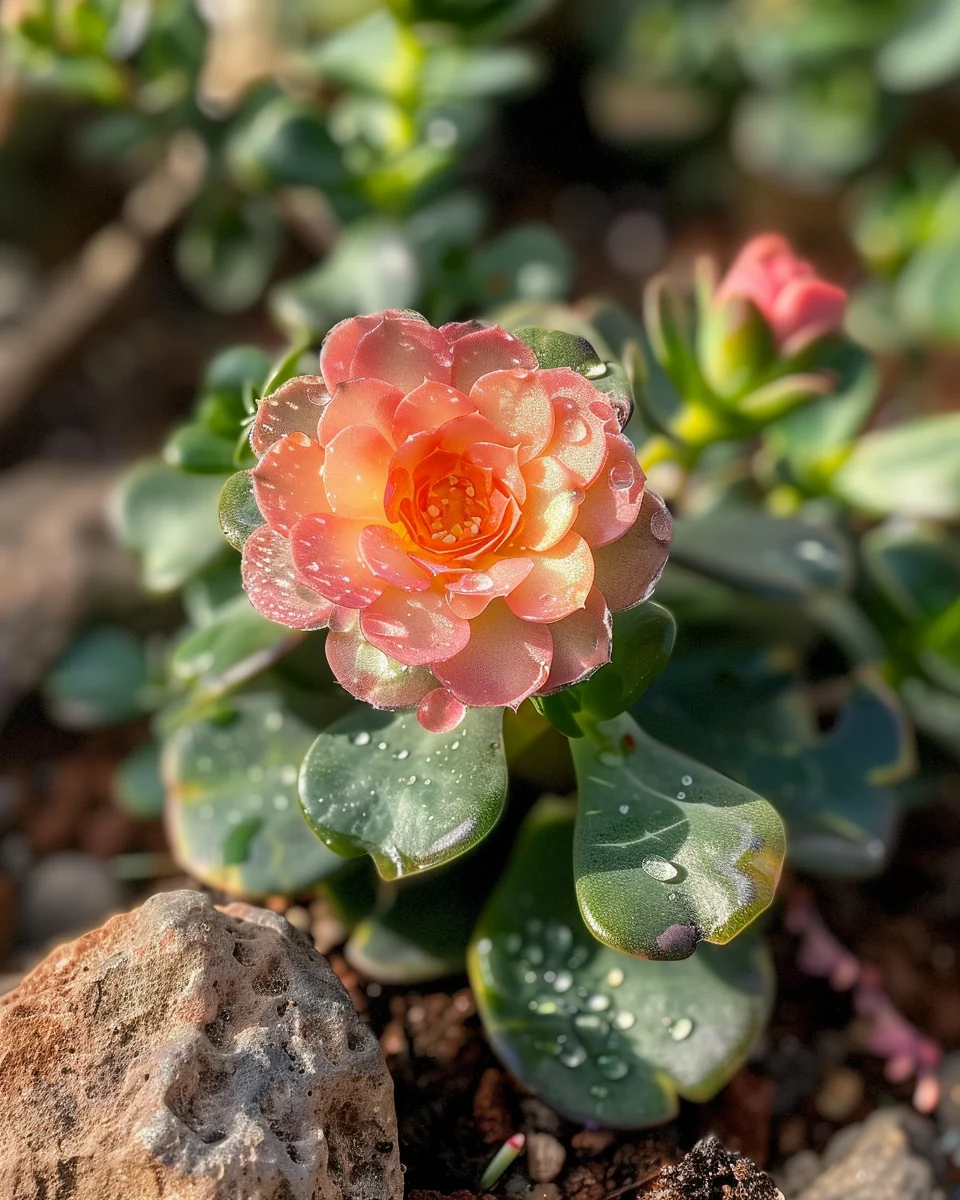
In cool temperate regions (UK, Northern US, Canada), plant portulaca outdoors from mid-May through June after soil has thoroughly warmed. In warm temperate regions (US Zones 8-10, Mediterranean areas), you can plant as early as April. For the longest blooming season, start seeds indoors 6-8 weeks before your last frost date, then transplant when warm weather arrives. Direct sowing works well in warmer climates but may result in later blooming. For continuous flowers throughout summer, consider staggered plantings 2-3 weeks apart to ensure waves of fresh blooms.
Best How to Get More Blooms from Your Portulaca Plant varieties to grow
- Sundial Mix – Offers exceptional heat tolerance and produces large, fully double blooms in a rainbow of colors that open even on cloudy days.
- Afternoon Delight – Features unique blooms that open later in the day and stay open longer into evening, extending your daily flower display.
- Pazazz Series – Delivers exceptionally large flowers (up to 2 inches across) with improved weather resistance for continuous blooming.
- Fairytale Series – Compact plants (6-8 inches tall) with semi-double flowers, perfect for containers and hanging baskets.
- Happy Hour Series – Early-blooming variety that flowers up to two weeks before other portulacas, extending your season of color.
- Stopwatch Series – Remains open longer than traditional varieties, with flowers that stay open on cloudy days and into evening hours.
- Mojave Series – Extremely heat and drought tolerant with exceptional branching habit that produces more flowering points.
How to plant How to Get More Blooms from Your Portulaca Plant
Materials needed:
- Portulaca seeds or seedlings
- Well-draining potting mix or garden soil amended with sand
- Compost or slow-release fertilizer
- Small garden trowel
- Watering can with fine rose attachment
- Mulch (small gravel or coarse sand works well)
Planting steps:
- Select a location that receives full sun (at least 6-8 hours daily) as inadequate sunlight is the primary cause of poor blooming.
- Prepare soil by incorporating sand or fine gravel to ensure excellent drainage—portulaca blooms best in lean, well-draining conditions.
- For seedlings, dig holes spaced 8-12 inches (20-30 cm) apart to allow proper air circulation and spreading.
- If direct sowing seeds, sprinkle them lightly on the soil surface without covering, as portulaca seeds need light to germinate.
- Plant at the same depth as the nursery container, being careful not to bury stems too deeply.
- Water lightly after planting—just enough to settle the soil but not saturate it.
- Apply a thin layer of gravel mulch around plants to reflect heat upward and prevent soil splashing onto foliage.
- For container planting, use terracotta pots with drainage holes and cactus/succulent potting mix for best results.
How to grow How to Get More Blooms from Your Portulaca Plant
Portulaca requires full, direct sunlight for at least 6-8 hours daily to produce maximum blooms—the more sun, the more flowers. Water only when the soil is completely dry to a depth of 1 inch (2.5 cm), as overwatering is the quickest way to reduce flowering. During active growth, fertilize sparingly with a low-nitrogen, high-phosphorus fertilizer (like 5-10-5) once monthly to encourage blooming rather than leafy growth. Deadheading is crucial for continuous flowering—remove spent blooms every few days by pinching them off at the base. For bushier plants with more flowering points, pinch back growing tips when plants reach 4 inches (10 cm) tall. In containers, use unglazed clay pots that allow soil to dry quickly between waterings, and position them in your garden’s hottest location.
Caring for How to Get More Blooms from Your Portulaca Plant
The key to abundant portulaca blooms is regular deadheading—remove spent flowers every 2-3 days to prevent seed formation, which signals the plant to stop producing new blooms. Watch for aphids and mealybugs, which can be dislodged with a strong spray of water or treated with insecticidal soap. Fungal issues like stem rot can occur with excessive moisture—treat by reducing watering and improving air circulation. Portulaca rarely needs dividing, but if plants become leggy mid-season, trim them back by one-third to stimulate fresh growth and new flower buds. These plants are self-cleaning in that petals fall off naturally, but removing the entire spent flower head (not just the petals) is necessary to stimulate more blooms. For winter care in zones 8-11, reduce watering significantly and protect from frost to potentially overwinter plants.
Understanding bolting in How to Get More Blooms from Your Portulaca Plant
Unlike many garden plants, portulaca doesn’t technically bolt in the traditional sense. However, it does go through flowering cycles that can be managed for continuous blooms. Portulaca naturally flowers, sets seed, and then produces new flowering cycles. The key is preventing the completion of this cycle by removing spent blooms before seed pods form. Extended periods of extreme heat (above 95°F/35°C) can cause temporary flowering slowdown, as can prolonged cloudy weather. If flowering diminishes during mid-summer, a light trim (removing about 1/3 of growth) and application of bloom-boosting fertilizer can trigger a fresh flush of flowers. Remember that portulaca is programmed to complete its life cycle in one season, so maintaining vigor throughout summer requires consistent intervention.
Why does How to Get More Blooms from Your Portulaca Plant turn bitter?
While bitterness isn’t relevant to ornamental portulaca varieties grown for flowers, flowering can diminish for several reasons:
- Insufficient sunlight – Move plants to a location with 8+ hours of direct sun daily
- Overwatering – Allow soil to dry completely between waterings; reduce frequency during humid periods
- Excessive nitrogen – Switch to a bloom-boosting fertilizer with higher phosphorus content
- Seed formation – Implement more frequent deadheading to prevent the plant from completing its reproductive cycle
- End of natural lifecycle – In late summer, rejuvenate plants with a light trimming and fresh application of bloom booster
Companion planting for How to Get More Blooms from Your Portulaca Plant
Good companions for portulaca include:
- Sedums and succulents – Share similar water and soil requirements while providing textural contrast
- Lantana – Complements portulaca’s heat tolerance and attracts pollinators that benefit both plants
- Salvia – Vertical spikes create visual interest alongside portulaca’s spreading habit
- Marigolds – Repel many garden pests while thriving in the same hot, dry conditions
- Ornamental grasses – Create movement and contrast without competing for resources
Avoid planting near:
- Moisture-loving plants (impatiens, fuchsia) – Their watering needs conflict with portulaca’s drought preference
- Tall, spreading plants – May shade portulaca and reduce flowering
- Aggressive spreaders – Can overwhelm the relatively slow-growing portulaca
Seasonal calendar
- February-March: Start seeds indoors in warm regions; prepare containers
- April: Start seeds indoors in cooler regions; plant outdoors in warm zones (8-10)
- May: Transplant seedlings outdoors after last frost; direct sow in warmer regions
- June: Apply first light feeding of bloom-boosting fertilizer; begin deadheading routine
- July-August: Maintain consistent deadheading; provide afternoon shade in extremely hot regions; trim back leggy growth
- September: Reduce fertilizing; allow some flowers to form seeds if you wish to collect them
- October: In zones 8-10, reduce watering to prepare for dormancy; in colder zones, remove plants after frost
- November-January: Plan next year’s portulaca garden; order seeds for specialty varieties
Problems & solutions
| Problem | Quick Fix |
|---|---|
| Few or no flowers | Increase sunlight exposure; switch to high-phosphorus fertilizer; check for overwatering |
| Flowers closing too early | Try varieties bred to stay open longer; ensure plants receive morning sun |
| Leggy, sparse growth | Pinch back stems by 1/3; increase sunlight; reduce watering frequency |
| Yellowing leaves | Check for overwatering; improve drainage; ensure pot has adequate drainage holes |
| Stem rot at base | Reduce watering; remove affected plants; increase air circulation; add gravel mulch |
| Flowers dropping without opening | Check for extreme temperature fluctuations; ensure consistent watering schedule |
| Mealybug infestation | Apply insecticidal soap or neem oil; isolate affected plants; increase air circulation |
Common questions about growing How to Get More Blooms from Your Portulaca Plant
Q: How often should I water my portulaca for maximum blooms?
A: Water only when the soil is completely dry to a depth of 1 inch (2.5 cm). Overwatering significantly reduces flowering. In hot summer weather, this might mean watering once every 7-10 days in garden beds, or every 3-5 days in containers.
Q: Can portulaca bloom in partial shade?
A: Portulaca requires full sun (6-8 hours minimum) for abundant flowering. In partial shade, plants will grow but produce significantly fewer blooms. For maximum flowers, plant in your garden’s sunniest location.
Q: What size container works best for flowering portulaca?
A: Use containers at least 8-10 inches (20-25 cm) in diameter with excellent drainage. Unglazed terracotta pots are ideal as they allow soil to dry quickly. Each plant needs about 8 inches (20 cm) of space to develop properly.
Q: How can I make my portulaca bloom longer into fall?
A: Maintain diligent deadheading throughout summer, provide a mid-season trim to rejuvenate plants, apply bloom-boosting fertilizer monthly, and protect from early fall frosts with row covers when temperatures drop below 40°F (4°C).
Q: Why do my portulaca flowers close up during the day?
A: Most portulaca varieties open with morning sun and close in late afternoon or on cloudy days. For longer-lasting open flowers, choose varieties specifically bred to stay open longer, like the ‘Stopwatch’ or ‘Afternoon Delight’ series.
Q: Can I save seeds from my portulaca for next year?
A: Yes, allow some flowers to form seed pods at the end of the season. When pods turn brown, collect and store them in a paper envelope in a cool, dry place. Note that hybrid varieties may not come true from seed.
Q: How do I revive portulaca that has stopped flowering mid-season?
A: Trim plants back by about one-third, remove any remaining spent blooms, apply a high-phosphorus fertilizer, ensure they’re receiving at least 8 hours of direct sun, and allow soil to dry completely between waterings.