
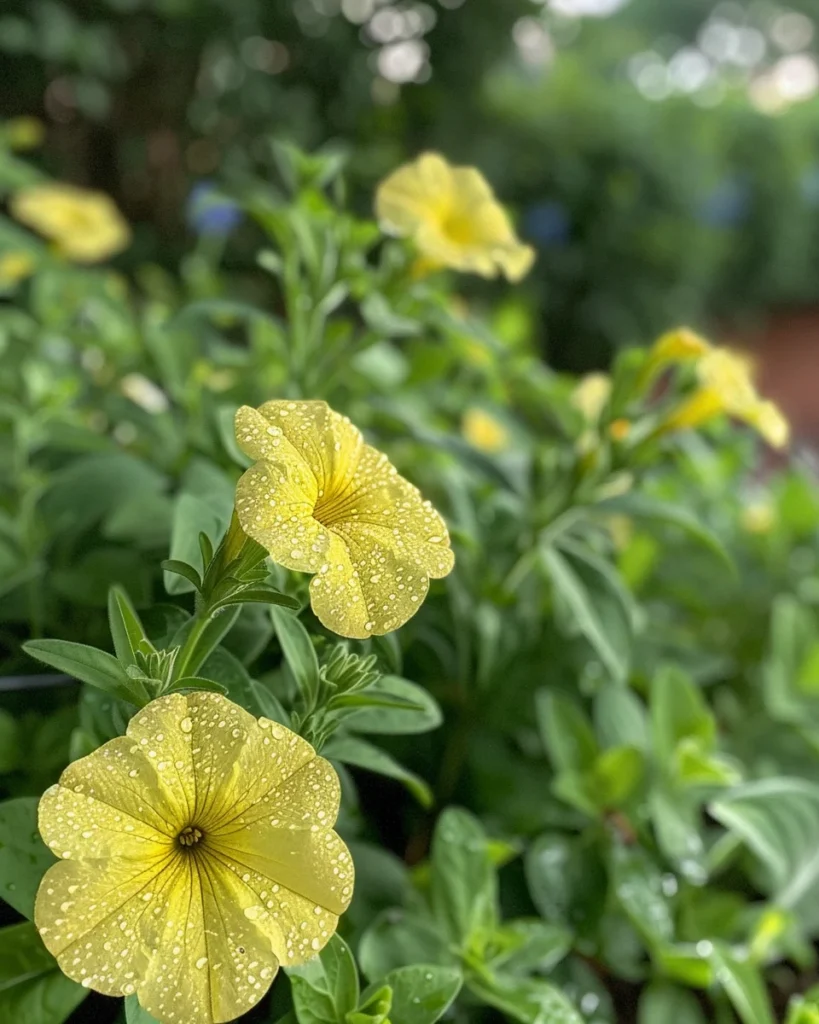
How to Fertilize Petunias for Bigger, Brighter, Better Blooms: Essential Feeding Schedule & Best Products
Intro for How to Fertilize Petunias for Bigger Brighter Better Blooms
Petunias are prolific flowering plants that can transform gardens, hanging baskets, and containers with their vibrant colors and abundant blooms. However, these flowering powerhouses are heavy feeders that require proper nutrition to perform at their best. With the right fertilization strategy, you can dramatically increase bloom size, enhance color intensity, and extend the flowering season. Whether you’re growing wave petunias, grandifloras, or multifloras, understanding when and how to fertilize these beauties will make the difference between mediocre plants and spectacular floral displays that turn heads all season long.
When to plant How to Fertilize Petunias for Bigger Brighter Better Blooms
Petunias should be planted in spring after all danger of frost has passed. In most temperate regions, this falls between mid-April and early June. Soil temperatures should reach at least 16°C (60°F) for optimal root development. In warmer regions (US Zones 9-11), petunias can be planted in fall for winter and spring blooming. For cooler climates (Zones 4-6), wait until late spring when nighttime temperatures consistently stay above 7°C (45°F) to prevent cold damage that could affect their ability to utilize fertilizer effectively.
Best time to plant How to Fertilize Petunias for Bigger Brighter Better Blooms
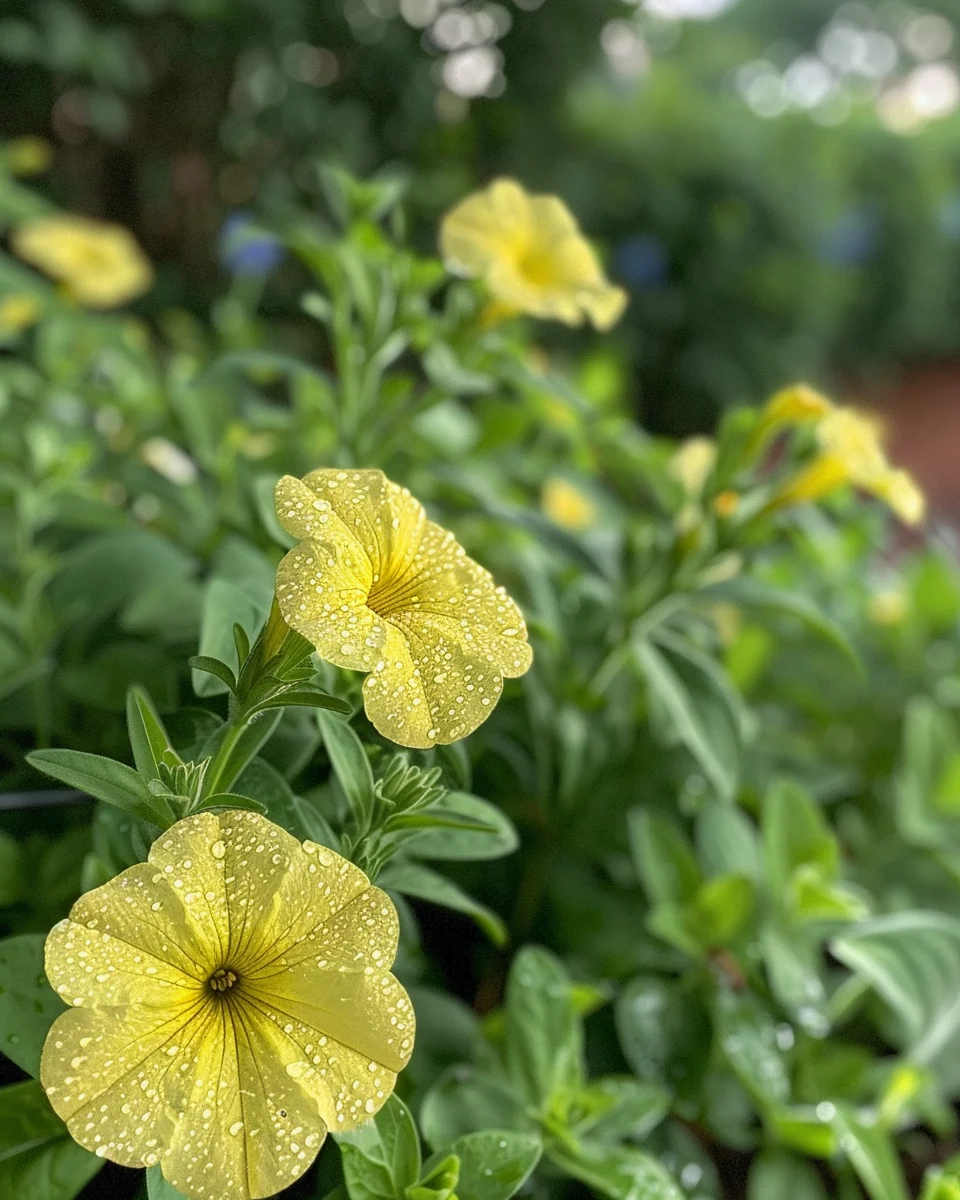
In cool-temperate regions, plant petunias from mid-May through early June when soil has warmed sufficiently. Warm-climate gardeners can plant from March through May or in September through October for extended blooming seasons. For most regions, transplanting nursery-grown seedlings is more effective than direct sowing, as petunias have tiny seeds that require 10-12 weeks of indoor growth before outdoor planting. This head start allows you to begin your fertilization program immediately upon planting for faster establishment and earlier blooms.
Best How to Fertilize Petunias for Bigger Brighter Better Blooms varieties to grow
- Wave Petunias – Exceptional spreading habit with high fertilizer needs, producing hundreds of blooms when fed properly.
- Supertunia Vista – Vigorous growers that respond dramatically to regular feeding with larger, more abundant flowers.
- Grandiflora Petunias – Large-flowered varieties like ‘Dreams’ and ‘Ultra’ that produce dinner-plate sized blooms with consistent fertilization.
- Multiflora Petunias – Compact varieties like ‘Carpet’ series that bloom prolifically with proper nutrition even in smaller spaces.
- Calibrachoa (Million Bells) – Petunia relatives that require higher iron content in fertilizers for best color development.
- Night Sky Petunias – Specialty varieties with speckled patterns that show more dramatic coloration with phosphorus-rich fertilizers.
- Cascadia Petunias – Trailing varieties ideal for hanging baskets that need frequent feeding due to limited soil volume.
How to plant How to Fertilize Petunias for Bigger Brighter Better Blooms
Materials needed:
- Petunia plants or seedlings
- Compost or organic matter
- Slow-release granular fertilizer (14-14-14 or similar)
- Bone meal or phosphorus source
- Garden trowel or shovel
- Watering can or hose
- Mulch
Step-by-step planting:
- Choose a sunny location receiving at least 6 hours of direct sunlight daily.
- Prepare soil by incorporating 2-3 inches (5-7.5 cm) of compost to improve drainage and fertility.
- Mix in 2 tablespoons of bone meal per planting hole to encourage strong root development.
- Dig holes twice as wide as the root ball and at the same depth.
- Add 1 tablespoon of slow-release fertilizer to each planting hole, mixing it with the soil to prevent direct contact with roots.
- Space plants 12-18 inches (30-45 cm) apart for standard varieties, 24-36 inches (60-90 cm) for spreading types.
- Remove plants from containers and gently loosen root balls if pot-bound.
- Place plants in holes at the same level they were growing in their containers.
- Backfill with soil, firming gently around the roots.
- Water thoroughly to settle soil and activate the initial fertilizer.
How to grow How to Fertilize Petunias for Bigger Brighter Better Blooms
Petunias thrive in full sun, needing 6-8 hours of direct sunlight for optimal flowering. Water when the top inch of soil feels dry, typically every 2-3 days in hot weather or daily for container plants.
For fertilizing, begin with a balanced slow-release fertilizer (14-14-14) at planting time. Two weeks after planting, start a weekly feeding program with a water-soluble bloom booster fertilizer (15-30-15 or similar) at half the recommended strength. For container petunias, increase to twice-weekly applications of liquid fertilizer due to frequent watering leaching nutrients.
Apply a 1-inch layer of fine mulch around plants to retain moisture and reduce fertilizer runoff. For hanging baskets and containers, incorporate controlled-release fertilizer pellets into the top inch of soil every 4-6 weeks to supplement liquid feedings.
Deadhead spent blooms regularly to redirect energy to new flower production rather than seed development. For leggy plants, cut back stems by one-third and follow with a fertilizer application to stimulate bushy regrowth and renewed flowering.
Caring for How to Fertilize Petunias for Bigger Brighter Better Blooms
Maintain a consistent fertilization schedule throughout the growing season. For in-ground petunias, apply liquid fertilizer weekly; for containers, feed twice weekly with a bloom-boosting formula (high middle number). If leaves yellow between veins, supplement with chelated iron or a micronutrient spray.
Common pests include aphids and whiteflies, which can be controlled with insecticidal soap applications. Botrytis (gray mold) often affects petunias in humid conditions—improve air circulation and avoid overhead watering to prevent it. Powdery mildew appears as white powder on leaves and can be treated with a baking soda spray (1 tablespoon per gallon of water with a few drops of dish soap).
If blooms diminish mid-season, perform a “Chelsea chop” by cutting plants back by one-third, then apply a high-phosphorus fertilizer to rejuvenate flowering. For extended season performance, switch to a lower-nitrogen fertilizer (5-10-10) in late summer to prevent excessive foliage growth at the expense of flowers.
Understanding bolting in How to Fertilize Petunias for Bigger Brighter Better Blooms
Unlike vegetables, petunias don’t technically bolt, but they can experience flowering decline that resembles bolting. This typically happens when plants redirect energy from flower production to seed development. High temperatures combined with inadequate fertilization often trigger this response. Plants become leggy with fewer, smaller blooms concentrated at stem tips.
To prevent this decline, maintain consistent fertilization even during heat waves, but reduce nitrogen levels which can promote excessive foliage. Increase phosphorus through bloom-boosting fertilizers to maintain flower production. Regular deadheading prevents seed formation that signals the plant to slow flowering.
If petunias begin to decline, cut them back by one-third to one-half their height, then apply a high-phosphorus water-soluble fertilizer. This rejuvenation pruning, combined with proper nutrition, will stimulate a fresh flush of compact growth and renewed blooming within 2-3 weeks.
Why does How to Fertilize Petunias for Bigger Brighter Better Blooms turn bitter?
While petunias don’t have edible parts that turn bitter, they can develop unattractive appearances and diminished flowering that gardeners find disappointing:
- Nitrogen overload – Too much nitrogen fertilizer creates lush foliage but few flowers; switch to a lower-nitrogen, higher-phosphorus formula.
- Micronutrient deficiencies – Lack of iron, magnesium or other trace elements causes yellowing and poor bloom color; use a complete micronutrient supplement.
- pH imbalance – Soil that’s too alkaline (above 7.0) prevents nutrient uptake; acidify with sulfur products or use fertilizers formulated for acid-loving plants.
- Fertilizer salt buildup – Excessive fertilizer application causes leaf edge browning and stunted growth; flush containers with clear water monthly.
- Heat stress – High temperatures combined with inadequate fertilization causes small, pale blooms; increase watering frequency and use heat-tolerant fertilizer formulations.
Companion planting for How to Fertilize Petunias for Bigger Brighter Better Blooms
Good companions:
- Geraniums – Similar fertilizer requirements and their strong scent repels petunia pests.
- Sweet Alyssum – Low-growing habit complements petunias while attracting pollinators and beneficial insects.
- Calibrachoa – Related plants with similar nutritional needs that create complementary color displays.
- Dusty Miller – Silver foliage provides contrast while tolerating the same fertilization schedule.
- Verbena – Compatible growth habits and fertilizer needs with complementary flower forms.
Avoid planting near:
- Heavy feeders like roses – Will compete for nutrients, leaving petunias undernourished.
- Plants requiring acidic conditions – Petunias prefer slightly acidic to neutral soil, making fertilization challenging when paired with acid-lovers.
- Tall, dense plants – Will shade petunias and reduce their flowering potential regardless of fertilization.
Seasonal calendar
- March-April: Start seeds indoors with weak fertilizer solution (quarter strength) once true leaves appear.
- May: Transplant outdoors with slow-release fertilizer incorporated into planting holes.
- June: Begin weekly liquid fertilizer applications with bloom-boosting formula (15-30-15).
- July: Increase to twice-weekly feeding for container plants; refresh slow-release fertilizer in garden beds.
- August: Perform mid-season cutback followed by fertilizer application to rejuvenate plants.
- September: Reduce nitrogen; switch to 5-10-10 formula to maintain blooms without excessive growth.
- October: Final fertilizer application in warm regions; discontinue in areas with frost.
- November-February: For overwintered plants in warm regions, maintain monthly feeding with half-strength fertilizer.
Problems & solutions
| Problem | Quick Fix |
|---|---|
| Yellowing leaves with green veins | Apply chelated iron supplement; soil may be too alkaline for nutrient uptake |
| Abundant foliage but few flowers | Switch to high-phosphorus (middle number) fertilizer; reduce nitrogen |
| Leggy, stretched growth | Cut back by one-third, then apply balanced fertilizer to encourage branching |
| Pale, small blooms | Increase fertilizer frequency and ensure complete micronutrient content |
| Brown leaf edges | Flush soil to remove fertilizer salt buildup; reduce fertilizer concentration |
| Sudden wilting despite moist soil | Fertilizer burn; flush soil thoroughly and resume at half strength |
| Purple-tinged leaves | Phosphorus deficiency; apply bone meal or high-phosphorus liquid fertilizer |
Common questions about growing How to Fertilize Petunias for Bigger Brighter Better Blooms
How often should I fertilize my petunias?
For garden petunias, apply liquid fertilizer weekly. Container and hanging basket petunias need twice-weekly applications due to frequent watering leaching nutrients.
What’s the best fertilizer ratio for abundant blooms?
Look for fertilizers with a higher middle number (phosphorus) like 10-20-10 or 15-30-15, which promotes flowering rather than leaf growth.
Can I use organic fertilizers for petunias?
Yes, fish emulsion (diluted to half strength), compost tea, or organic bloom boosters work well, though they may need more frequent application than synthetic options.
My petunias stopped blooming mid-season despite fertilizing. What’s wrong?
They likely need rejuvenation pruning. Cut back by one-third, then apply a high-phosphorus fertilizer to stimulate new growth and blooms.
Should I fertilize petunias differently in containers versus in-ground?
Container petunias need more frequent fertilization (twice weekly) at slightly lower concentrations due to limited soil volume and nutrient leaching from frequent watering.
Why are my petunia leaves turning yellow despite regular fertilizing?
You may have an iron deficiency or pH imbalance. Apply a micronutrient supplement containing iron and check that soil pH is between 6.0-7.0 for optimal nutrient uptake.
Is it better to use granular or liquid fertilizer for petunias?
A combination works best: slow-release granular fertilizer as a base nutrition source, supplemented with weekly liquid fertilizer applications for immediate nutrient availability.