

How to Attract More Bees and Butterflies to Your Garden: Best Pollinator-Friendly Blooms to Plant
Intro for How to Attract More Bees and Butterflies Just Add These Blooms
Creating a pollinator-friendly garden isn’t just beneficial for the environment—it brings your outdoor space to life with movement, color, and sound. Bees, butterflies, and other pollinators play a crucial role in our ecosystem, supporting plant reproduction and food production. By strategically selecting the right flowering plants, you can transform your garden into a haven for these important creatures. The best pollinator gardens offer continuous blooms throughout the growing season, provide diverse flower shapes and colors, and avoid harmful pesticides. Whether you have a sprawling garden or just a few containers on a balcony, you can make a significant difference in supporting local pollinator populations with the right plant selections.
When to plant How to Attract More Bees and Butterflies Just Add These Blooms
The ideal planting time for pollinator-friendly blooms varies by plant type and your climate zone. In general, spring-flowering bulbs should be planted in autumn when soil temperatures range between 7-15°C (45-60°F). Summer-flowering perennials are best planted in early spring after the last frost date, while many annual flowers can be directly sown when soil temperatures reach 10-15°C (50-60°F). In warmer regions (USDA zones 8-10), you can plant many pollinator-friendly perennials in fall to establish roots before summer heat. For cooler regions (zones 3-6), wait until spring when soil can be worked and frost danger has passed.
Best time to plant How to Attract More Bees and Butterflies Just Add These Blooms
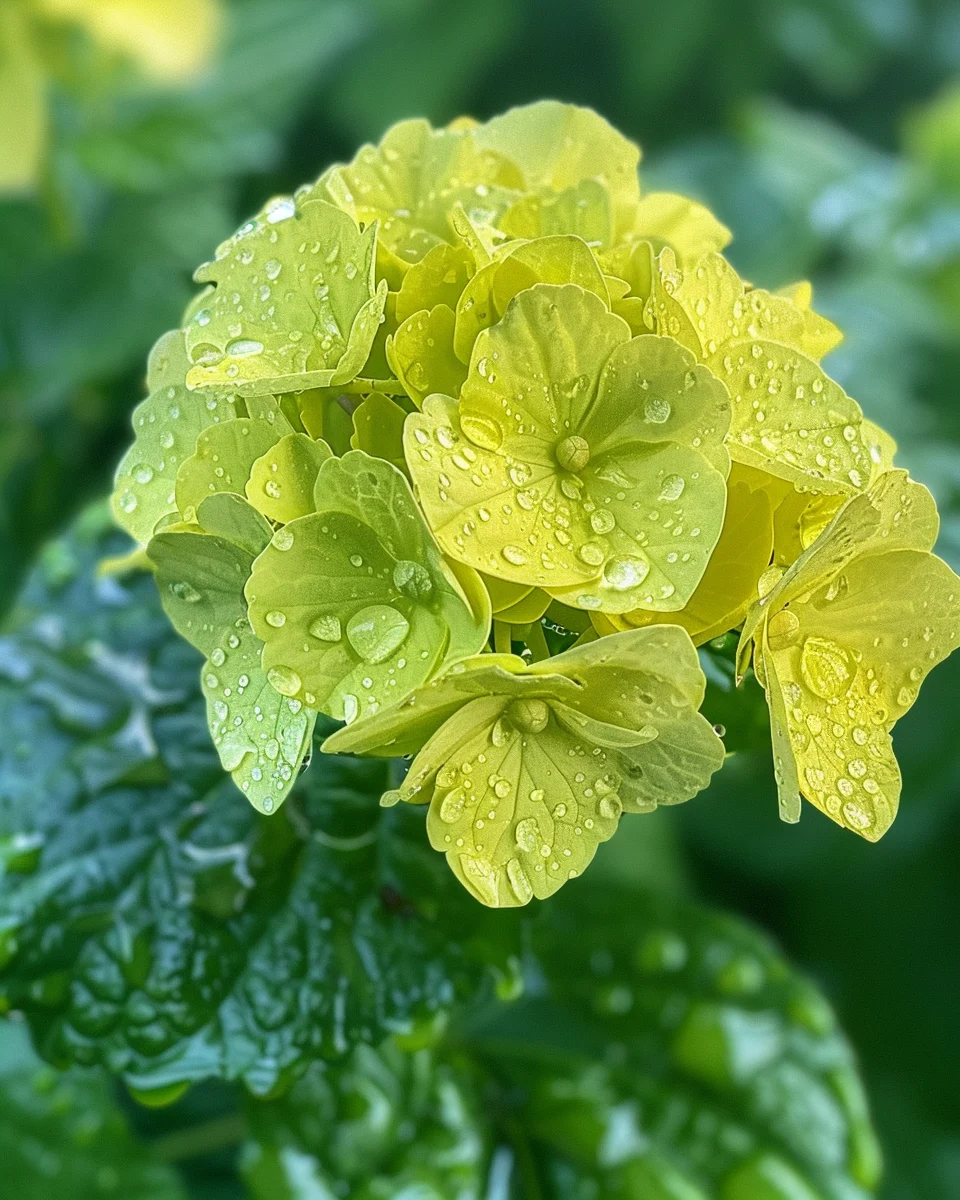
In cool temperate regions, mid-to-late spring (April to May) is optimal for planting most pollinator-attracting perennials and annuals as direct sowings. Warm climate gardeners can plant in early spring (March to April) or fall (September to October) to avoid summer heat stress. For transplants, wait until 2-3 weeks after your last frost date in cooler regions, while warm-climate gardeners can transplant as early as February. Many wildflower seed mixes benefit from fall sowing in both climate types, allowing for natural cold stratification. Container plantings for pollinators are best established in spring regardless of region, giving plants time to mature before peak pollinator season.
Best How to Attract More Bees and Butterflies Just Add These Blooms varieties to grow
• Echinacea purpurea (Purple Coneflower) – A native perennial with long-lasting blooms that attracts both bees and butterflies while providing seeds for birds in winter.
• Lavandula angustifolia ‘Munstead’ (Lavender) – Compact, drought-tolerant variety with fragrant purple blooms that bees find irresistible.
• Asclepias tuberosa (Butterfly Weed) – Essential monarch butterfly host plant with vibrant orange flowers that thrive in poor soil conditions.
• Monarda didyma ‘Jacob Cline’ (Bee Balm) – Mildew-resistant variety with bright red tubular flowers that attract hummingbirds, bees, and butterflies.
• Helianthus annuus ‘Autumn Beauty’ (Sunflower) – Multi-branching variety with diverse bloom colors that provides abundant pollen and seeds for pollinators.
• Agastache foeniculum (Anise Hyssop) – Long-blooming perennial with licorice-scented foliage and purple flower spikes that bees visit constantly.
• Salvia nemorosa ‘May Night’ (Meadow Sage) – Heat-tolerant, early-blooming perennial with deep purple spikes that attract diverse bee species.
• Zinnia elegans ‘California Giant’ (Zinnia) – Easy-to-grow annual with large, colorful blooms that butterflies flock to throughout summer.
How to plant How to Attract More Bees and Butterflies Just Add These Blooms
Materials list:
– Pollinator-friendly plant varieties
– Compost or organic matter
– Garden fork or tiller
– Trowel or garden spade
– Watering can or hose with spray attachment
– Mulch (preferably natural materials like straw or bark)
– Plant labels
– Garden gloves
Step-by-step:
1. Select a site that receives at least 6 hours of direct sunlight daily, as most pollinator-friendly plants thrive in full sun.
2. Prepare the soil by removing weeds and incorporating 2-3 inches (5-7.5 cm) of compost to improve drainage and fertility.
3. Group similar plants together in clusters of at least 3-5 specimens to create visible “landing pads” that attract pollinators from a distance.
4. Dig holes twice as wide as the root ball and at the same depth as the container.
5. Gently remove plants from their containers, loosen the roots if pot-bound, and place in the prepared holes.
6. Backfill with soil, firming gently around the roots without compacting too heavily.
7. Water thoroughly after planting, ensuring the soil is evenly moist but not waterlogged.
8. Apply a 2-inch (5 cm) layer of mulch around plants, keeping it away from stems to prevent rot.
9. Space plants according to their mature size requirements, typically 12-24 inches (30-60 cm) apart for perennials and 6-12 inches (15-30 cm) for annuals.
10. Label your plantings to help identify and monitor which varieties attract the most pollinators in your garden.
How to grow How to Attract More Bees and Butterflies Just Add These Blooms
Most pollinator-friendly plants require full sun (6+ hours daily), though some woodland natives like Tiarella and Heuchera can thrive in partial shade. Water deeply but infrequently, allowing soil to dry slightly between waterings to encourage deep root growth. Newly planted specimens need consistent moisture for the first month, then can typically follow a schedule of 1 inch (2.5 cm) of water weekly if rainfall is insufficient. Fertilize sparingly—excessive nitrogen promotes lush foliage at the expense of flowers. A single application of slow-release organic fertilizer in spring is usually sufficient. Mulch around plants to conserve moisture and suppress weeds, maintaining a 2-3 inch (5-7.5 cm) layer. Deadhead spent blooms regularly to encourage continued flowering, except in fall when seed heads provide food for birds. For container plantings, use pots at least 12 inches (30 cm) deep with drainage holes, and water more frequently as containers dry out faster than in-ground plantings.
Caring for How to Attract More Bees and Butterflies Just Add These Blooms
Regular maintenance includes deadheading spent flowers (except those left for seed production), removing weeds that compete for resources, and dividing crowded perennials every 3-4 years. Watch for aphids, which can be controlled with a strong spray of water or insecticidal soap applied in the evening when pollinators are less active. Powdery mildew may affect some plants like bee balm and phlox—improve air circulation by thinning plants and avoid overhead watering. Japanese beetles can damage flowers and foliage; hand-pick early in the morning when they’re sluggish or use floating row covers during peak beetle season. For organic pest control, introduce beneficial insects like ladybugs and lacewings, or use neem oil as a last resort, applying only in the evening to minimize impact on beneficial insects. Harvest herb flowers like lavender and sage when they’re just opening for optimal fragrance. Seeds from coneflowers, sunflowers, and cosmos can be collected when dry and stored for next season or left for birds.
Understanding bolting in How to Attract More Bees and Butterflies Just Add These Blooms
Bolting refers to the process when plants rapidly produce flowering stems before their vegetative growth is complete. While this is undesirable in edible crops, it’s actually beneficial in pollinator gardens. Bolting is triggered by increasing day length, heat stress, or drought conditions. Some plants like cilantro and dill naturally bolt quickly and their flowers are excellent for attracting beneficial insects, particularly small wasps and flies that help control garden pests. To encourage controlled bolting in herbs for pollinators, allow a portion of your herb garden (basil, cilantro, dill) to flower rather than harvesting it all. If you want to delay bolting in edible portions, provide afternoon shade in hot climates, ensure consistent watering, and select slow-bolting varieties. Once flowering begins, embrace it as a pollinator resource rather than removing the plants.
Why does How to Attract More Bees and Butterflies Just Add These Blooms turn bitter?
• Drought stress: Insufficient water causes plants to produce more defensive compounds that can create bitter nectar; maintain consistent soil moisture.
• Heat waves: Extreme temperatures can alter nectar composition; provide afternoon shade during heat events.
• Soil nutrient imbalance: Excessive nitrogen fertilizer can reduce nectar production and quality; use balanced organic fertilizers.
• Pesticide contamination: Systemic pesticides can enter nectar and pollen, making them unpalatable or harmful to pollinators; avoid synthetic pesticides entirely.
• Plant age: Older flowers may produce less or lower-quality nectar; deadhead regularly to encourage fresh blooms.
Companion planting for How to Attract More Bees and Butterflies Just Add These Blooms
Good companions for pollinator plants include herbs like oregano, thyme, and rosemary, which provide additional nectar sources while repelling some garden pests. Native grasses such as little bluestem or prairie dropseed offer shelter and nesting materials for native bees while creating structural diversity. Umbelliferous plants (dill, fennel, Queen Anne’s lace) attract parasitic wasps that control caterpillar populations. Alliums (chives, garlic, ornamental onions) deter aphids and other sap-sucking insects while providing early-season nectar. Avoid planting pollinator gardens near areas regularly treated with pesticides, as drift can harm beneficial insects. Keep aggressive spreaders like mint or bee balm away from delicate native plants that might get overwhelmed. Avoid placing butterfly host plants (like milkweed) too close to vegetable gardens, as the caterpillars might venture onto your food crops.
Seasonal calendar
• Early Spring (March-April): Plant cold-tolerant annuals like sweet alyssum; divide and transplant perennials; apply compost around existing plants.
• Late Spring (May): Direct sow heat-loving annuals like zinnias and sunflowers; plant perennial transplants; install butterfly host plants.
• Early Summer (June): Deadhead spring bloomers; water deeply during dry spells; monitor for pests.
• Mid-Summer (July-August): Continue deadheading; provide supplemental water during drought; collect seeds from early bloomers.
• Early Fall (September): Plant fall-blooming asters and goldenrod; divide crowded spring-blooming perennials; plant spring bulbs.
• Late Fall (October-November): Leave seed heads for birds; apply light mulch around perennials; collect and store seeds.
• Winter (December-February): Plan next year’s additions; order seeds; leave plant stalks for overwintering beneficial insects.
For warmer regions (zones 8-10), shift the calendar earlier by 2-4 weeks; for cooler regions (zones 3-5), delay by 2-4 weeks.
Problems & solutions
Problem | Quick Fix
— | —
Few pollinators visiting | Plant in clusters of at least 3-5 of the same species to increase visibility
Plants not flowering | Ensure adequate sunlight (6+ hours); avoid excessive nitrogen fertilizer
Caterpillars eating leaves | Recognize this as part of the butterfly lifecycle; plant extra to share with caterpillars
Drought stress | Apply 2-3″ mulch to retain moisture; group plants with similar water needs
Powdery mildew | Improve air circulation; water at soil level; try resistant varieties
Aphid infestation | Spray with strong water stream in morning; introduce ladybugs
Aggressive plant spread | Install root barriers; plant aggressive species in containers; divide regularly
Common questions about growing How to Attract More Bees and Butterflies Just Add These Blooms
Q: How often should I water my pollinator garden?
A: Most established pollinator plants need about 1 inch (2.5 cm) of water weekly from rain or irrigation. Water deeply but infrequently to encourage deep root systems, which improves drought tolerance.
Q: Can I create a pollinator garden in partial shade?
A: Yes, though your plant selection will be more limited. Choose shade-tolerant options like foxglove, columbine, coral bells, and woodland phlox, which will attract pollinators even with 4-5 hours of sunlight.
Q: What’s the minimum container size for growing pollinator plants?
A: Use containers at least 12 inches (30 cm) deep and 12 inches (30 cm) in diameter for most perennials. Annual pollinator plants can succeed in smaller containers, but larger volumes of soil dry out less quickly and require less frequent watering.
Q: How can I attract specific types of butterflies?
A: Research and plant the specific host plants needed by butterfly caterpillars in your region. For example, monarch butterflies require milkweed (Asclepias species), black swallowtails need parsley or dill, and painted ladies use hollyhocks and mallows.
Q: When is the best time of day to observe pollinators in my garden?
A: Most bee activity occurs between 10 AM and 4 PM on sunny, warm days. Butterflies are most active during warm, sunny periods from late morning to mid-afternoon. Some moths and certain bee species may visit flowers in early morning or evening hours.
Q: How can I provide water for pollinators?
A: Create a shallow water source with pebbles or marbles that provide landing spots so insects won’t drown. Place it in a shady spot and refresh the water regularly to prevent mosquito breeding.
Q: Is it necessary to deadhead all pollinator plants?
A: Deadhead most flowers during the growing season to encourage continued blooming, but leave some seed heads intact in late summer and fall to provide food for birds and overwintering sites for beneficial insects.