

Why Your Peonies Aren’t Blooming and How to Fix It: Planting Depth, Timing, and Care Tips
Intro for Why Your Peonies Aren’t Blooming and How to Fix It
Peonies are beloved garden treasures known for their spectacular blooms and intoxicating fragrance. These long-lived perennials can thrive for decades, sometimes even a century, making them valuable garden investments. However, many gardeners face the frustrating experience of healthy-looking peony plants that refuse to flower. Understanding why peonies fail to bloom is the first step toward enjoying their magnificent flowers. From improper planting depth to inadequate sunlight, several factors can prevent flowering. The good news is that most non-blooming issues can be resolved with proper care and patience, allowing your peonies to reach their full flowering potential.
When to plant peonies
Peonies perform best when planted in fall, ideally 4-6 weeks before the ground freezes in your region. This timing allows roots to establish before winter dormancy. In most temperate regions, mid-September through October provides ideal planting conditions when soil temperatures range between 10-15°C (50-60°F). Spring planting is possible but less ideal, as plants will need more time to establish before flowering. Avoid planting during summer heat or when the ground is frozen. For warmer regions (USDA zones 8-9), late fall to early winter planting works well when temperatures have moderated.
Best time to plant peonies
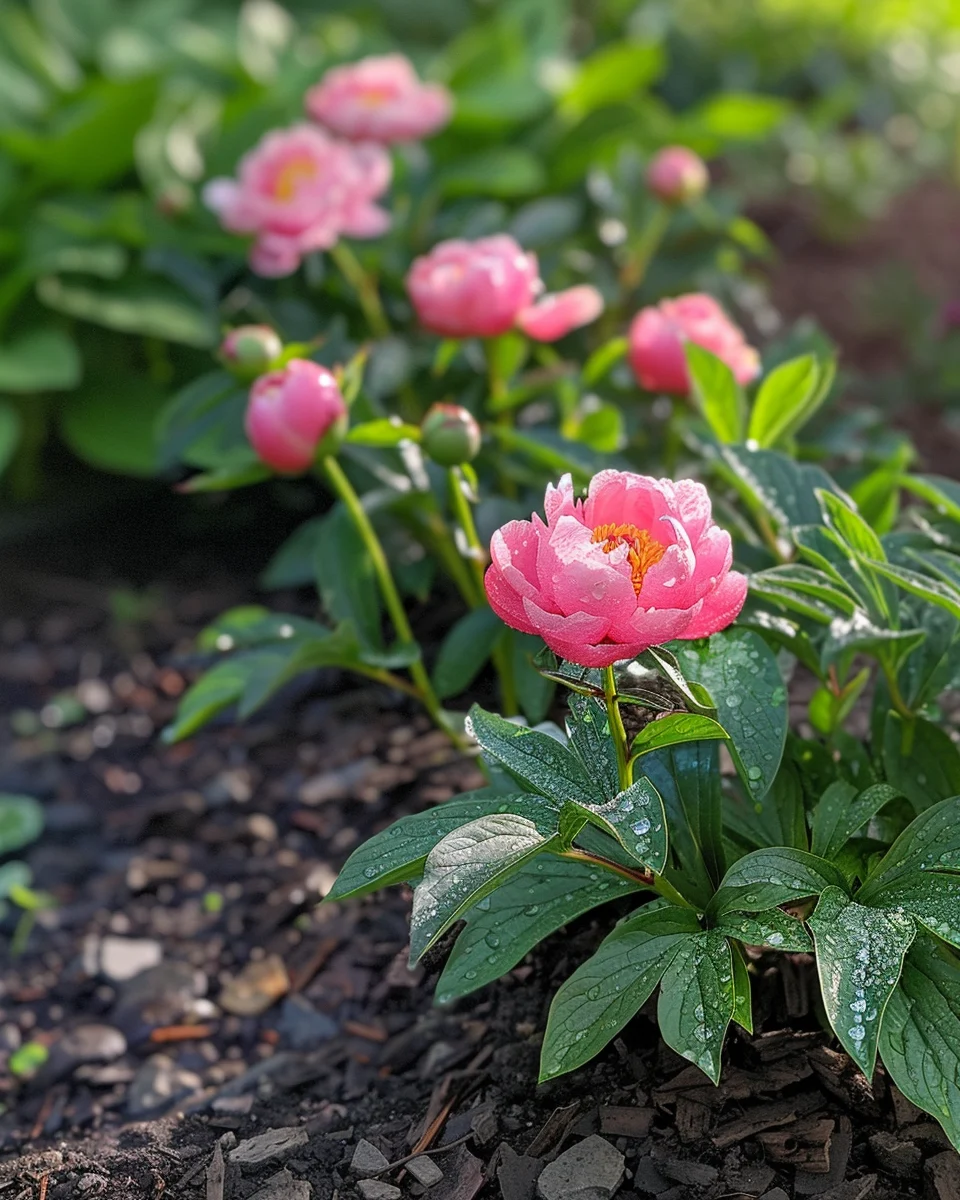
For cool-climate gardeners (zones 3-5), plant peonies from mid-September to early October. In moderate climates (zones 6-7), the optimal window extends from late September through early November. Warm-climate gardeners (zones 8-9) should aim for November to December planting. When transplanting established peonies, always do so in fall after the foliage has died back but before the ground freezes. Bare-root peonies should be planted immediately upon receipt, while container-grown specimens can be planted throughout the growing season if necessary, though fall remains ideal for best establishment and future flowering.
Best peony varieties to grow
- Sarah Bernhardt – A classic pink double peony with exceptional fragrance and reliable blooming, even in less-than-perfect conditions.
- Festiva Maxima – White with crimson flecks, this heirloom variety (1851) offers outstanding vigor and consistent flowering year after year.
- Karl Rosenfield – Vibrant red double blooms that hold their color well and stand up to rain better than many varieties.
- Bartzella – An intersectional (Itoh) peony with lemon-yellow blooms that can produce up to 80 flowers per mature plant.
- Bowl of Beauty – Japanese-type with fuchsia-pink petals surrounding a creamy center, known for excellent performance in warmer climates.
- Coral Charm – Coral-salmon semi-double flowers that gradually fade to cream, offering weeks of changing color display.
- Early Scout – Single red flowers that bloom up to two weeks before other varieties, extending your peony season.
How to plant peonies
Materials needed:
- Peony roots or potted plants
- Compost or well-rotted manure
- Bone meal or balanced fertilizer
- Garden spade
- Measuring tape
- Garden fork for soil preparation
- Watering can or hose
Step-by-step planting:
- Select a site with 6-8 hours of sunlight daily and good drainage; peonies hate wet feet.
- Dig a hole approximately 40-45 cm (16-18 inches) deep and equally wide.
- Mix the removed soil with compost and a handful of bone meal to improve fertility.
- Create a small mound in the center of the hole with the amended soil.
- Position the peony root with the “eyes” (pink or red buds) facing upward on the mound.
- Critically important: Place the eyes 3-5 cm (1-2 inches) below the soil surface—deeper planting is the most common reason for lack of blooms.
- Backfill with the amended soil, firming gently to eliminate air pockets.
- Water thoroughly to settle the soil around the roots.
- Space multiple peonies 90-120 cm (3-4 feet) apart to allow for mature size and good air circulation.
- Mark the planting spot since peonies may take time to emerge in their first spring.
How to grow peonies
Peonies require full sun (at least 6 hours daily) to produce abundant blooms. In hotter regions, light afternoon shade can be beneficial. Water newly planted peonies regularly during their first growing season, providing about 2.5 cm (1 inch) of water weekly. Established plants are relatively drought-tolerant but benefit from deep watering during extended dry periods. Apply a balanced, low-nitrogen fertilizer (like 5-10-10) in early spring as new growth emerges, and again after flowering. Avoid high-nitrogen fertilizers, which promote lush foliage at the expense of flowers. Mulch with 5-7 cm (2-3 inches) of organic material, keeping it away from the crown to prevent rot. Install support rings or stakes for varieties with heavy blooms before they reach 30 cm (12 inches) tall. For container-grown peonies, choose a large pot at least 45-60 cm (18-24 inches) deep and wide, use well-draining potting mix, and ensure the planting depth remains correct.
Caring for peonies
Remove spent flowers promptly to prevent seed formation and redirect energy to root development. Cut foliage to ground level in fall after the first hard frost when leaves have yellowed. This practice helps prevent disease carryover. Monitor for common pests like thrips and scale insects; treat with insecticidal soap if needed. Watch for botrytis blight (gray mold), which causes blackened buds and stems—remove affected parts and improve air circulation. Powdery mildew may appear in late summer but rarely affects plant health; improve air flow and avoid overhead watering. Ants on peony buds are harmless and even beneficial, helping buds open by feeding on the sweet secretions. Divide peonies only when necessary (every 10-15 years) and always in fall, as they resent disturbance and may take 2-3 years to rebloom after division.
Understanding bolting in peonies
Unlike annual vegetables, peonies don’t bolt in the traditional sense. However, they do have a natural flowering cycle that can be disrupted. Peonies require a period of winter chill (vernalization) to bloom properly. In regions with insufficient winter cold, flowering may be sparse or absent. Extreme heat during bud development can cause buds to blast (dry up and fail to open). If your peonies develop buds but they don’t open, this could be due to botrytis blight or extreme weather fluctuations. To prevent bud blast, ensure consistent watering during bud development and protect plants from late spring frosts with covers if temperatures threaten to drop below freezing after buds have formed.
Why does my peony not bloom?
- Too deep planting – Dig carefully around plant to check depth; if eyes are deeper than 5 cm (2 inches), gradually remove soil over 2-3 seasons.
- Insufficient sunlight – Relocate plants in fall to a spot with at least 6 hours of direct sun daily.
- Too young – Newly planted peonies may take 3-4 years to bloom; be patient with young plants.
- Excessive nitrogen – Switch to phosphorus-rich fertilizer (like bone meal) to encourage flowering over foliage.
- Recent transplanting – Peonies sulk after being moved and may skip blooming for 1-3 years; wait patiently.
- Late frost damage – Protect developing buds from late frosts with covers; damaged buds won’t recover but plants will bloom next year.
- Competition from trees/shrubs – Remove competing roots and ensure peonies aren’t shaded by expanding tree canopies.
Companion planting for peonies
Good companions:
- Alliums – Their late spring/early summer blooms complement peonies while repelling many pests.
- Bearded iris – Similar growing requirements and complementary bloom times create stunning combinations.
- Catmint (Nepeta) – Provides soft, long-lasting color after peonies finish blooming.
- Salvias – Offer vertical interest and extended bloom season after peonies have finished.
- Hardy geraniums – Low-growing varieties provide ground cover that suppresses weeds without competing with peonies.
Avoid planting near:
- Trees and large shrubs – Compete for nutrients and water while creating too much shade.
- Other peonies with known diseases – Botrytis can spread between closely planted specimens.
- Aggressive spreaders – Plants like mint or bamboo may overwhelm the relatively slow-growing peonies.
Seasonal calendar
- Early Spring (March-April): Apply balanced fertilizer as red shoots emerge; install support rings before growth reaches 30 cm (12 inches).
- Late Spring (May-June): Flowering period; deadhead spent blooms; watch for botrytis in wet weather.
- Summer (July-August): Maintain foliage health; provide supplemental water during drought; avoid disturbing plants.
- Fall (September-October): Ideal planting time for new peonies; divide if necessary; cut back foliage after frost.
- Winter (November-February): Dormancy period; no maintenance required; cold period necessary for spring flowering.
Problems & solutions
| Problem | Quick Fix |
|---|---|
| Ants on buds | No action needed—ants are harmless and may help buds open |
| Buds form but don’t open | Check for botrytis (gray mold); remove affected buds; improve air circulation |
| Leaves with white powdery coating | Powdery mildew—improve air flow; spray with diluted milk solution (1:9 milk:water) |
| Black spots on leaves | Fungal infection—remove affected leaves; avoid overhead watering |
| Stems flop over when flowering | Install peony support rings early in the season before plants reach 30 cm (12 inches) |
| Few or no flowers | Check planting depth; ensure adequate sunlight; apply phosphorus-rich fertilizer |
| Wilting despite adequate water | Check for root rot; improve drainage or consider relocating plant in fall |
Common questions about growing peonies
How long does it take for peonies to bloom after planting?
Newly planted peonies typically take 2-3 years to produce significant blooms. Some varieties may offer a few flowers in their second year, but full flowering usually occurs in years 3-4. Patience is essential with these long-lived perennials.
Can I grow peonies in containers?
Yes, but use large containers (at least 45-60 cm/18-24 inches deep and wide) with excellent drainage. Intersectional (Itoh) and herbaceous peonies adapt better to containers than tree peonies. Container-grown peonies need winter protection in cold climates and may require division more frequently than garden-grown plants.
Should I remove the ants from my peony buds?
No, ants are attracted to the sweet nectar on peony buds but cause no harm. Some gardeners believe they help buds open by removing the sticky outer coating. Ants will disappear once the flowers open, so there’s no need to remove them.
Why did my peony bloom well for years and then stop?
Declining blooms in established plants often result from increasing shade (check for tree growth), competition from nearby plants, gradual soil depletion, or the plant sinking deeper into the soil over time. Rejuvenate by carefully removing competing plants, fertilizing appropriately, and checking/adjusting planting depth in fall.
Can I transplant peonies in spring?
While possible, spring transplanting is stressful for peonies and will likely prevent blooming for 2-3 years. If absolutely necessary, move them with as much root system as possible and keep well-watered throughout the first season. Fall transplanting (September-October) gives the best results and quickest return to flowering.
Do peonies need to be divided?
Unlike many perennials, peonies rarely require division for health or flowering. They can thrive undisturbed for decades. Only divide if plants have become overcrowded (rare) or you want to propagate. Division should be done in fall, and plants may take 2-3 years to resume normal flowering afterward.
Why do my peony flowers last such a short time?
Peony blooms typically last 7-10 days, depending on variety and weather conditions. Hot temperatures and rain can shorten bloom time significantly. Extend the display by growing early, mid, and late-season varieties. Cut flowers last longer when harvested in bud stage (showing color but not fully open) and kept refrigerated until display.