
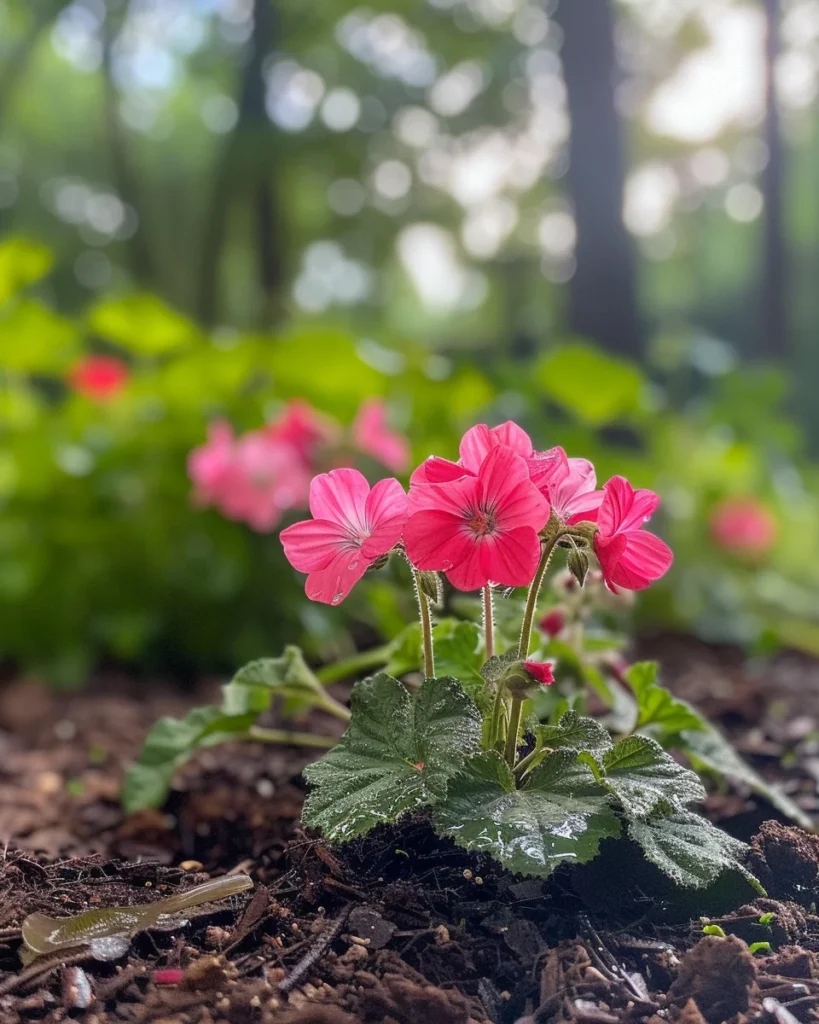
How to Keep Your Geraniums Flowering All Summer Long: Expert Care Tips for Continuous Blooms
Intro for Keeping Your Geraniums Flowering All Summer Long
Geraniums (Pelargonium) are beloved garden staples that can provide months of vibrant color when properly maintained. These versatile flowering plants thrive in beds, borders, and containers, making them perfect for patios, balconies, and garden spaces. With their distinctive rounded leaves and clusters of showy blooms in reds, pinks, whites, and purples, geraniums can be the cornerstone of your summer garden display. However, many gardeners find their geraniums stop flowering mid-season. With the right care techniques, you can encourage these hardy plants to produce continuous blooms from late spring through early autumn, maximizing their ornamental value and ensuring your garden remains colorful throughout the growing season.
When to plant geraniums
Geraniums should be planted after all danger of frost has passed and soil temperatures have warmed to at least 15°C (60°F). In most temperate regions, this falls between mid-spring and early summer. These plants are frost-sensitive, so early planting requires protection if unexpected cold snaps occur. For gardeners in USDA zones 9-10 or UK/European equivalent zones, geraniums can be planted earlier, sometimes as soon as late March. In cooler regions (zones 4-6), wait until May or even early June when nighttime temperatures consistently stay above 10°C (50°F) to ensure successful establishment.
Best time to plant geraniums
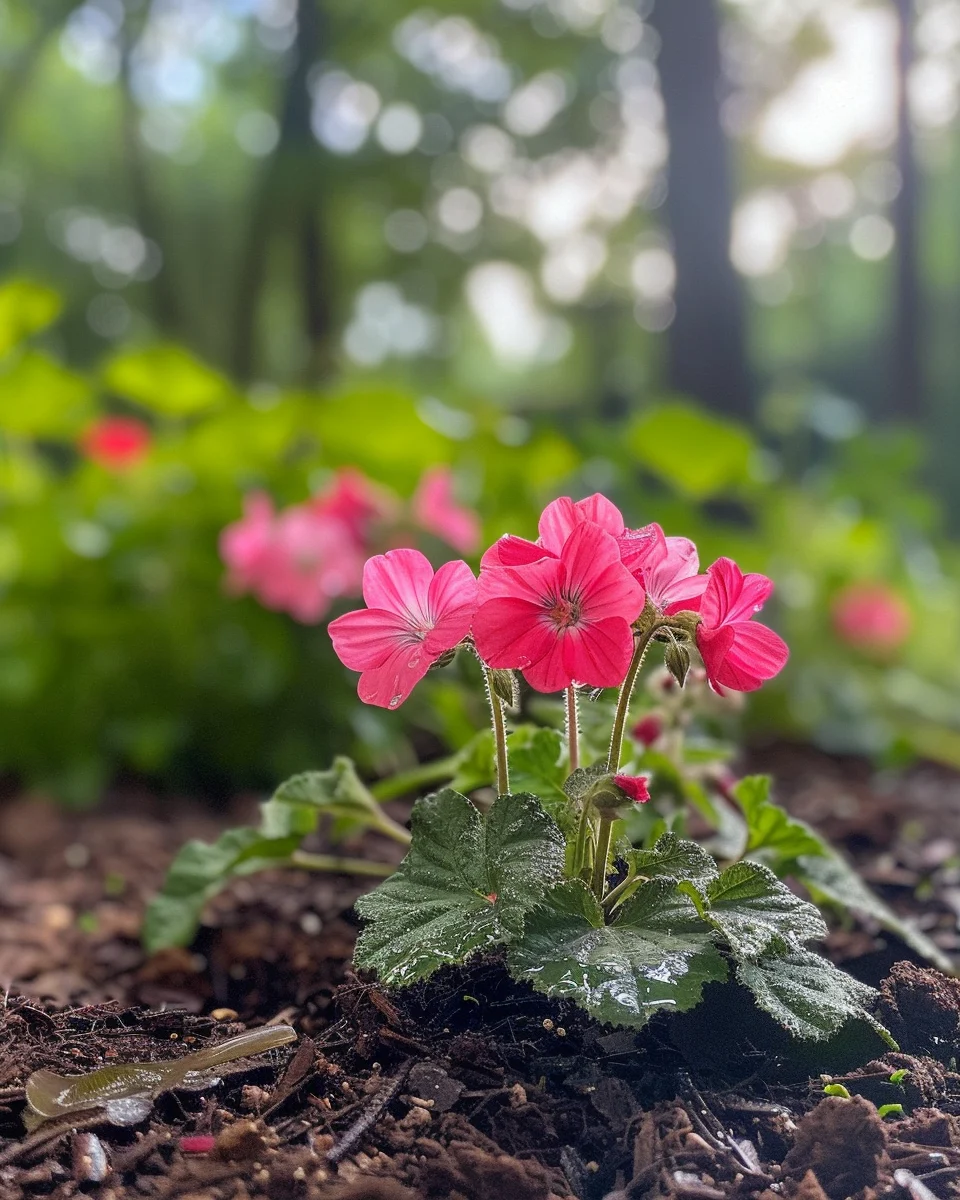
For most temperate climates, the optimal planting window for geraniums is mid-April to late May. In warm southern regions, plant in March to early April to give plants time to establish before summer heat intensifies. Northern gardeners should aim for May to early June plantings. If starting from seed indoors, sow 8-10 weeks before your last frost date. For purchased plants or cuttings, transplant outdoors 2-3 weeks after your last expected frost. Container-grown geraniums can be planted slightly earlier as they can be moved to protected locations if temperatures drop unexpectedly.
Best geranium varieties to grow
- Calliope Dark Red – Exceptional heat tolerance with large, velvety blooms that continue flowering even during hot summer periods.
- Rozanne – A hardy geranium (cranesbill) that produces lavender-blue flowers continuously from late spring until frost without deadheading.
- Americana White Splash – Features striking white flowers with pink centers, excellent for containers with superior drought resistance.
- Vancouver Centennial – Distinctive chocolate-colored foliage with bright red-orange flowers, perfect for adding dramatic contrast.
- Caliente Hot Coral – Semi-trailing habit with vibrant coral blooms, ideal for hanging baskets and window boxes.
- Big EZEE Pink – Self-cleaning variety that drops spent blooms naturally, reducing maintenance while providing continuous flowering.
- Precision Burgundy Ice – Bicolor flowers in burgundy and white that resist fading even in full sun exposure.
How to plant geraniums
Materials needed:
- Geranium plants or cuttings
- Well-draining potting mix or garden soil amended with compost
- Containers with drainage holes (if container planting)
- Slow-release fertilizer
- Garden trowel
- Watering can or hose with gentle spray attachment
- Mulch (optional)
Step-by-step planting:
- Select a planting location that receives at least 6-8 hours of direct sunlight daily.
- Prepare the soil by loosening it to a depth of 8-10 inches (20-25 cm) and mixing in compost to improve drainage.
- Dig holes twice as wide as the root ball and at the same depth as the original container.
- Space plants 12-24 inches (30-60 cm) apart depending on variety (check plant tag for specific recommendations).
- Remove plants carefully from their nursery containers, gently loosening any circling roots.
- Place each plant in its hole, ensuring the top of the root ball is level with the surrounding soil.
- Backfill with soil, firming gently around the roots to eliminate air pockets.
- Water thoroughly after planting, applying water at the base rather than on foliage.
- Apply a 2-inch (5 cm) layer of mulch around plants, keeping it away from stems to prevent rot.
How to grow geraniums
Geraniums thrive in full sun, requiring a minimum of 6 hours of direct sunlight daily for optimal flowering. In very hot climates, light afternoon shade can prevent stress. Water deeply when the top inch (2.5 cm) of soil feels dry, typically every 5-7 days in garden beds and every 2-3 days in containers during summer. Avoid overhead watering to prevent fungal diseases. Feed geraniums with a balanced, phosphorus-rich fertilizer (such as 10-10-10 or 15-15-15) every 4-6 weeks during the growing season, or use a slow-release fertilizer at planting time and again mid-season. For container-grown geraniums, use a slightly larger pot than the root ball with excellent drainage, and consider a quality potting mix specifically formulated for flowering plants. Pinch back growing tips on young plants to encourage bushiness and more flowering stems.
Caring for geraniums
The key to continuous flowering is regular deadheading—remove spent blooms by snapping off the entire flower stalk at the base. Inspect plants weekly for pests like aphids and whiteflies, which can be controlled with insecticidal soap or a strong spray of water. Watch for signs of botrytis (gray mold) appearing as grayish fuzzy growth on leaves or flowers, especially during humid periods; improve air circulation and remove affected parts immediately. Geranium rust shows as orange-brown spots on leaf undersides—treat with fungicide and remove infected leaves. During extreme heat, provide temporary shade and increase watering frequency. In fall, before first frost, you can bring potted geraniums indoors to a bright location or take cuttings for next year’s plants. Prune back leggy growth by one-third in mid-summer to rejuvenate plants and stimulate new flowering.
Understanding bolting in geraniums
Unlike edible plants, geraniums don’t technically bolt, but they can experience flowering decline that appears similar. This typically happens when plants become stressed from extreme heat, drought, or nutrient deficiencies. When geraniums experience heat stress above 30°C (86°F) for extended periods, they may temporarily slow or stop flower production to conserve energy. To prevent this summer flowering pause, provide afternoon shade in hot climates, maintain consistent moisture, and apply mulch to keep root zones cooler. If flowering declines, perform a light pruning by cutting back about one-third of the plant’s growth to stimulate new flowering stems, and follow with a fertilizer application high in phosphorus to encourage bloom production.
Why does geranium flowering decline?
- Insufficient deadheading – Spent blooms divert energy from new flower production; remove faded flowers promptly.
- Nutrient deficiency – Low phosphorus levels reduce flowering; apply a bloom-boosting fertilizer (higher middle number).
- Overwatering – Soggy soil leads to root problems and reduced flowering; ensure proper drainage and water only when needed.
- Too much shade – Insufficient sunlight results in leggy growth and fewer flowers; move to a sunnier location.
- Age/overgrowth – Older plants become woody and less productive; prune back by one-third to rejuvenate.
Companion planting for geraniums
Good companions:
- Roses – Geraniums repel Japanese beetles that attack roses, while sharing similar sun and water requirements.
- Petunias – Create complementary color displays while both benefiting from similar care routines.
- Lavender – Both plants prefer well-draining soil and moderate watering, creating a drought-tolerant pairing.
- Salvia – Attracts different pollinators, extending the ecological benefits of your garden.
- Marigolds – Help repel nematodes and other soil pests that might affect geraniums.
Avoid planting near:
- Plants requiring frequent watering – Geraniums prefer soil to dry slightly between waterings and may suffer from root rot if kept too wet.
- Tall, spreading plants – These may shade geraniums and reduce flowering.
Seasonal calendar
- March-April: Start seeds indoors (8-10 weeks before last frost); prepare outdoor beds; purchase plants.
- May: Plant outdoors after frost danger passes; apply slow-release fertilizer; pinch tips for bushiness.
- June: Begin regular deadheading; monitor for pests; water deeply during dry spells.
- July: Continue deadheading; apply second round of fertilizer; prune leggy growth.
- August: Provide afternoon shade in hot regions; increase watering if needed; check for pest issues.
- September: Reduce fertilizing; continue deadheading; take cuttings for propagation.
- October: Prepare to bring container plants indoors before frost or protect garden plants.
- November-February: Maintain indoor plants in bright locations with reduced watering.
Problems & solutions
| Problem | Quick Fix |
|---|---|
| Yellowing leaves | Check for overwatering; allow soil to dry between waterings; ensure proper drainage. |
| Few or no flowers | Increase sunlight exposure; apply phosphorus-rich fertilizer; deadhead regularly. |
| Leggy, sparse growth | Prune back by one-third; ensure adequate sunlight; pinch growing tips. |
| Black spots on leaves | Reduce overhead watering; improve air circulation; remove affected leaves; apply fungicide if severe. |
| Aphids or whiteflies | Spray with insecticidal soap or neem oil; introduce beneficial insects like ladybugs. |
| Edema (bumpy leaves) | Adjust watering schedule; avoid watering in evening; improve air circulation. |
| Frost damage | Cut back damaged portions; protect with covers during unexpected cold; move containers indoors. |
Common questions about growing geraniums
How often should I water my geraniums?
Water when the top inch (2.5 cm) of soil feels dry to the touch. In garden beds, this typically means every 5-7 days during summer, while containers may need watering every 2-3 days. Always water at the base of plants rather than overhead to prevent disease issues.
Can geraniums grow in partial shade?
Yes, geraniums can grow in partial shade, but they’ll produce fewer flowers. For optimal blooming, provide at least 6 hours of direct sunlight daily. In very hot climates (above 90°F/32°C regularly), afternoon shade can actually benefit flowering by preventing heat stress.
What size container is best for geraniums?
Use containers at least 10-12 inches (25-30 cm) in diameter for a single geranium plant. Ensure the pot has drainage holes and is 2-3 inches (5-7.5 cm) larger than the current root ball. Larger containers hold more soil, requiring less frequent watering and providing more root space.
How do I keep geraniums blooming all summer?
Regular deadheading is essential—remove spent blooms by snapping off the entire flower stalk at its base. Fertilize every 4-6 weeks with a phosphorus-rich formula, provide adequate sunlight, and prune back by one-third in mid-summer to stimulate new growth and flowers.
Can I overwinter my geraniums?
Yes, geraniums can be overwintered by bringing potted plants indoors to a bright location with temperatures above 50°F (10°C), taking cuttings to root indoors, or storing dormant plants in a cool, dark location. Reduce watering significantly during winter dormancy and resume normal care in spring.
Why are my geranium leaves turning red?
Red leaves often indicate stress, typically from cold temperatures, nutrient deficiencies (particularly phosphorus), or drought. Ensure proper watering, apply a balanced fertilizer, and protect plants from temperature extremes to resolve this issue.
How do I propagate geraniums?
Take 4-6 inch (10-15 cm) stem cuttings just below a leaf node, remove lower leaves, dip the cut end in rooting hormone (optional), and place in moist potting mix or water. Keep soil consistently moist but not soggy until roots develop in 3-4 weeks, then transplant to larger containers.