

How to Create a Wildflower Meadow: Transform Your Garden with Biodiversity and Beauty
Intro for Wildflower Meadows
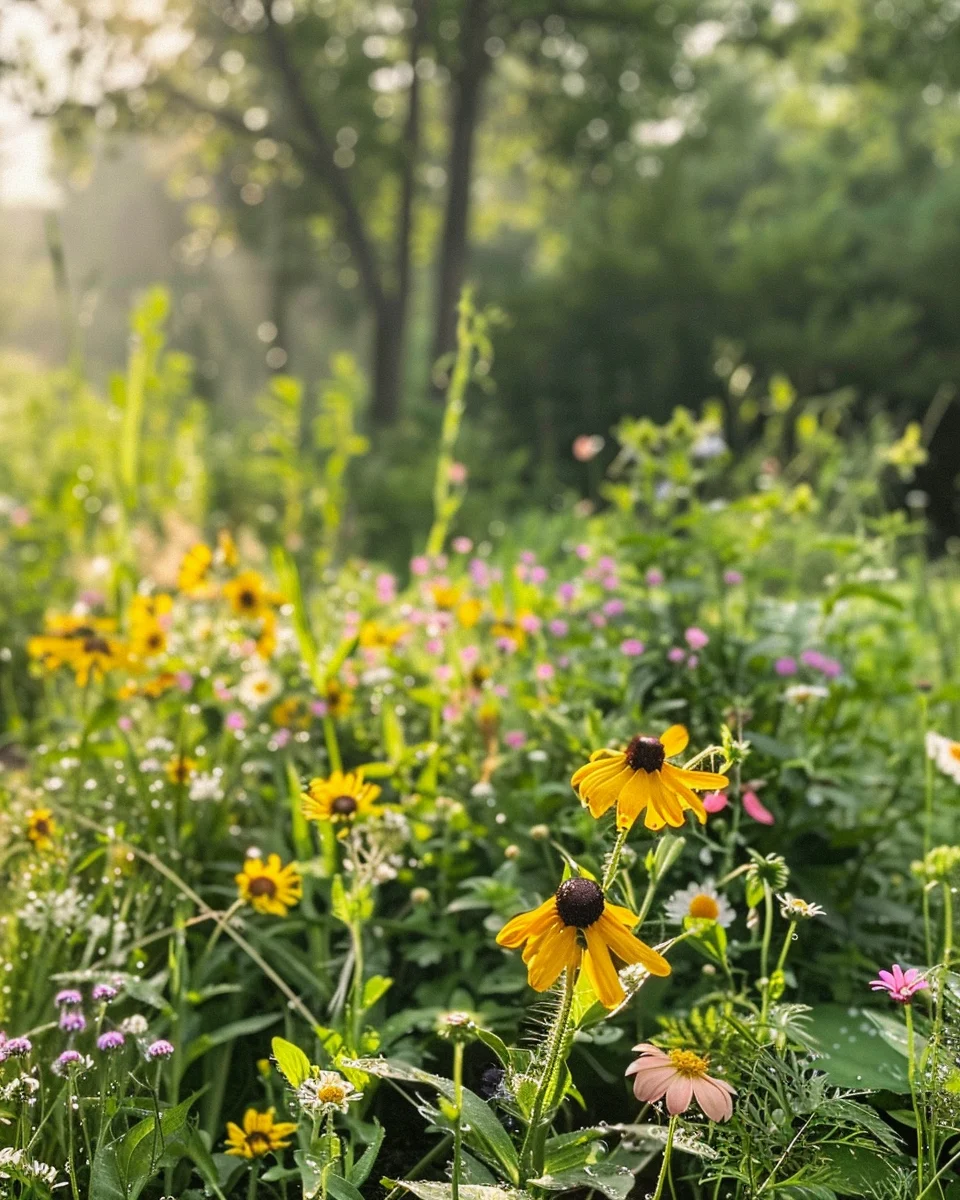
A wildflower meadow is a naturalistic planting of native flowering plants and grasses that creates a self-sustaining ecosystem in your garden. Unlike manicured lawns, wildflower meadows require minimal maintenance while delivering maximum ecological benefits. They provide essential habitat for pollinators, reduce water usage, eliminate the need for chemical fertilizers, and create stunning visual displays that change with the seasons. Wildflower meadows work in gardens of all sizes—from sprawling rural properties to small urban plots and even containers. By mimicking natural plant communities, these meadows bring authentic beauty and wildlife support to any landscape while reducing your gardening workload.
When to plant Wildflower Meadows
Wildflower meadows can be established in either spring or fall, depending on your climate. In temperate regions, fall planting (September to November) often yields better results as seeds benefit from winter stratification—the natural cold period that many native seeds require to germinate. Spring planting (March to May) works well in regions with harsh winters. Soil temperatures should be consistently above 10°C (50°F) for spring planting. For fall planting, aim to get seeds established at least 8-10 weeks before your first expected frost to allow seedlings to develop sufficient root systems.
Best time to plant Wildflower Meadows
In cool-temperate regions (UK, Northern US, Canada), the optimal planting window is mid-September to late October for fall seeding, or mid-March to early May for spring seeding. In warmer climates (Southern US, Mediterranean), plant from late October through December for fall seeding, or February to early April for spring seeding. Direct sowing is the preferred method for wildflower meadows, as many species develop deep taproots that don’t transplant well. However, some species can be started in modules and transplanted for spot-filling or creating specific design patterns.
Best Wildflower Meadow varieties to grow
• North American Prairie Mix – Contains iconic species like echinacea, rudbeckia, and native grasses for authentic prairie aesthetics and wildlife support.
• European Meadow Blend – Features cornflowers, poppies, and ox-eye daisies for a traditional European meadow appearance with extended blooming periods.
• Butterfly & Bee Mix – Specifically formulated with nectar-rich species like milkweed, joe-pye weed, and salvias to maximize pollinator attraction.
• Drought-Tolerant Mix – Includes resilient species like yarrow, California poppies, and native grasses that thrive with minimal irrigation.
• Annual Color Splash – Quick-establishing species like cosmos, sunflowers, and cornflowers for first-year impact while perennials establish.
• Shade-Tolerant Woodland Edge – Contains species like columbine, foxglove, and woodland asters that perform well in dappled light conditions.
• Mini-Meadow Container Mix – Dwarf varieties and compact species suitable for creating meadow effects in pots and small spaces.
How to plant Wildflower Meadows
Materials list:
– Wildflower seed mix appropriate for your region
– Rake and garden fork or mechanical tiller
– Sand or vermiculite for mixing with seeds
– Lawn mower (set to lowest setting)
– Cardboard or black plastic (for non-chemical site preparation)
– Watering equipment
– Optional: Yellow rattle seeds (a semi-parasitic plant that weakens grass)
Step-by-step:
1. Select your site carefully, ensuring it receives at least 6 hours of sunlight daily (though some woodland mixes tolerate partial shade).
2. Prepare the area by removing existing vegetation—either through sheet mulching with cardboard for 3-6 months, repeated mowing and raking, or careful herbicide application if necessary.
3. Once cleared, remove the top 5-10cm (2-4in) of soil if the area was previously lawn, as this removes the nutrient-rich layer and weed seed bank.
4. Work the soil to create a fine, firm seedbed by raking thoroughly and removing any large stones or debris.
5. Mix your wildflower seeds with sand or vermiculite at a 1:10 ratio to improve distribution and visibility during sowing.
6. Divide your seed mix in half, sowing the first half walking in one direction, then the second half walking perpendicular to ensure even coverage.
7. Lightly rake the area to incorporate seeds to a depth of no more than 3mm (1/8in)—many wildflower seeds need light to germinate.
8. Firm the soil by walking over the area or using a roller to ensure good seed-to-soil contact.
9. Water gently using a fine spray to avoid displacing seeds, keeping the soil consistently moist during germination.
10. Mark the area clearly to prevent accidental mowing or disturbance during the establishment phase.
How to grow Wildflower Meadows
Wildflower meadows thrive in full sun, with most species requiring at least 6 hours of direct sunlight daily. During establishment, water regularly to keep the soil moist but not waterlogged, especially during the first 4-6 weeks. Once established, meadows typically require no supplemental irrigation except during extreme drought. Avoid fertilizing your meadow—native wildflowers actually perform better in nutrient-poor soils, which helps prevent aggressive grasses from outcompeting flowering species.
Mulch is unnecessary and often counterproductive for meadows, as it prevents seeds from reaching the soil for natural reseeding. No thinning is required; the plants will naturally establish their own balance over time. For container meadows, use deep pots (at least 30cm/12in) with drainage holes and a lean growing medium like a mix of topsoil, sand, and compost at a ratio of 7:2:1. Container meadows will require more frequent watering than in-ground plantings.
Caring for Wildflower Meadows
The primary maintenance task for established meadows is annual mowing. Mow once annually in late fall or early spring, removing the cuttings to prevent nutrient buildup. Some meadow managers prefer a twice-yearly mowing schedule—once in early summer after spring flowers have set seed, and again in fall.
Common pests include aphids and slugs, which rarely require intervention in a balanced ecosystem. Allow beneficial insects like ladybugs and ground beetles to provide natural control. Fungal diseases may appear during particularly wet seasons; improve air circulation by selectively removing some plants if overcrowding occurs.
For seed collection, wait until seedheads are fully dry on the plant, then collect on a dry day by gently shaking into paper bags. Store seeds in cool, dry conditions in labeled paper envelopes for future use or sharing. Remember that meadows evolve over time—the species composition will naturally shift as some plants thrive and others decline based on your specific conditions.
Understanding bolting in Wildflower Meadows
Unlike vegetable gardens where bolting (premature flowering) is problematic, bolting is the desired state in wildflower meadows. Flowering and seed production are essential parts of the meadow lifecycle. The natural cycle includes vegetative growth followed by flowering, seed production, and senescence.
This process is triggered by day length, temperature changes, and the genetic programming of each species. To maintain diversity in your meadow, allow plants to complete their full lifecycle including seed production. If certain species become overly dominant, selective removal before seed set can help maintain balance. Remember that a meadow is meant to be dynamic—the composition will change from year to year, which is part of its natural beauty.
Why does Wildflower Meadow turn bitter?
While bitterness isn’t relevant to ornamental meadows, there are several reasons why a wildflower meadow might fail to thrive:
• Excessive soil fertility – Too much nitrogen promotes grass growth at the expense of flowers; remedy by removing clippings and avoiding fertilizers.
• Insufficient light – Most wildflowers need full sun; thin trees or relocate the meadow to a sunnier spot.
• Aggressive species dominance – Some species can take over; selectively remove before they set seed or introduce yellow rattle to suppress grasses.
• Insufficient establishment period – Meadows take 2-3 years to mature; be patient and avoid premature judgment.
• Inappropriate species selection – Using non-native or poorly adapted species; switch to regionally appropriate seed mixes.
Companion planting for Wildflower Meadows
Good companions for wildflower meadows include:
• Spring-flowering bulbs (daffodils, crocuses) – Provide early season interest before meadow plants emerge.
• Ornamental grasses – Add structure, winter interest, and habitat value when integrated thoughtfully.
• Shrub islands – Create habitat diversity and vertical structure when placed strategically within larger meadows.
• Yellow rattle (Rhinanthus minor) – Semi-parasitic on grasses, helping to reduce their vigor and create space for more flowers.
• Edge plantings of taller perennials – Create transition zones and additional habitat niches.
Avoid planting invasive non-native species that can escape into the meadow and disrupt the ecological balance. Also avoid placing meadows directly adjacent to highly maintained formal gardens without a transitional buffer, as seed dispersal may create maintenance challenges.
Seasonal calendar
• January-February: Plan meadow location and order seeds; cut back previous year’s growth if not done in fall.
• March-April: Prepare soil and sow spring meadows; perform spot-weeding in established meadows.
• May-June: Early flowers begin blooming; continue spot-weeding of problematic species; enjoy first-year annuals.
• July-August: Peak flowering period; document species performance; collect seeds of early-flowering species.
• September-October: Ideal time for fall sowing; collect seeds from late-summer bloomers; mow established meadows after seed set.
• November-December: Clear cuttings from mown areas; continue fall sowing in mild climates; evaluate the season’s performance.
In hot regions, shift spring activities earlier by 4-6 weeks; in cool regions, delay spring activities by 2-4 weeks.
Problems & solutions
Problem | Quick Fix
——–|———-
Grass domination | Introduce yellow rattle; mow more frequently in first year; reduce soil fertility
Few flowers in first year | Be patient—many perennials focus on root development first; add quick-blooming annuals for first-year color
Weedy species invasion | Hand-remove before seed set; spot-treat persistent weeds; adjust mowing timing
Patchy establishment | Overseed bare patches in spring or fall; check for soil compaction or drainage issues
Meadow looks “messy” to neighbors | Create mown edges and paths to frame the meadow; install educational signage; share cut flowers
Deer damage | Select deer-resistant species; use temporary fencing during establishment; apply repellents if necessary
Slow establishment | Ensure proper soil preparation; check seed viability; consider soil testing for pH issues
Common questions about growing Wildflower Meadows
How often should I water my new wildflower meadow?
During the first 4-6 weeks after sowing, keep the soil consistently moist but not waterlogged. Once established, wildflower meadows typically need no supplemental irrigation except during severe drought.
Can I create a wildflower meadow in partial shade?
Yes, but you’ll need to select a specialized woodland edge or shade-tolerant seed mix. These meadows typically feature fewer grasses and more spring-flowering species that bloom before tree canopies fully leaf out.
How large an area do I need for a wildflower meadow?
Wildflower meadows can be created in spaces as small as 1 square meter (10 sq ft) or as container plantings. Larger areas (50+ square meters) will support more biodiversity, but even small patches contribute valuable habitat.
How long does it take for a wildflower meadow to establish?
Expect a three-year establishment period: “sleep, creep, leap.” The first year focuses on root development with limited flowering (mostly annuals). The second year shows more diversity, while the third year typically displays the full meadow effect.
Can I walk through my wildflower meadow?
Yes, but create designated mown paths to minimize damage to plants. Occasional light foot traffic won’t harm an established meadow, but avoid heavy traffic during wet conditions or early establishment.
How do I prevent my meadow from spreading into other garden areas?
Install physical barriers like edging that extends 10-15cm (4-6in) below ground, maintain a mown buffer zone, or create a transition area with more controlled plantings between the meadow and formal garden spaces.
Do I need to reseed my wildflower meadow every year?
No. A properly established meadow will self-perpetuate through natural seeding. You may occasionally need to overseed specific areas or introduce new species, but a complete reseeding should not be necessary.