
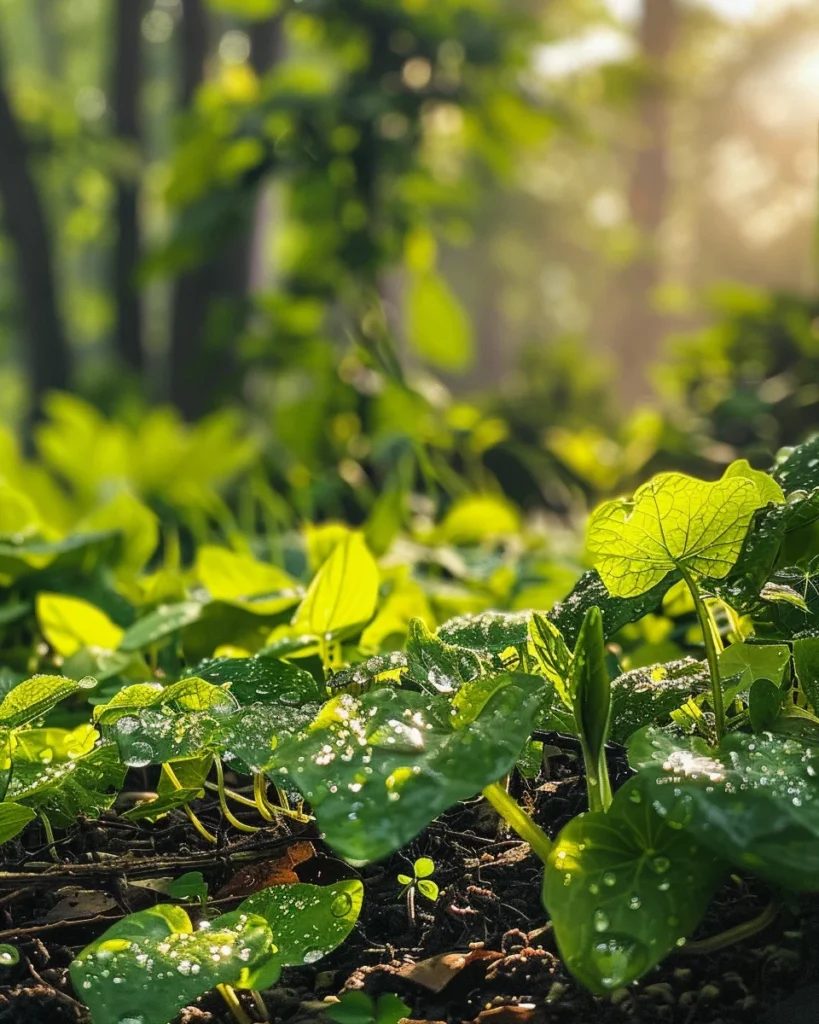
7 Common Gardening Mistakes to Avoid: What You Should Never Do in Your Garden

Intro for 7 Things You Should Never Do In Your Garden
Every gardener, whether novice or experienced, can fall prey to common gardening mistakes that hinder plant growth and garden health. Understanding what not to do is just as important as knowing proper gardening techniques. This guide highlights seven critical gardening errors to avoid, helping you create a thriving garden ecosystem rather than inadvertently sabotaging your efforts. By steering clear of these mistakes, you’ll save time, money, and frustration while creating a more productive and beautiful garden space that works with nature rather than against it.
When to avoid these gardening mistakes
These gardening mistakes should be avoided year-round, regardless of your climate zone. However, some errors become particularly problematic during specific seasons. Over-watering is especially damaging during cooler months when evaporation rates are lower. Soil compaction is most harmful in spring when wet soil is easily damaged. Chemical overuse tends to peak during the growing season (spring through fall) when pest pressure increases. Being mindful of these timing considerations can help you maintain a healthy garden throughout the changing seasons.
Best time to correct gardening practices
For cool climate regions (US Zones 3-6, UK northern regions): Early spring is ideal for correcting soil issues and establishing proper watering routines before the main growing season begins.
For warm climate regions (US Zones 7-10, Mediterranean areas): Fall and winter provide excellent opportunities to address garden mistakes, as milder temperatures allow for soil remediation and garden restructuring without stressing plants.
The transition between seasons offers the perfect window to reassess and adjust your gardening practices, regardless of your specific climate.
Best gardening practices to adopt instead
- Thoughtful Watering – Deep, infrequent watering encourages stronger root systems than frequent shallow watering.
- Soil Building – Regular compost additions improve soil structure, drainage, and nutrient content naturally.
- Integrated Pest Management – Using biological controls and resistant varieties reduces chemical dependency.
- Native Planting – Choosing regionally appropriate plants reduces maintenance and supports local ecosystems.
- Mulching – Proper mulching conserves water, suppresses weeds, and moderates soil temperature.
- Succession Planting – Staggered planting maximizes harvest periods and garden productivity.
- Crop Rotation – Changing plant locations annually prevents pest buildup and nutrient depletion.
How to avoid these common gardening mistakes
Materials needed:
- Soil testing kit
- Organic compost
- Appropriate mulch materials
- Drip irrigation or soaker hoses
- Garden journal for record-keeping
- Plant identification guide
- Garden plan or layout
Steps to avoid common mistakes:
- Test your soil before amending it blindly – understand what it actually needs.
- Research plants before purchasing to ensure they suit your climate and garden conditions.
- Create a garden plan that accounts for proper spacing and companion planting.
- Install efficient irrigation systems rather than relying on sprinklers or hand watering.
- Establish a regular observation routine to catch problems early.
- Start a garden journal to track successes, failures, and seasonal patterns.
- Build soil health gradually with organic matter rather than quick chemical fixes.
- Learn proper pruning techniques specific to each plant type in your garden.
How to grow a healthy garden by avoiding these mistakes
The first mistake to avoid is improper watering. Instead of frequent shallow watering, water deeply but less often (typically 1-2 times per week depending on climate), delivering 2.5-5 cm (1-2 inches) each time. This encourages deeper root growth.
The second critical error is neglecting soil health. Rather than relying on synthetic fertilizers, incorporate 5-7.5 cm (2-3 inches) of compost annually and consider cover crops during off-seasons to build soil naturally.
Third, avoid overcrowding plants. Follow spacing guidelines on seed packets or plant labels – what looks sparse initially will fill in properly as plants mature. For vegetables, this typically means 30-45 cm (12-18 inches) for medium plants and 60-90 cm (24-36 inches) for larger varieties.
Fourth, never ignore plant selection for your specific conditions. Choose plants suited to your sunlight levels, soil type, and climate zone rather than forcing unsuitable varieties to grow.
Caring for your garden correctly
Avoid the fifth common mistake: reactive pest management. Instead of reaching for chemicals at the first sign of damage, monitor regularly for early detection and use integrated approaches: encourage beneficial insects, practice crop rotation, and use physical barriers like row covers when needed.
Never work wet soil – this causes compaction that can last for years. Wait until soil crumbles easily when squeezed (rather than forming a sticky ball) before digging or planting.
Avoid improper mulching techniques. Keep mulch 5-7.5 cm (2-3 inches) away from plant stems and tree trunks to prevent rot and pest problems. Apply mulch at a depth of 5-10 cm (2-4 inches) depending on the material.
For disease prevention, avoid overhead watering which promotes fungal issues. Water at the soil level in the morning so foliage can dry during the day.
Understanding the impact of over-fertilization
Over-fertilization is one of the most damaging gardening mistakes. It occurs when gardeners apply more nutrients than plants can use, often believing that “more is better.” The excess fertilizer disrupts soil biology, can burn plant roots, and creates weak, leggy growth susceptible to pests and diseases.
This problem is triggered by applying fertilizers without soil testing, using incorrect formulations, or not following package directions. Synthetic fertilizers are particularly problematic as they release nutrients quickly.
To prevent over-fertilization, start with a soil test, use slow-release organic fertilizers, and follow the “less is more” principle. If over-fertilization has occurred, flush the soil with water and hold off on additional feeding until plants recover.
Why does improper pruning damage plants?
- Timing errors – Pruning spring-flowering shrubs after bud formation removes next year’s flowers
- Technique problems – Leaving stubs rather than cutting at branch collars prevents proper healing
- Over-pruning – Removing more than 1/3 of the plant at once causes stress and weak growth
- Tool issues – Using dull or dirty tools creates ragged cuts that invite disease
- Lack of knowledge – Different plants require different pruning approaches (heading vs. thinning cuts)
Companion planting for garden success
Good companion strategies:
- Tall + Short Plants – Corn providing shade for lettuce in summer heat
- Pest Repellent Combinations – Marigolds deterring nematodes from tomatoes
- Nitrogen Fixers + Heavy Feeders – Beans enriching soil for adjacent brassicas
- Trap Crops – Nasturtiums attracting aphids away from main crops
- Pollinator Attractors – Herbs flowering among vegetables to increase pollination
Combinations to avoid:
- Allelopathic plants (black walnut, sunflowers) near sensitive species
- Plants competing for the same nutrients in close proximity
- Disease-susceptible plants from the same family grouped together
Seasonal calendar
Spring:
- Avoid working wet soil
- Don’t rush to plant heat-lovers before soil warms
- Resist over-fertilizing new plantings
Summer:
- Don’t neglect consistent watering during dry periods
- Avoid overhead watering during humid conditions
- Don’t ignore early signs of pest problems
Fall:
- Don’t remove all fallen leaves – they provide winter habitat
- Avoid late fertilization of perennials
- Don’t skip soil building before winter
Winter:
- Don’t prune spring-flowering shrubs
- Avoid compacting snow on garden beds
- Don’t neglect winter watering during dry spells
Problems & solutions
| Problem | Quick Fix |
|---|---|
| Compacted soil | Add organic matter and use cover crops; avoid walking on beds |
| Overwatered plants | Allow soil to dry completely before next watering; improve drainage |
| Chemical damage | Flush soil with water; add activated charcoal; replace severely affected soil |
| Improper pruning cuts | Clean cuts properly; avoid sealants; let plant heal naturally |
| Nutrient imbalance | Test soil; correct specific deficiencies; use balanced organic amendments |
| Overcrowded plants | Thin seedlings; divide perennials; follow spacing guidelines |
| Invasive species introduction | Remove immediately; monitor area; replace with native alternatives |
Common questions about growing a healthy garden
How often should I water my garden?
Water deeply but infrequently – typically once or twice weekly depending on your climate, soil type, and rainfall. Most plants prefer soil that dries slightly between waterings rather than staying constantly moist.
Is it better to use organic or synthetic fertilizers?
Organic fertilizers build soil health over time and release nutrients gradually, reducing the risk of burning plants or causing nutrient runoff. Synthetic fertilizers work faster but don’t improve soil structure and can harm soil biology when overused.
How much sun do most vegetables need?
Most vegetables require 6-8 hours of direct sunlight daily. Leafy greens can tolerate partial shade (4-6 hours), while fruiting vegetables like tomatoes and peppers need full sun (8+ hours) for optimal production.
Can I plant the same vegetables in the same spot every year?
This is a common mistake to avoid. Rotate crops annually to prevent pest and disease buildup and nutrient depletion. Wait 3-4 years before planting the same family of vegetables in a particular location.
How do I know if I’m over-fertilizing my plants?
Signs include excessive leafy growth with few flowers/fruits, leaf burn (brown edges), wilting despite adequate water, crusty white fertilizer buildup on soil, and algae growth on surrounding surfaces. When in doubt, use less fertilizer than recommended.
Should I remove all insects from my garden?
No – this is a common gardening mistake. Only about 3% of insects are harmful to gardens. Beneficial insects like ladybugs, lacewings, and bees are essential for pollination and natural pest control. Focus on managing problematic pests rather than eliminating all insects.
How do I know when to harvest my vegetables?
Harvest timing varies by crop. Generally, leafy greens can be picked when leaves are full-sized but still tender. Root vegetables are ready when they reach appropriate size but before they become woody. Fruiting vegetables should be harvested according to their specific indicators of ripeness (color, firmness, etc.).