
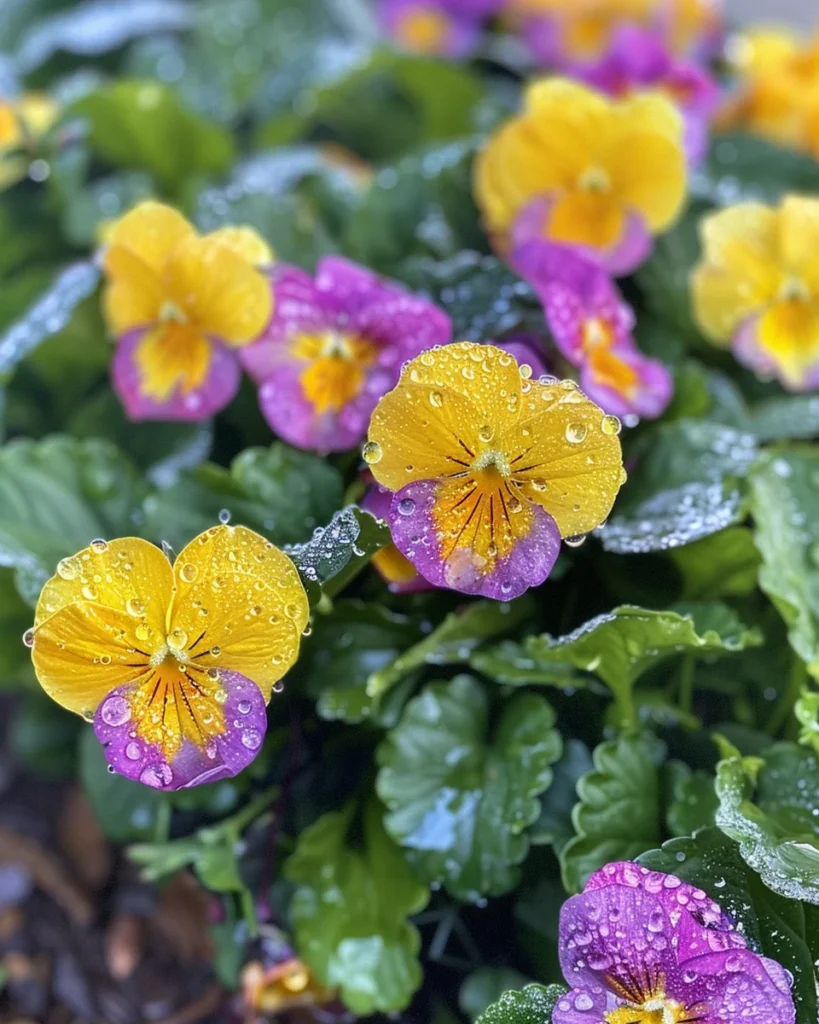
How to Grow 7 Flower Varieties That Practically Water Themselves: Drought-Tolerant Beauties for Low-Maintenance Gardens
Intro for 7 Flower Varieties That Practically Water Themselves
In an era of unpredictable weather patterns and increasing water conservation efforts, drought-tolerant flowers are becoming essential additions to modern gardens. These resilient bloomers have adapted to thrive with minimal watering, making them perfect for busy gardeners or those living in water-restricted areas. Beyond their practical benefits, these low-maintenance flowers offer stunning colors, textures, and forms that can enhance any landscape. Whether you’re dealing with sandy soil, hot summers, or simply want to reduce your garden’s water consumption, these seven flower varieties will provide beauty without demanding constant attention to their hydration needs.
When to plant 7 Flower Varieties That Practically Water Themselves
Most drought-tolerant flowers should be planted after the danger of frost has passed and soil temperatures have warmed to at least 15-18°C (60-65°F). In temperate regions, this typically falls between mid-spring and early summer. Many of these resilient varieties can also be planted in early fall (6-8 weeks before first frost) in zones 7-10, allowing their root systems to establish before winter dormancy. For Mediterranean climates, fall planting is often ideal as it allows plants to establish during the rainy season before summer drought conditions arrive.
Best time to plant 7 Flower Varieties That Practically Water Themselves
In cool temperate regions (UK, Northern US, zones 4-6), plant drought-tolerant perennials and annuals from mid-April through May when soil has warmed and spring rains help with establishment. In warmer regions (Southern US, zones 7-10), you can plant from March through May or during September and October. For container planting, timing is more flexible, but avoid the height of summer heat when transplanting. Direct sowing of drought-tolerant annuals like cosmos and zinnias should occur after soil temperatures reach 18°C (65°F), while lavender and other woody perennials establish best from transplants set out in spring or fall.
Best 7 Flower Varieties That Practically Water Themselves varieties to grow
- Lavender (Lavandula) – Offers fragrant foliage, beautiful purple blooms, and exceptional drought tolerance once established; ‘Hidcote’ and ‘Munstead’ varieties are particularly resilient.
- Sedum (Stonecrop) – Features succulent foliage that stores water, with ‘Autumn Joy’ providing spectacular late-season color that attracts pollinators.
- Russian Sage (Perovskia atriplicifolia) – Creates airy clouds of lavender-blue flowers on silvery stems that thrive in hot, dry conditions and poor soil.
- Coneflower (Echinacea) – Native prairie flower with daisy-like blooms that withstand drought while attracting butterflies; ‘Magnus’ and ‘PowWow Wild Berry’ are standout performers.
- Yarrow (Achillea millefolium) – Produces flat-topped flower clusters in various colors that thrive in dry conditions and make excellent cut flowers.
- Cosmos (Cosmos bipinnatus) – Annual with feathery foliage and daisy-like blooms that self-sows readily and thrives in poor soil with minimal water.
- Blanket Flower (Gaillardia) – Offers cheerful red and yellow blooms throughout summer, with ‘Arizona Sun’ providing exceptional heat and drought resistance.
How to plant 7 Flower Varieties That Practically Water Themselves
Materials needed:
- Drought-tolerant flower seeds or transplants
- Compost or well-rotted manure
- Coarse sand (for heavy soils)
- Mulch (gravel, wood chips, or straw)
- Watering can or hose with gentle spray attachment
- Garden fork or tiller
- Trowel
Step-by-step planting:
- Select a site with well-draining soil and appropriate sunlight (most drought-tolerant varieties prefer full sun).
- Prepare the soil by removing weeds and breaking up compacted areas with a garden fork.
- For heavy clay soils, incorporate coarse sand to improve drainage; for sandy soils, add compost to improve water retention.
- Dig planting holes twice as wide as the root ball but at the same depth as the container.
- Space plants according to mature size requirements (typically 30-60 cm/12-24 inches apart for perennials like lavender and Russian sage; 15-30 cm/6-12 inches for smaller varieties).
- Remove plants from containers, gently loosen bound roots, and place in holes at the same depth they were growing previously.
- Backfill with soil, firming gently around the roots to eliminate air pockets.
- Water thoroughly after planting to settle the soil (even drought-tolerant plants need water to establish).
- Apply a 5-7 cm (2-3 inch) layer of mulch around plants, keeping it away from stems to prevent rot.
- For seeds, sow at the depth recommended on the packet, typically 3-6 mm (⅛-¼ inch) deep for most drought-tolerant annuals.
How to grow 7 Flower Varieties That Practically Water Themselves
Most drought-tolerant flowers require full sun, meaning at least 6-8 hours of direct sunlight daily. While establishing (first 4-6 weeks), water deeply once or twice weekly depending on rainfall and temperature. Once established, most varieties need watering only during extended dry periods (2+ weeks without rain). Apply a balanced, slow-release fertilizer in spring, but avoid over-fertilizing as this can reduce drought tolerance and create excessive foliage growth. Mulch with gravel, crushed stone, or wood chips to retain soil moisture and suppress weeds. Deadhead spent blooms to encourage continued flowering, especially for cosmos and coneflowers. When growing in containers, use terracotta pots with drainage holes and a soil mix containing 30% coarse sand or perlite to ensure excellent drainage. Container plants will require more frequent watering than those in the ground, but still far less than traditional flowering plants.
Caring for 7 Flower Varieties That Practically Water Themselves
Ongoing maintenance for drought-tolerant flowers is minimal. Prune woody varieties like lavender and Russian sage in early spring to maintain shape and encourage bushier growth. Watch for powdery mildew during humid periods, treating with a neem oil spray at first signs of white powdery spots on foliage. Aphids occasionally target new growth; control with a strong water spray or insecticidal soap. Root rot can occur in poorly drained soils; prevent by ensuring proper drainage and avoiding overwatering. Divide perennial varieties like sedum and yarrow every 3-4 years in spring to maintain vigor. Harvest lavender just as flowers begin to open for maximum fragrance, cutting stems in the morning after dew has dried. Most drought-tolerant flowers make excellent dried specimens; hang bunches upside down in a dark, dry location for 2-3 weeks to preserve.
Understanding bolting in 7 Flower Varieties That Practically Water Themselves
Bolting refers to the premature production of flowering stems, which is actually desirable in ornamental drought-tolerant plants but can be problematic in edible varieties. Unlike vegetables, most drought-tolerant flowers are meant to bolt and produce blooms. However, some varieties like lavender may produce fewer flowers if stressed by extreme heat or drought. To encourage optimal flowering, provide occasional deep watering during extended dry periods exceeding 2-3 weeks. If plants appear stressed with yellowing lower leaves, a deep, slow watering at the base can revive them. For cosmos and other annuals, regular deadheading prevents seed formation and encourages continued blooming throughout the season.
Why does 7 Flower Varieties That Practically Water Themselves turn bitter?
While bitterness isn’t typically an issue with ornamental flowers, some problems can affect the appearance and performance of drought-tolerant varieties:
- Yellowing foliage – Usually indicates overwatering; reduce frequency and ensure good drainage.
- Sparse flowering – Often caused by insufficient sunlight; ensure plants receive 6+ hours of direct sun daily.
- Leggy growth – Results from insufficient light or overcrowding; prune back and ensure proper spacing.
- Brown leaf edges – May indicate salt buildup from hard water or fertilizer; flush soil with clean water occasionally.
- Stunted growth – Can result from compacted soil; improve soil structure with organic matter and avoid walking on planting beds.
Companion planting for 7 Flower Varieties That Practically Water Themselves
Good companions include:
- Ornamental grasses – Complement drought-tolerant flowers with similar water needs while adding textural contrast.
- Mediterranean herbs (rosemary, thyme, sage) – Share similar growing requirements and enhance the garden with fragrance.
- Succulents – Pair beautifully with drought-tolerant flowers in rock gardens and require minimal watering.
- Native wildflowers – Adapted to local conditions and attract beneficial insects that help control pests.
- Artemisia – Silver foliage complements colorful drought-tolerant blooms while deterring many garden pests.
Avoid planting near:
- Moisture-loving plants (astilbe, hostas, impatiens) – Conflicting water requirements will stress one or both plant types.
- Aggressive spreaders (mint, certain groundcovers) – May overwhelm slower-growing drought-tolerant specimens.
- Heavy feeders (roses, dahlias) – Compete for nutrients and typically require more water and care.
Seasonal calendar
- Early Spring (March-April): Prune woody perennials like lavender and Russian sage; divide overgrown sedums and yarrow; apply slow-release fertilizer.
- Late Spring (May): Plant or transplant all drought-tolerant varieties; direct sow cosmos and other annuals; apply mulch.
- Summer (June-August): Deadhead regularly; provide occasional deep watering during extended dry periods; harvest lavender flowers.
- Fall (September-October): Plant container-grown perennials in warm regions; collect seeds from annuals; cut back spent perennial foliage.
- Winter (November-February): Leave seed heads for winter interest and bird food; plan next season’s drought-tolerant garden.
Problems & solutions
| Problem | Quick Fix |
|---|---|
| Leggy, sparse growth | Ensure plants receive 6+ hours of direct sunlight; prune back by one-third to encourage bushier growth. |
| Few or no flowers | Check sunlight exposure; apply phosphorus-rich fertilizer (low nitrogen); deadhead regularly. |
| Powdery mildew on foliage | Improve air circulation by thinning plants; spray with diluted milk solution (1 part milk to 9 parts water) or neem oil. |
| Aphids on new growth | Spray with strong water jet; apply insecticidal soap; introduce ladybugs as natural predators. |
| Root rot/wilting despite dry soil | Improve drainage with coarse sand or perlite; reduce watering frequency; consider relocating plants to raised beds. |
| Winter dieback in perennials | Leave foliage intact until spring in cold regions; apply light mulch around crown; select varieties suited to your hardiness zone. |
| Spreading too aggressively | Install root barriers; divide plants in spring; deadhead before seed dispersal for self-sowers like cosmos. |
Common questions about growing 7 Flower Varieties That Practically Water Themselves
Q: How often should I water these drought-tolerant flowers?
A: After establishment (4-6 weeks), most varieties need watering only when soil is dry 2-3 inches (5-7 cm) deep, typically every 2-3 weeks in the absence of rain. Container plants require more frequent watering, approximately once weekly.
Q: Can these flowers grow in partial shade?
A: While most drought-tolerant flowers prefer full sun, sedum, coneflower, and some yarrow varieties can tolerate 4-5 hours of direct sun with dappled shade. However, flowering may be reduced in less sunny locations.
Q: What size containers work best for drought-tolerant flowers?
A: Use containers at least 12 inches (30 cm) deep and wide for perennials like lavender and Russian sage. Annual varieties like cosmos can thrive in containers 8-10 inches (20-25 cm) deep. Terracotta pots are ideal as they allow soil to dry between waterings.
Q: How far apart should I space these plants?
A: Spacing varies by variety: larger perennials like Russian sage need 24-36 inches (60-90 cm) between plants; medium-sized varieties like lavender and coneflower require 18-24 inches (45-60 cm); smaller plants like some sedums can be spaced 12-15 inches (30-38 cm) apart.
Q: Can these flowers survive freezing temperatures?
A: Hardiness varies by species: lavender typically survives to zone 5 (-20°F/-29°C); sedum and coneflower to zone 4 (-30°F/-34°C); Russian sage to zone 5; yarrow to zone 3 (-40°F/-40°C). Annual varieties like cosmos must be replanted each year in regions with freezing winters.
Q: How do I extend the flowering period of these plants?
A: Regular deadheading (removing spent blooms) encourages continued flowering, especially for cosmos, coneflower, and blanket flower. Providing a deep watering during extended dry periods can also prolong blooming. Selecting a mix of early, mid, and late-season varieties ensures continuous color throughout the growing season.
Q: Can I grow these flowers from seed?
A: Cosmos, blanket flower, and some coneflower varieties grow easily from direct-sown seed. Perennials like lavender, Russian sage, and some sedum varieties are best started from purchased plants or cuttings, as they can be slow and sometimes difficult to germinate from seed.