
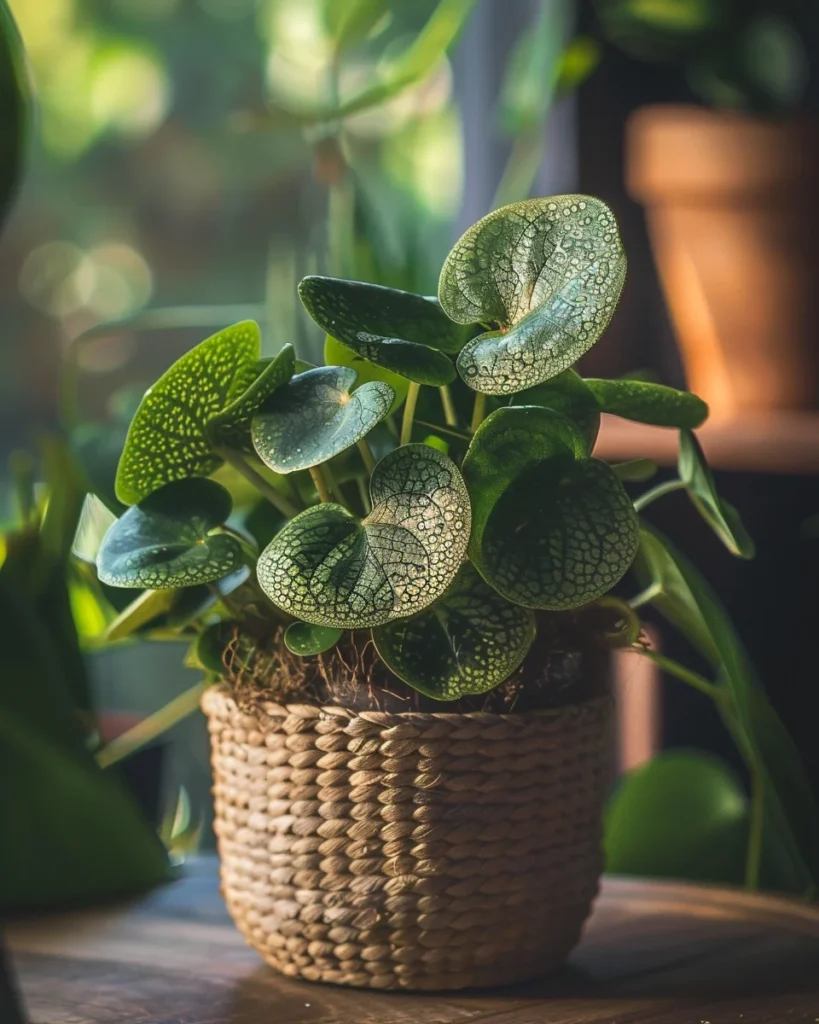
How to Grow 5 Indoor Plants You Can’t Kill Even If You Forget Them: Best Varieties, Care & Maintenance
Intro for 5 Indoor Plants You Can’t Kill Even If You Forget Them
Indoor plants bring life, color, and improved air quality to our homes, but not everyone has a natural green thumb. If you’ve struggled to keep houseplants alive or simply have a busy lifestyle that makes consistent plant care challenging, there’s good news. Several resilient houseplants thrive despite irregular watering, fluctuating light conditions, and general neglect. These low-maintenance champions are perfect for beginners, frequent travelers, or anyone who occasionally forgets their leafy companions. With minimal effort, these hardy varieties can flourish for years, bringing the benefits of nature indoors without the stress of intensive care routines.
When to plant 5 Indoor Plants You Can’t Kill Even If You Forget Them
One of the greatest advantages of these resilient indoor plants is that they can be purchased and established year-round in most temperate regions. However, the ideal planting time is during spring and early summer (March through June) when natural growth cycles are at their peak. This gives plants time to establish before the lower light conditions of winter. Unlike outdoor gardening, you don’t need to worry about frost dates or soil temperature, though keeping room temperatures between 15-24°C (60-75°F) during the establishment period helps plants adjust to their new environment with minimal stress.
Best time to plant 5 Indoor Plants You Can’t Kill Even If You Forget Them
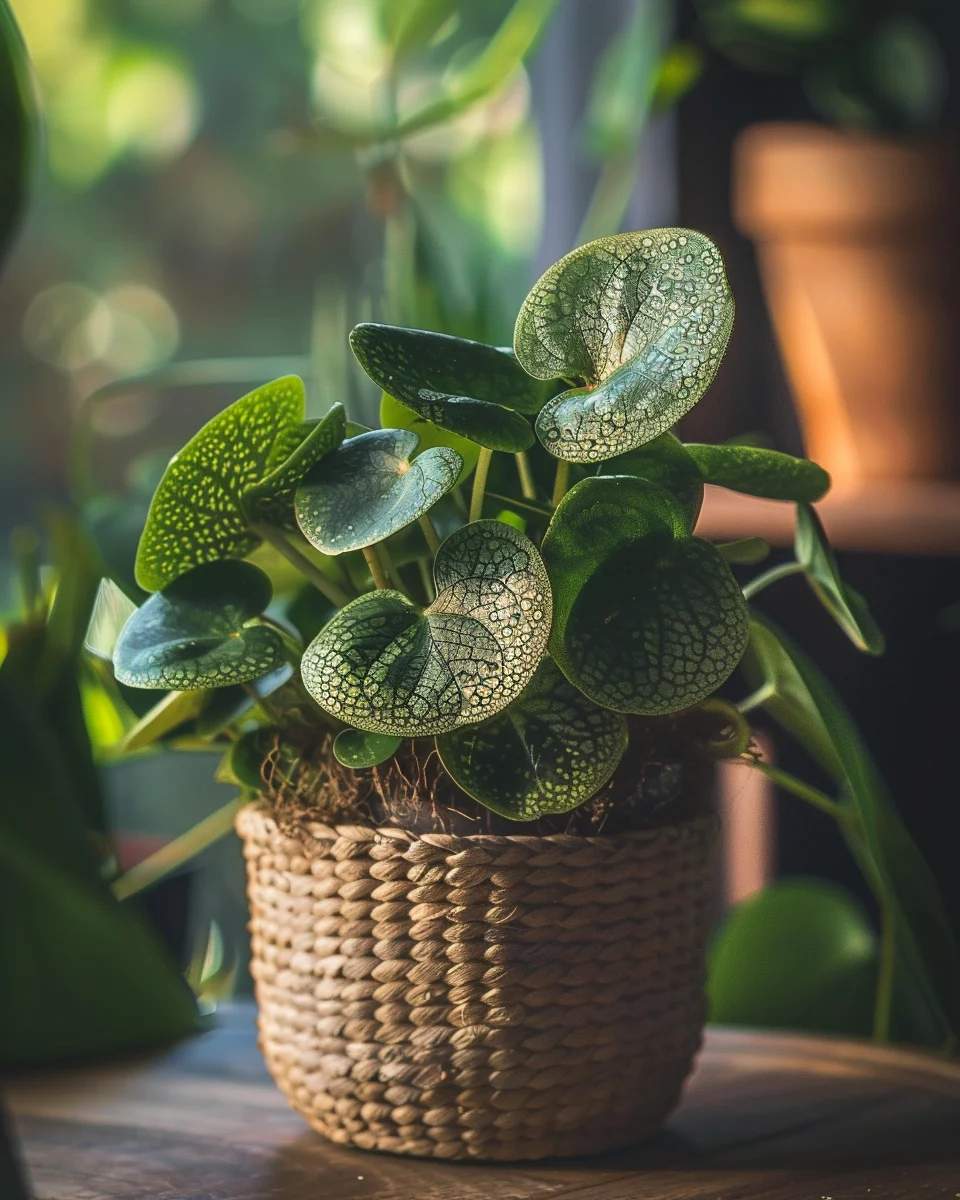
In cooler climate regions (UK, Northern US, Canada), the optimal window for bringing home new houseplants is April through August when increased natural light helps new plants establish more quickly. In warmer regions (Southern US, Mediterranean), you can successfully establish these plants any time, though avoiding the extreme heat of July-August may reduce transplant shock. Most of these resilient plants are purchased as established specimens rather than grown from seed, making the transition to your home environment straightforward regardless of season. If ordering plants online, spring and fall offer moderate temperatures that reduce shipping stress.
Best 5 Indoor Plants You Can’t Kill Even If You Forget Them varieties to grow
- Snake Plant (Sansevieria) – Exceptionally drought-tolerant with striking upright leaves that purify air and thrive in almost any light condition from low to bright indirect.
- ZZ Plant (Zamioculcas zamiifolia) – Features glossy, dark green leaves with water-storing rhizomes that allow it to survive months without watering while tolerating low light environments.
- Pothos (Epipremnum aureum) – Fast-growing trailing vine available in various variegations that thrives in diverse light conditions and can go weeks between waterings.
- Spider Plant (Chlorophytum comosum) – Produces arching variegated leaves and baby “spiderettes” while tolerating irregular watering and a wide range of light conditions.
- Cast Iron Plant (Aspidistra elatior) – Lives up to its name with nearly indestructible dark green leaves that withstand neglect, low light, and temperature fluctuations.
How to plant 5 Indoor Plants You Can’t Kill Even If You Forget Them
Materials needed:
- Healthy plant specimens
- Well-draining potting mix (cactus/succulent mix works well for most)
- Containers with drainage holes
- Small rocks or pottery shards for drainage
- Watering can
- Scissors or pruning shears
Step-by-step planting:
- Select a container 1-2 inches (2.5-5 cm) larger than the plant’s nursery pot with adequate drainage holes.
- Place a layer of small rocks or pottery shards at the bottom of the container to improve drainage.
- Fill the container about one-third full with well-draining potting mix.
- Gently remove the plant from its nursery container, loosening the roots slightly if they’re tightly bound.
- Position the plant in the new container so the top of the root ball sits about 1 inch (2.5 cm) below the pot rim.
- Add potting mix around the sides, gently pressing to eliminate air pockets without compacting too firmly.
- Water thoroughly until water drains from the bottom, then allow the pot to drain completely.
- Place in an appropriate light location based on the specific plant’s requirements (most tolerate medium indirect light).
- Wait at least a week before fertilizing to allow the plant to adjust to its new home.
How to grow 5 Indoor Plants You Can’t Kill Even If You Forget Them
These resilient plants thrive with minimal care. Most prefer bright indirect light but tolerate low light conditions, making them versatile for various home environments. For watering, the “less is more” approach works best—allow soil to dry completely between waterings, which might mean once every 2-4 weeks depending on your home’s humidity and temperature. During active growth (spring and summer), fertilize lightly every 2-3 months with a balanced houseplant fertilizer at half the recommended strength.
For container growing, these plants prefer to be slightly root-bound, so repotting is only necessary every 2-3 years. When growing in containers, ensure good drainage and avoid decorative pots without drainage holes unless using them as cache pots with proper draining containers inside. None of these plants require regular pruning, though removing yellowed or damaged leaves improves appearance. For trailing varieties like Pothos, occasional trimming promotes bushier growth.
Caring for 5 Indoor Plants You Can’t Kill Even If You Forget Them
The primary ongoing task for these hardy plants is simply observing them occasionally for signs of stress. Dust leaves monthly with a damp cloth to keep them photosynthesizing efficiently and looking their best. The most common pests include mealybugs (appearing as white cotton-like spots) and spider mites (causing fine webbing and stippled leaves), both easily treated with insecticidal soap or neem oil spray.
Root rot from overwatering is the most common disease, presenting as yellowing leaves and a foul smell from the soil. The remedy is simple: reduce watering frequency and ensure proper drainage. For organic pest control, a solution of 1 tablespoon neem oil and a few drops of mild dish soap in 1 liter of water works effectively when sprayed bi-weekly until pests disappear.
These plants don’t require harvesting in the traditional sense, though Spider Plants produce “babies” that can be harvested and propagated when they reach about 2 inches (5 cm) in size. Most of these varieties can be propagated through stem cuttings or division to expand your collection or share with friends.
Understanding bolting in 5 Indoor Plants You Can’t Kill Even If You Forget Them
Unlike edible garden plants, these indoor ornamental plants don’t bolt in the traditional sense of producing flowers and seeds prematurely. However, they do respond to stress in various ways. Extended periods of improper light (too much direct sun or too little light) can cause leggy growth as plants stretch toward light sources. Extreme temperature fluctuations may trigger survival responses like leaf drop or dormancy.
To prevent stress responses, maintain relatively consistent conditions and avoid placing plants near heating vents, air conditioners, or drafty windows. If a plant does show signs of stress like yellowing leaves or stunted growth, assess its environment for changes in light, temperature, or humidity, and adjust accordingly. Most of these resilient plants will recover quickly once conditions improve.
Why does 5 Indoor Plants You Can’t Kill Even If You Forget Them turn bitter?
While bitterness isn’t relevant to ornamental houseplants as it would be for edibles, these resilient plants can develop issues that affect their appearance and health:
- Yellowing leaves – Usually indicates overwatering; allow soil to dry completely between waterings.
- Brown leaf tips – Often caused by low humidity; increase humidity with a pebble tray or occasional misting.
- Pale, washed-out foliage – Typically signals too much direct sunlight; move to a location with bright indirect light.
- Stunted growth – May indicate root-bound conditions or nutrient deficiency; repot or apply diluted fertilizer.
- Drooping despite moist soil – Potential root rot; check roots and repot in fresh soil if necessary.
Companion planting for 5 Indoor Plants You Can’t Kill Even If You Forget Them
While companion planting is less critical for indoor plants than garden vegetables, certain groupings can enhance aesthetics and create beneficial growing environments:
Good companions:
- Peace Lily – Thrives in similar conditions and adds flowering interest while helping filter air pollutants.
- Philodendron – Complements the care requirements of our resilient five while adding different leaf shapes and textures.
- Aloe Vera – Shares similar watering needs and adds structural interest with its distinctive succulent form.
- Air Plants (Tillandsia) – Can be displayed near or even on larger plants, creating multi-dimensional displays without competing for resources.
- Peperomia varieties – Offer similar care requirements with diverse leaf patterns that create visually interesting groupings.
Avoid planting near:
- Ferns – Their high humidity and consistent moisture requirements conflict with the dry-tolerant nature of our resilient five.
- Calathea/Prayer Plants – Their demanding humidity and watering needs create care conflicts when grouped with drought-tolerant plants.
Seasonal calendar
- January-February: Minimal care; water sparingly; clean dust from leaves; hold off on fertilizing.
- March-April: Ideal time for repotting if needed; resume regular fertilizing schedule; increase watering slightly as growth resumes.
- May-June: Peak growth period; perfect time for propagation; monitor for pests as conditions become favorable for them.
- July-August: Continue regular care; protect from hot direct sun near windows; increase humidity if air conditioning is drying the air.
- September-October: Last chance for repotting before dormancy; reduce fertilizing frequency as growth slows.
- November-December: Reduce watering frequency; stop fertilizing; move plants away from cold drafts and heating vents.
Problems & solutions
| Problem | Quick Fix |
|---|---|
| Yellowing leaves | Reduce watering frequency; ensure proper drainage; check for root rot. |
| Leggy, stretched growth | Move to brighter location; rotate plant regularly to ensure even light exposure. |
| Brown leaf edges | Increase humidity with pebble tray or occasional misting; move away from heating vents. |
| White fuzzy spots (mealybugs) | Remove with alcohol-dipped cotton swab; spray with insecticidal soap weekly until resolved. |
| Dropping leaves | Check for drafts, temperature extremes, or overwatering; stabilize environment. |
| Pale, faded leaves | Move from direct sunlight to bright indirect light; may need diluted fertilizer if nutrients depleted. |
| No new growth for months | Normal during winter dormancy; if during growing season, check light levels and consider repotting. |
Common questions about growing 5 Indoor Plants You Can’t Kill Even If You Forget Them
Q: How often should I water these resilient plants?
A: Allow soil to dry completely between waterings—typically every 2-4 weeks depending on your home’s conditions. When in doubt, it’s better to underwater than overwater these drought-tolerant varieties.
Q: Can these plants survive in offices with fluorescent lighting?
A: Yes, all five plants tolerate low light conditions including office fluorescent lighting, though they may grow more slowly than in brighter environments. ZZ Plants and Snake Plants are particularly well-suited to these conditions.
Q: What size containers do these plants need?
A: Most thrive when slightly root-bound, so choose containers just 1-2 inches (2.5-5 cm) larger than their root ball. A 6-8 inch (15-20 cm) pot is sufficient for most mature specimens.
Q: Are these plants safe for homes with pets?
A: Several, including ZZ Plants and Pothos, contain calcium oxalate crystals that can cause irritation if ingested by pets. Spider Plants are generally considered pet-safe alternatives if this is a concern.
Q: How long can I leave these plants unattended when traveling?
A: These resilient varieties can typically survive 3-4 weeks without watering once established. Water thoroughly before leaving, move away from direct sunlight, and they should be fine for most vacations.
Q: Do these plants need special fertilizer?
A: A standard balanced houseplant fertilizer applied at half strength every 2-3 months during the growing season (spring through early fall) is sufficient. Avoid fertilizing in winter when plants are dormant.
Q: How do I know when it’s time to repot one of these plants?
A: Repot only when you see roots growing through drainage holes or the plant becomes top-heavy and unstable. Most of these resilient varieties only need repotting every 2-3 years.