
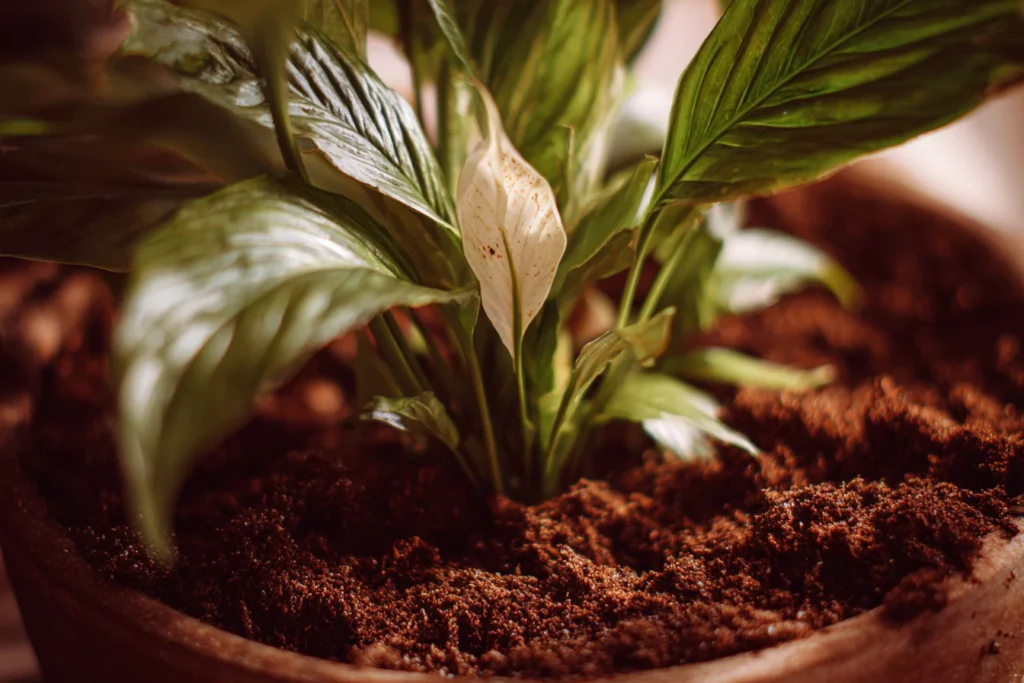
Best Soil Mix For Peace Lily Plants: Creating the Perfect Growing Medium
Understanding Peace Lily Soil Requirements
Peace lilies (Spathiphyllum) are tropical plants that thrive in specific soil conditions. In their natural habitat, they grow under forest canopies in soil rich with decaying organic matter.
The ideal soil pH for peace lilies ranges between 5.8 and 6.5, slightly on the acidic side. This acidity mimics their native growing conditions and helps them absorb nutrients efficiently.
A successful peace lily soil mix needs to balance moisture retention with excellent drainage. These plants dislike having “wet feet,” but they also need consistent moisture to support their lush foliage and elegant white blooms.
The Perfect Peace Lily Soil Recipe
After years of growing peace lilies, I’ve found that a 2:2:1 ratio creates an ideal growing medium. This consists of:
- 2 parts quality houseplant or cactus potting soil
- 2 parts coarse horticultural sand
- 1 part drainage material (perlite, orchid bark, or coconut coir)
This combination provides the right balance of nutrition, drainage, and aeration that peace lilies need to thrive. The potting soil offers nutrients, while the sand and drainage materials prevent compaction and waterlogging.

When mixing your soil, combine the ingredients thoroughly to ensure even distribution of components throughout the pot.
Essential Components for Peace Lily Soil
Base Potting Medium
Standard houseplant potting soil serves as an excellent base for peace lily soil mixes. It contains organic matter that provides nutrients and some water retention capabilities.
Cactus soil can also work well as a base, though you may want to add a small amount of compost to increase nutrient content.
Drainage Materials
Several materials can improve drainage in your peace lily soil:
- Perlite: These white, lightweight particles create air pockets in the soil.
- Horticultural sand: Coarser than play sand, it improves drainage without compacting.
- Pine bark fines: Small pieces of bark that resist decomposition and maintain soil structure.
- Orchid bark: Larger chunks that create excellent drainage channels.
Water Retention Materials
While drainage is crucial, peace lilies also need materials that retain some moisture:
- Coconut coir: A sustainable alternative to peat moss that holds moisture well.
- Sphagnum peat moss: Excellent water retention while maintaining good aeration.
Why Drainage Is Critical for Peace Lilies
Proper drainage is perhaps the most important aspect of peace lily soil. Without it, roots can quickly become waterlogged, leading to root rot and eventual plant death.
Signs of poor drainage include yellowing leaves, brown leaf tips, and a generally unhealthy appearance. The plant may also develop soft, mushy stems near the soil line.
Well-draining soil allows excess water to flow away from roots while still retaining enough moisture for the plant to absorb. This balance is key to preventing both overwatering and underwatering issues.
Pot Selection and Its Impact on Soil Performance
The type of pot you choose affects how your soil mix performs. Plastic pots retain moisture longer, which can be beneficial for peace lilies in drier environments.
Terracotta and ceramic pots are more porous and allow moisture to evaporate more quickly. If using these materials, you might need a soil mix with slightly better water retention.
Regardless of material, all pots must have drainage holes. Without proper drainage, even the best soil mix will eventually become waterlogged.
Commercial Alternatives vs. DIY Soil Mixes
While creating your own soil mix gives you complete control over the components, there are quality commercial options available:
- African violet soil mixes work well for peace lilies due to similar pH requirements.
- Orchid mixes can be used as a base but typically need additional components for nutrition.
- Premium houseplant soils with added perlite can be suitable with minimal modification.
If using a commercial mix, you can still improve it by adding extra drainage materials like perlite or sand to achieve the ideal texture.
Signs Your Peace Lily Needs a Soil Change
Even the best soil mix will eventually break down and compact. Watch for these indicators that your peace lily needs fresh soil:
- Water sits on top of the soil instead of draining quickly
- The plant wilts despite regular watering
- Soil has pulled away from the sides of the pot
- Roots are circling or emerging from drainage holes
- Growth has slowed significantly
- Leaves are yellowing despite proper care
Most peace lilies benefit from repotting with fresh soil every 12-18 months, ideally in early spring as new growth begins.
Soil Amendments for Nutrient Boost
While a good soil mix provides the foundation, occasional amendments can give your peace lily extra nutrients:
- Worm castings: A gentle organic fertilizer that improves soil structure.
- Compost tea: Provides beneficial microorganisms and nutrients.
- Slow-release fertilizer pellets: Offer consistent nutrition over several months.
Use amendments sparingly, as peace lilies are sensitive to fertilizer burn. Always dilute liquid amendments to half the recommended strength.
Troubleshooting Common Soil Issues
Compacted Soil
Over time, soil components break down and become compacted. This reduces aeration and drainage, potentially suffocating roots. If your soil appears dense and water drains slowly, it’s time to repot with fresh mix.
Fungus Gnats
These small flying insects often indicate consistently damp soil. Improve drainage by adding more perlite or sand to your mix, and allow the top inch of soil to dry between waterings.
White Crust on Soil
A white, crusty layer on the soil surface usually indicates mineral buildup from tap water or fertilizer. Flush the soil thoroughly with distilled water, and consider using filtered water for future waterings.
Seasonal Soil Considerations
Your peace lily’s soil needs may vary slightly with the seasons. During summer’s active growth period, the plant may benefit from slightly more water-retentive soil.
In winter, when growth slows, excessive moisture can be problematic. Ensure your soil has adequate drainage during dormant periods to prevent root issues.
If you notice the soil drying out too quickly in summer, consider adding a thin layer of mulch on top to help retain moisture without compromising drainage.
Conclusion
Creating the perfect soil mix for your peace lily doesn’t need to be complicated. The key is balancing drainage with moisture retention while providing adequate nutrients. A simple 2:2:1 ratio of potting soil, horticultural sand, and drainage material creates an ideal environment for these tropical beauties.
With the right soil foundation, your peace lily will reward you with lush green foliage and those distinctive white blooms that make these plants so popular. Remember that soil is the foundation of plant health, and taking time to create the right mix will pay dividends in your plant’s growth and appearance for years to come.