

Peace Lily Care: A Complete Guide to Growing Healthy Spathiphyllum Plants
Introduction to Peace Lilies
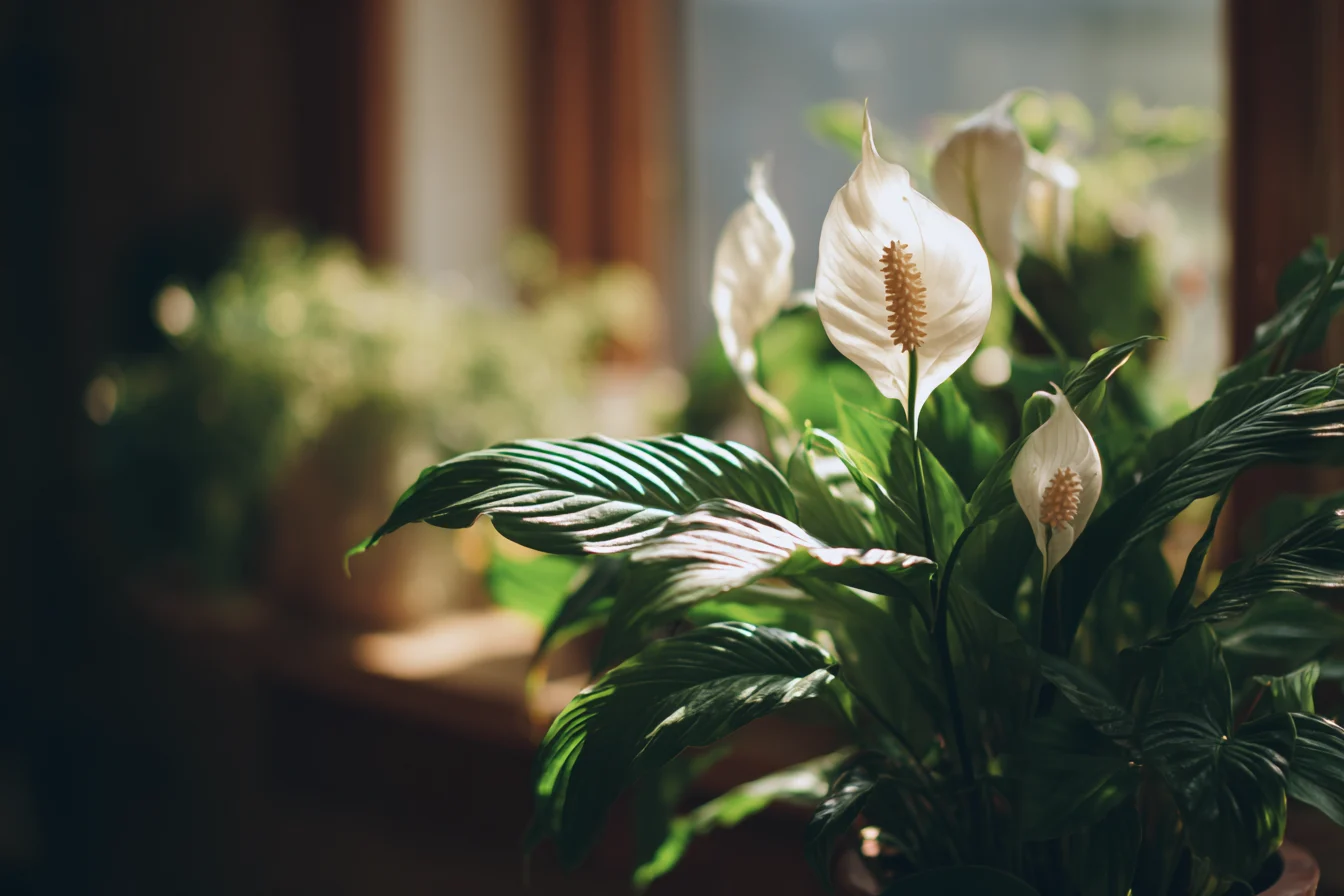
Peace lilies (Spathiphyllum) are elegant tropical plants known for their glossy dark green foliage and distinctive white “flowers” that aren’t actually flowers at all, but specialized leaf bracts called spathes. Native to tropical rainforests of Central America, South America, and Southeast Asia, these popular houseplants have become favorites in homes and offices worldwide.
Despite their name, peace lilies aren’t true lilies but belong to the Araceae family. They’re valued for their air-purifying qualities, relatively low maintenance needs, and ability to thrive in indoor environments with limited light. With proper care, peace lilies can bloom multiple times a year and grow anywhere from 1 to 6 feet tall, depending on the variety.
Light Requirements
Peace lilies are adaptable to various light conditions, but they perform best in bright, indirect light. In their natural habitat, they grow on forest floors where sunlight is filtered through the canopy above.
For optimal growth, place your peace lily near a north or east-facing window where it will receive gentle morning light. While they can tolerate lower light conditions, plants grown in too little light will produce fewer blooms and may become leggy.
Avoid direct sunlight, especially during the afternoon hours, as this can scorch the leaves and damage the plant. If you notice your peace lily’s leaves turning yellow or developing brown spots, it might be receiving too much direct light.
Watering Needs
Peace lilies prefer consistently moist but not soggy soil. One of their most endearing qualities is their dramatic way of signaling when they need water—their leaves will droop noticeably when thirsty, then perk back up shortly after watering.
As a general rule, water your peace lily when the top inch of soil feels dry to the touch. This typically translates to watering once a week during spring and summer, and less frequently (every 10-14 days) during fall and winter when growth slows.
These plants are sensitive to chemicals commonly found in tap water. If possible, use filtered, distilled, or rainwater at room temperature. Always allow excess water to drain completely, as standing water can lead to root rot.
Soil and Potting Requirements
Peace lilies thrive in well-draining, slightly acidic soil with a pH between 5.8 and 6.5. A quality all-purpose houseplant potting mix works well, especially when amended with perlite or orchid bark to improve drainage.
Choose a container with drainage holes that’s only slightly larger than the plant’s root ball. Peace lilies actually prefer to be somewhat root-bound and typically bloom better in snug quarters.
Repotting is necessary only every 1-2 years or when the plant becomes severely root-bound. The best time to repot is in spring as the growing season begins. When repotting, choose a container just 1-2 inches larger in diameter than the current pot.
Temperature and Humidity
As tropical plants, peace lilies prefer warm temperatures between 65-85°F (18-29°C). They’re sensitive to cold drafts and temperatures below 55°F (13°C), which can damage the foliage and inhibit growth.
Peace lilies appreciate higher humidity levels of 50-60%. In drier environments, especially during winter months when indoor heating reduces humidity, consider these methods to increase moisture around your plant:
- Place the pot on a tray filled with pebbles and water (ensuring the pot doesn’t sit directly in water)
- Group plants together to create a more humid microclimate
- Use a room humidifier near your plants
- Mist the foliage occasionally with room temperature water
Fertilizing Schedule
Peace lilies are light feeders compared to many flowering houseplants. Over-fertilization can lead to brown leaf tips and reduced flowering, so it’s better to err on the side of caution.
During the growing season (spring through early fall), fertilize your peace lily every 6-8 weeks using a balanced, water-soluble houseplant fertilizer diluted to half the recommended strength. Suspend fertilization during late fall and winter when the plant’s growth naturally slows.
If you notice your peace lily producing fewer flowers, a fertilizer specifically formulated for flowering plants might help encourage blooming, but always follow the “less is more” principle.
Pruning and Maintenance
Regular pruning keeps peace lilies looking their best and encourages healthy growth. Remove yellow or brown leaves by cutting them at the base with clean, sharp scissors or pruning shears. This not only improves appearance but also redirects the plant’s energy to new growth.
The white spathes will eventually turn green and then brown as they age. Once they begin to fade, cut the flower stalk at the base to encourage new blooms. Regularly dust the leaves with a damp cloth to keep them glossy and ensure the plant can photosynthesize efficiently.
Inspect your peace lily periodically for pests like spider mites, mealybugs, and scale insects. Early detection and treatment with insecticidal soap or neem oil can prevent infestations from spreading.
Propagation Methods
The most reliable method for propagating peace lilies is through division. This is best done during repotting in spring when the plant is actively growing.
To divide a peace lily:
- Carefully remove the plant from its pot
- Gently separate the root ball into smaller sections, ensuring each division has several leaves and healthy roots
- Plant each division in an appropriately sized pot with fresh potting mix
- Water thoroughly and place in a warm location with indirect light
- Keep the soil consistently moist until new growth appears
Unlike many houseplants, peace lilies cannot be propagated from leaf cuttings or stem cuttings. Division is the only reliable method for creating new plants.
Common Problems and Solutions
Yellowing Leaves
Yellowing leaves often indicate watering issues. Overwatering leads to widespread yellowing, while underwatering typically affects lower leaves first. Check soil moisture and adjust your watering schedule accordingly. A few yellow leaves on an otherwise healthy plant may simply be natural aging.
Brown Leaf Tips or Edges
Brown leaf tips commonly result from low humidity, over-fertilization, or chemicals in tap water. Increase humidity, reduce fertilizer, and consider using filtered water. Trim affected areas with clean scissors, following the natural shape of the leaf.
Drooping Despite Adequate Water
If your peace lily droops despite moist soil, check for root rot by gently removing the plant from its pot. Healthy roots should be firm and white or tan. If roots are brown, mushy, or have an unpleasant odor, trim away affected portions and repot in fresh soil.
Few or No Flowers
Insufficient light is the most common reason for lack of blooming. Move your plant to a brighter location with indirect light. Also ensure it’s receiving appropriate fertilization during the growing season and that it’s slightly root-bound, which can stimulate flowering.
Pest Infestations
Common pests include spider mites, mealybugs, and scale insects. Regularly inspect the undersides of leaves and leaf joints. Treat infestations promptly with insecticidal soap, neem oil, or by wiping leaves with a solution of mild soap and water.
Toxicity Concerns
Peace lilies contain calcium oxalate crystals, which are toxic if ingested. These crystals can cause irritation and burning sensation in the mouth, throat, and digestive tract if consumed by humans or pets.
Keep peace lilies out of reach of children and pets. If ingestion occurs, contact a poison control center or veterinarian immediately. Symptoms may include drooling, vomiting, difficulty swallowing, and oral irritation.
When handling peace lilies, particularly when dividing or repotting, consider wearing gloves to prevent skin irritation from the plant’s sap.
Decorative Uses
Peace lilies make versatile additions to home decor. Their elegant white blooms and glossy green foliage complement various interior styles, from modern minimalist to tropical-inspired spaces.
These plants work well as:
- Floor plants in larger varieties
- Tabletop specimens for smaller cultivars
- Bathroom plants where they appreciate the higher humidity
- Office plants due to their air-purifying qualities and tolerance of fluorescent lighting
- Bedroom plants as they release oxygen at night
Peace lilies also make thoughtful gifts for housewarmings, sympathy occasions, or as get-well presents, symbolizing peace, prosperity, and tranquility.
Seasonal Care Adjustments
Peace lilies require slightly different care throughout the year to accommodate their natural growth cycles.
In spring and summer, increase watering frequency as temperatures rise and growth accelerates. This is also when most flowering occurs, so ensure adequate light and regular fertilization.
During fall and winter, reduce watering as growth slows. Allow the soil to dry slightly more between waterings, and suspend fertilization. Protect plants from cold drafts and maintain distance from heating vents that can dry out the foliage.
If you notice your peace lily producing fewer flowers in winter, this is normal. Flowering will typically resume as daylight hours increase in spring.
Conclusion
Peace lilies are remarkably forgiving houseplants that reward even novice gardeners with lush foliage and elegant blooms. Their ability to thrive in lower light conditions makes them perfect for brightening up interior spaces where many other flowering plants would struggle. By providing consistent moisture, appropriate light, and occasional feeding, you’ll enjoy these beautiful plants for many years.
Whether you’re growing peace lilies for their air-purifying benefits, their striking appearance, or simply because they reliably indicate when they need water, these tropical beauties deserve their reputation as one of the most satisfying houseplants to grow. With the care guidelines outlined in this article, you’re well-equipped to keep your peace lilies healthy, vibrant, and blooming season after season.