

Purple Waffle Plant Care: A Complete Guide to Growing This Colorful Houseplant
Introduction to the Purple Waffle Plant
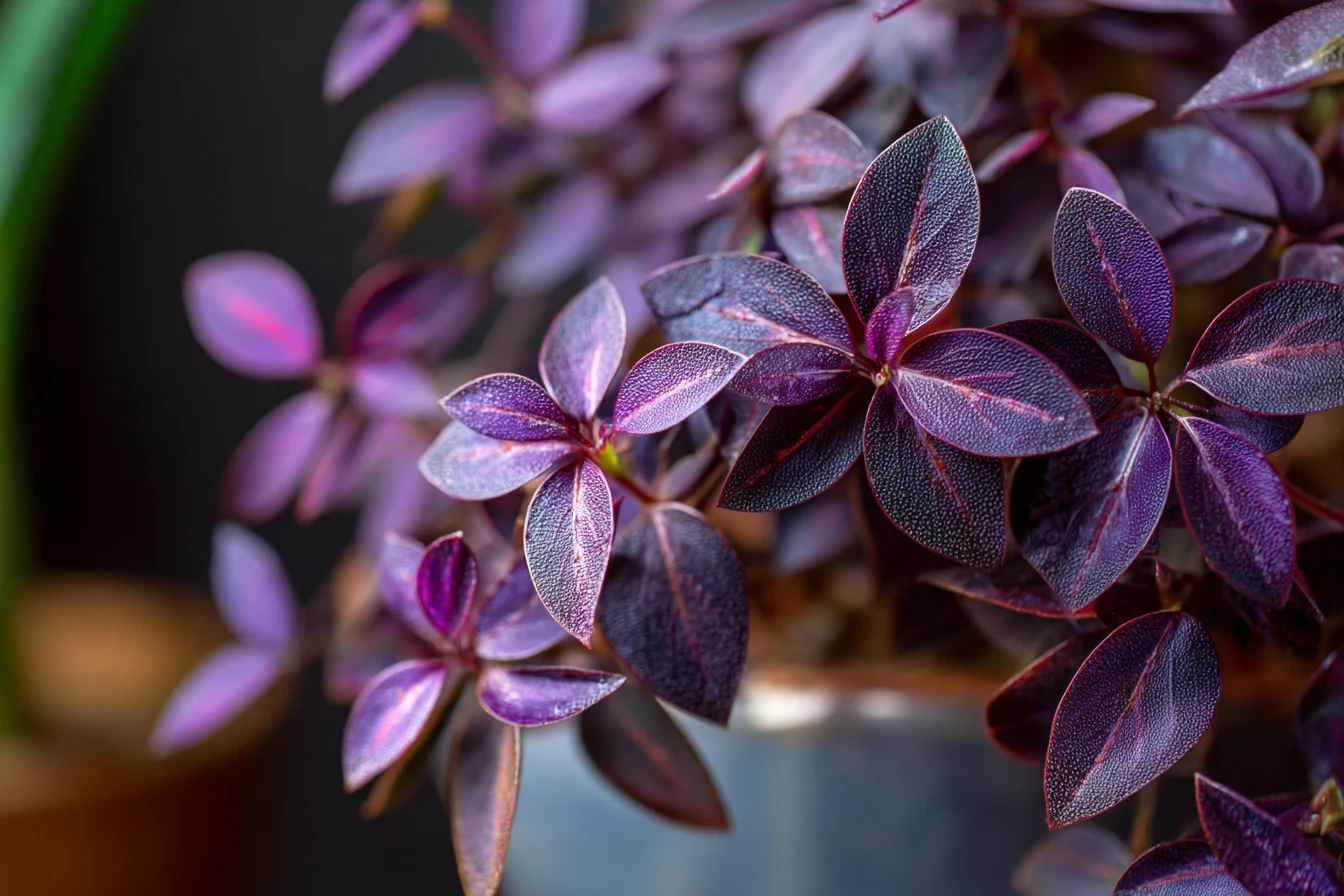
The Purple Waffle Plant (Hemigraphis alternata) is a charming tropical houseplant known for its distinctive crinkled leaves with purple undersides. Native to Indonesia, this compact plant typically grows to about eight inches in height and width, making it perfect for small spaces.
Also known as red ivy or metal leaf, this member of the Acanthaceae family serves as a beautiful groundcover in its natural habitat. Its unique texture and vibrant two-tone coloration make it a standout addition to any indoor plant collection.
Growth Expectations and Characteristics
Purple waffle plants remain relatively small, reaching a maximum of about eight inches in both height and width. This compact size makes them ideal for bookshelves, side tables, or small plant stands.
The plant features oval-shaped leaves with a distinctive crinkled texture that resembles a waffle (hence the name). The upper surface of the leaves is dark green, while the underside displays a rich purple hue, creating a beautiful contrast when viewed from different angles.
During spring or summer, the plant may produce small white or light purple flowers, though it’s primarily grown for its attractive foliage.
Light Requirements
In their native habitat, purple waffle plants grow in the forest understory where they receive dappled sunlight. To replicate these conditions indoors, provide bright indirect light.
Avoid placing your plant directly on a south-facing windowsill where it might receive harsh direct sunlight. Instead, position it a few feet away from an east or north-facing window, or near a south-facing window that’s covered with a sheer curtain.
Insufficient light can cause the plant to become leggy and lose its vibrant coloration, while too much direct sun can scorch the delicate leaves.
Temperature and Humidity Needs
As tropical plants, purple waffle plants thrive in warm environments with temperatures between 55-80°F (13-27°C). Avoid placing them near drafty doors, windows, or heating/cooling vents that could cause temperature fluctuations.
These plants appreciate moderate to high humidity levels. If your home is particularly dry, consider using a small humidifier nearby or placing the pot on a pebble tray with water to increase ambient moisture.
During winter months when indoor heating can reduce humidity, you may need to provide additional moisture to keep your plant happy.
Soil and Potting Requirements
The ideal soil for purple waffle plants should be well-draining yet moisture-retentive. A peat moss or coco coir-based potting mix works well as a foundation, providing both aeration and moisture retention.
Adding materials like perlite or pine bark fines will improve drainage and prevent the soil from becoming waterlogged. Aim for a soil pH between 6.0 and 7.0 (neutral to slightly acidic).
Choose a container that’s 4-6 inches in diameter with adequate drainage holes. Since these plants remain small, they don’t require frequent repotting – typically only every 3-4 years.
Watering Guidelines
Purple waffle plants prefer consistently moist soil but will suffer if left sitting in water. The goal is to maintain even moisture without creating soggy conditions that can lead to root rot.
Check the soil moisture by inserting your finger about an inch deep into the soil. When the top inch feels dry, it’s time to water thoroughly until water flows from the drainage holes.
Typically, you’ll need to water every 1-2 weeks, though this varies based on environmental conditions. During summer or in dry environments, more frequent watering may be necessary, while winter usually requires less.
If possible, use filtered water or collected rainwater, as these plants can be sensitive to chemicals in tap water, particularly if you have hard water.
Fertilizing Schedule
Purple waffle plants aren’t heavy feeders but benefit from occasional fertilization. Apply a balanced houseplant fertilizer (with equal NPK values) twice a year – once in early spring and again in early summer.
Dilute the fertilizer to half the recommended strength to avoid burning the roots. Over-fertilizing is more harmful than under-fertilizing, so err on the side of caution.
During fall and winter when growth naturally slows, withhold fertilizer completely to allow the plant to rest.
Pruning and Maintenance
While purple waffle plants don’t require extensive pruning, occasional trimming helps maintain a bushy, compact form. If your plant becomes leggy, trim the top inch of stems to encourage lateral growth.
Use clean, sharp scissors or pruning shears to make clean cuts. Never remove more than one-third of the plant at once to avoid shocking it.
Regular dusting of the leaves with a soft, damp cloth helps the plant photosynthesize efficiently and keeps its distinctive texture visible.
Repotting Process
Purple waffle plants typically only need repotting every 3-4 years due to their slow growth rate. Signs that repotting is necessary include roots circling the bottom of the pot or growing through drainage holes.
When repotting, choose a container just 1-2 inches larger than the current one. Gently remove the plant, loosen the root ball slightly, and place it in fresh potting mix at the same depth it was previously growing.
After repotting, water thoroughly and place the plant in a location with slightly reduced light for a week to help it recover from transplant stress.
Propagation Methods
The easiest way to propagate purple waffle plants is through stem cuttings. Select healthy stems about 3-4 inches long, remove the lower leaves, and place them in water or moist potting mix.
If rooting in water, change it every few days to prevent bacterial growth. Once roots are 1-2 inches long (usually within 2-3 weeks), transfer the cuttings to small pots with regular potting mix.
Keep newly potted cuttings in bright indirect light and maintain higher humidity around them until established, which typically takes 3-4 weeks.
Common Problems and Solutions
Yellowing Leaves
Yellowing leaves often indicate watering issues. Overwatering is the most common cause, resulting in soggy soil and potential root rot. Ensure your pot has proper drainage and allow the top inch of soil to dry between waterings.
Cold temperatures below 55°F (13°C) can also cause yellowing. Move your plant to a warmer location if this seems to be the issue.
Leggy Growth
If your plant becomes stretched out with sparse foliage, it’s likely not receiving enough light. Gradually move it to a brighter location, but avoid direct sunlight which can burn the leaves.
Regular pruning of leggy stems encourages bushier growth. Pinch or cut the tips of stems to promote branching.
Pest Issues
Purple waffle plants can occasionally attract common houseplant pests like spider mites, aphids, or mealybugs. Regularly inspect the undersides of leaves for early signs of infestation.
Treat minor pest problems by wiping leaves with a solution of mild soap and water. For more serious infestations, consider using neem oil or insecticidal soap, following package directions carefully.
Toxicity Information
Good news for pet owners and households with children – purple waffle plants are non-toxic to humans, cats, and dogs according to the ASPCA. This makes them a safe choice for homes where curious pets or children might occasionally nibble on plants.
Despite being non-toxic, it’s still best practice to keep all houseplants out of reach of pets and children who might damage the plants or make themselves sick from ingesting plant material.
Decorative Uses
The compact size and striking foliage of purple waffle plants make them versatile decorative elements. They work beautifully in small containers on desks, shelves, or bathroom counters where they can benefit from higher humidity.
Their trailing habit makes them suitable for hanging baskets or elevated planters where the foliage can cascade over the edges. The purple and green coloration complements many interior design styles.
Consider grouping purple waffle plants with other small houseplants of varying heights and textures for an attractive display that creates visual interest.
Seasonal Care Adjustments
During spring and summer when the plant is actively growing, provide slightly more water and apply fertilizer according to the recommended schedule.
In fall and winter, reduce watering frequency as growth slows down. Hold off on fertilizing during this dormant period, but maintain consistent temperature and humidity levels.
Be especially vigilant about keeping plants away from cold drafts or heating vents during winter months when indoor conditions can fluctuate dramatically.
Conclusion
The purple waffle plant offers a perfect combination of striking appearance and manageable care requirements. Its compact size, distinctive texture, and vibrant coloration make it an excellent choice for plant enthusiasts of all experience levels looking to add visual interest to their indoor spaces.
With proper attention to its basic needs – bright indirect light, consistent moisture, warm temperatures, and occasional feeding – your purple waffle plant will thrive for years to come, providing a touch of tropical beauty to your home environment.