

Lipstick Plant Care: A Complete Guide to Growing Aeschynanthus Radicans
Understanding the Lipstick Plant
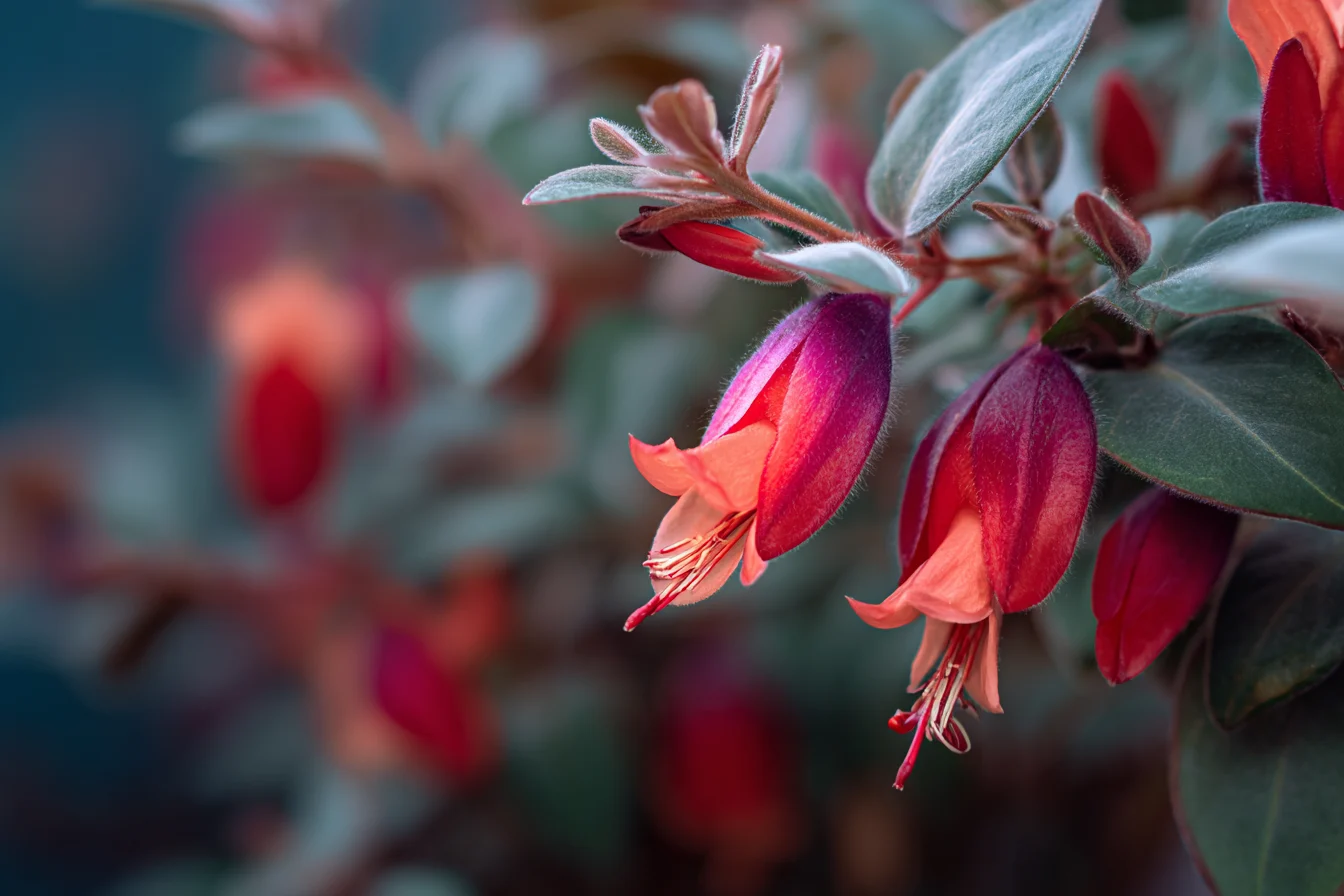
The Lipstick Plant (Aeschynanthus radicans) is a stunning trailing houseplant native to Malaysia and Thailand. Named for its distinctive tubular flowers that resemble tubes of lipstick before they open, these plants are epiphytes in their natural habitat, growing on trees or rocks rather than in soil.
With their cascading growth habit, lipstick plants can reach up to three feet wide with stems extending three feet long. Under good conditions, they typically grow about a foot per year, making them perfect statement plants for hanging baskets or elevated planters.
Light Requirements
Lipstick plants thrive in bright, indirect light. Direct sunlight can scorch their leaves, so it’s best to place them a few feet away from east or north-facing windows. Aim for at least five hours of bright to moderate indirect light daily.
During winter months, these plants naturally require less light, so don’t worry if they receive reduced light exposure. Just ensure they’re not sitting in complete darkness for extended periods.
Soil and Potting
Since lipstick plants are epiphytes, they need well-draining soil that provides good aeration. Orchid potting mix works well, as does African violet soil. For best results, consider creating your own mix with:
- 2 parts peat moss
- 1 part perlite
- 1 part pine bark fines
Always choose containers with drainage holes to prevent waterlogged soil. Hanging baskets are particularly suitable for showcasing the plant’s trailing nature.
Watering Practices
Lipstick plants prefer soil that remains slightly moist but never soggy. Allow the top inch of soil to dry out between waterings. To check moisture levels, simply insert your finger into the soil – if the top inch feels dry, it’s time to water thoroughly.
Watering frequency varies with environmental conditions and seasons. During spring through fall, watering once a week is typically sufficient. In winter, reduce to once every 2-3 weeks as growth slows. Tap water is generally fine for these plants, though filtered water or rainwater can be used if preferred.
Temperature and Humidity Needs
These tropical plants prefer warm environments between 65-80°F (18-27°C). They can tolerate slight temperature drops in winter but should never be exposed to temperatures below 50°F (10°C). Avoid placing them near drafty windows, doors, or air conditioning vents.
While lipstick plants can adapt to average household humidity, they appreciate higher humidity levels. If your home is particularly dry, consider using a humidifier nearby or placing the plant on a pebble tray with water to increase local humidity.
Fertilizing Schedule
Regular but light fertilization promotes vibrant growth and flowering. Apply a balanced houseplant fertilizer diluted to half strength every 1-2 months during the growing season (spring through fall). Suspend fertilization during winter when the plant’s growth naturally slows.
If your plant isn’t flowering, ensure your fertilizer contains adequate phosphorus and potassium, which support bloom development. Over-fertilizing can damage roots, so always err on the side of less rather than more.
Pruning and Maintenance
Lipstick plants generally don’t require extensive pruning, but light trimming helps maintain their shape and encourages bushier growth. The ideal time for major pruning is late fall or early winter, though light maintenance can be done year-round.
When pruning, never remove more than one-third of the plant at once to avoid stress. Use clean, sharp scissors or pruning shears sanitized with rubbing alcohol to prevent disease spread. Pruned stems can be used for propagation if desired.
Propagation Methods
Lipstick plants propagate readily from stem cuttings, making them easy to multiply. For successful propagation:
- Take a 5-10 inch stem cutting with at least three leaf nodes
- Remove lower leaves, keeping only 2-4 leaves at the top
- Dip the cut end in rooting hormone (optional but helpful)
- Plant in moist perlite or well-draining potting mix
- Maintain high humidity around the cutting
- Roots typically develop within two weeks
- Transfer to a permanent pot once roots are established
Repotting Guidelines
Lipstick plants benefit from repotting every 2-3 years or when they become rootbound. The best time to repot is during spring when the plant is actively growing. Choose a container just a few inches larger than the current one to avoid excess soil that can retain too much moisture.
When repotting, gently remove the plant from its container, loosen the root ball, and inspect for any unhealthy roots. Trim away any dark, mushy, or damaged roots before placing the plant in fresh potting mix at the same depth as before.
Common Problems and Solutions
Yellow Leaves
Yellowing leaves often indicate watering issues. Overwatering causes roots to suffocate, leading to nutrient deficiencies and yellow leaves. Underwatering can also cause yellowing as the plant becomes stressed. Check soil moisture and adjust your watering schedule accordingly.
Other causes include insufficient light or nutrient deficiencies. If soil moisture seems appropriate, try moving the plant to a brighter location or applying diluted fertilizer to address potential nutrient issues.
Leaf Drop
Occasional leaf drop is normal, but excessive shedding indicates problems. Cold temperatures below 50°F (10°C) or cold drafts are common culprits. Ensure your plant is kept in a consistently warm environment away from exterior doors and windows.
Both overwatering and underwatering can also cause leaf drop. Establish a consistent watering routine based on soil moisture rather than a rigid schedule.
Lack of Flowers
If your lipstick plant isn’t flowering, insufficient light is the most likely cause. Ensure it receives at least five hours of bright, indirect light daily. Inadequate fertilization can also limit flowering, particularly if the plant lacks phosphorus and potassium.
Be patient, as lipstick plants typically flower more profusely when slightly rootbound. A mature plant in a properly sized container with appropriate light and nutrients will eventually produce its characteristic blooms.
Popular Lipstick Plant Varieties
Several attractive lipstick plant varieties are available for home cultivation:
- ‘Curly’ – Features uniquely twisted and curling leaves
- ‘Mona Lisa’ – Produces vibrant red-orange flowers
- ‘Rasta’ – Known for its distinctive curly foliage
- ‘Tangerine’ – Displays yellow-orange blooms
- ‘Variegata’ – Showcases attractive green and cream striped leaves
Conclusion
Lipstick plants offer the perfect combination of dramatic trailing foliage and striking tubular flowers, making them excellent statement pieces for any indoor space. With their moderate care requirements—bright indirect light, consistent moisture, and warm temperatures—they’re accessible even to those without extensive plant experience.
By following the guidelines in this care guide, you’ll be rewarded with a healthy, vibrant lipstick plant that can thrive for years. Whether displayed in a hanging basket or on a high shelf where its vines can cascade downward, this tropical beauty brings a touch of exotic charm to your home environment.