

Rosemary Companion Planting Guide: 6 Plants to Never Grow Nearby
Intro for Rosemary Companion Planting
Rosemary (Rosmarinus officinalis) is a versatile Mediterranean herb prized for its aromatic leaves, culinary uses, and ornamental value. This woody perennial thrives in well-drained soil and sunny locations, making it a staple in herb gardens across temperate regions. While rosemary is generally an excellent companion plant that repels certain pests and enhances the growth of neighboring plants, it’s not compatible with everything. Understanding which plants suffer when grown near rosemary can help you design a more harmonious and productive garden. This guide explores rosemary’s benefits and identifies six plants that should never be planted nearby to ensure your garden thrives.
When to plant Rosemary
Rosemary is best planted in spring after the danger of frost has passed, when soil temperatures reach at least 21°C (70°F). In temperate regions, this typically falls between mid-April and early June. In warmer Mediterranean climates (USDA zones 8-10), rosemary can also be planted in early fall, giving it time to establish roots before winter. Avoid planting during the hottest summer months or in late fall in cooler regions, as extreme temperatures can stress young plants. Rosemary is frost-sensitive when young but becomes more tolerant once established, surviving temperatures down to -12°C (10°F) in protected locations.
Best time to plant Rosemary
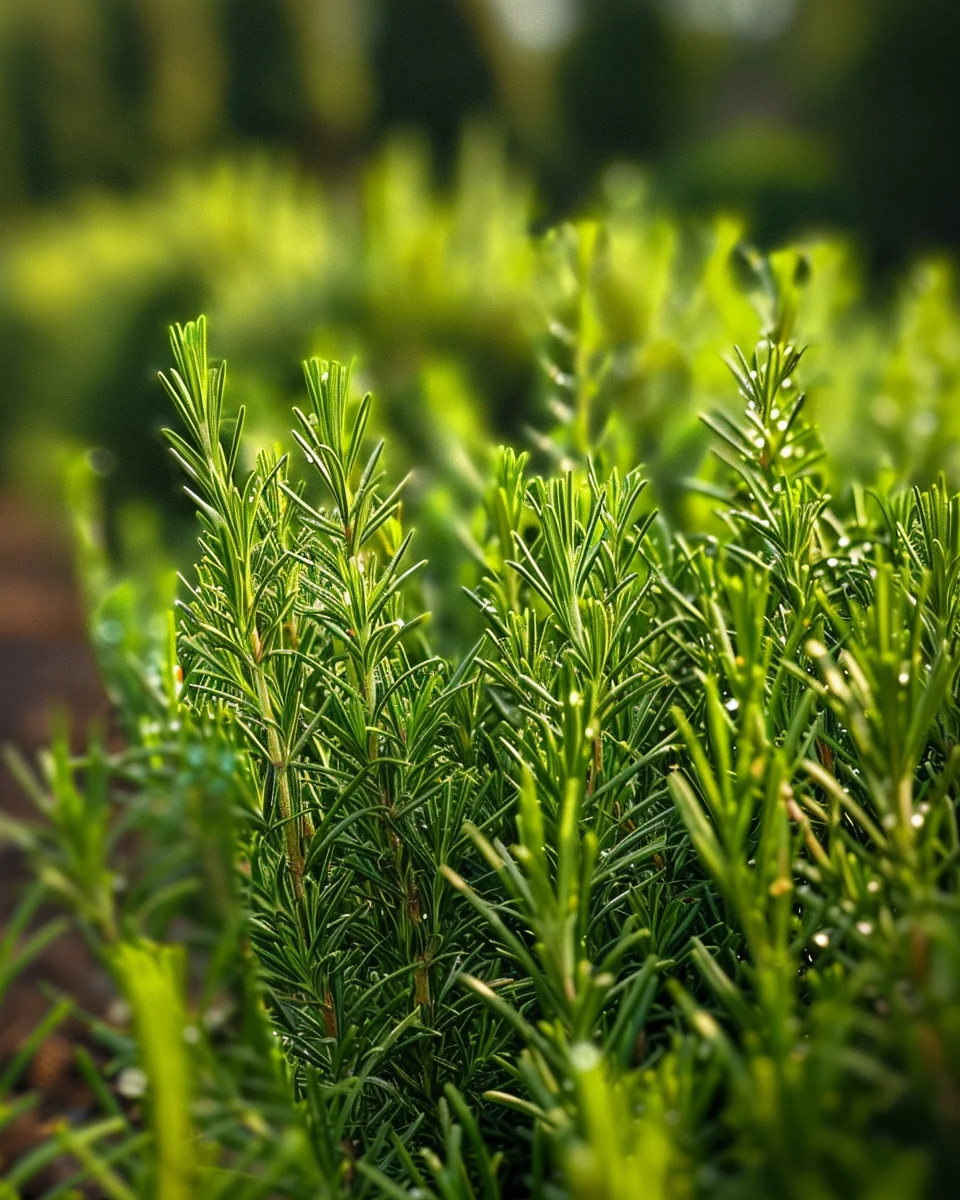
For cool temperate regions (UK, Northern US, zones 5-7), plant rosemary outdoors from mid-May through June. In warm temperate regions (Southern US, zones 8-10), the ideal planting window extends from March through May or September through October. Transplants are the preferred method for establishing rosemary, as seeds germinate slowly and unpredictably. Start seeds indoors 10-12 weeks before your last frost date if you choose to grow from seed. For container planting, timing is more flexible, but spring remains optimal to give plants a full growing season to establish before winter.
Best Rosemary varieties to grow
- ‘Tuscan Blue’ – Upright growth habit with strong flavor, excellent for culinary use and container gardening.
- ‘Arp’ – Exceptional cold hardiness (to -20°F/-29°C), making it suitable for northern gardens.
- ‘Prostrate’ (or ‘Creeping’) – Low-growing variety perfect for rock gardens, walls, or hanging baskets.
- ‘Spice Islands’ – Intensely aromatic with high oil content, ideal for cooking and drying.
- ‘Blue Boy’ – Compact variety reaching only 24 inches (60 cm), perfect for small spaces and containers.
- ‘Barbecue’ – Produces straight, sturdy stems that can be used as skewers for grilling.
- ‘Gorizia’ – Large-leaved variety with milder flavor, excellent for fresh use in salads.
How to plant Rosemary
Materials needed:
- Rosemary plants or rooted cuttings
- Compost or aged manure
- Coarse sand or perlite
- Garden fork or tiller
- Watering can or hose with gentle spray
- Mulch (preferably gravel or pebbles)
Planting steps:
- Select a site with full sun exposure (at least 6-8 hours daily) and excellent drainage.
- Prepare the soil by loosening it to a depth of 12 inches (30 cm) and incorporating 2-3 inches (5-7 cm) of compost.
- For heavy clay soils, add coarse sand or perlite to improve drainage, as rosemary is susceptible to root rot in soggy conditions.
- Dig a hole twice as wide as the root ball and at the same depth.
- Remove the plant from its container, gently loosen the roots, and place it in the hole.
- Backfill with soil, firming gently around the roots without compacting.
- Space plants 2-3 feet (60-90 cm) apart to allow for mature size and good air circulation.
- Water thoroughly after planting to settle the soil around roots.
- Apply a 2-inch (5 cm) layer of gravel or pebble mulch around plants, keeping it away from the stems.
How to grow Rosemary
Rosemary thrives in full sunlight, requiring at least 6-8 hours of direct sun daily. Water newly planted rosemary regularly until established, then reduce to once weekly during dry periods, allowing soil to dry between waterings. Overwatering is the most common cause of rosemary failure. Fertilize sparingly—a light application of balanced organic fertilizer in spring is sufficient, as rosemary prefers lean soil. Excessive fertility produces lush growth with reduced flavor and aroma.
For container growing, use a pot at least 12 inches (30 cm) in diameter with excellent drainage holes. Use a potting mix specifically formulated for Mediterranean herbs or create your own by mixing equal parts potting soil, coarse sand, and perlite. Container-grown rosemary requires more frequent watering but should never sit in soggy soil. Bring containers indoors in regions with harsh winters, placing them in a cool, bright location.
Prune rosemary regularly to maintain shape and encourage bushy growth. Light pruning can be done anytime, but avoid heavy pruning in late fall in cold regions, as new growth is susceptible to frost damage.
Caring for Rosemary
Monitor rosemary for pests such as spider mites and aphids, especially when grown indoors. Symptoms include yellowing leaves, webbing, or sticky residue. Treat with insecticidal soap or neem oil spray at the first sign of infestation. Powdery mildew may appear as white patches on leaves during humid conditions—improve air circulation and avoid overhead watering to prevent this fungal disease.
Root rot is common in poorly drained soils, causing wilting despite moist soil conditions. Prevention through proper drainage is the only effective control. Harvest rosemary throughout the growing season by cutting stems 4-6 inches (10-15 cm) from the tips. Morning harvesting yields the highest concentration of essential oils. Never remove more than one-third of the plant at once.
Store fresh rosemary in the refrigerator wrapped in damp paper towels for up to two weeks, or dry stems by hanging them in bundles in a warm, dark location with good air circulation. Once dried, strip leaves from stems and store in airtight containers away from light and heat.
Understanding bolting in Rosemary
Unlike annual herbs, rosemary doesn’t bolt in the traditional sense. As a perennial, rosemary naturally flowers as part of its growth cycle, typically in late winter or early spring. These flowers are not a sign of decline but a natural phase that attracts beneficial pollinators. However, excessive heat and drought stress can trigger premature flowering, which may divert energy from leaf production.
To maintain vigorous vegetative growth, provide consistent moisture during dry periods and light shade during extreme heat waves in hot climates. If flowering occurs and you prefer to focus on leaf production, pinch off flower buds as they appear. The flowers are edible and can be used as garnishes or in salads, offering a milder version of rosemary’s distinctive flavor.
Why does Rosemary turn bitter?
- Age of leaves: Older, woodier stems tend to have more intense, sometimes bitter flavor—harvest younger, tender growth for milder taste.
- Excessive heat: Plants stressed by extreme temperatures can develop stronger, more bitter compounds—provide afternoon shade in very hot climates.
- Improper drying: High-temperature drying can damage essential oils and create bitter notes—dry slowly at room temperature away from direct sunlight.
- Overfertilization: Too much nitrogen creates lush growth with unbalanced flavor compounds—reduce fertilizer applications.
- Variety differences: Some varieties naturally have stronger, more resinous flavors—try milder varieties like ‘Gorizia’ if bitterness is an issue.
Companion planting for Rosemary
Good companions:
- Sage: Similar growing requirements and complementary pest-repelling properties.
- Thyme: Shares Mediterranean growing conditions and doesn’t compete for resources.
- Lavender: Compatible water needs and aesthetic appeal when planted together.
- Brassicas (cabbage, broccoli): Rosemary deters cabbage moths and other brassica pests.
- Beans: Benefit from rosemary’s pest-repelling properties without resource competition.
- Carrots: Rosemary helps deter carrot flies and other root vegetable pests.
Never plant rosemary near:
- Basil: Requires much more water and richer soil than rosemary, leading to either overwatered rosemary or underwatered basil.
- Mint: Aggressive growth habit will compete with and potentially overwhelm rosemary.
- Fennel: Contains compounds that inhibit growth in many plants, including rosemary.
- Cucumbers: High water requirements create incompatible growing conditions.
- Pumpkins/Squash: Sprawling growth habit and high water needs conflict with rosemary’s preferences.
- Tomatoes: Different water requirements and potential disease transfer make them poor companions.
Seasonal calendar
Spring (March-May):
- Plant new rosemary or transplant container specimens outdoors after frost danger passes
- Apply light organic fertilizer to established plants
- Prune winter damage and shape plants
- Begin regular harvesting as new growth appears
Summer (June-August):
- Monitor water needs during dry periods
- Harvest regularly to encourage bushy growth
- Watch for pests in hot, dry conditions
- Provide afternoon shade in extremely hot regions
Fall (September-November):
- Reduce watering as temperatures cool
- Take cuttings for propagation
- Plant in warm regions (zones 8-10)
- Prepare container plants for indoor overwintering in cold regions
Winter (December-February):
- Protect plants in marginal zones with mulch around roots
- Water sparingly if overwintering indoors
- Monitor for indoor pests
- Enjoy stored dried rosemary from summer harvests
Problems & solutions
| Problem | Quick Fix |
|---|---|
| Yellowing leaves | Check for overwatering; allow soil to dry completely between waterings |
| Woody, sparse growth | Prune back by one-third to stimulate new growth from lower branches |
| Powdery white spots on leaves | Improve air circulation, apply neem oil, and avoid overhead watering |
| Brown, brittle branch tips | Likely cold damage; prune affected areas and provide winter protection |
| Wilting despite moist soil | Suspect root rot; improve drainage immediately or transplant to better location |
| Leggy, stretched growth | Insufficient light; move to sunnier location or prune to encourage branching |
| Spider mite infestation | Increase humidity, spray with water, and apply insecticidal soap if severe |
Common questions about growing Rosemary
How often should I water rosemary?
Water deeply but infrequently, allowing soil to dry completely between waterings. Established plants in garden beds may need water only every 2-3 weeks during dry periods, while container plants typically require weekly watering.
Can rosemary survive winter outdoors?
Hardiness varies by variety, but most rosemary can survive outdoors year-round in USDA zones 7-10. In colder regions, grow rosemary in containers and bring indoors for winter, or provide heavy mulch and wind protection for garden plants.
What size container is best for rosemary?
Use containers at least 12-15 inches (30-38 cm) in diameter with excellent drainage. Terracotta pots are ideal as they allow soil to dry more quickly, preventing root rot.
How far apart should I space rosemary plants?
Space plants 2-3 feet (60-90 cm) apart to accommodate their mature size and ensure good air circulation, which helps prevent fungal diseases.
Why is my indoor rosemary dropping leaves?
Indoor rosemary often suffers from insufficient light, excessive heat, or improper watering. Place in your brightest window (south-facing is ideal), maintain cool temperatures (55-70°F/13-21°C), and water only when soil is dry to the touch.
How do I propagate rosemary?
Take 4-6 inch (10-15 cm) cuttings from soft, new growth in late spring or early summer. Remove lower leaves, dip in rooting hormone, and plant in a mix of perlite and peat moss. Keep consistently moist until roots develop in 3-6 weeks.
Can I harvest rosemary year-round?
Yes, evergreen rosemary can be harvested throughout the year, though growth slows in winter. For the best flavor, harvest in morning after dew has dried but before the day heats up, when essential oil concentration is highest.