

Why Your Rosemary Keeps Dying and the Simple Trick to Save It: Watering Secrets, Best Varieties & Care Guide
Intro for Why Your Rosemary Keeps Dying and the Simple Trick to Save It
Rosemary is a fragrant Mediterranean herb that adds wonderful flavor to countless dishes, but it’s notorious for suddenly dying despite seemingly proper care. This woody perennial thrives in well-drained soil and sunny conditions reminiscent of its native coastal habitat. While rosemary is drought-tolerant and relatively low-maintenance, many gardeners struggle with keeping it alive due to one critical mistake: overwatering. The simple trick to saving your rosemary is understanding its true watering needs. Native to rocky, coastal regions of the Mediterranean, rosemary prefers to be kept on the dry side and will quickly decline when its roots remain wet. With the right approach, this aromatic herb can thrive for years, even decades, in gardens across USDA zones 7-10 or in containers that can be moved indoors in colder climates.
When to plant Why Your Rosemary Keeps Dying and the Simple Trick to Save It
Rosemary should be planted when soil temperatures have warmed to at least 21°C (70°F) in spring, typically after all danger of frost has passed. In temperate regions, this usually means mid-to-late spring. For Mediterranean and warm climates, fall planting is also excellent as it gives the roots time to establish before summer heat arrives. Rosemary is sensitive to cold temperatures, especially when young, so in cooler regions (below USDA zone 7), it’s best to start plants indoors 8-10 weeks before the last frost date or purchase established plants for transplanting outdoors once temperatures consistently remain above 10°C (50°F).
Best time to plant Why Your Rosemary Keeps Dying and the Simple Trick to Save It
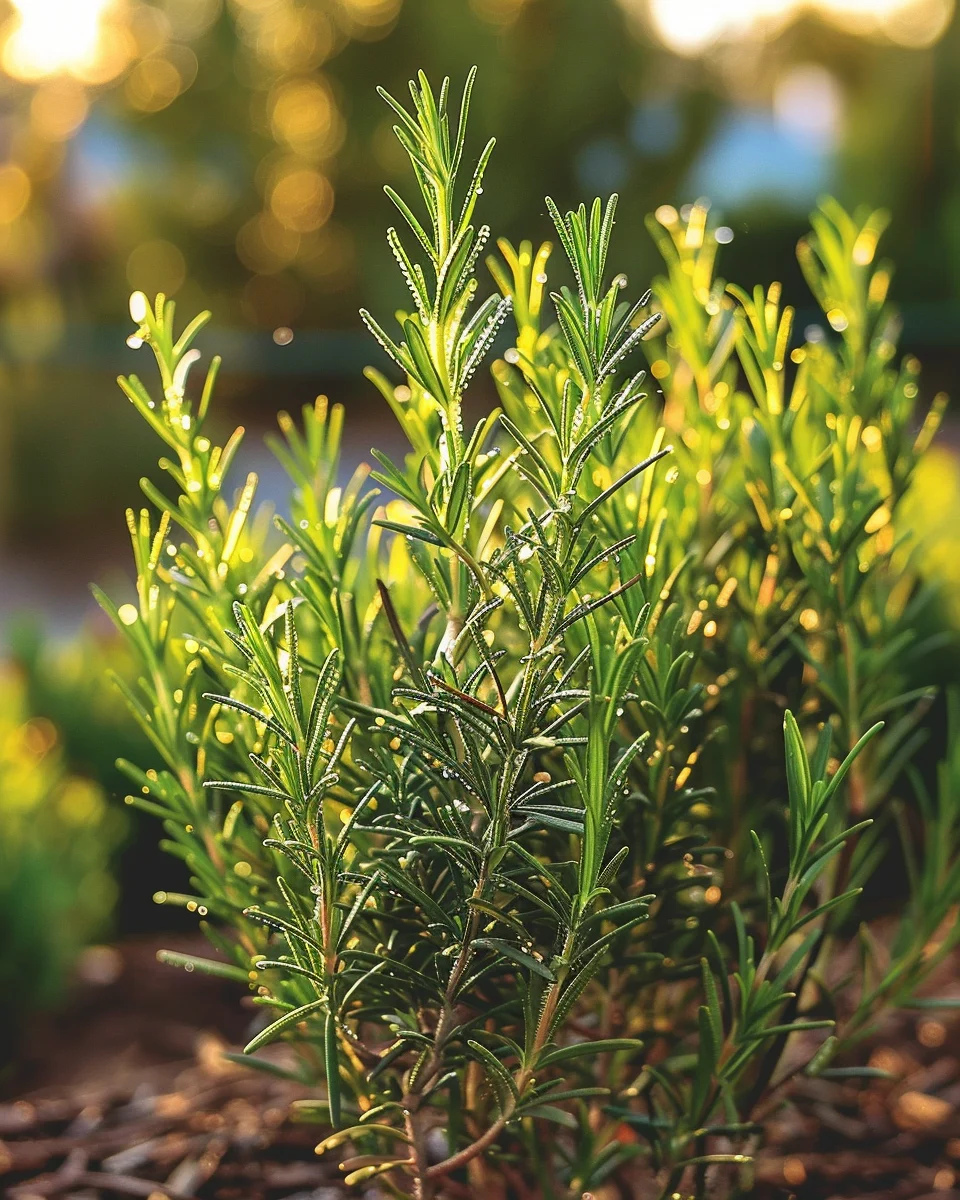
In cool temperate regions (USDA zones 5-6), plant rosemary outdoors in late May through June when nights consistently stay above 10°C (50°F). For warm temperate regions (USDA zones 7-9), the ideal planting window extends from April through May or September through October. In hot regions (USDA zones 10-11), plant in fall (October-November) or late winter (February-March) to avoid summer stress during establishment. Transplanting established plants is always preferable to direct sowing, as rosemary seeds germinate slowly and erratically. For container growing, you can plant year-round provided you can maintain appropriate growing conditions.
Best Why Your Rosemary Keeps Dying and the Simple Trick to Save It varieties to grow
- Tuscan Blue – Upright growth habit with bright blue flowers, excellent culinary quality, and good cold tolerance to about -10°C (14°F).
- Arp – One of the most cold-hardy varieties, surviving down to -20°C (-4°F), making it ideal for northern gardens.
- Prostrate/Creeping Rosemary – Low-growing variety perfect for containers, rock gardens, or cascading over walls with a more delicate flavor profile.
- Spice Islands – Compact, upright form with exceptionally aromatic leaves, ideal for container growing and culinary use.
- Gorizia – Large-leaved variety with robust growth, making it excellent for hedging and topiary in warmer climates.
- Barbecue – Produces straight, sturdy stems perfect for use as skewers when grilling, with excellent flavor and aroma.
- Salem – Compact variety with excellent disease resistance and cold hardiness, suitable for smaller gardens.
How to plant Why Your Rosemary Keeps Dying and the Simple Trick to Save It
Materials needed:
- Rosemary plants or cuttings (seeds not recommended due to low germination rates)
- Well-draining potting mix or garden soil amended with sand/perlite
- Container with drainage holes (if container planting)
- Small amount of bone meal or all-purpose organic fertilizer
- Watering can
- Mulch (preferably gravel or pebbles for Mediterranean conditions)
Step-by-step planting:
- Select a location that receives at least 6-8 hours of direct sunlight daily with excellent drainage.
- Prepare the soil by mixing in 30-40% coarse sand, perlite, or fine gravel to improve drainage if your soil is heavy.
- Dig a hole slightly larger than the root ball of your rosemary plant.
- Add a small handful of bone meal to the planting hole to encourage root development.
- Remove the plant from its nursery container and gently loosen the roots if they appear compacted.
- Place the plant in the hole, ensuring the top of the root ball is level with or slightly above the surrounding soil.
- Backfill with soil, gently firming around the roots without compacting too heavily.
- Space plants 60-90 cm (24-36 inches) apart to allow for mature size and good air circulation.
- Water thoroughly but gently to settle the soil around the roots.
- Apply a 2.5 cm (1 inch) layer of gravel or pebble mulch around the plant, keeping it away from the stem to prevent rot.
How to grow Why Your Rosemary Keeps Dying and the Simple Trick to Save It
Rosemary requires full sun, ideally 6-8 hours daily. The simple trick to keeping rosemary alive is proper watering: allow the soil to dry out completely between waterings, then water deeply but infrequently. In containers, this might mean watering once every 1-2 weeks; in the garden, established plants may need supplemental water only during extended droughts. Never let rosemary sit in soggy soil or water on a fixed schedule—always check soil moisture first by inserting your finger 2.5 cm (1 inch) into the soil; if it feels dry, water thoroughly.
Fertilize sparingly—too much nitrogen causes weak, floppy growth. A light application of balanced organic fertilizer in spring is sufficient. For container plants, use a half-strength liquid fertilizer monthly during the growing season. Mulch with gravel, pebbles, or crushed shells rather than organic materials to replicate Mediterranean conditions and prevent moisture retention around the crown.
Prune regularly to maintain shape and encourage bushier growth, but never cut into old wood that lacks leaves as it may not regenerate. For container growing, use terracotta pots that breathe and dry out quickly, with a diameter of at least 30 cm (12 inches) for mature plants. Ensure excellent drainage by adding a 2.5 cm (1 inch) layer of gravel at the bottom of containers and using a potting mix specifically formulated for Mediterranean herbs or cacti.
Caring for Why Your Rosemary Keeps Dying and the Simple Trick to Save It
Regular light pruning encourages bushy growth and prevents rosemary from becoming woody and sparse. Harvest up to one-third of the plant at a time by cutting stems just above a leaf node. The best time to prune significantly is after flowering in late spring or early summer.
Rosemary’s primary enemies are fungal diseases caused by excessive moisture. Root rot, powdery mildew, and botrytis can develop when plants remain wet. Symptoms include yellowing leaves, wilting despite moist soil, or white powdery patches on foliage. The remedy is almost always improving drainage and air circulation while reducing watering frequency.
Spider mites may attack during hot, dry conditions—identified by fine webbing and stippled leaves. Combat them with strong water sprays or insecticidal soap. Scale insects appear as small bumps on stems and can be removed with rubbing alcohol on a cotton swab.
Harvest rosemary year-round, though flavor is most concentrated just before flowering. Store fresh stems in the refrigerator wrapped in damp paper towels for up to two weeks, or dry them by hanging bundles upside down in a warm, dark place with good air circulation.
Understanding bolting in Why Your Rosemary Keeps Dying and the Simple Trick to Save It
Unlike annual herbs, rosemary doesn’t truly “bolt” in the traditional sense. As a flowering perennial, rosemary naturally produces blossoms, typically in late winter or spring, depending on your climate. These flowers are not a sign of decline but a natural part of the plant’s lifecycle. The flowers are attractive to pollinators and even edible.
However, excessive heat and drought can stress rosemary, causing it to flower prematurely or excessively, which may divert energy from foliage production. To maintain the best leaf quality for culinary use, provide adequate water during extreme heat periods (while still allowing soil to dry between waterings) and prune flower buds if you prefer to prioritize leaf growth.
If your rosemary flowers, you can either enjoy the blossoms or trim them off to encourage more leaf production. Unlike bolting lettuce or cilantro, flowering doesn’t make rosemary leaves bitter or unusable—they remain flavorful and aromatic throughout the flowering period.
Why does Why Your Rosemary Keeps Dying and the Simple Trick to Save It turn bitter?
- Excessive fertilizer – Too much nitrogen causes rapid, weak growth with diminished essential oil content; solution: reduce fertilization to once yearly with balanced organic fertilizer.
- Insufficient sunlight – Shade reduces essential oil production, resulting in less aromatic and more bitter-tasting leaves; solution: ensure 6+ hours of direct sunlight daily.
- Old woody growth – Older stems develop tougher, more resinous leaves; solution: harvest from newer, greener growth for the best flavor.
- Variety differences – Some varieties naturally have stronger, more pungent flavors that may be perceived as bitter; solution: try milder varieties like ‘Blue Boy’ or ‘Tuscan Blue’.
- Environmental stress – Extreme heat or cold can alter flavor compounds; solution: provide some afternoon shade in very hot climates and protection in cold ones.
Companion planting for Why Your Rosemary Keeps Dying and the Simple Trick to Save It
Good companions:
- Sage – Shares similar growing requirements and their complementary fragrances enhance each other’s growth.
- Lavender – Another Mediterranean herb with similar water and soil needs that attracts beneficial insects.
- Thyme – Low-growing herb that maximizes garden space when planted near taller rosemary.
- Brassicas (cabbage, broccoli) – Rosemary’s strong scent helps repel cabbage moths and other brassica pests.
- Carrots – Rosemary’s aroma helps deter carrot flies while not competing for root space.
- Beans – Benefit from rosemary’s pest-repelling properties while fixing nitrogen in the soil.
Avoid planting near:
- Basil – Requires much more water than rosemary, creating conflicting care needs.
- Mint – Aggressive spreader that competes for resources and requires more moisture.
- Plants that need consistently moist soil – Will suffer from the dry conditions rosemary prefers or cause rosemary to receive too much water.
Seasonal calendar
- January-February: Prune lightly to maintain shape; protect from freezing temperatures in colder regions.
- March: Apply light organic fertilizer as new growth begins; take cuttings for propagation.
- April-May: Plant new rosemary outdoors in most temperate regions; enjoy flowering period; increase harvesting as new growth accelerates.
- June-August: Monitor water needs during hot weather (still allowing soil to dry between waterings); harvest regularly; provide afternoon shade in extremely hot regions.
- September-October: Ideal planting time in warm regions; reduce watering as temperatures cool; take cuttings for indoor growing.
- November: Prepare container plants for indoor overwintering in cold regions; reduce watering frequency.
- December: Minimal maintenance; occasional light harvesting; ensure good air circulation for indoor plants.
Problems & solutions
| Problem | Quick Fix |
|---|---|
| Yellowing leaves despite regular watering | Stop watering immediately; check for root rot; repot with fresh, well-draining soil if in containers or improve drainage in garden beds. |
| Brown, crispy leaf tips | Likely salt buildup from fertilizer or hard water; flush soil thoroughly with distilled water and reduce fertilizer. |
| Leggy, sparse growth | Insufficient light; move to sunnier location and prune to encourage bushier growth. |
| White powdery coating on leaves | Powdery mildew; improve air circulation, reduce humidity, and apply neem oil or sulfur-based fungicide. |
| Sudden wilting of entire plant | Root rot from overwatering; if caught early, reduce watering immediately and improve drainage; severe cases require propagating healthy cuttings to start fresh. |
| Woody stems with few leaves | Natural aging; take new cuttings from green growth to propagate fresh plants as older ones become too woody. |
| Plant dies after winter | Cold damage; select hardier varieties or grow in containers that can be moved indoors during freezing weather. |
Common questions about growing Why Your Rosemary Keeps Dying and the Simple Trick to Save It
Q: How often should I water my rosemary?
A: The simple trick is to water only when the soil is completely dry 2.5 cm (1 inch) below the surface—typically every 1-2 weeks for containers and even less frequently for garden plants. Always prioritize underwatering over overwatering.
Q: Can rosemary get too much sun?
A: In most climates, rosemary thrives in full sun. In extremely hot regions (above 38°C/100°F consistently), light afternoon shade can be beneficial, but insufficient sunlight is a much more common problem than too much sun.
Q: What size container does rosemary need?
A: Start with at least a 20 cm (8 inch) pot for young plants, but mature rosemary requires a 30-40 cm (12-16 inch) diameter container with excellent drainage. Terracotta pots are ideal as they allow soil to dry more quickly.
Q: Why does my indoor rosemary always die in winter?
A: Indoor rosemary often suffers from insufficient light, excessive warmth, and too much water. Place near your brightest window, keep room temperatures cool (10-18°C/50-65°F), maintain good air circulation, and water sparingly.
Q: Can I revive a rosemary plant that’s mostly brown?
A: If there’s any green growth remaining, you can sometimes save it by drastically reducing watering, improving drainage, and pruning away dead portions. If stems are still flexible and have living green cambium under the bark, recovery is possible. Otherwise, take cuttings from any remaining healthy sections to propagate new plants.
Q: How do I know if I’m underwatering or overwatering my rosemary?
A: Overwatered rosemary shows yellowing leaves throughout the plant, often with wilting despite wet soil. Underwatered rosemary has dry, crispy leaf tips while the stems remain flexible. When in doubt, underwatering is safer—rosemary can recover quickly from drought but rarely from root rot.
Q: How long does rosemary live?
A: With proper care, rosemary can live 15-20 years or more. Plants typically become increasingly woody with age, so many gardeners propagate new plants from cuttings every 3-5 years to maintain vigorous, leafy specimens.