

How to Grow Mint Under Grow Lights: Fresh Herbs Year-Round Regardless of Sunlight
Intro for growing mint under grow lights
Mint is one of the most versatile and aromatic herbs you can grow indoors, and using grow lights makes it possible to enjoy fresh mint year-round regardless of natural sunlight conditions. This vigorous perennial herb, belonging to the Lamiaceae family, thrives when given the right light conditions, making it perfect for indoor cultivation. Mint’s refreshing flavor enhances teas, cocktails, desserts, and savory dishes, while also offering digestive benefits. Growing mint under grow lights allows you to control its notorious spreading habit, maintain consistent harvests throughout the year, and enjoy this herb even in apartments or during winter months when garden growing isn’t possible.
When to plant mint under grow lights
The beauty of growing mint under grow lights is that traditional outdoor growing seasons become irrelevant. You can start mint indoors under grow lights at any time of year. However, if you’re starting with outdoor plants or cuttings, the best time to transition them indoors is during early fall before the first frost. Mint prefers soil temperatures between 18-24°C (65-75°F) for optimal germination and growth. When growing exclusively under artificial lighting, you’re creating a controlled environment that mimics spring or summer conditions year-round, effectively eliminating seasonal constraints.
Best time to plant mint under grow lights
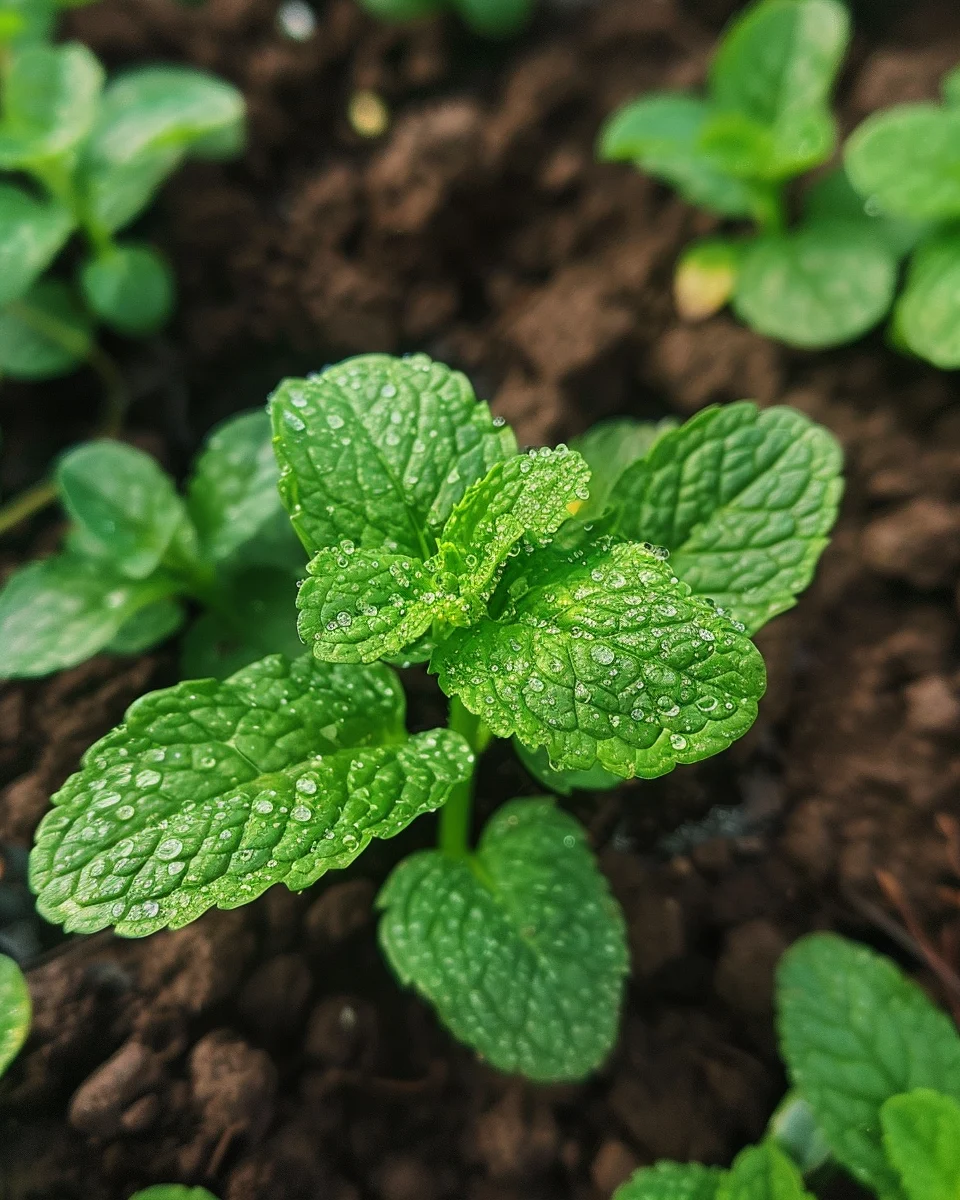
While you can start mint under grow lights during any month, many indoor gardeners prefer beginning new mint plants in September through February when outdoor gardening options are limited. This timing allows you to enjoy fresh herbs during winter months when store-bought herbs are more expensive and less flavorful. For propagation from cuttings, allow 2-3 weeks for rooting before expecting significant growth. If starting from seed, expect germination within 10-15 days when kept at 18-21°C (65-70°F). In warmer climate regions, you might choose to grow mint indoors during extreme summer heat when outdoor mint might struggle.
Best mint varieties to grow under grow lights
- Spearmint (Mentha spicata) – The classic culinary mint with excellent flavor that grows compactly under artificial lighting.
- Peppermint (Mentha × piperita) – Stronger menthol content than spearmint, perfect for teas and medicinal uses, adapts well to indoor conditions.
- Chocolate Mint (Mentha × piperita ‘Chocolate’) – Features a delightful chocolate-mint aroma, remains relatively compact for indoor growing.
- Apple Mint (Mentha suaveolens) – Milder flavor with fruity notes, has larger leaves that maximize light absorption.
- Moroccan Mint (Mentha spicata var. crispa) – Traditional tea mint with bright flavor, grows upright which is ideal for space-efficient indoor cultivation.
- Orange Mint (Mentha × piperita ‘Citrata’) – Citrus-scented variety that performs exceptionally well under LED grow lights.
- Corsican Mint (Mentha requienii) – Ultra-dwarf variety perfect for small containers under grow lights.
How to plant mint under grow lights
Materials needed:
- Mint seeds, cuttings, or small plants
- Growing containers (6-8 inch/15-20 cm pots with drainage holes)
- Quality potting mix or soilless medium
- Grow lights (LED, fluorescent, or full-spectrum)
- Timer for light cycles
- Small fan for air circulation
- Watering can with fine spout
- Liquid organic fertilizer
Step-by-step planting:
- Select containers with good drainage holes to prevent root rot, as mint prefers moist but not waterlogged conditions.
- Fill containers with high-quality potting mix, leaving 1 inch (2.5 cm) of space at the top.
- If starting from seed, sprinkle seeds lightly on the surface and cover with a thin layer (⅛ inch/3 mm) of soil.
- For cuttings or small plants, create a hole in the soil and place the roots or cutting at the same depth it was previously growing.
- Water thoroughly until moisture appears from drainage holes, using room-temperature water.
- Position containers 6-12 inches (15-30 cm) below grow lights, adjusting based on light intensity.
- Set timer to provide 14-16 hours of light daily, mimicking long summer days.
- Maintain temperature between 65-75°F (18-24°C) for optimal growth.
- Place a small fan nearby to provide gentle air circulation, strengthening stems and reducing pest issues.
How to grow mint under grow lights
Proper lighting is the cornerstone of successfully growing mint indoors. Position your grow lights 6-12 inches (15-30 cm) above plants, adjusting as they grow. Full-spectrum LED lights work best, but fluorescent T5 or T8 bulbs are also effective. Provide 14-16 hours of light daily, using a timer for consistency. Water mint when the top inch (2.5 cm) of soil feels dry, typically every 3-5 days depending on humidity and container size. Avoid overwatering, which can lead to root rot. Feed with half-strength liquid organic fertilizer every 3-4 weeks during active growth periods.
Mint grown under lights may become leggy, so pinch growing tips regularly to encourage bushier growth. Rotate containers weekly to ensure even light exposure. For container growing, choose pots at least 6 inches (15 cm) deep with good drainage. Consider using self-watering containers for more consistent moisture levels. Maintain moderate humidity (40-60%) around plants by grouping containers together or using a humidity tray. Increase air circulation with a small fan to prevent fungal issues and strengthen stems.
Caring for mint under grow lights
Regular harvesting is essential for maintaining healthy mint plants under grow lights. Harvest by pinching stems just above a leaf node to encourage branching. Never remove more than one-third of the plant at once. Prune any flowers that develop to maintain leaf production and flavor. Every 6-8 months, divide and repot mint plants to refresh the soil and prevent root binding.
Watch for common pests like spider mites, which thrive in dry indoor conditions. Symptoms include fine webbing and stippled leaves. Combat them with increased humidity and insecticidal soap applications. Powdery mildew may appear as white powder on leaves in conditions with poor air circulation. Improve airflow and remove affected leaves promptly. Root rot from overwatering presents as yellowing leaves and stunted growth; reduce watering frequency and ensure proper drainage.
Store freshly harvested mint by wrapping stems in damp paper towels and refrigerating for up to a week, or freeze chopped leaves in ice cube trays with water for longer preservation. For dried mint, harvest stems before flowering, hang in bunches in a dark, well-ventilated area until crisp, then store in airtight containers.
Understanding bolting in mint under grow lights
Bolting refers to the process when mint shifts from leaf production to flowering and seed production. While less common in indoor settings than outdoors, mint can still bolt under grow lights if conditions trigger its reproductive cycle. The primary triggers include temperature fluctuations (especially heat spikes above 80°F/27°C), light cycle disruptions, or plant stress from inconsistent watering or nutrient deficiencies.
To prevent bolting, maintain consistent temperatures between 65-75°F (18-24°C), ensure regular watering without extremes of drought or saturation, and keep light cycles consistent with your timer. If your mint does begin to bolt, immediately pinch off flower buds as they appear to redirect energy back to leaf production. Regular harvesting of leaf tips also helps discourage flowering. If bolting persists despite these measures, consider taking cuttings from the lower portions of the plant to start fresh plants, as these will be less prone to immediate flowering.
Why does mint under grow lights turn bitter?
- Insufficient light intensity: Increase light levels or move plants closer to grow lights to ensure adequate photosynthesis.
- Flowering/bolting: Remove all flower buds immediately as they appear to prevent hormonal changes that cause bitterness.
- Aging plants: Mint becomes more bitter as plants age; take cuttings to start fresh plants every 6-8 months.
- Nutrient imbalance: Excessive nitrogen can cause bitter flavors; switch to a balanced fertilizer with lower nitrogen content.
- Heat stress: Ensure temperatures remain below 75°F (24°C) and provide adequate air circulation to prevent heat build-up from lights.
Companion planting for mint under grow lights
When growing multiple herbs and plants under the same grow light setup, strategic companion planting can maximize space and plant health:
Good companions:
- Basil – Shares similar light and water requirements while repelling flies and mosquitoes.
- Oregano – Thrives under similar lighting conditions and complements mint’s pest-repelling properties.
- Chives – Grows well under the same light intensity and helps deter aphids that might attack mint.
- Parsley – Compatible light requirements and provides ground cover beneath taller mint plants.
- Lettuce – Can utilize space beneath mint in a vertical growing arrangement, benefiting from mint’s pest-deterrent qualities.
Avoid planting near:
- Other mint varieties – Different mint types can cross-pollinate, affecting flavor profiles if allowed to flower.
- Chamomile – Competes for similar resources and may inhibit mint’s growth through allelopathic effects.
- Plants requiring high-intensity light – Fruiting plants like peppers or tomatoes need stronger light than mint, creating incompatible growing environments.
Seasonal calendar
- January-February: Ideal time to start new mint plants from seed or cuttings under grow lights when outdoor gardening options are limited.
- March-April: Increase feeding schedule as natural day length increases; take cuttings for propagation.
- May-June: Monitor temperature as ambient room temperatures rise; may need to adjust grow light height to prevent heat stress.
- July-August: Maintain consistent watering during hot months; watch for spider mites in dry indoor conditions.
- September-October: Bring outdoor mint plants indoors under grow lights before first frost; divide and repot established indoor plants.
- November-December: Reduce fertilizing frequency; increase light duration to compensate for shorter natural daylight hours.
Problems & solutions
| Problem | Quick Fix |
|---|---|
| Leggy, stretched growth | Move lights closer (6-8 inches/15-20 cm above plants); increase light intensity; pinch tips regularly |
| Yellowing leaves | Check for overwatering; ensure proper drainage; may indicate nutrient deficiency—apply balanced fertilizer |
| Brown leaf edges | Increase humidity; move plants further from lights if heat damage is suspected |
| Spider mites (fine webbing) | Increase humidity; spray with insecticidal soap; improve air circulation with a small fan |
| Powdery white spots on leaves | Improve air circulation; reduce humidity; remove affected leaves; apply neem oil solution |
| Slow or stunted growth | Check light duration (increase to 14-16 hours); verify light spectrum; apply diluted liquid fertilizer |
| Root circling/bound | Transplant to larger container; divide plant and repot sections in fresh soil |
Common questions about growing mint under grow lights
Q: How many hours of artificial light does mint need daily?
A: Mint thrives with 14-16 hours of light daily under grow lights. Use a timer to maintain consistency, as irregular light periods can stress the plant.
Q: What type of grow light is best for mint?
A: Full-spectrum LED lights are ideal, but T5 or T8 fluorescent lights also work well. Mint prefers light in the blue spectrum (5000-6500K) for vegetative growth.
Q: How large should containers be for growing mint under lights?
A: Use containers at least 6-8 inches (15-20 cm) in diameter and depth with good drainage. Mint has spreading roots but can be contained in moderately sized pots.
Q: How often should I harvest mint grown under grow lights?
A: Harvest regularly once plants reach 6-8 inches (15-20 cm) tall, taking no more than one-third of the plant at once. Regular harvesting encourages bushier growth and prevents legginess.
Q: Can mint survive if grow lights are turned off for a few days?
A: Yes, mint can tolerate a few days without supplemental lighting, but growth will slow. Extended periods without adequate light will cause leggy growth and reduced flavor intensity.
Q: How close should grow lights be to mint plants?
A: Position lights 6-12 inches (15-30 cm) above plants, adjusting based on light intensity. LED lights can be closer than fluorescent or HID lights, which generate more heat.
Q: How do I know if my mint is getting enough light?
A: Healthy mint under sufficient light has compact growth, vibrant green leaves, and strong stems. Leggy growth with long internodes indicates insufficient light intensity or duration.