
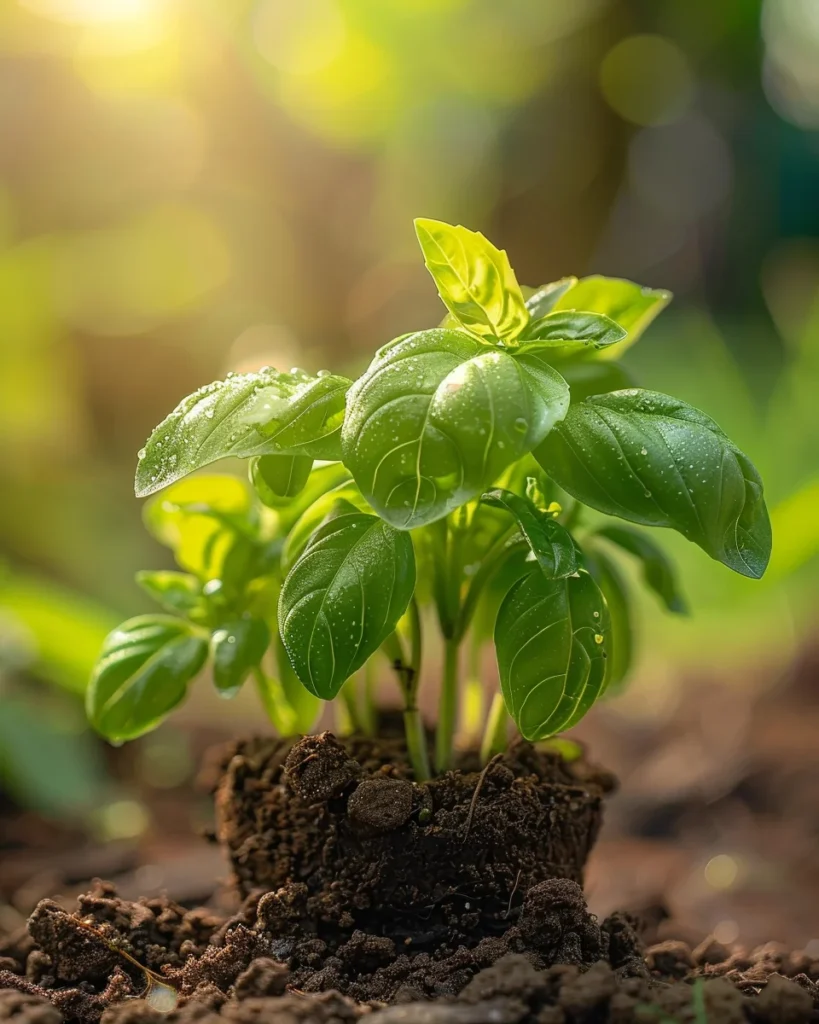
How to Grow Basil Under Grow Lights: Fresh Herbs Year-Round Regardless of Season
Intro for growing basil under grow lights
Basil is a fragrant, versatile herb that’s a staple in many kitchens, but growing it year-round can be challenging without adequate natural light. Growing basil under grow lights offers a perfect solution for continuous harvests regardless of season or outdoor conditions. This method allows you to cultivate this tender herb even in winter months or in homes with limited sunlight. With proper lighting, you can enjoy fresh, aromatic basil for your culinary creations any time of year. Indoor growing also protects basil from pests and weather extremes, giving you more control over growing conditions and often resulting in healthier, more productive plants.
When to plant basil under grow lights
One of the greatest advantages of growing basil under grow lights is that traditional growing seasons become irrelevant. You can start basil seeds indoors under grow lights at any time of year. However, if you’re growing basil to eventually transplant outdoors, start seeds 6-8 weeks before your region’s last frost date. Basil germinates best when soil temperatures are between 21-27°C (70-80°F). The herb is extremely frost-sensitive and will die when exposed to temperatures below 10°C (50°F), making grow lights ideal for year-round cultivation in most temperate regions.
Best time to plant basil under grow lights
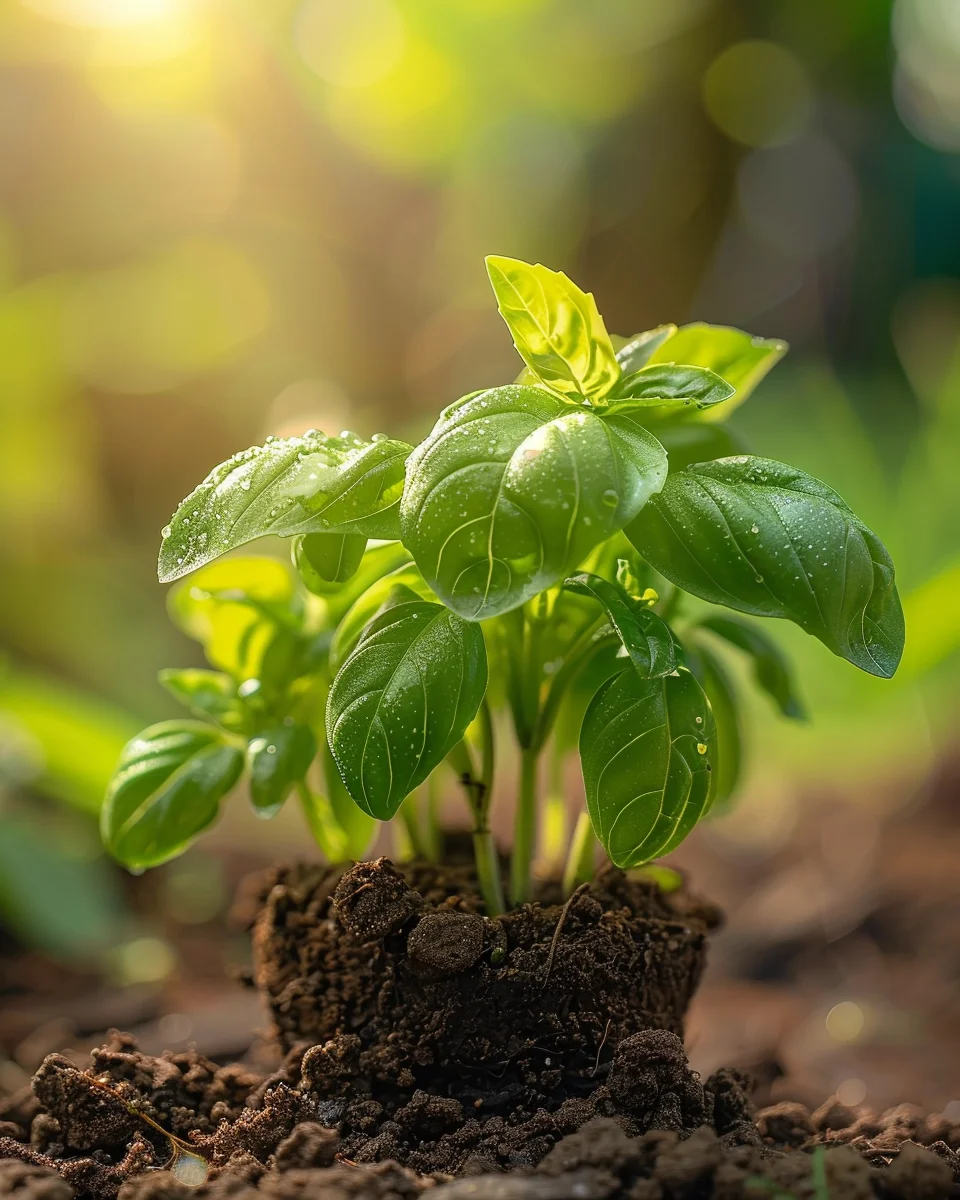
Since grow lights create an artificial growing environment, you can initiate basil planting whenever you wish. For those in cool temperate regions (UK, Northern US, Canada), starting basil under grow lights from September through February provides fresh herbs during months when outdoor growing is impossible. In warmer regions, grow lights are valuable during extreme heat periods (July-August) when basil might struggle outdoors. For a continuous supply, stagger your plantings every 3-4 weeks, starting new seeds as older plants begin to decline. Direct sowing under grow lights is the preferred method, as basil doesn’t always transplant well once established.
Best basil varieties to grow under lights
- Genovese – The classic Italian basil with large, flavorful leaves that performs exceptionally well under artificial lighting.
- Spicy Globe – Compact, bushy growth habit makes it perfect for limited grow light spaces and provides good yields.
- Thai Basil – More light-tolerant than many varieties with distinctive anise flavor and beautiful purple stems.
- Fino Verde – Small-leaved variety that branches readily, maximizing production under grow lights.
- Greek Dwarf – Naturally compact with small leaves, ideal for indoor growing with minimal space requirements.
- Lemon Basil – Citrus-scented variety that tends to grow more compactly, perfect for indoor cultivation.
- Cinnamon Basil – Distinctive flavor and moderate growth habit that responds well to artificial lighting.
How to plant basil under grow lights
Materials needed:
- Basil seeds
- Seed-starting trays or small pots (7-10 cm/3-4 inches)
- Seed-starting mix or potting soil
- Grow lights (LED, fluorescent, or full-spectrum)
- Timer for lights
- Small fan for air circulation
- Spray bottle for watering
- Heat mat (optional but helpful)
Step-by-step planting:
- Fill containers with moistened seed-starting mix, leaving 1 cm (½ inch) space at the top.
- Sow seeds thinly on the surface, about 3-4 seeds per small pot or spaced 2.5 cm (1 inch) apart in trays.
- Cover seeds with a very thin layer of soil, no more than 3 mm (⅛ inch) deep.
- Mist gently with water to avoid displacing seeds.
- Position grow lights 10-15 cm (4-6 inches) above the soil surface.
- Set timer for 14-16 hours of light daily.
- Maintain temperature between 21-24°C (70-75°F) for optimal germination.
- Once seedlings emerge (5-10 days), thin to one plant per cell or pot.
- Adjust lights to remain 5-10 cm (2-4 inches) above the growing plants as they develop.
How to grow basil under grow lights
Lighting is the most critical factor for success. Position your grow lights 5-10 cm (2-4 inches) above plants, raising them as plants grow. Basil needs 14-16 hours of light daily, followed by a dark period. For lighting, full-spectrum LEDs are ideal, but T5 fluorescent fixtures also work well. Water when the top 1 cm (½ inch) of soil feels dry, typically every 3-4 days, ensuring good drainage to prevent root rot. Feed with half-strength liquid organic fertilizer every 2-3 weeks.
Maintain good air circulation with a small fan to prevent fungal issues and strengthen stems. Humidity should be moderate (40-60%); if your indoor environment is dry, place trays on pebble-filled saucers with water. For container growing, use pots at least 15 cm (6 inches) deep with drainage holes. Pinch growing tips regularly once plants reach 15 cm (6 inches) tall to encourage bushier growth and prevent early flowering.
Caring for basil under grow lights
Regularly rotate plants to ensure even light exposure. Harvest frequently by pinching stems just above a leaf node to encourage branching. Watch for aphids, which can appear even indoors; treat with insecticidal soap or a gentle wipe with diluted neem oil. Powdery mildew can develop in poor air circulation conditions; improve airflow and avoid wetting leaves when watering.
Yellowing lower leaves typically indicate nitrogen deficiency; supplement with fish emulsion. Harvest basil in the morning when oil content is highest, taking no more than one-third of the plant at once. For storage, keep cut stems in water at room temperature for 5-7 days, or refrigerate wrapped in slightly damp paper towels for 3-4 days. Freeze chopped leaves in olive oil in ice cube trays for longer preservation.
Understanding bolting in basil under grow lights
Bolting is when basil shifts from leaf production to flowering and seed production, making leaves smaller and more bitter. Under grow lights, bolting is typically triggered by insufficient light hours (less than 14 hours daily), light intensity that’s too low, or heat stress if lights generate excessive warmth. Age is also a factor; most basil plants naturally begin flowering after 8-12 weeks of growth.
Prevent bolting by maintaining proper light duration, pinching flower buds as soon as they appear, and harvesting regularly to keep plants in vegetative growth. If bolting begins, aggressively prune back flowering stems to nodes where new growth can emerge. Consider starting new plants every 6-8 weeks for continuous production rather than trying to maintain older plants indefinitely.
Why does basil under grow lights turn bitter?
- Insufficient light intensity – Increase brightness or move lights closer to plants (but avoid heat damage).
- Beginning to flower – Remove all flower buds immediately and increase harvest frequency.
- Aging plants – Basil naturally becomes more bitter with age; start new plants every 2-3 months.
- Nutrient imbalance – Excessive nitrogen can cause bitter flavor; reduce fertilizer strength.
- Heat stress from lights – Ensure adequate distance between plants and lights, especially with non-LED systems that generate more heat.
Companion planting for basil under grow lights
Even indoors under grow lights, companion planting principles can improve growth and flavor:
- Chives – Repel aphids that commonly affect indoor basil and don’t compete for light.
- Marigolds – Their scent deters pests and they thrive under similar light conditions.
- Lettuce – Grows well under the same light conditions and utilizes lower light levels that filter through basil plants.
- Parsley – Compatible light and water requirements make them good companions.
- Cilantro – Similar growing conditions and complementary culinary uses.
Avoid growing basil near:
- Mint – Aggressive growth will compete with and overwhelm basil even in container settings.
- Rosemary – Requires drier conditions than basil, creating conflicting care requirements.
Seasonal calendar
- January-February: Ideal time to start new basil under grow lights when outdoor light is minimal.
- March-April: Continue indoor growing; prepare to transition some plants outdoors after last frost if desired.
- May-June: Indoor plants may need supplemental cooling if room temperatures rise; increase spacing between plants.
- July-August: Start new indoor plants to replace any that are flowering or becoming woody.
- September-October: Increase indoor production as outdoor plants decline; adjust light duration to 16 hours.
- November-December: Maintain consistent indoor temperature away from cold windows; continue regular harvesting.
Problems & solutions
| Problem | Quick Fix |
|---|---|
| Leggy, stretched plants | Increase light intensity; move lights closer; ensure 14-16 hours of light daily |
| Yellow leaves | Check for overwatering; apply half-strength liquid fertilizer; ensure adequate light |
| Brown leaf edges | Move lights farther from plants; check for fertilizer burn; increase humidity |
| Slow growth | Increase temperature to 21-24°C (70-75°F); check light spectrum; apply diluted seaweed fertilizer |
| Fungus gnats | Allow soil surface to dry between waterings; apply diatomaceous earth to soil surface |
| Powdery white spots | Improve air circulation; apply diluted neem oil; remove severely affected leaves |
| Curling leaves | Check for aphids under leaves; adjust humidity; ensure consistent watering |
Common questions about growing basil under grow lights
How often should I water basil grown under grow lights?
Water when the top 1 cm (½ inch) of soil feels dry to the touch, typically every 3-4 days depending on humidity and container size. Always ensure containers have drainage holes to prevent root rot.
What type of grow light is best for basil?
Full-spectrum LED grow lights are ideal as they provide the complete light spectrum basil needs while generating minimal heat. T5 fluorescent fixtures are a good budget alternative, especially for seedlings and young plants.
What size container works best for basil under grow lights?
For mature basil plants, use containers at least 15-20 cm (6-8 inches) in diameter and depth with good drainage. Smaller pots restrict root growth and require more frequent watering.
How far apart should I space basil plants under grow lights?
Space plants 20-25 cm (8-10 inches) apart to allow for good air circulation and prevent competition for light. Closer spacing results in taller, less bushy plants.
How long will basil plants produce under grow lights?
With proper care, basil plants can remain productive for 3-4 months under grow lights before becoming woody and less flavorful. For continuous harvest, start new plants every 6-8 weeks.
How often should I harvest basil grown under grow lights?
Harvest frequently once plants reach 15 cm (6 inches) tall, taking no more than one-third of the plant at once. Regular harvesting encourages bushier growth and delays flowering.
Can I use regular LED bulbs instead of grow lights for basil?
Standard LED bulbs lack the specific light spectrum plants need for photosynthesis. While basil might survive under regular LEDs, growth will be poor and leggy. Invest in proper grow lights for healthy, productive plants.