
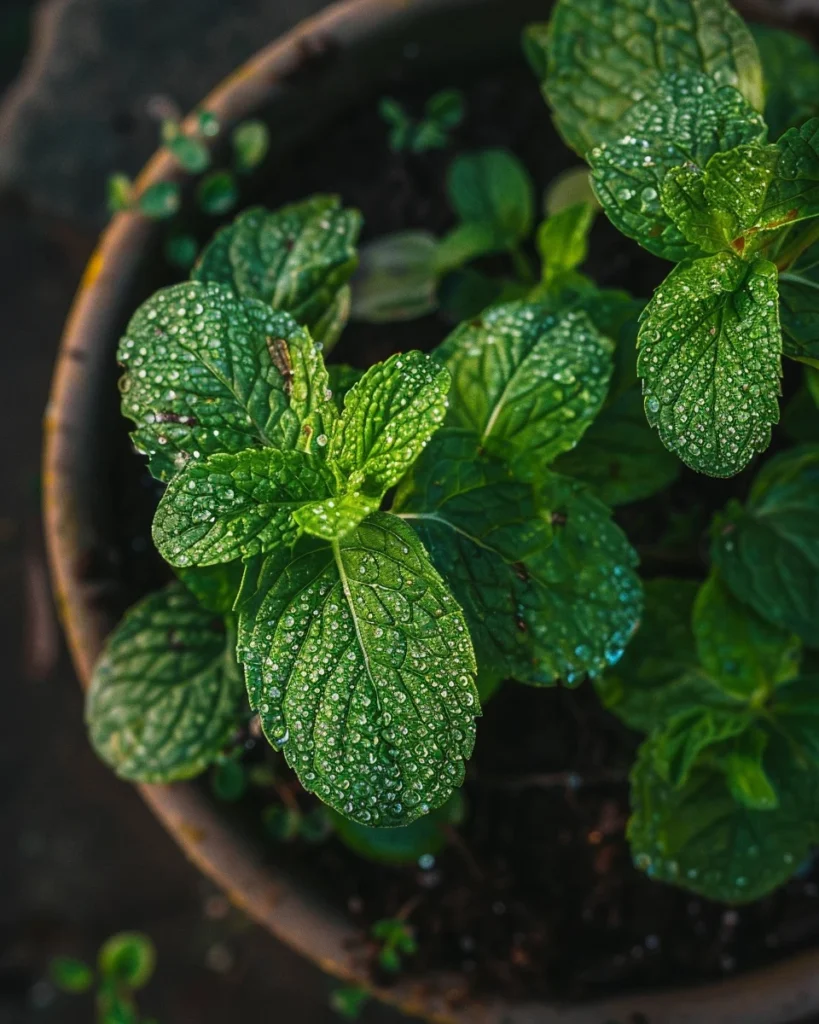
How to Grow Mint in Containers: Easy Steps for Endless Fresh Herbs
Intro for growing mint in containers
Mint is one of the most rewarding herbs to grow in containers, offering abundant harvests with minimal effort. This aromatic perennial herb belongs to the Lamiaceae family and includes Breitling replica watches numerous varieties like spearmint, peppermint, and chocolate mint. Growing mint in containers is highly recommended as it controls its notoriously invasive nature while providing easy access to fresh leaves for teas, cocktails, desserts, and savory dishes. Container-grown mint thrives in most temperate regions, adapting well to both sunny and partially shaded locations. With its vigorous growth habit and refreshing flavor, containerized mint offers year-round harvests in mild climates and returns reliably after winter in colder zones.
When to plant mint in containers
Mint performs best when planted after the danger of frost has passed and soil temperatures reach at least 21°C (70°F). In general temperate regions, this typically falls between mid-spring Rolex replica watches and early summer. Mint is frost-sensitive when young but becomes surprisingly hardy once established. In cooler regions (UK or US Zones 4-6), wait until nighttime temperatures consistently stay above 10°C (50°F). Mediterranean and warm-climate gardeners can plant mint nearly year-round, avoiding only the hottest summer months when establishment can be challenging. For indoor containers, timing is flexible as long as adequate light is provided.
Best time to plant mint in containers
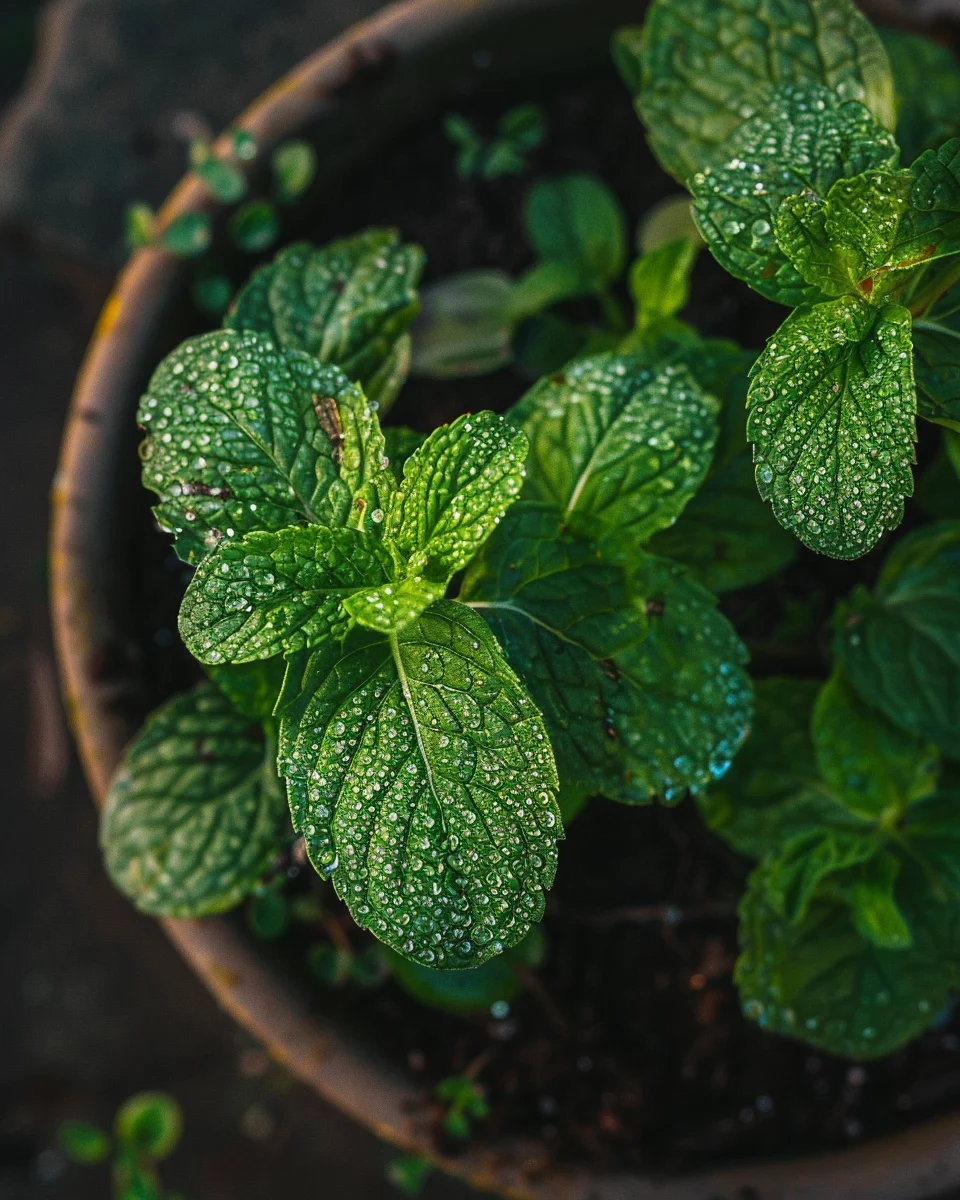
For cool temperate regions (US Zones 4-6, UK), the optimal planting window is April through June. In warmer zones (US 7-10, Mediterranean), March through May and September through October work best, avoiding summer heat stress during establishment. Mint transplants establish more quickly than seeds, which can be slow to germinate. For direct sowing, plant seeds 6-8 weeks before your last frost date indoors, then transplant outside. In mild winter areas, fall planting (September-October) gives mint time to establish roots before the following summer, resulting in stronger growth.
Best mint varieties to grow
- Spearmint (Mentha spicata) – The classic culinary replica watches mint with sweet flavor, excellent for containers and beginner-friendly.
- Peppermint (Mentha × piperita) – More intense menthol flavor than spearmint, ideal for teas and medicinal uses.
- Apple Mint (Mentha suaveolens) – Fuzzy, rounded leaves with a fruity aroma, more heat-tolerant than other varieties.
- Chocolate Mint (Mentha × piperita ‘Chocolate’) – Distinctive chocolate-peppermint aroma, perfect for desserts and container gardens.
- Mojito Mint (Mentha × villosa) – The authentic Cuban mint for cocktails, with a milder flavor and excellent container performance.
- Orange Mint (Mentha × piperita ‘Citrata’) – Citrus-scented leaves that work beautifully in containers and resist bolting.
- Corsican Mint (Mentha requienii) – Tiny-leaved creeping variety perfect for small containers, with intense fragrance.
How to plant mint in containers
Materials needed:
- Container (minimum 20 cm/8 in diameter, 15 cm/6 in deep)
- Quality potting mix
- Mint seedlings, cuttings, or seeds
- Slow-release fertilizer (optional)
- Watering can
- Drainage material (optional)
Step-by-step planting:
- Select a container with drainage holes; plastic, ceramic, or terracotta all work well.
- Cover drainage holes with mesh or broken pottery pieces to prevent soil loss while maintaining drainage.
- Fill the container with quality potting mix to about 2.5 cm (1 inch) below the rim.
- If using seedlings, dig a hole slightly larger than the root ball.
- Remove mint plant from its nursery container, gently loosen the roots if pot-bound.
- Place the plant in the hole with the top of the root ball level with the soil surface.
- For seeds, scatter thinly on the surface and cover with a 3 mm (1/8 inch) layer of soil.
- Water thoroughly until moisture drains from the bottom holes.
- Place the container in its final position, considering light requirements.
- Apply a thin layer of mulch to retain moisture (optional).
How to grow mint in containers
Mint in containers thrives with 4-6 hours of sunlight daily, though it appreciates afternoon shade in hot climates. Water when the top 2.5 cm (1 inch) of soil feels dry, typically every 2-3 days during summer and less frequently in cooler weather. Container mint dries out faster than garden-grown plants, so check moisture levels regularly. Feed with half-strength balanced liquid fertilizer monthly during the growing season, or incorporate slow-release fertilizer when planting. Prune regularly to encourage bushy growth and prevent flowering, which can reduce leaf flavor. Mint containers benefit from occasional root pruning – every spring, remove the plant, trim 1/3 of the roots, and repot with fresh soil to prevent becoming root-bound. For winter, move containers to a protected location in zones 4-6; in milder areas, containers can remain outdoors with reduced watering.
Caring for mint in containers
Regular harvesting is the best maintenance for mint – pinch stem tips frequently to encourage branching. Watch for aphids, spider mites, and mint rust. For aphids and mites, spray with insecticidal soap or a strong water jet; for rust (orange spots on leaves), improve air circulation, avoid overhead watering, and remove affected leaves. Powdery mildew can appear in humid conditions – treat by improving airflow and applying neem oil. Harvest mint in the morning when essential oils are strongest, taking up to 1/3 of the plant at once. Pick leaves before flowering for best flavor. Fresh mint keeps for 7-10 days refrigerated in a damp paper towel inside a plastic bag. For long-term storage, freeze chopped leaves in ice cube trays with water or dry leaves in a well-ventilated area away from direct sunlight.
Understanding bolting in mint
Bolting in mint refers to the plant shifting from leaf production to flowering and seed production. While less problematic than in annual herbs, bolting can reduce leaf flavor and quality. The primary triggers include long daylight hours, heat stress (consistently above 26°C/80°F), and root confinement. Prevent bolting by regularly harvesting stems, providing afternoon shade during hot periods, and ensuring adequate water. If mint begins to bolt, immediately pinch off flower buds and cut the plant back by half to redirect energy to leaf production. Unlike some herbs, mint recovers well from bolting and will continue producing leaves after flowering, though they may be slightly less flavorful until new growth emerges.
Why does mint turn bitter?
- Age of leaves: Older leaves naturally develop more bitter compounds – harvest younger growth for sweeter flavor.
- Flowering: Once mint produces flowers, leaves often develop bitter notes – regularly remove flower buds.
- Heat stress: Excessive heat causes mint to produce more defensive compounds – provide afternoon shade in hot climates.
- Nutrient deficiency: Particularly nitrogen shortage can cause bitterness – feed container mint regularly with balanced fertilizer.
- Water stress: Both drought and overwatering can trigger bitter flavor development – maintain consistent moisture.
Companion planting for mint in containers
When creating mixed containers, mint pairs well with several plants while potentially overwhelming others. Good companions include:
- Oregano – Similar water requirements and growth habits make them compatible container mates.
- Thyme – Works well planted along container edges while mint occupies the center.
- Nasturtiums – Their trailing habit complements mint’s upright growth, and both repel certain pests.
- Marigolds – Help deter pests that might affect mint while adding color to herb containers.
- Chives – Grow well with similar conditions and their onion scent can help mask mint from some pests.
Avoid planting mint with:
- Rosemary or lavender – Their drought-tolerant nature conflicts with mint’s moisture needs.
- Chamomile – Can be overwhelmed by mint’s aggressive growth in shared containers.
Seasonal calendar
- January-February: Indoor maintenance only; reduce watering for overwintering containers.
- March: Start seeds indoors; prepare containers for spring planting; divide and repot established plants.
- April: Transplant seedlings outdoors after frost danger; fertilize established plants.
- May-June: Regular harvesting begins; water consistently as temperatures rise.
- July-August: Frequent harvesting; monitor for heat stress; provide afternoon shade if needed; watch for pests in hot weather.
- September: Continue harvesting; plant new containers for fall; reduce fertilizing.
- October: Last major harvest in cold regions; prepare containers for winter.
- November-December: Move containers to protected locations in zones 4-6; reduce watering; indoor containers continue light harvesting.
Note: In warm regions (zones 9-11), growth continues year-round with reduced winter vigor. In very cold areas (zones 2-3), bring containers indoors or treat as annuals.
Problems & solutions
| Problem | Quick Fix |
|---|---|
| Yellowing leaves | Check for overwatering; ensure proper drainage; apply diluted balanced fertilizer. |
| Leggy, sparse growth | Increase sunlight; pinch tips regularly to encourage branching; repot if root-bound. |
| Wilting despite moist soil | Check for root rot; ensure container isn’t too hot; inspect for spider mites. |
| Brown leaf edges | Increase humidity; move from hot, dry locations; check for fertilizer burn. |
| Stunted growth | Repot with fresh soil; check for pests under leaves; ensure adequate nutrition. |
| Mint spreading beyond container | Trim escaping runners; elevate container; place on saucer or hard surface. |
| White powdery coating on leaves | Treat powdery mildew with neem oil; improve air circulation; avoid overhead watering. |
Common questions about growing mint in containers
How often should I water mint in containers?
Water when the top inch of soil feels dry, typically every 2-3 days in summer and once weekly in cooler weather. Container mint needs more frequent watering than garden-planted mint.
How much sunlight does container mint need?
Mint thrives with 4-6 hours of sunlight daily. Morning sun with afternoon shade is ideal in hot climates, while full sun works well in cooler regions.
What size container is best for mint?
Use containers at least 20-25 cm (8-10 inches) in diameter and 15 cm (6 inches) deep. Larger containers hold moisture better and allow room for mint’s spreading roots.
How far apart should mint plants be spaced in containers?
For multiple plants in a large container, space them 20-25 cm (8-10 inches) apart. For most home uses, a single plant per 20 cm (8-inch) container is sufficient as mint fills space quickly.
Can mint survive winter in containers?
In zones 7-10, mint overwinters well in containers outdoors. In colder regions (zones 4-6), move containers to a protected location like an unheated garage or bury the container in the ground for insulation.
How often should I harvest mint from containers?
Harvest frequently – at least every 2-3 weeks during the growing season. Regular harvesting encourages bushier growth and prevents flowering, which can reduce flavor intensity.
Do I need to repot container mint, and when?
Repot annually in spring. Mint becomes root-bound quickly, which reduces vigor. Divide the plant, trim roots, and refresh with new potting soil for continued productivity.