
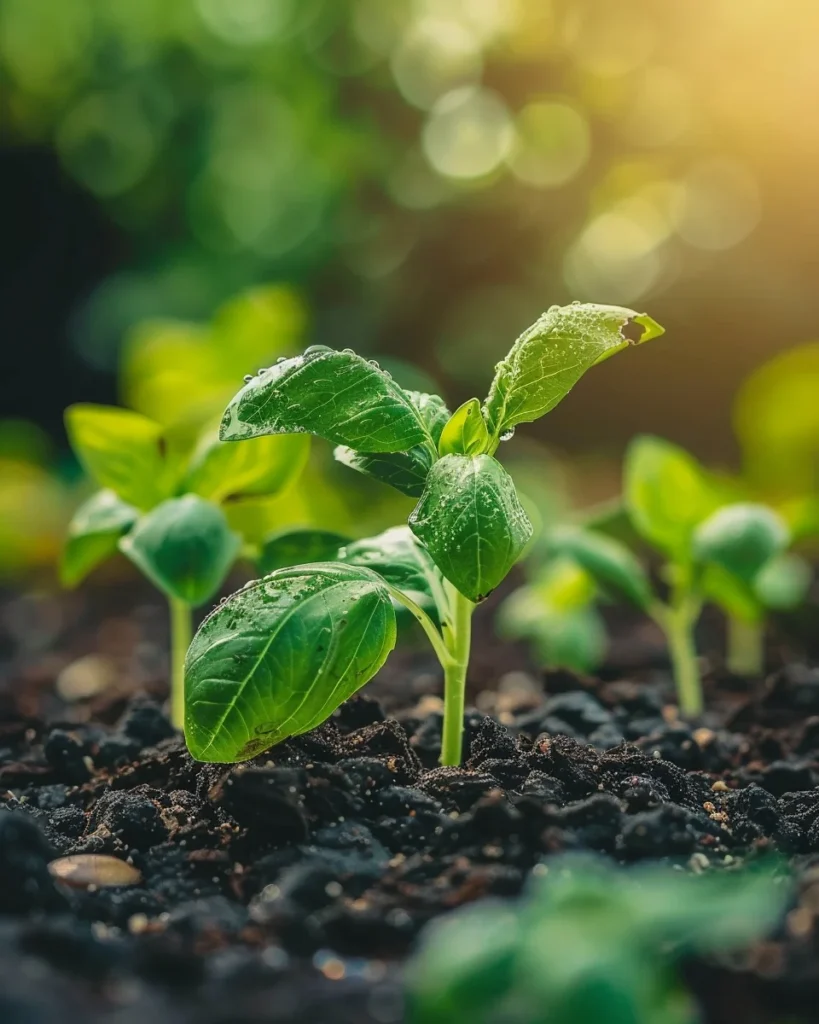
How to Grow Sweet Basil from Seed: When to Plant, Best Varieties & Essential Care Tips
Intro for growing sweet basil from seed
Sweet basil (Ocimum basilicum) is the aromatic cornerstone of home herb gardens, prized for its distinctive flavor that enhances countless culinary creations. This tender annual herb, with its replica watches UK glossy green leaves and subtle clove-like aroma, is surprisingly easy to grow from seed. Native to tropical regions of Asia and Africa, sweet basil thrives in warm, sunny conditions with well-draining soil. Perfect for containers, raised beds, or traditional garden plots, growing basil from seed offers gardeners an economical way to ensure a continuous summer harvest. Whether you’re planning to make homemade pesto, garnish summer salads, or add fresh flavor to tomato dishes, learning to grow sweet basil from seed will reward you with abundant harvests throughout the growing season.
When to plant sweet basil from seed
Sweet basil is a heat-loving herb that requires warm soil and air temperatures to thrive. Seeds should be sown after all danger of frost has passed and soil temperatures consistently reach 15-18°C (60-65°F). In most temperate regions, this typically falls between mid-spring and early summer.
For gardeners in cooler climates (UK, Northern US, Canada), wait Breitling replica until late spring when nighttime temperatures remain above 10°C (50°F). Mediterranean and warm-climate gardeners (US Zones 9-11) can start basil earlier, sometimes as early as late winter in protected settings. Basil is extremely frost-sensitive, so even a light frost can damage or kill plants, making timing crucial for successful cultivation.
Best time to plant sweet basil from seed
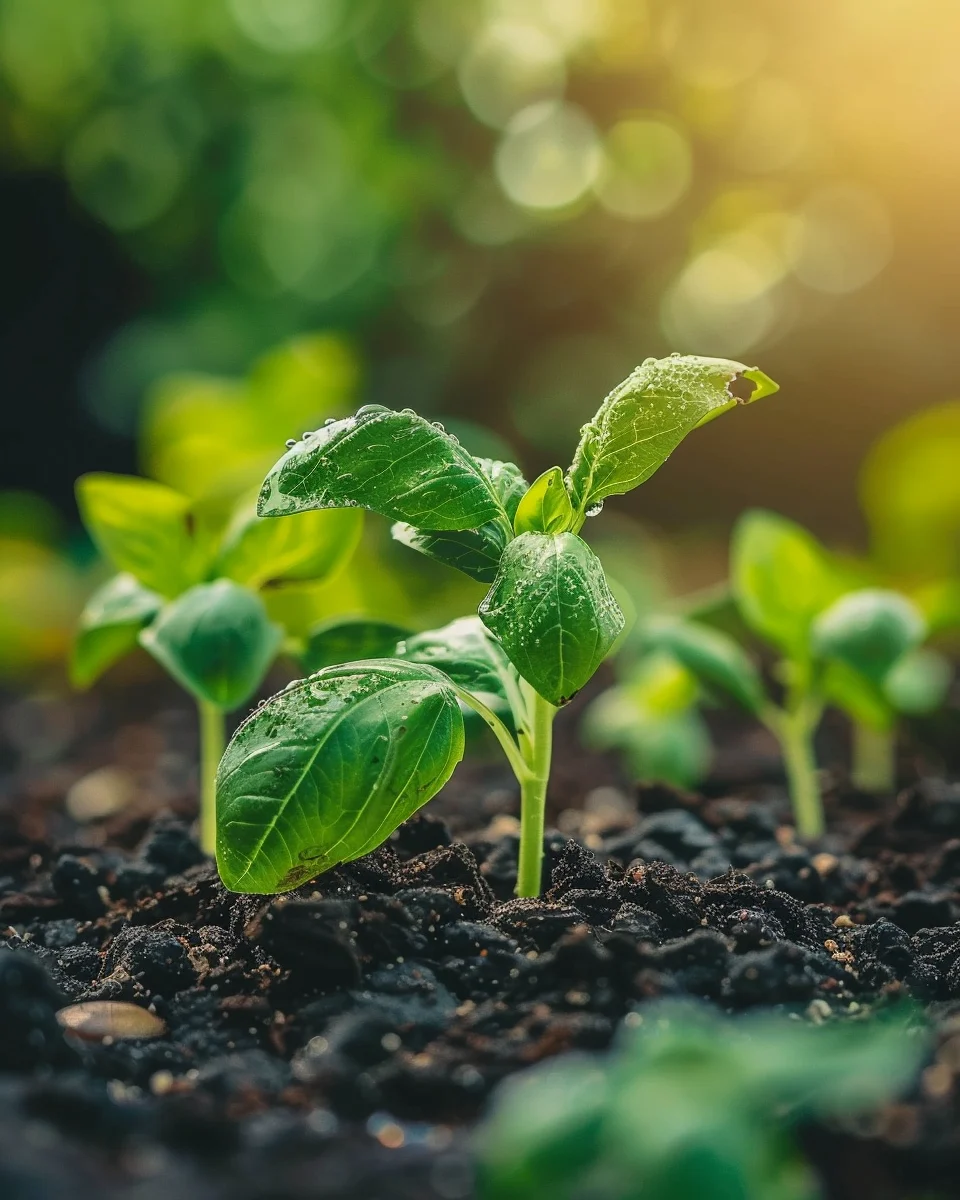
For indoor seed starting in cool/temperate regions (US Zones 3-7, UK), sow seeds 6-8 weeks before your last expected frost date, typically February to April. This gives seedlings time to develop before transplanting outdoors in May or June when soil has thoroughly warmed.
For direct sowing in warm regions (US Zones 8-11, Mediterranean), plant seeds from April through July. In tropical or subtropical climates, basil can be grown year-round, though you may need to provide afternoon shade during the hottest months.
For continuous harvests, consider succession planting replica watches by starting new seeds every 3-4 weeks through mid-summer. This ensures fresh, tender leaves throughout the growing season and compensates for any plants that begin to flower or decline.
Best sweet basil varieties to grow
- Genovese – The classic Italian sweet basil with large, dark green leaves perfect for pesto and Mediterranean cooking.
- Thai Basil – Heat-tolerant variety with purple stems and anise flavor, excellent for Asian cuisine and more resistant to bolting.
- Spicy Globe – Compact, bush-like growth habit making it ideal for containers and small spaces.
- Mammoth – Produces enormous leaves (up to 4 inches long) for maximum harvest with minimal plants.
- Fino Verde – Small-leaved variety with exceptional aroma that’s slow to bolt and perfect for container growing.
- Purple Basil – Stunning purple foliage adds ornamental value while offering a slightly spicier flavor than green varieties.
- Lemon Basil – Citrus-scented leaves that pair beautifully with fish dishes and summer drinks.
- Cinnamon Basil – Spicy, cinnamon-like flavor with purple stems that works well in fruit salads and desserts.
How to plant sweet basil from seed
Materials needed:
- Fresh basil seeds (less than 2 years old for best germination)
- Seed-starting trays or small pots with drainage holes
- Seed-starting mix or light potting soil
- Spray bottle for gentle watering
- Clear plastic cover or plastic wrap (optional, for humidity)
- Grow lights or sunny windowsill
- Small fan for air circulation (optional)
- Plant markers or labels
Step-by-step planting instructions:
- Fill seed trays or pots with moistened seed-starting mix to about 1/4 inch (0.6 cm) from the top.
- Sprinkle seeds thinly across the surface, aiming for 2-3 seeds per cell or small pot. Basil seeds are small, so don’t bury them.
- Cover seeds with a very thin layer of soil (about 1/8 inch or 0.3 cm) or simply press them gently into the surface.
- Mist thoroughly with a spray bottle to avoid displacing seeds.
- If using a humidity dome or plastic wrap, cover the container to retain moisture during germination.
- Place in a warm location (21-24°C/70-75°F) – heat mats can help maintain optimal temperature.
- Once seedlings emerge (typically 5-10 days), remove covers and place under grow lights or in a sunny window.
- When seedlings develop their first true leaves, thin to one plant per cell by snipping extras at soil level.
- For direct sowing outdoors, prepare soil by incorporating compost, space rows 45-60 cm (18-24 inches) apart, and sow seeds 6 mm (1/4 inch) deep.
- After danger of frost, transplant indoor seedlings to garden beds or containers, spacing plants 20-30 cm (8-12 inches) apart.
How to grow sweet basil from seed
Sunlight requirements: Sweet basil needs 6-8 hours of direct sunlight daily. In very hot climates (zones 9+), provide afternoon shade to prevent leaf scorch and reduce bolting.
Watering schedule: Keep soil consistently moist but never soggy. Water at the base of plants when the top inch of soil feels dry. Typically, this means watering deeply 1-2 times per week, increasing during hot weather. Container plants may need daily watering in summer.
Fertilizing: Apply a balanced, water-soluble fertilizer diluted to half-strength every 4-6 weeks. Alternatively, use fish emulsion or compost tea monthly. Avoid high-nitrogen fertilizers which can reduce flavor intensity.
Mulching: Apply a 2.5 cm (1 inch) layer of light mulch like straw or shredded leaves around plants to retain moisture and suppress weeds. Keep mulch away from stems to prevent rot.
Pruning: Regular harvesting serves as pruning. Pinch growing tips when plants reach 15 cm (6 inches) tall to encourage bushier growth. Always remove flower buds as they appear to extend the harvest season.
Container growing: Choose pots at least 20 cm (8 inches) deep with drainage holes. Terra cotta pots work well as they allow soil to breathe. One plant per 20 cm (8-inch) pot is ideal, though you can grow 2-3 plants in larger containers. Container plants dry out faster, so monitor soil moisture daily during summer.
Caring for sweet basil from seed
Ongoing maintenance: Check plants weekly for signs of flowering and pinch off flower buds promptly. Harvest regularly to encourage new growth, taking no more than 1/3 of the plant at once. Rotate container plants occasionally to ensure even growth and sun exposure.
Common pests and diseases:
- Aphids: Tiny green insects cluster on new growth. Spray with insecticidal soap or a strong stream of water.
- Japanese beetles: Hand-pick in morning when sluggish or use row covers during peak season.
- Slugs: Set up beer traps or apply diatomaceous earth around plants.
- Fusarium wilt: Soil-borne fungus causing yellowing and wilting. Remove affected plants and avoid planting basil in that location for 3-4 years.
- Downy mildew: Yellow patches on leaves with gray fuzz underneath. Improve air circulation, avoid overhead watering, and remove affected leaves.
Harvesting: Begin harvesting when plants have at least 6-8 leaves and are about 15-20 cm (6-8 inches) tall. Harvest in the morning after dew has dried for best flavor. Cut stems just above a leaf node to encourage branching. For large harvests, never take more than 1/3 of the plant at once.
Storage: Fresh basil keeps for 3-5 days with stems in water like a bouquet (room temperature, not refrigerated). For longer storage, freeze chopped leaves in ice cube trays with water or oil, or dry leaves in a well-ventilated area away from direct sunlight.
Understanding bolting in sweet basil
Bolting is when basil shifts from leaf production to flowering and seed production, causing leaves to become smaller and more bitter. This natural process is triggered primarily by heat and day length, with plants sensing when to complete their life cycle.
Common bolting triggers include:
- Extended periods of temperatures above 29°C (85°F)
- Long daylight hours (14+ hours) signaling mid-summer
- Root stress from inconsistent watering or cramped containers
- Nutrient deficiencies or imbalances
- Age – most basil naturally flowers after 8-10 weeks of growth
Prevention strategies: Provide afternoon shade during heat waves, maintain consistent watering, harvest regularly, and immediately pinch off any flower buds that appear. Succession planting every 3-4 weeks ensures you always have young plants that are less prone to bolting.
If your basil does bolt, you can still use the leaves, though they may be slightly more bitter. Consider letting a few plants flower to attract pollinators and collect seeds for next season. The flowers are edible and make attractive garnishes.
Why does sweet basil turn bitter?
- Flowering/bolting: Once basil begins producing flowers, leaves develop a bitter taste. Solution: Regularly pinch off flower buds as soon as they appear.
- Heat stress: Extended periods above 32°C (90°F) can cause bitterness. Solution: Provide afternoon shade during heat waves and ensure consistent watering.
- Age: Older leaves, especially lower on the plant, naturally become more bitter. Solution: Harvest younger leaves from the top of the plant for the sweetest flavor.
- Insufficient water: Drought stress concentrates compounds that create bitterness. Solution: Maintain even soil moisture, never allowing plants to wilt.
- Nutrient imbalance: Excessive nitrogen fertilizer can affect flavor. Solution: Use balanced, organic fertilizers at half-strength.
Companion planting for sweet basil
Good companions:
- Tomatoes – Basil may improve tomato flavor and repel certain tomato pests; they also share similar growing requirements.
- Peppers – Basil helps deter aphids, spider mites, and thrips that commonly attack pepper plants.
- Asparagus – Basil can help repel asparagus beetles with its strong aroma.
- Marigolds – These flowers repel nematodes and other soil pests that might affect basil.
- Chamomile – Improves the essential oil content and flavor of nearby basil plants.
- Lettuce – Basil provides light shade for lettuce in summer, extending its growing season.
Plants to avoid near basil:
- Rue – Contains compounds that inhibit basil growth and can cause cross-contamination of flavors.
- Sage – Competes with basil for nutrients and may inhibit growth.
- Other basil varieties – Different basil types can cross-pollinate, affecting seed purity if you plan to save seeds.
Seasonal calendar
- February-March: Start seeds indoors in warm regions; prepare garden beds with compost.
- April: Start seeds indoors in cooler regions; direct sow in warm regions after last frost.
- May: Transplant seedlings outdoors in most regions when soil has warmed; begin succession planting.
- June: Begin regular harvesting; monitor for pests; pinch flower buds; fertilize lightly.
- July: Continue succession planting; provide afternoon shade in hot regions; increase watering frequency.
- August: Harvest heavily; take cuttings to root indoors for winter; begin collecting seeds from selected plants.
- September: Final harvests in cooler regions; continue growing in warm climates; process and preserve excess basil.
- October: Pull spent plants in most regions; continue growing in zones 9-11; prepare dried basil for storage.
Note: In cool regions (Zones 3-5), shift this calendar 2-3 weeks later. In warm regions (Zones 9-11), shift 2-3 weeks earlier and extend growing season through fall.
Problems & solutions
| Problem | Quick Fix |
|---|---|
| Leggy, sparse seedlings | Increase light intensity; move grow lights closer; rotate plants regularly. |
| Yellow leaves | Check for overwatering; ensure proper drainage; apply diluted balanced fertilizer if nutrient deficient. |
| Black spots on leaves | Likely fungal issue; improve air circulation; avoid overhead watering; remove affected leaves. |
| Holes in leaves | Check undersides for pests; apply neem oil spray; introduce beneficial insects like ladybugs. |
| Wilting despite moist soil | Possible root rot or fusarium wilt; ensure proper drainage; avoid replanting basil in same location. |
| Stunted growth | Check soil temperature (should be above 15°C/60°F); ensure adequate sunlight; test soil pH (aim for 6.0-7.0). |
| Flowering too early | Pinch all flower buds immediately; harvest more frequently; provide afternoon shade in hot weather. |
Common questions about growing sweet basil from seed
Q: How often should I water my basil plants?
A: Water when the top inch of soil feels dry to the touch, typically every 3-4 days in garden beds and daily in containers during hot weather. Consistent moisture is key, but avoid waterlogged soil which can cause root rot.
Q: Can basil grow in partial shade?
A: While basil prefers full sun (6+ hours daily), it can tolerate partial shade, especially in hot climates where afternoon shade may actually prevent stress and bolting. In low-light conditions, expect slower growth and less intense flavor.
Q: What size container is best for growing basil?
A: Use containers at least 20 cm (8 inches) deep with a similar diameter. One plant needs a minimum 2-liter (half-gallon) pot, though larger containers allow for better root development and require less frequent watering.
Q: How far apart should I space basil plants?
A: Space plants 20-30 cm (8-12 inches) apart in garden beds. For bushy varieties like Spicy Globe, 20 cm is sufficient, while larger varieties like Mammoth or Genovese benefit from 30 cm spacing to allow proper air circulation.
Q: How cold-tolerant is basil?
A: Basil is extremely sensitive to cold. It suffers damage below 10°C (50°F) and will die with frost. If temperatures are expected to drop below 10°C, cover plants or bring containers indoors.
Q: How often should I harvest basil to keep it productive?
A: Harvest basil every 1-2 weeks once plants are established. Regular harvesting encourages bushier growth and prevents flowering. Always cut just above a leaf node, taking no more than one-third of the plant at once.
Q: Can I grow basil indoors year-round?
A: Yes, with sufficient light (a sunny south-facing window or grow lights providing 10-12 hours of light daily), proper watering, and temperatures between 18-24°C (65-75°F). Indoor plants typically grow more slowly and may need supplemental humidity in winter.