
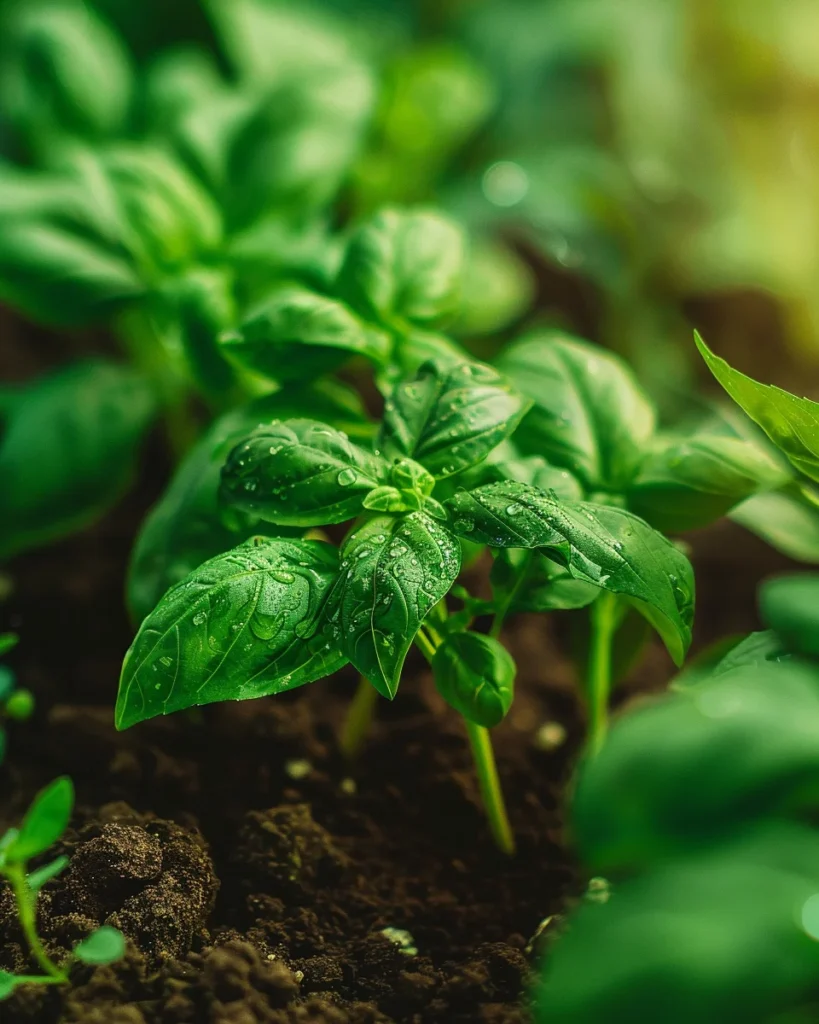
How to Grow Basil Indoors: Fresh Herbs Year-Round on Your Windowsill
Intro for growing basil indoors
Basil is one of the most rewarding herbs to grow indoors, offering fresh, aromatic leaves for cooking regardless of the season outside. This tender annual, botanically known as Ocimum basilicum, thrives in warm, bright replica watches environments, making it perfect for sunny windowsills and kitchen counters. Indoor basil cultivation allows you to harvest this culinary staple year-round, avoiding the disappointment of frost-killed garden plants. With its distinctive flavor profile ranging from sweet to spicy depending on the variety, basil enhances countless dishes from Italian classics to Thai curries. Even in small spaces, growing basil indoors provides a continuous supply of fresh herbs while filling your home with its delightful fragrance.
When to plant basil indoors
The beauty of indoor basil cultivation is that traditional growing seasons become largely irrelevant. You can start basil indoors at any time of year, though seeds germinate best when soil temperatures replica Rolex are between 21-27°C (70-80°F). If you’re growing basil indoors specifically to later transplant outdoors, start seeds 6-8 weeks before your region’s last frost date. For year-round indoor cultivation, timing is flexible, though natural light levels will be highest during spring and summer months. In temperate regions with distinct seasons, supplemental lighting may be necessary during shorter winter days to maintain healthy growth.
Best time to plant basil indoors
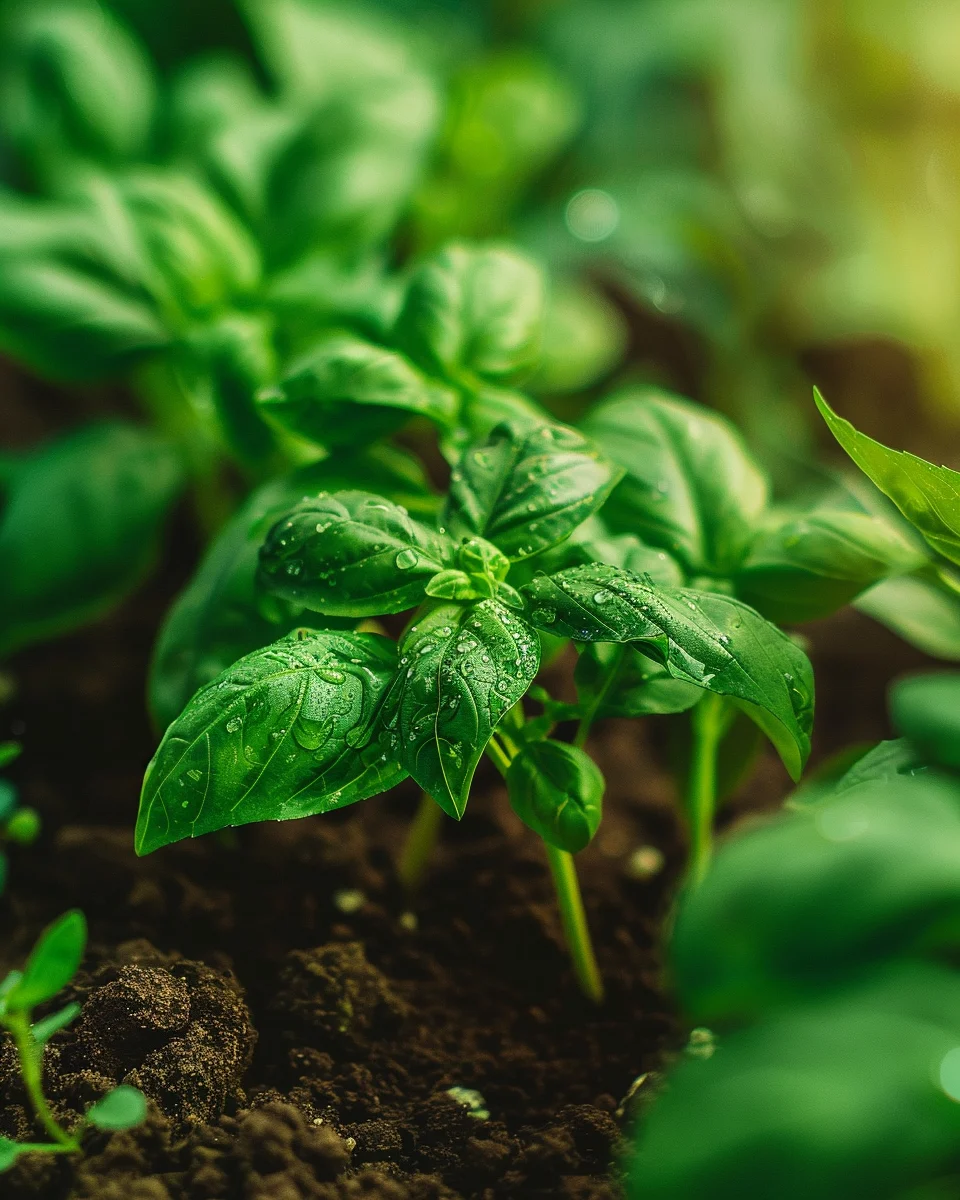
For indoor basil that will remain indoors, any month works well provided you can maintain appropriate light and temperature conditions. In cooler climates (UK, Northern US, Canada), starting seeds in February-March takes advantage of increasing natural daylight. In warmer regions (US Zones 8-10, Mediterranean areas), September-October plantings can thrive as indoor temperatures remain ideal when outdoor conditions become less favorable. For Rolex replica watches continuous harvests, consider staggered plantings every 3-4 weeks. Direct sowing into final containers is preferable for indoor basil as it eliminates transplant shock, though seedlings can be started in trays and moved to larger containers once they develop 2-3 sets of true leaves.
Best basil varieties to grow indoors
- Genovese – The classic Italian basil with large, fragrant leaves perfect for pesto and most culinary uses.
- Spicy Globe – Compact, bushy growth habit ideal for containers with small, intensely flavored leaves.
- Greek Dwarf – Naturally small variety (15-20cm/6-8in tall) with tiny leaves and excellent for limited spaces.
- Thai Basil – Distinctive anise flavor, purple stems, and excellent resistance to bolting in warm conditions.
- Lemon Basil – Bright citrus notes complement its basil flavor, making it versatile for both savory dishes and teas.
- Cinnamon Basil – Spicy, aromatic variety with purple-tinged stems that thrives in containers.
- Windowbox Mini – Bred specifically for indoor growing with compact form and continuous leaf production.
How to plant basil indoors
Materials needed:
- Basil seeds or seedlings
- Container(s) with drainage holes (15-20cm/6-8in diameter minimum)
- High-quality potting mix (not garden soil)
- Organic fertilizer (balanced, slow-release)
- Spray bottle for misting
- Clear plastic cover or plastic wrap (optional, for seed starting)
- Grow lights (optional, for low-light environments)
Step-by-step planting:
- Fill containers with moistened potting mix to about 2.5cm (1in) below the rim.
- If using seeds, sprinkle them lightly over the soil surface (basil needs light to germinate).
- Cover seeds with just a thin layer (3mm/⅛in) of potting mix or vermiculite.
- Mist thoroughly with water to settle seeds without displacing them.
- Place in a warm location (21-27°C/70-80°F) – a seedling heat mat can help.
- Cover with clear plastic to maintain humidity until germination (5-10 days).
- Once seedlings emerge, remove plastic and place in the brightest location available.
- When seedlings develop their first true leaves, thin to 2-3 plants per 15cm (6in) pot.
- If transplanting seedlings, dig holes slightly larger than the root ball and plant at the same depth as they were growing previously.
- Water gently after planting and place in a location receiving at least 6 hours of bright light daily.
How to grow basil indoors
Basil requires significant light to thrive indoors – place containers in south or west-facing windows that receive at least 6-8 hours of direct sunlight daily. If natural light is insufficient, supplement with grow lights positioned 15-30cm (6-12in) above plants for 12-14 hours daily. Maintain temperatures between 18-27°C (65-80°F); avoid cold drafts and locations near air conditioning vents.
Water when the top 2.5cm (1in) of soil feels dry to the touch, typically every 3-4 days depending on humidity and container size. Always water at soil level to keep foliage dry. Feed with half-strength liquid organic fertilizer every 4-6 weeks during active growth. Regularly pinch growing tips to encourage bushiness and prevent flowering, which affects leaf flavor. For container growing, use pots at least 15cm (6in) deep with excellent drainage, and consider self-watering containers for more consistent moisture levels.
Caring for basil indoors
Harvest basil regularly by pinching stems just above a leaf node to encourage branching. Never remove more than one-third of the plant at once. Rotate containers weekly to ensure even growth as plants naturally lean toward light sources. Increase humidity around plants by grouping containers together or using pebble trays filled with water beneath pots (ensuring pot bottoms don’t touch water).
Common pests include aphids, whiteflies, and spider mites – inspect undersides of leaves weekly. For infestations, spray with insecticidal soap or neem oil solution. Fungal issues like powdery mildew can develop in humid conditions with poor air circulation – improve ventilation and avoid wetting foliage. Harvest in the morning when essential oil content is highest, and store cut stems in water at room temperature for up to a week, or refrigerate leaves between damp paper towels for 2-3 days.
Understanding bolting in basil indoors
Bolting is when basil shifts from leaf production to flowering and seed production, causing stems to elongate, leaves to become smaller and more bitter, and flower spikes to form. Indoor basil typically bolts due to heat stress (consistently above 29°C/85°F), insufficient light causing leggy growth, or age (most basil plants naturally flower after 8-10 weeks of vegetative growth). Prevent bolting by maintaining moderate temperatures, providing adequate light, regularly harvesting, and promptly pinching off any flower buds that appear.
If your basil begins bolting despite preventive measures, aggressively prune back flowering stems to nodes where leaf pairs emerge. This can reset the plant’s growth cycle temporarily. Consider starting new plants every 2-3 months for continuous production, as even with excellent care, individual basil plants eventually complete their lifecycle. The flowers are edible and can be used as garnish if bolting does occur.
Why does basil turn bitter?
- Flowering/bolting – Once basil begins producing flowers, leaves develop bitter compounds; pinch flower buds immediately.
- Age – Older leaves, particularly on mature plants, naturally contain more bitter compounds; harvest regularly.
- Insufficient light – Basil grown in too little light develops poor flavor; ensure 6+ hours of bright light daily.
- Heat stress – Temperatures consistently above 32°C (90°F) can trigger bitter flavor development; move to cooler location.
- Nutrient imbalance – Excessive nitrogen fertilizer promotes bitter foliage; use balanced, half-strength fertilizer.
Companion planting for basil indoors
Even indoors, companion planting principles can enhance growth and flavor. Good companions for indoor basil include:
- Parsley – Similar water and light requirements while attracting different beneficial insects if windows are open.
- Chives – Repel aphids that commonly attack basil and have compatible growing needs.
- Marigolds – Their scent deters whiteflies and other pests that target basil.
- Lettuce – Grows well in partial shade created by taller basil plants in larger containers.
- Mint – Avoid planting directly with basil as it’s aggressive and will outcompete it for resources.
Seasonal calendar
- January-February: Start seeds under grow lights in cooler climates; maintain existing plants with supplemental lighting.
- March-April: Excellent time to start new plants as natural light increases; begin fertilizing actively growing plants.
- May-June: Peak growth period; harvest regularly; consider moving containers outdoors during warm days.
- July-August: Watch for heat stress and increased watering needs; start new plants to replace any that bolt.
- September-October: Bring outdoor basil inside before temperatures drop below 10°C (50°F); start new indoor plants.
- November-December: Provide supplemental lighting as daylight decreases; reduce fertilizing; maintain warmer temperatures.
Problems & solutions
| Problem | Quick Fix |
|---|---|
| Leggy, sparse growth | Increase light exposure; pinch growing tips to encourage branching |
| Yellowing leaves | Check for overwatering; ensure proper drainage; may need light feeding |
| Brown leaf edges | Increase humidity; move away from heating vents; check for fertilizer burn |
| Tiny white insects | Whiteflies – spray with insecticidal soap; introduce sticky traps |
| White powdery coating on leaves | Powdery mildew – improve air circulation; spray with diluted neem oil |
| Stunted growth | Check temperature (should be above 18°C/65°F); may need repotting or fertilizer |
| Dropping leaves | Usually indicates cold damage or draft exposure; move to warmer location |
Common questions about growing basil indoors
How often should I water indoor basil?
Water when the top inch of soil feels dry to the touch, typically every 3-4 days. Ensure pots drain well as basil hates wet feet.
How much light does indoor basil need?
At least 6-8 hours of bright, direct light daily. South or west-facing windows are ideal; supplement with grow lights if natural light is insufficient.
What size container is best for indoor basil?
A minimum 15-20cm (6-8in) diameter pot with drainage holes. Larger containers (up to 30cm/12in) allow for multiple plants and better root development.
How far apart should I space basil plants indoors?
Allow 15-20cm (6-8in) between plants. In containers, limit to 2-3 plants per 20cm (8in) pot to prevent overcrowding and competition.
Can basil survive in air conditioning?
Basil prefers temperatures above 18°C (65°F) and dislikes cold drafts. Keep plants away from AC vents and maintain temperatures between 18-27°C (65-80°F).
How often can I harvest indoor basil?
Once plants reach 15cm (6in) tall with several sets of leaves, harvest regularly by pinching stems just above leaf nodes. Never remove more than one-third of the plant at once.
Do indoor basil plants need special fertilizer?
Use a balanced, water-soluble fertilizer diluted to half-strength every 4-6 weeks. Organic options like fish emulsion or seaweed extract work well but may have stronger odors indoors.