
Where To Position Parlor Palms
Parlor palms (Chamaedorea elegans) are beloved houseplants known for their elegant fronds and adaptability to indoor conditions. Finding the ideal position for your parlor palm is essential for its health and longevity. These compact palms earned their name from their popularity in Victorian-era parlors, where they thrived despite low light conditions. Understanding where to position parlor palms in your home will help you enjoy these classic houseplants for years to come.
Understanding Light Requirements for Parlor Palms
Parlor palms are prized for their ability to tolerate lower light conditions than many other houseplants. They naturally grow as understory plants in rainforests, which makes them well-adapted to filtered light.
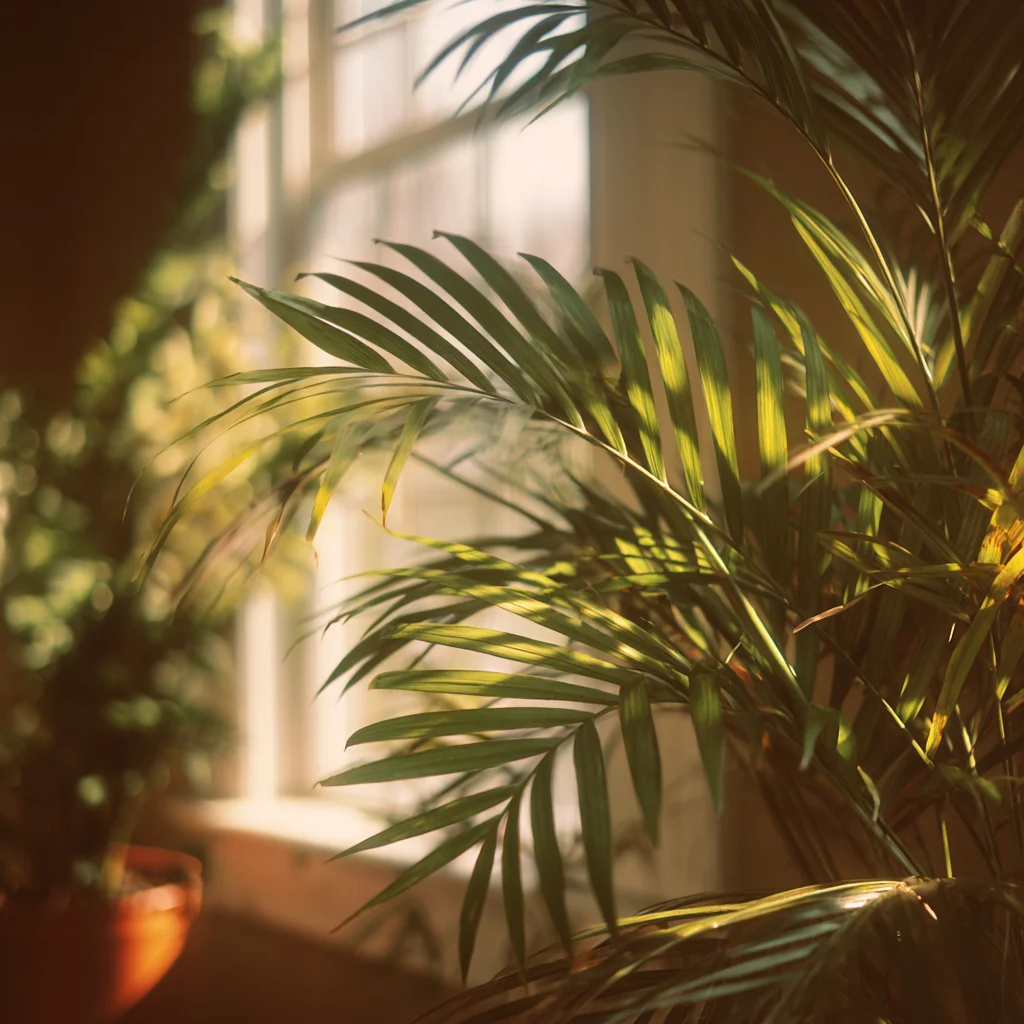
Bright, indirect light is ideal for parlor palms. Place them near east or north-facing windows where they’ll receive gentle morning light or consistent indirect light throughout the day. They can also thrive a few feet away from south or west-facing windows, provided they’re protected from harsh direct sunlight.
While parlor palms can survive in low light conditions, they won’t thrive or grow much. Very dark locations will result in leggy growth and potential leaf yellowing over time.
Best Rooms for Parlor Palms
Living rooms and family rooms often provide ideal conditions for parlor palms, with moderate light and stable temperatures. These spaces typically have enough ambient light without harsh direct sun.
Bedrooms with sufficient indirect light make excellent locations for parlor palms. Their air-purifying qualities can contribute to better sleep, and they don’t drop leaves frequently, keeping maintenance minimal.
Offices benefit from parlor palms as they add a touch of nature without demanding much attention. They’re perfect desk or shelf companions that can thrive under office lighting.
Bathrooms with windows can be suitable for parlor palms as they enjoy the higher humidity. Just ensure there’s enough natural light for the plant to photosynthesize effectively.
Temperature and Humidity Considerations
Position your parlor palm away from temperature extremes. Avoid placing them near heating vents, air conditioners, radiators, or drafty windows. These palms prefer consistent temperatures between 65-80°F (18-27°C).
Parlor palms appreciate moderate to high humidity but adapt well to average household conditions. In very dry environments, consider positioning them:
- Near other houseplants to create a microclimate with higher humidity
- On humidity trays (pebble trays with water)
- In naturally humid rooms like bathrooms (with adequate light)
During winter when indoor heating reduces humidity, keep parlor palms away from heat sources that can dry out the air and their fronds.
Decorative Positioning Ideas
Parlor palms make excellent tabletop plants when young. Their compact size works well on coffee tables, side tables, or desks where their feathery fronds add texture without overwhelming the space.
As floor plants, mature parlor palms (2-4 feet tall) create elegant focal points in room corners, beside furniture, or flanking doorways. Their upright growth habit means they don’t require much floor space.
Group parlor palms with other houseplants that have similar care requirements to create an attractive indoor garden display. Their fine texture contrasts beautifully with broader-leaved plants.
Consider elevating parlor palms on plant stands to showcase their graceful form and prevent them from being overshadowed by larger furniture pieces.
Spaces to Avoid
Don’t place parlor palms in direct sunlight, which can scorch their delicate fronds. Even a few hours of direct sun can damage the leaves, causing brown spots or bleaching.
Avoid positioning parlor palms in dark corners with minimal natural light. While they can tolerate lower light than many plants, they still need some light to photosynthesize and maintain healthy growth.
Keep parlor palms away from drafty areas near frequently opened exterior doors or windows, especially during winter. Cold drafts can damage the tropical plants and cause leaf browning.
Don’t place parlor palms in high-traffic areas where they might be bumped frequently. Their stems are relatively brittle and can break if jostled too often.
Seasonal Positioning Adjustments
During winter months when daylight hours decrease, consider moving your parlor palm closer to windows to maximize light exposure. Be mindful of cold drafts from windows, maintaining a safe distance from glass surfaces.
In summer, you may need to move parlor palms further from south and west-facing windows to protect them from intensified sunlight. Monitor leaf color – yellowing can indicate too much direct light.
Consider a seasonal rotation schedule, moving your parlor palm to different positions throughout the year to ensure it receives optimal light as the sun’s angle and intensity change with the seasons.
Using Parlor Palms in Feng Shui
In feng shui practice, parlor palms are considered beneficial plants that bring gentle, positive energy to a space. They’re associated with the wood element, representing growth and vitality.
Position parlor palms in the east or southeast areas of your home to enhance family harmony and prosperity according to feng shui principles.
Avoid placing parlor palms in bedrooms if following strict feng shui guidelines, as some practitioners believe plants can create too much active energy in sleeping spaces.
Monitoring Your Parlor Palm’s Response
After positioning your parlor palm, observe it for signs of stress or contentment. Healthy parlor palms have vibrant green fronds that stand upright. New growth indicates the plant is happy in its location.
Yellow or brown fronds may indicate improper positioning. Yellowing often suggests too much direct sun or overwatering, while brown tips typically signal low humidity or underwatering.
If your parlor palm becomes leggy with stretched stems and sparse foliage, it likely needs more light. Consider moving it to a brighter location with indirect light.
Be patient when repositioning your parlor palm. Plants take time to adjust to new conditions, so wait 2-3 weeks before evaluating whether the new position is working well.
Conclusion
Positioning your parlor palm correctly is key to enjoying its elegant beauty for years to come. These adaptable plants thrive in bright indirect light, away from drafts and temperature extremes, making them perfect additions to living rooms, bedrooms, and offices where they can receive consistent indirect light and stable temperatures.
If you notice your parlor palm struggling despite following these positioning guidelines, consider consulting with a plant specialist or horticulturist who can assess specific environmental factors in your home. Professional advice can help address any underlying issues and ensure your parlor palm remains a healthy, vibrant addition to your indoor space.