
Where To Position Jade Plants
Jade plants (Crassula ovata) are beloved succulents that can thrive for decades with proper positioning and care. As a slow-growing plant native to South Africa, jade plants require specific light conditions and environmental factors to flourish. Finding the ideal spot for your jade plant is crucial for its health, growth, and longevity. With over ten years of experience growing these resilient plants, I’ve discovered that proper positioning is the foundation of successful jade plant care.
Light Requirements for Jade Plants
Jade plants thrive in bright, well-lit environments. They need at least 4 hours of direct sunlight daily to maintain their compact growth and vibrant color.
For indoor positioning, south or east-facing windows provide the ideal light exposure. If your jade plant isn’t getting enough light, you’ll notice elongated stems and sparse leaf growth as it stretches toward the light source.
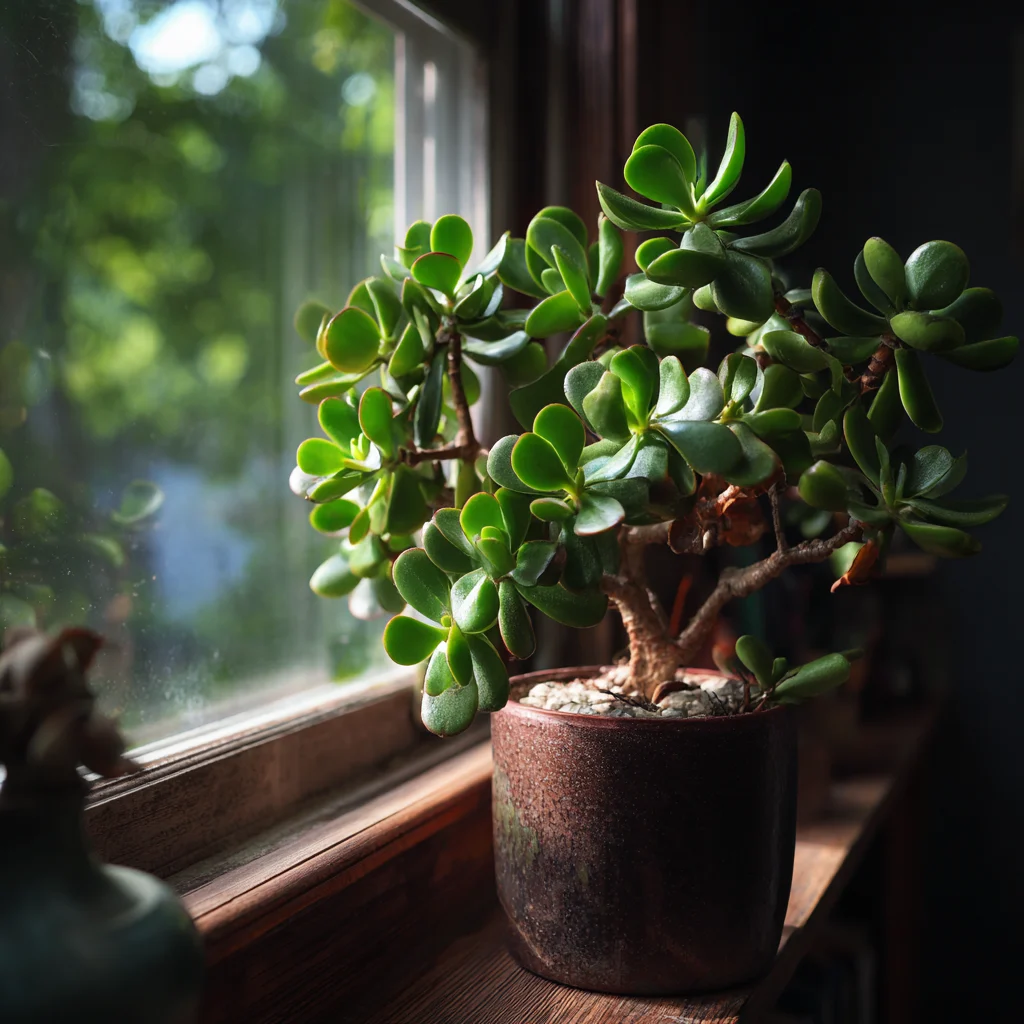
During summer months, you may need to protect your jade plant from intense afternoon sun, which can scorch the leaves. Partially drawn blinds or sheer curtains can help diffuse harsh direct sunlight while still providing adequate brightness.
Indoor Positioning Options
The most suitable indoor locations for jade plants include:
- Windowsills with bright, indirect light (south or east-facing windows are ideal)
- Sunrooms or enclosed porches with filtered light
- Near skylights that provide consistent brightness
- On tabletops or plant stands positioned 1-3 feet from a bright window
Avoid placing jade plants in dark corners, hallways, or rooms with north-facing windows, as these locations typically don’t provide sufficient light for healthy growth.
Supplemental Lighting Solutions
If your home lacks adequate natural light, consider supplemental grow lights. LED grow lights positioned 6-12 inches above your jade plant can provide the necessary light spectrum for healthy growth. Aim for at least 200 watts or equivalent to maintain steady growth.
Outdoor Positioning Considerations
Jade plants can thrive outdoors in regions with mild climates (USDA zones 10-11). When positioning jade plants outdoors, consider the following:
- Morning sun with afternoon shade is ideal
- Protection from strong winds that can damage branches
- Shelter from heavy rainfall to prevent root rot
- Easy access for bringing indoors when temperatures drop below 50°F (10°C)
Patios, balconies, and covered porches often make excellent transitional spaces for jade plants, allowing you to move them in response to changing weather conditions.
Temperature and Humidity Considerations
When positioning your jade plant, temperature and humidity play crucial roles in its overall health. Jade plants prefer temperatures between 55-75°F (14-25°C) and can tolerate average home humidity levels of 30-50%.
Avoid placing jade plants near:
- Heating vents or radiators that create hot, dry air
- Air conditioning units that create cold drafts
- Frequently opened exterior doors in cold climates
- Kitchens or bathrooms with extreme humidity fluctuations
If your home tends to be dry, especially in winter, consider positioning a small humidifier near your jade plant or grouping it with other plants to create a microclimate with slightly higher humidity.
Seasonal Repositioning
Jade plants benefit from seasonal adjustments to their positioning. During spring and summer growing seasons, provide maximum light exposure to encourage healthy growth. In fall and winter, when the plant enters a semi-dormant state, slightly reduced light is acceptable.
Consider these seasonal adjustments:
- Spring/Summer: Position for 4-6 hours of direct morning sunlight
- Fall/Winter: Maintain bright indirect light but protect from cold drafts
- Summer vacations: Move away from windows if leaving for extended periods to prevent overheating
Positioning for Aesthetic Growth
The direction of light affects how your jade plant grows. For even, symmetrical growth, rotate your plant a quarter turn weekly. If you prefer a particular growth pattern or are creating a bonsai-style jade plant, consistent directional light can help achieve your desired shape.
When positioning for aesthetic purposes, consider:
- Rotating regularly for balanced growth
- Using directional light to encourage growth in specific directions
- Placing multiple plants at different heights for visual interest
- Positioning to showcase the trunk and branch structure as the plant matures
Space Requirements and Growth Expectations
While jade plants grow slowly (about 2-3 inches per year), they can eventually reach heights of 3-6 feet (0.9-1.8 meters) indoors and up to 10 feet (3 meters) in ideal outdoor conditions. When positioning your jade plant, consider its future size.
Allow adequate space for:
- Vertical growth over several years
- Horizontal branch spread (typically 1-3 feet/0.3-0.9 meters)
- Access for maintenance and pruning
- Air circulation around the plant
If space is limited, regular pruning can control size while maintaining plant health. Smaller varieties like ‘Hobbit’ or ‘Gollum’ may be better suited for compact spaces.
Container Considerations
The container you choose affects where you can position your jade plant. These plants prefer to be slightly rootbound and grow best in containers that are proportional to their size.
For optimal positioning:
- Choose heavy, stable pots that won’t tip as the plant grows top-heavy
- Select containers with drainage holes to prevent water accumulation
- Consider decorative cachepots for aesthetic appeal in living spaces
- Use terracotta or ceramic pots that provide stability and allow soil to breathe
Remember that larger pots will be heavier and more difficult to move, so position them with future access in mind.
Positioning to Avoid Common Problems
Strategic positioning can prevent many common jade plant problems. By understanding potential issues, you can choose locations that minimize risks.
To avoid common problems:
- Position away from curious pets and children (jade plants are mildly toxic if ingested)
- Keep away from fruit bowls or ripening produce that release ethylene gas
- Avoid crowding with other plants that might harbor pests
- Position to allow good air circulation, reducing the risk of fungal issues
Regular observation is key—if you notice signs of stress like leaf drop or discoloration, consider adjusting your plant’s position.
Conclusion
Finding the perfect position for your jade plant balances light requirements, temperature preferences, and space considerations. South or east-facing windows provide ideal indoor conditions, while protected outdoor spaces work well in mild climates. Remember that jade plants need at least 4 hours of direct sunlight daily and temperatures between 55-75°F (14-25°C) to thrive.
If you’re struggling with your jade plant despite proper positioning, consider consulting with a local nursery specialist who can assess specific environmental factors in your home. With thoughtful positioning and regular care, your jade plant can become a long-lived, treasured addition to your plant collection.