
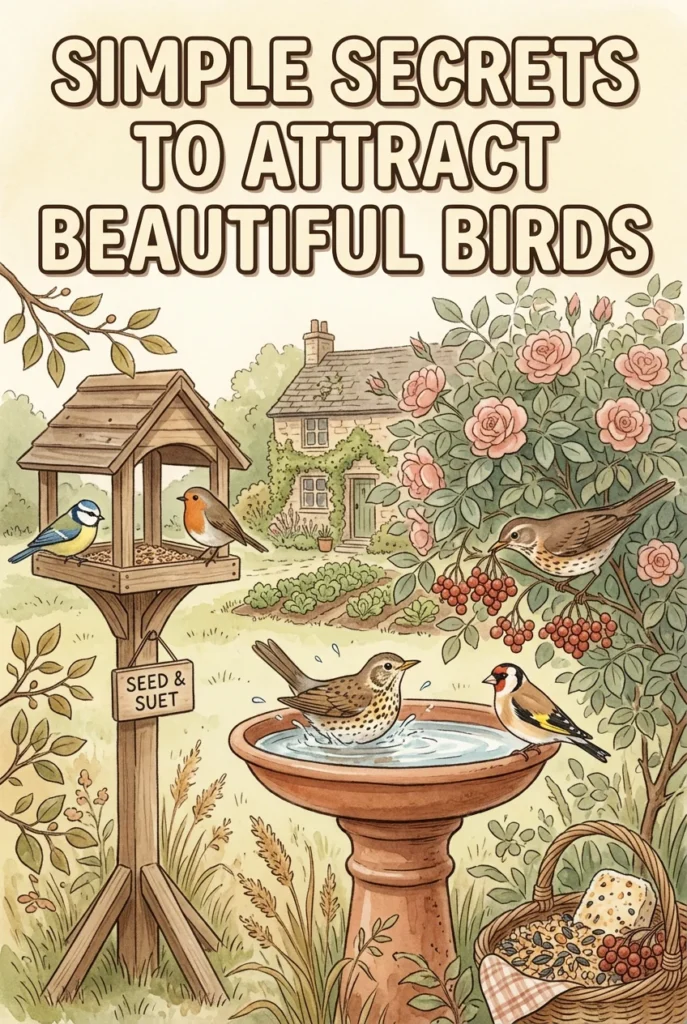
A clear, beginner-friendly guide to making your garden a place birds want to visit—and return to.
Few things bring a garden to life like birds. If you’ve ever paused to watch different colors and sizes hop, perch, and forage, you already know how entertaining and calming they can be.
But birds won’t visit often if your space doesn’t offer what they need. The good news: with a few simple additions, you can make your garden far more inviting—whether you live near a city or closer to the countryside.
Why attracting birds matters (for you and for them)
Bird-friendly gardens aren’t just pleasant to look at. They create a reliable place for birds to find food, water, and shelter, especially when natural resources are limited. For you, that means more regular visits and more opportunities to enjoy birdwatching without leaving home.
Know what to expect: city vs. countryside, seasonal vs. residential birds
Location plays a role in how easily birds find your garden. If you live near a city, attracting birds can be a bit trickier because there may be fewer natural habitats nearby. If you live in the countryside or close to a wooded area, birds are often naturally drawn in.
It also helps to understand that not all birds stay year-round:
- Seasonal birds avoid colder weather and fly to warmer areas in winter.
- Residential birds can survive all seasons and may remain with you throughout the year.
To encourage consistent visits, focus on the basics: dependable food, clean water, safe placement, and simple nesting support.
Start with the biggest draw: bird feeders
Like any animal, birds need reliable food to survive. Scattering food on the ground isn’t ideal, and many birds prefer a clear, consistent feeding station. A feeder also helps birds learn where to go, which increases the chance they’ll return.
Choose the right feeder for the birds you want to see
Different feeder styles tend to attract different types of birds. Here are the core options mentioned below, organized for quick scanning.
| Feeder type | Common visitors |
|---|---|
| Tray Feeder | Pigeons and sparrows |
| Tube Feeder | Sparrows, grosbeaks, finches, and chickadees |
| House Feeder | Blue jays, buntings, finches, cardinals, and sparrows |
| Suet Feeder | Starlings, woodpecker, and chickadees |
Place feeders safely to reduce predator risk
Where you install a feeder matters as much as what you put in it. Birds need to feel secure when they feed.
Aim for “near cover, not inside cover”
Trees and shrubs can provide a place for birds to rest and a way to hide from hawks and other predators. Positioning feeders near a natural habitat can make birds more comfortable because they have somewhere to retreat quickly.
At the same time, be mindful of cats and other predators. Predators often hide in thick bushes. Avoid placing feeders right next to dense hiding spots where a cat could wait and pounce.
Add natural food with shrubs that produce berries
Planting shrubs with berries is a simple way to offer food that looks natural in the garden. It can be especially helpful in autumn, when thrushes enjoy eating berries and can strip the crop quickly.
If you have access to a farmers market, you can also purchase overripe fruits to offer when berries are gone. This can be a practical backup option when natural food sources are limited.
Offer a variety of seeds (birds like options too)
Just like people, birds don’t all eat the same thing. Providing variety can attract more types of birds and may keep them returning because they can find what suits them.
Seed and food options to rotate through
You can offer different types of bird food, including:
- Sunflower
- Nyjer
- Suet
- Nectar
- Mixed seeds
If you’re just getting started, begin with one or two options and then add more as you notice which birds visit and what they prefer.
Maintain feeders to keep birds coming back
Once birds start using your feeders, upkeep becomes important. Dirty feeders and old seed can cause problems, and a neglected setup can discourage birds from returning.
Basic maintenance routine
Use these simple habits to keep the feeding area clean:
- Change bird seeds every 2–3 days.
- Wash the feeder regularly with soap and water. This helps remove harmful bacteria and fungus.
- Pay extra attention during wet weather. On rainy and damp days, stagnant water can collect, and bird droppings can lead to unpleasant smells.
Consistency matters here. Clean, fresh food is one of the easiest ways to build trust with regular visitors.
Provide a clean water source for drinking and bathing
Food alone isn’t enough. Birds also need clean water for drinking and bathing, so setting up a water source in your garden can make it much more attractive.
Make water easy to find
Birds are often attracted to running water. If it’s possible for you to build a fountain, it can be a strong addition. If not, any dependable, clean water option can still help—especially during dry spells.
Support nesting by offering simple materials
If you want birds to spend more time in your garden, help them with nest making. When birds can gather suitable materials nearby, they’re more likely to settle in the area.
Materials you can provide
Offer small, easy-to-carry items such as:
- Strings
- Pet hair
- Wool
- Grass cuttings
Place these where birds can find them easily, and let them do the rest.
Tips: a simple checklist for a bird-friendly garden
- Start with one feeder in a safe, visible place, then expand if birds begin visiting.
- Keep food fresh by changing seed every 2–3 days and cleaning feeders regularly.
- Offer variety (sunflower, nyjer, suet, nectar, and mixed seeds) to attract different birds.
- Plant berry-producing shrubs to add natural seasonal food, especially in autumn.
- Provide water for bathing and drinking; running water can be especially attractive.
- Think like a bird: nearby trees and shrubs help birds rest, but avoid placing feeders next to thick hiding spots for cats.
- Help with nesting by leaving out strings, pet hair, wool, and grass cuttings.
Final thoughts
Attracting birds to your garden usually comes down to meeting a few basic needs—food, water, and a sense of safety—then keeping those resources clean and consistent. Some birds will be seasonal, while others will stay with you year-round, but a well-set-up garden gives you the best chance of regular visits in every season.
Happy bird watching.