
String Of Pearls Plant Care
The String of Pearls (Senecio rowleyanus or Curio rowleyanus) is a captivating succulent known for its distinctive trailing vines adorned with spherical, pea-like leaves. Native to southwestern Africa, this unique houseplant has become increasingly popular for its ornamental appeal and relatively straightforward care requirements. With proper attention to light, water, and soil conditions, your String of Pearls can thrive and create a stunning cascading display in your home for years to come.
Understanding the String of Pearls Plant
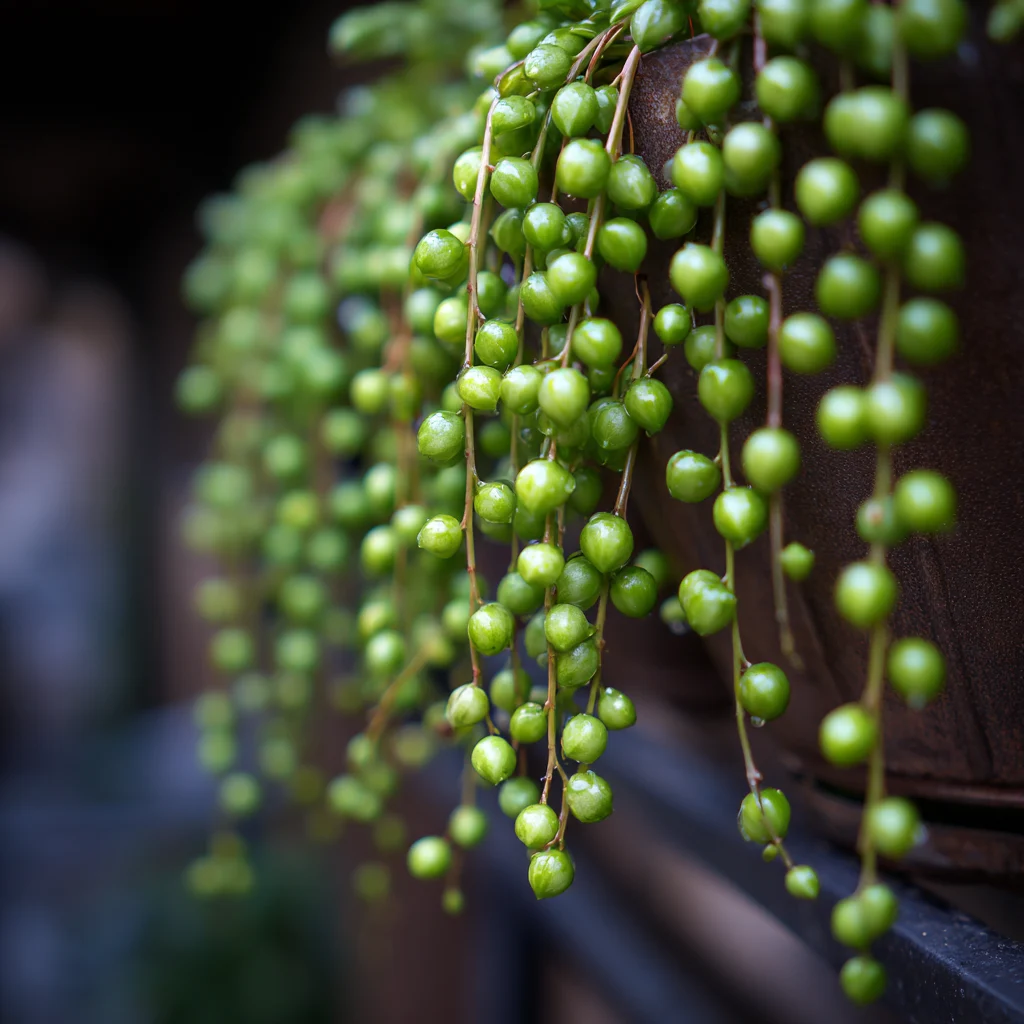
The String of Pearls belongs to the Asteraceae family and features slender stems covered with round, bead-like leaves. These spherical leaves have evolved to store water, making the plant drought-tolerant. Each “pearl” features a small transparent “window” that allows light to penetrate deeper into the leaf for photosynthesis.
In its natural habitat, this succulent grows along the ground, forming a dense mat. When grown indoors, its trailing vines can reach 2-3 feet in length, making it perfect for hanging baskets or elevated planters. With proper care, a String of Pearls plant typically lives around 5 years, though propagation can extend its presence in your home indefinitely.
During spring, the plant may produce small, white, brush-like flowers with a pleasant cinnamon or clove-like fragrance. While primarily grown for its unique foliage, these seasonal blooms add another dimension to this already fascinating plant.
Light Requirements
String of Pearls plants thrive in bright, indirect light. Place your plant near a south-facing window where it can receive 6-8 hours of filtered sunlight daily. While they can tolerate some direct morning sun, protect them from harsh afternoon rays which can scorch the delicate pearls.
If your plant starts developing stretched, leggy growth with widely spaced pearls, it’s likely not receiving enough light. Conversely, if the pearls appear shriveled or develop brown spots despite adequate watering, they may be getting too much direct sunlight.
During winter months, these plants can tolerate lower light conditions, but growth will slow significantly. Rotating your plant occasionally ensures all vines receive equal light exposure, promoting even growth.
Watering Practices
As with most succulents, proper watering is crucial for String of Pearls plants. They’re susceptible to root rot when overwatered, so it’s better to err on the side of underwatering. Allow the soil to dry out completely between waterings, typically watering once every 2-3 weeks during the growing season (spring through fall).
During winter, reduce watering to once monthly as the plant enters a semi-dormant state. Always check soil moisture before watering by inserting your finger about an inch into the soil—if it feels dry, it’s time to water.
When watering, thoroughly soak the soil until water drains from the bottom of the pot. Empty any water that collects in the saucer to prevent the roots from sitting in moisture. Avoid misting or getting water on the pearls themselves, as this can lead to rot.
Soil and Potting Requirements
String of Pearls plants require well-draining soil to prevent root rot. A commercial cactus or succulent mix works well, or you can create your own by combining three parts regular potting soil with one part coarse sand or perlite.
Choose a pot with drainage holes to allow excess water to escape. Terracotta or unglazed ceramic pots are ideal as they’re porous and help wick away excess moisture. The pot size should be proportional to the plant—too large a container can retain excess moisture.
Repotting is generally needed every 2-3 years, or when the plant becomes root-bound. The best time to repot is in spring or early summer during the active growing season. When repotting, handle the delicate strands carefully to avoid breakage.
Temperature and Humidity Considerations
String of Pearls plants prefer average indoor temperatures between 70-80°F (21-27°C) during the growing season. In winter, they can tolerate cooler temperatures down to about 50°F (10°C), but should be protected from drafts and sudden temperature fluctuations.
These succulents prefer low to moderate humidity levels, making them well-suited to most indoor environments. Excessive humidity can lead to fungal issues and rot. Avoid placing them in naturally humid areas like bathrooms or kitchens, and ensure good air circulation around the plant.
If you live in a particularly dry climate, your String of Pearls will likely thrive without any humidity adjustments. In fact, they’re more tolerant of dry air than many other houseplants.
Fertilizing Your String of Pearls
String of Pearls plants benefit from light fertilization during the growing season. Apply a balanced, water-soluble fertilizer diluted to half the recommended strength once a month from spring through early fall.
Choose a fertilizer formulated for succulents or cacti, which typically has a higher phosphorus content to support healthy growth. Avoid fertilizing during winter when the plant is semi-dormant, as this can lead to weak, leggy growth.
Over-fertilization can damage these delicate plants, so when in doubt, it’s better to under-fertilize than to apply too much. If you notice salt buildup on the soil surface (appearing as a white crust), flush the soil thoroughly with water.
Pruning and Maintenance
Pruning isn’t strictly necessary for String of Pearls plants, but it can help maintain an attractive appearance and promote fuller growth. Use clean, sharp scissors to trim overly long strands, cutting just above a pearl. The trimmed pieces can be used for propagation.
Remove any dead, shriveled, or discolored strands promptly to maintain plant health. If your plant becomes sparse at the top while the vines grow longer, consider coiling some of the healthy strands back on top of the soil to create a fuller appearance.
Dust the pearls occasionally with a soft brush or by gently blowing on them. Avoid wiping with a cloth, as this can dislodge the delicate pearls from their stems.
Propagation Methods
String of Pearls plants are remarkably easy to propagate, making it simple to expand your collection or share with friends. The most reliable method is stem cutting propagation:
- Select a healthy strand and cut a 4-6 inch section with clean scissors
- Remove pearls from the bottom 1-2 inches of the cutting
- Allow the cut end to callus for 1-2 days
- Plant the bare stem in slightly moist succulent soil
- Keep the soil lightly moist until new growth appears, indicating successful rooting
Alternatively, you can lay a cutting on top of the soil in a spiral pattern, ensuring several nodes make contact with the soil. Roots will form at these contact points, creating a fuller plant more quickly. Spring and summer are the ideal seasons for propagation when the plant is actively growing.
Common Pests and Problems
While generally resilient, String of Pearls plants can encounter several issues. Overwatering is the most common problem, leading to root rot and stem collapse. If you notice shriveling pearls despite moist soil, check the roots for signs of rot and trim away affected areas.
These plants can attract mealybugs, spider mites, and scale insects. Regularly inspect the stems and pearls for signs of infestation, such as webbing, cotton-like deposits, or sticky residue. Treat minor infestations by dabbing the pests with alcohol-soaked cotton swabs or applying insecticidal soap.
Shriveled pearls typically indicate underwatering, while mushy, translucent pearls suggest overwatering. Adjust your care routine accordingly to address these symptoms before they affect the entire plant.
Toxicity Concerns
String of Pearls plants contain toxic compounds that can cause irritation if ingested or if the sap contacts skin. All parts of the plant are considered toxic to humans, dogs, cats, and other pets. Symptoms of ingestion may include gastrointestinal upset, vomiting, and diarrhea.
Keep these plants out of reach of children and pets, ideally in hanging baskets or on high shelves. Wear gloves when handling the plant, especially if you have sensitive skin or are pruning or propagating, which releases more of the plant’s sap.
If you suspect a child or pet has ingested part of the plant, contact a medical professional or veterinarian immediately for guidance.
Seasonal Care Adjustments
String of Pearls plants benefit from seasonal care adjustments that mimic their natural growth cycle. During spring and summer (the active growing season), provide bright light, regular watering when the soil dries out, and monthly fertilization.
In fall, gradually reduce watering frequency as growth slows. Winter care should include minimal watering (once monthly is often sufficient), no fertilization, and protection from cold drafts. This period of relative dormancy helps prepare the plant for robust growth when spring returns.
If your plant flowers, it will typically do so in late winter or early spring. The small white blooms emit a pleasant cinnamon-like scent and last for several weeks before fading.
Conclusion
String of Pearls plants offer a distinctive, eye-catching addition to any indoor plant collection with their unique trailing form and spherical leaves. By providing bright indirect light, careful watering, well-draining soil, and protection from extreme temperatures, you can enjoy these fascinating succulents for years to come.
If you encounter persistent issues with your String of Pearls plant despite following these care guidelines, consider consulting with a local plant specialist or nursery professional. They can provide personalized advice based on your specific growing conditions and help diagnose any unusual problems that might be affecting your plant’s health.