
Snake Plant Care
Snake plants (Dracaena trifasciata, formerly Sansevieria trifasciata) are among the most popular houseplants due to their striking appearance and remarkable resilience. With their tall, upright leaves featuring distinctive patterns, these plants make an excellent addition to any home. As someone who’s been growing snake plants for over a decade, I can assure you that they’re perfect for both beginners and experienced plant enthusiasts. This comprehensive guide will walk you through everything you need to know about caring for these low-maintenance beauties.
Understanding Snake Plants
Snake plants are native to West Africa and belong to the Asparagaceae family. They’re characterized by stiff, sword-like leaves that grow vertically from a basal rosette. The most common variety features dark green leaves with light green or yellow horizontal stripes, though there are approximately 70 different varieties available.
These plants were reclassified in 2017 from the Sansevieria genus to Dracaena, though many still refer to them by their former scientific name. They’re also known by several common names including mother-in-law’s tongue and viper’s bowstring hemp.
Snake plants are renowned for their air-purifying abilities, removing toxins like formaldehyde and benzene from indoor environments. They’re also one of the few plants that convert carbon dioxide to oxygen at night, making them excellent bedroom companions.
Light Requirements
One of the most appealing aspects of snake plants is their adaptability to various light conditions. They can tolerate everything from bright indirect light to low light areas, though they do have preferences:
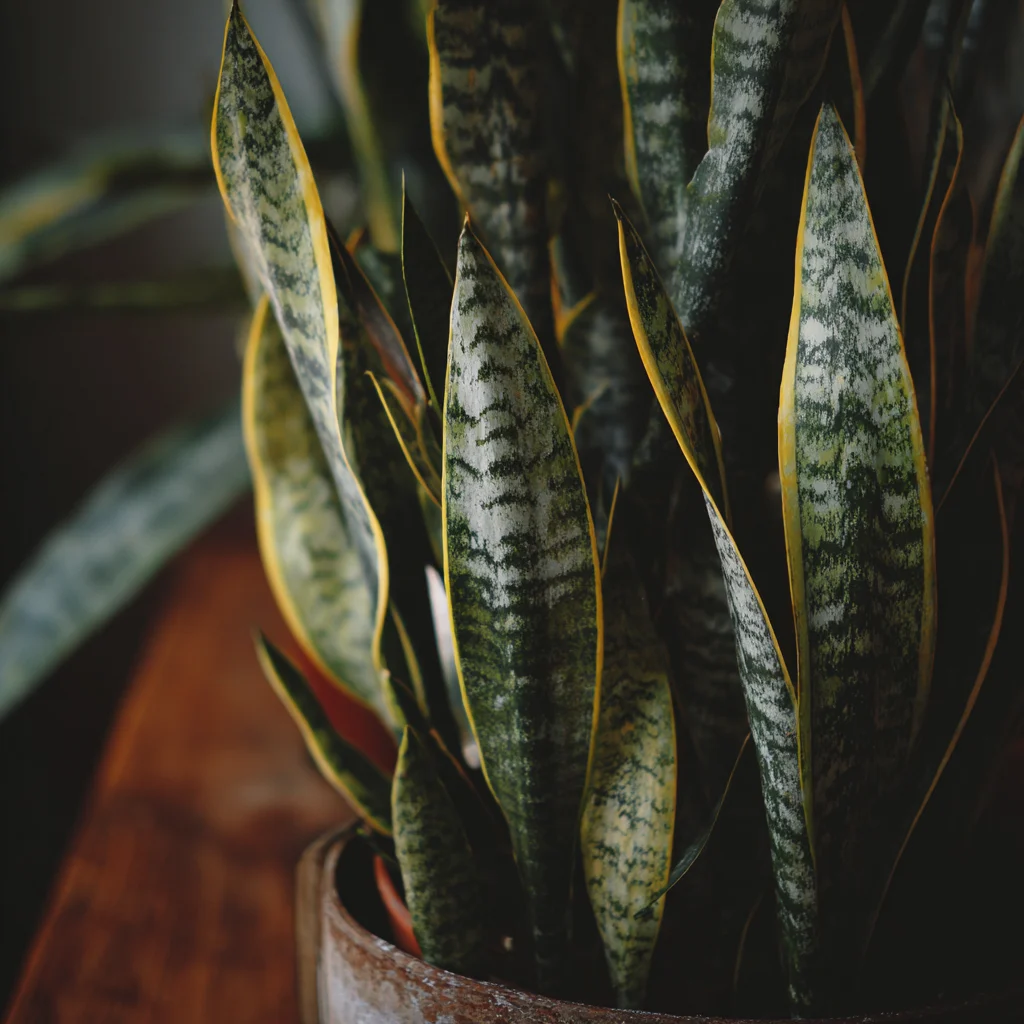
- Ideal condition: Bright indirect light promotes the best growth and vibrant leaf patterns
- Acceptable: Low light conditions (growth will be slower)
- Caution: Direct sunlight, especially during hot summer months, can scorch the leaves
If you notice your snake plant’s leaves becoming pale or the distinctive patterns fading, it might be receiving too much direct sunlight. Conversely, if growth seems stunted or leggy, your plant likely needs more light.
Watering Practices
The number one rule for snake plant care: it’s better to underwater than overwater. These plants store water in their thick leaves and are highly susceptible to root rot when overwatered. Here’s my tried-and-true watering approach:
- Allow the soil to dry completely between waterings (check 2-3 inches deep)
- Water approximately every 2-4 weeks, depending on environmental conditions
- Water less frequently during winter months (every 4-8 weeks)
- Always water at the soil level, avoiding getting water on the leaves
- Ensure excess water drains completely from the pot
Signs of overwatering include soft, mushy leaves and yellowing. If you notice these symptoms, immediately check the roots for rot and reduce watering frequency.
Soil and Potting Requirements
Snake plants thrive in well-draining soil that prevents water from pooling around the roots. I recommend using:
- Cactus or succulent potting mix as a base
- Adding perlite or coarse sand (about 30%) to improve drainage
For containers, terracotta pots are ideal as they’re porous and help soil dry more quickly. Whatever pot you choose, ensure it has drainage holes. Size-wise, snake plants actually prefer to be slightly root-bound, so don’t rush to repot into much larger containers.
DIY Soil Mix Recipe
My favorite homemade soil mix for snake plants combines:
- 2 parts regular potting soil
- 1 part coarse sand or perlite
- 1 part small gravel or pumice
This mixture provides excellent drainage while still retaining enough moisture for the plant’s needs.
Temperature and Humidity
Snake plants are adaptable to normal household conditions, making them incredibly easy to care for:
- Ideal temperature range: 60-85°F (15-29°C)
- Minimum temperature: 50°F (10°C) – avoid exposure to cold drafts
- Humidity: Tolerates low humidity environments well
While snake plants can handle dry air, they don’t do well in cold conditions. Keep them away from drafty windows in winter and avoid placing them near air conditioning vents that might create cold spots.
Fertilizing Schedule
Snake plants are light feeders and don’t require frequent fertilization. Over-fertilizing can actually harm these plants, causing salt buildup in the soil. Here’s my fertilizing approach:
- Apply a balanced, water-soluble houseplant fertilizer diluted to half strength
- Fertilize only during the growing season (spring and summer)
- Feed once every 2-3 months at most
- Skip fertilizing entirely during fall and winter
If your plant hasn’t been repotted for several years, a light application of fertilizer in spring can provide a welcome nutrient boost.
Propagation Methods
Snake plants are remarkably easy to propagate, allowing you to expand your collection or share with friends. There are three main propagation methods:
Leaf Cuttings
This is the most common method:
- Select a healthy leaf and cut it into 3-4 inch sections
- Allow the cut ends to callus over for 1-2 days
- Plant the cuttings in well-draining soil, keeping the same orientation as they grew (bottom end down)
- Water sparingly until roots develop (usually 3-4 weeks)
Note that leaf cuttings may not retain the variegation of the parent plant.
Division
When repotting, you can divide the plant by:
- Carefully removing the plant from its pot
- Gently separating the rhizomes and roots into smaller sections
- Ensuring each section has both roots and leaves
- Replanting each division in appropriate pots
Water Propagation
For a fascinating way to watch roots develop:
- Cut a leaf into sections as with soil propagation
- Place the bottom 1 inch of each cutting in water
- Change the water weekly to prevent bacterial growth
- Once roots are 1-2 inches long, transfer to soil
Repotting Guidelines
Snake plants don’t mind being root-bound and typically only need repotting every 2-3 years. Signs that repotting is needed include:
- Roots growing through drainage holes
- Plant becoming top-heavy and unstable
- Growth slowing significantly despite proper care
- Soil no longer absorbing water effectively
When repotting, select a container only 1-2 inches larger than the current pot. The best time to repot is during spring or early summer when the plant is actively growing.
Common Pests and Problems
While snake plants are generally resistant to pests and diseases, they can occasionally face issues:
Pest Concerns
- Spider mites – Tiny pests that cause stippling on leaves; treat with insecticidal soap
- Mealybugs – White, cottony insects that cluster at leaf bases; remove with alcohol-dipped cotton swabs
- Scale – Small, brown bumps that attach to leaves; scrape off gently and treat with horticultural oil
Disease Issues
- Root rot – Caused by overwatering; remove affected roots and repot in fresh, dry soil
- Leaf spot – Brown or yellow spots on leaves; reduce humidity and avoid wetting foliage
- Southern blight – White fungal growth at soil level; remove affected parts and treat with fungicide
Prevention is always better than treatment. Maintain proper watering practices and inspect your plant regularly to catch any issues early.
Toxicity Considerations
Snake plants contain saponins, which are mildly toxic to humans and pets if ingested. Symptoms of ingestion may include:
- Nausea and vomiting
- Diarrhea
- Drooling (in pets)
- Swelling of mouth and throat
While rarely serious, it’s best to keep snake plants out of reach of curious children and pets. If you suspect ingestion, contact your doctor or veterinarian for guidance.
Seasonal Care Adjustments
While snake plants maintain their appearance year-round, their care needs do change slightly with the seasons:
Spring and Summer
- Increase watering frequency as growth accelerates
- Apply fertilizer if needed
- Monitor for new growth and pests
Fall and Winter
- Reduce watering significantly
- Stop fertilizing completely
- Protect from cold drafts and temperature drops
- Move away from cold windows
These seasonal adjustments help mirror the plant’s natural growth cycle and prevent common problems like overwatering during dormant periods.
Decorative Uses and Benefits
Beyond their ease of care, snake plants offer numerous aesthetic and health benefits:
- Air purification – Removes toxins like formaldehyde, benzene, and xylene
- Oxygen production – One of few plants that convert CO2 to oxygen at night
- Feng Shui – Considered to bring protective energy into homes
- Architectural interest – Striking vertical growth creates visual impact
- Versatility – Works in various design styles from minimalist to bohemian
Snake plants look particularly striking when grouped with other low-maintenance plants like ZZ plants or pothos, creating an easy-care indoor garden.
Conclusion
Snake plants truly earn their reputation as one of the most forgiving and rewarding houseplants available. With their striking appearance, air-purifying abilities, and minimal care requirements, they’re perfect for both novice plant parents and experienced collectors alike. Remember that these resilient plants prefer neglect over too much attention, especially when it comes to watering.
If you’re experiencing persistent issues with your snake plant despite following these care guidelines, consider consulting with a local plant specialist or garden center. They can provide personalized advice based on your specific growing conditions and help diagnose any unusual problems that might be affecting your plant’s health.