
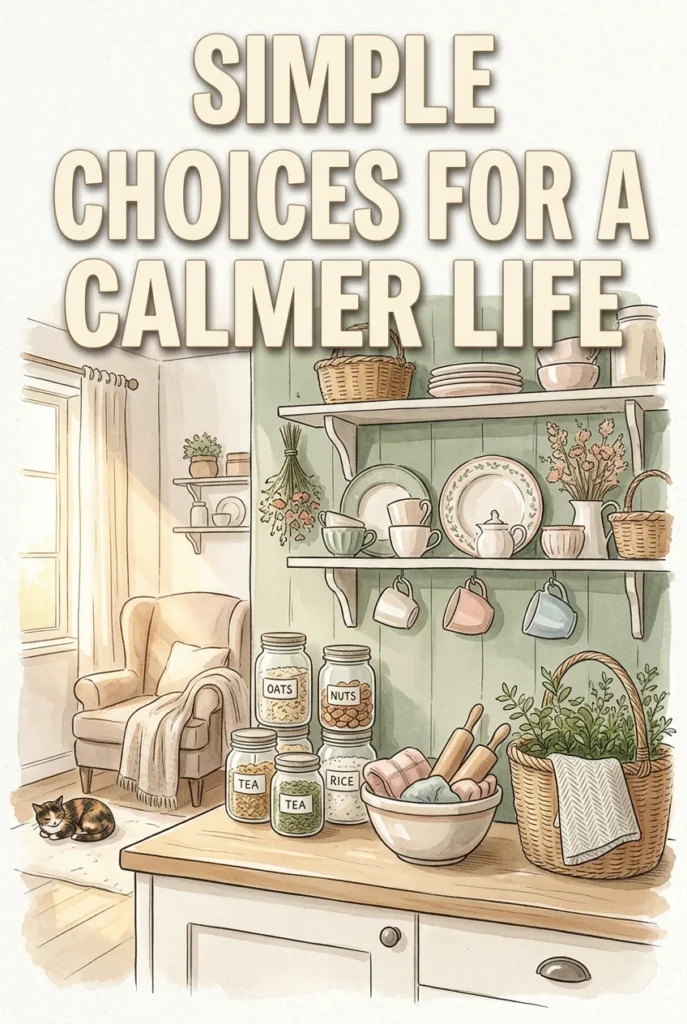
A simplified, intentional approach to creating more clarity, control, and breathing room—without turning life into a rigid schedule.
Life gets messy quietly. A few extra commitments, a growing list of half-finished tasks, a cluttered inbox, and suddenly everything feels harder than it should.
The good news: getting organised is not a personality type. It’s a set of small, repeatable choices that reduce friction in your day.
This guide walks you through a complete, sustainable way to organise your life—starting with your mind, then your home, digital spaces, time, finances, and priorities.
Why Organising Your Life Matters (More Than a Tidy House)
Organisation isn’t about perfection or productivity for its own sake. It’s about making your daily life easier to manage.
When you have simple systems you can trust, you spend less energy remembering, searching, and reacting. That freed-up energy can go toward rest, relationships, health, creative work, or anything that matters to you.
Think of organisation as a support system: the quieter your background noise, the clearer your next step becomes.
Step 1: Organise Your Mind First
Before you touch a planner, a storage bin, or a colour-coded label maker, start with a mental reset. A calmer mind makes every other step easier.
Do a complete brain dump
Write down everything that’s taking up space in your head: tasks, worries, errands, ideas, appointments to schedule, things to buy, projects you’ve started, and reminders you keep repeating to yourself.
Don’t edit. Don’t prioritise yet. The goal is to get it out of your head and onto something you can manage.
Sort your thoughts into clear categories
Once the list is out, group items into a few broad buckets. Use categories like:
- Home
- Work or study
- Health
- Family and relationships
- Finances
- Appointments and admin
- Personal projects
This one step turns a stressful pile into manageable themes, so you can take focused action instead of bouncing between unrelated tasks.
Choose a “capture system” you will actually use
Pick one primary place for ongoing notes and reminders—something you’ll reach for naturally. Options include a daily notebook, a notes app on your phone, or a digital workspace like Notion.
Mini-point: Keep it simple
If you’ve tried complicated systems before and abandoned them, that’s useful information. A basic system you use consistently beats an elaborate one you avoid.
Step 2: Organise Your Home (Start Where You Feel It Most)
Your home is your base. When your environment feels manageable, it’s easier to think clearly and follow through on plans.
You don’t have to declutter the entire house in a weekend. Start with high-impact areas—small zones that affect your day every time you walk past them.
Begin with “daily zones”
Choose the spaces you touch the most. For many people, these include:
- Bedside table
- Kitchen counters
- Desk or work surface
- Bathroom vanity
These zones create the tone of your day. Clearing them reduces visual noise and makes routines feel smoother.
Tackle small clutter traps first
Instead of starting with a whole room, start with compact areas where clutter collects fast:
- Junk drawers
- Your handbag or everyday bag
- Fridge door shelves
- Car console
These are quick wins that immediately make your day easier—fewer lost items, fewer last-minute scrambles.
Create “drop zones” that prevent mess
Most household clutter isn’t random. It’s usually an item that doesn’t have a clear home. A simple drop zone solves this.
Use baskets, hooks, trays, or a small shelf near your entryway for:
- Keys
- Shoes
- Bags
Mini-point: Set your home up for your real life
If everyone drops their bags on the nearest chair, that chair is telling you something. Place the solution where the habit already happens.
Step 3: Organise Your Digital Life (So It Stops Draining You)
Digital clutter is easy to ignore because it’s not on the floor. But it affects focus, speed, and stress—especially if you rely on your phone or computer to plan and work.
Clean up your email inbox
Start by unsubscribing from emails you never open. Then create a few basic folders you’ll actually use, such as:
- To Respond
- To Keep
- Receipts
This reduces the mental load of scanning the same messages repeatedly.
Declutter your phone
Delete apps you don’t use. Organise your home screen by function so you can find what you need without scrolling.
For example, group apps into themes like finance, communication, wellness, and planning.
Create a clean, logical file system
On your computer (or cloud storage), create a simple structure for documents, downloads, photos, and work. Use clear, consistent naming formats so you can search quickly and avoid duplicates.
Mini-point: Digital order saves time every day
Even small improvements—like a clean downloads folder or a predictable naming system—reduce friction and help you move faster with less frustration.
Step 4: Organise Your Time (Without Scheduling Every Minute)
Time organisation is one of the most powerful ways to feel more in control. The goal isn’t to plan your life down to the minute. The goal is to create a gentle structure that supports what matters.
Theme your days
Assign a general focus to certain days of the week. For example, you might use:
- Mondays for admin and planning
- Midweek for deep work or household projects
- Fridays for lighter tasks and fun
This reduces decision fatigue because you’re not reinventing your week each morning.
Use time blocks instead of hour-by-hour schedules
Plan in blocks like morning, midday, afternoon, and evening. This approach gives structure while allowing flexibility when life changes (because it will).
Build simple morning and evening routines
Routines create calm because they remove repeated decisions. You don’t need a long checklist. Even two or three consistent actions can make your day feel more stable.
Mini-point: Let routines do the heavy lifting
A short evening reset—clearing a surface, setting out what you need tomorrow, checking your calendar—often prevents tomorrow’s stress more effectively than a long to-do list.
Step 5: Organise Your Finances (Reduce Stress, Increase Confidence)
Money stress tends to spill into everything else. Organising your finances is not about restriction—it’s about clarity and empowerment.
Start with a monthly budget
Use a method that feels manageable: a digital spreadsheet, an app, or paper. The best budget is the one you will keep using.
Add a simple savings tracker
Track your progress toward savings in a way you can see quickly. The point is not to create pressure; it’s to create visibility.
Do weekly check-ins
Set a short weekly time to review expenses. This keeps small issues from becoming big surprises and helps you make calmer decisions.
Write down your financial goals (and the “why”)
List what you’re saving for and why it matters to you. Goals are easier to stick with when they’re connected to a clear purpose.
Mini-point: Clarity changes your relationship with money
When you know what’s coming in, what’s going out, and what you’re aiming for, financial decisions tend to feel less emotional and more grounded.
Step 6: Organise Your Goals and Priorities (So Busy Doesn’t Replace Meaning)
It’s easy to fill days with tasks and still feel like nothing important is moving forward. Organising your goals keeps your energy pointed in a direction you actually care about.
Choose 1–3 focus areas each quarter
Select a small number of life categories to prioritise for the next few months—such as home, health, or career. This creates momentum without spreading you too thin.
Break goals into daily or weekly actions
Big goals become achievable when they’re translated into small steps you can repeat. If a goal feels intimidating, it usually needs a smaller next action.
Keep a “Next Three” list
Instead of maintaining an endless to-do list, keep a short list of your next three priority actions. This helps you move forward without feeling buried.
Use simple visual tools to stay engaged
If it helps you stay connected to your goals, use a vision board, a list, or a habit tracker. Choose tools that encourage consistency, not perfection.
Tips: Make Your Organisation System Stick
- Start small on purpose. One drawer, one surface, one list, one routine is enough to begin.
- Reduce steps. If something is hard to maintain, it may need fewer steps, fewer categories, or a more convenient location.
- Schedule a short weekly reset. A consistent check-in makes your system feel “alive” instead of something you set up once and forget.
- Keep your tools consistent. Too many planners, apps, or notebooks can create more clutter. Aim for one main system.
- Organise for your real season of life. Choose routines and expectations that fit your current capacity, not an ideal version of you.
Final Thoughts: Aim for Peace, Not Perfection
You don’t have to organise everything at once. In fact, you’re more likely to succeed if you don’t try to.
Start where you are. Choose one area that will make tomorrow easier—one drawer, one routine, one drop zone, one short list.
The goal isn’t a perfectly managed life. The goal is a life that feels calmer and more aligned—supported by a few simple systems you can return to, day after day.