
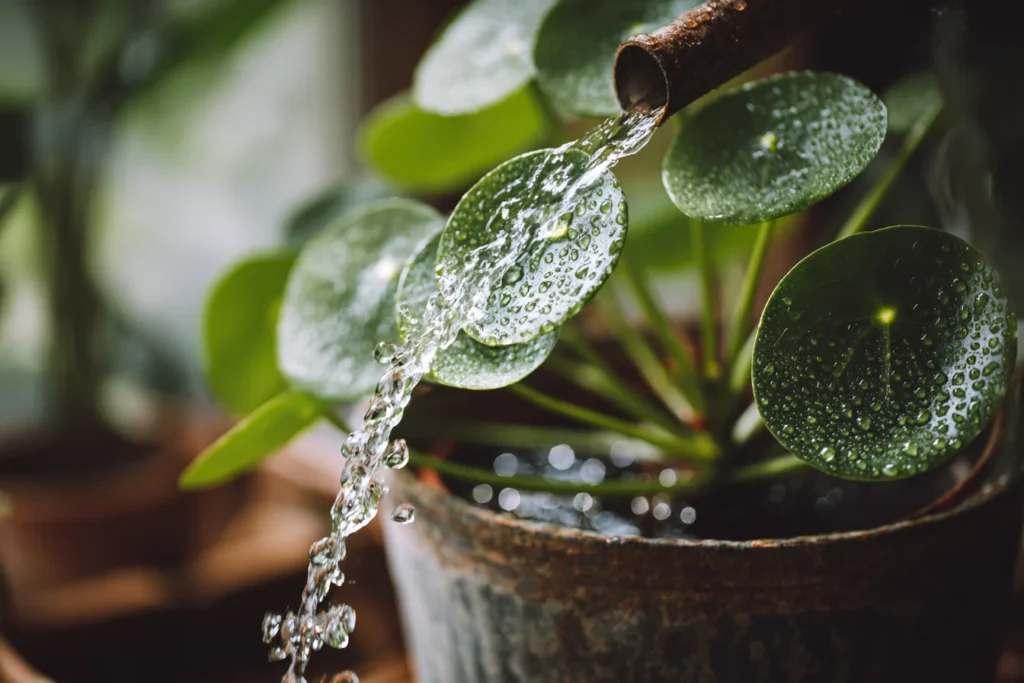
How To Water Chinese Money Plants: A Complete Care Guide
Understanding the Chinese Money Plant
The Chinese Money Plant (Pilea peperomioides), also known as the Pancake Plant or UFO Plant, is beloved for its distinctive round, coin-shaped leaves. Native to the Yunnan Province of China, this houseplant has become increasingly popular due to its attractive appearance and relatively easy care requirements.
These plants typically grow to about 30cm (12 inches) tall and wide, making them perfect for windowsills, desks, and small spaces. With proper watering and care, your Chinese Money Plant can thrive for many years, producing new leaves and even “pups” that can be propagated into new plants.
Watering Requirements
Chinese Money Plants prefer a consistent watering schedule that allows the soil to dry out slightly between waterings. Unlike some tropical plants, they don’t appreciate constantly wet soil, which can lead to root rot and other problems.
As a general rule, water your Chinese Money Plant when the top 2-3cm (1 inch) of soil feels dry to the touch. During active growing seasons (spring and summer), this might mean watering once every 7-10 days. In winter, when growth slows, you may only need to water every 2-3 weeks.

Signs of Improper Watering
Underwatering Signs
If your Chinese Money Plant isn’t getting enough water, you’ll notice several telltale signs:
- Drooping or wilting leaves
- Dry, crispy leaf edges
- Slower growth
- Leaves that feel thin and papery
Overwatering Signs
Overwatering is often more dangerous than underwatering for Chinese Money Plants. Watch for these warning signs:
- Yellowing leaves, especially lower ones
- Soft, mushy stems
- Mold on the soil surface
- Foul smell from the soil
- Dropping leaves despite moist soil
Best Watering Techniques
When it comes to watering your Chinese Money Plant, the method matters as much as the frequency. Water thoroughly until it flows from the drainage holes, then empty the saucer to prevent the plant from sitting in water.
Room temperature water is best, as cold water can shock the plant’s roots. If you use tap water, consider letting it sit out overnight to allow chlorine and other chemicals to dissipate.
Bottom Watering Method
Many experienced growers prefer bottom watering for Chinese Money Plants. This involves placing the pot in a container with about 2-3cm (1 inch) of water and allowing the soil to absorb moisture through the drainage holes for 15-30 minutes. This method encourages deeper root growth and helps prevent overwatering.
Seasonal Watering Adjustments
Your Chinese Money Plant’s water needs will change with the seasons. During spring and summer, when the plant is actively growing, it will require more frequent watering. In fall and winter, growth slows significantly, and watering should be reduced accordingly.
Environmental factors also play a role. Plants in bright, warm locations or low-humidity environments will need more frequent watering than those in cooler, more humid conditions.
Water Quality Considerations
Chinese Money Plants can be sensitive to the chemicals in tap water. If your plant shows signs of stress despite proper watering frequency, consider the water quality. Chlorine, fluoride, and high mineral content can cause problems over time.
If possible, use filtered water, rainwater, or distilled water for your Chinese Money Plant. If you must use tap water, allowing it to sit uncovered for 24 hours before using can help dissipate some chemicals.
Container and Soil Impact on Watering
The type of pot and soil you use significantly affects your watering routine. Terracotta pots dry out faster than plastic or glazed ceramic containers, meaning plants in terracotta may need more frequent watering.
Well-draining soil is essential for Chinese Money Plants. A mix of regular potting soil with perlite, pumice, or coarse sand creates ideal conditions that retain some moisture while allowing excess water to drain away.
Humidity and Its Relationship to Watering
While Chinese Money Plants appreciate moderate humidity (around 40-50%), they’re quite adaptable to normal household conditions. In very dry environments, you might notice crispy leaf edges even with proper watering.
Increasing humidity through methods like pebble trays, grouping plants together, or occasional misting can reduce water loss through the leaves, potentially extending the time between waterings.
Troubleshooting Common Watering Issues
If you notice your Chinese Money Plant dropping leaves despite proper watering, check for drafts, temperature extremes, or pest issues. Sometimes what appears to be a watering problem is actually caused by other environmental factors.
For plants recovering from overwatering, hold off on fertilizing until the plant shows signs of new growth. This prevents further stress on the damaged root system.
Watering While Away
If you’re planning to be away for a week or two, give your Chinese Money Plant a thorough watering before leaving. Moving it to a cooler, less bright location can help slow water loss while you’re gone.
For longer absences, consider self-watering devices, asking a friend to water, or using water wicking systems. Avoid placing the plant in a water-filled saucer as this can lead to root rot.
Conclusion
Watering your Chinese Money Plant correctly is a balance of observation and consistency. By paying attention to your plant’s specific needs and adjusting your watering routine based on environmental conditions and seasonal changes, you’ll be rewarded with a healthy, thriving plant.
Remember that it’s better to underwater than overwater these resilient plants. When in doubt, wait another day before watering, and your Chinese Money Plant will likely thank you with lush, vibrant growth and those characteristic round leaves that make it such a delightful houseplant.