

Why Are Your Tomatoes Splitting? The Real Causes and Solutions Most Gardeners Miss
Intro for Why Are Your Tomatoes Splitting
Tomato splitting is one of the most common and frustrating issues gardeners face. Those beautiful, nearly-ripe fruits suddenly develop cracks radiating from the stem or circular splits around the shoulder. While many gardeners blame inconsistent watering as the sole culprit, the reality is more complex. Tomato splitting involves a combination of factors including watering practices, variety selection, growing conditions, and even the weather. Understanding the true causes of splitting will help you prevent this problem and enjoy perfect, unblemished tomatoes throughout your growing season. With the right knowledge and techniques, you can significantly reduce splitting and maximize your harvest.
When to plant tomatoes to avoid splitting
Timing your tomato planting correctly can help minimize splitting issues later in the season. In general temperate regions, wait until all danger of frost has passed and soil temperatures reach at least 15-18°C (60-65°F). Planting too early exposes young plants to temperature fluctuations that can lead to stress and make them more susceptible to splitting as they mature. In cooler regions (US Zones 3-5), wait until late May or early June. In warmer zones (US Zones 7-10), you can plant earlier, typically from mid-March to April, but be prepared to protect plants from unexpected late frosts.
Best time to plant tomatoes to minimize splitting
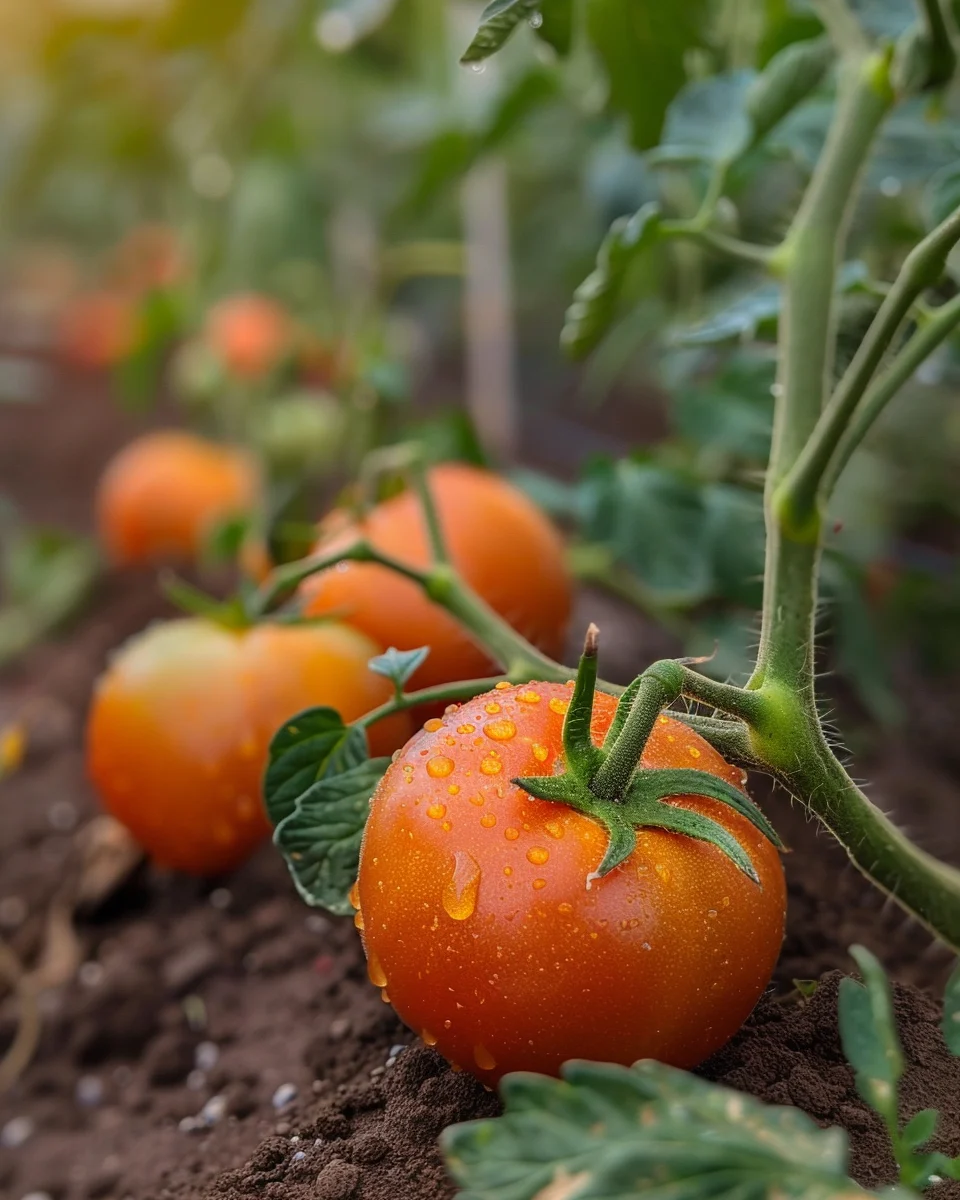
For cool temperate regions (UK, northern US), the optimal window is late May through early June when soil has thoroughly warmed. For warm temperate regions (Mediterranean, southern US), mid-March through April works best. If starting from seed, begin indoors 6-8 weeks before your last frost date. For transplants, wait until nighttime temperatures consistently stay above 10°C (50°F). Planting during moderate temperature periods rather than extreme heat helps establish plants that develop stronger cell walls, making fruits less prone to splitting later in the season.
Best tomato varieties to grow that resist splitting
Some tomato varieties are naturally more resistant to splitting than others. Consider these excellent options:
- Roma – Thick-skinned paste tomato with excellent split resistance and perfect for sauces.
- Celebrity – Disease-resistant hybrid with firm fruits that rarely split even during rainy periods.
- Mountain Fresh – Developed specifically for crack resistance with consistent size and flavor.
- Defiant – Medium-sized fruits with excellent disease resistance and thick, split-resistant skin.
- Juliet – Small grape tomato that rarely splits and produces abundantly throughout the season.
- Arkansas Traveler – Heirloom variety known for crack resistance even in hot, humid conditions.
- Sun Gold Cherry – While not completely split-proof, this sweet cherry variety has better resistance than many other cherry types.
How to plant tomatoes to prevent splitting
Materials needed:
- Healthy tomato seedlings or plants
- Compost or well-rotted manure
- Balanced organic fertilizer
- Mulch material (straw, wood chips, or leaf mulch)
- Tomato cages or stakes
- Garden trowel or shovel
- Watering can or hose with gentle spray attachment
Planting steps:
- Select a site with full sun (6-8 hours minimum) and good air circulation to help fruits develop evenly.
- Prepare soil by incorporating 2-3 inches (5-7.5 cm) of compost to improve water retention and drainage balance.
- Dig holes approximately 18-24 inches (45-60 cm) apart for determinate varieties and 24-36 inches (60-90 cm) for indeterminate varieties.
- Make holes deep enough to bury the stem up to the first set of true leaves to encourage strong root development.
- Add a handful of balanced organic fertilizer to each planting hole, mixing it with the soil.
- Remove lower leaves and place the plant in the hole, filling with soil and firming gently around the stem.
- Water thoroughly but gently to settle soil without creating air pockets.
- Apply 2-3 inches (5-7.5 cm) of organic mulch around plants, keeping it a few inches away from the stem.
- Install cages or stakes at planting time to avoid root damage later.
- Label varieties to track which ones show better split resistance in your specific conditions.
How to grow tomatoes that don’t split
Consistent care is crucial for preventing splits. Provide full sunlight (6-8 hours minimum) for strong plant development. Establish a regular watering schedule, aiming for deep, thorough watering 2-3 times per week rather than daily light sprinklings. Apply water directly to the soil, not the foliage or fruits. During fruit development, maintain even soil moisture—neither soggy nor completely dry. Apply a balanced organic fertilizer (5-5-5) at planting time, then switch to a lower-nitrogen, higher-potassium formula (such as 2-5-10) once flowering begins to strengthen fruit skins. Maintain a 2-3 inch (5-7.5 cm) layer of mulch to regulate soil temperature and moisture. For container-grown tomatoes, use larger pots (minimum 5-gallon/19-liter) and water more frequently but consistently to prevent moisture fluctuations.
Caring for tomatoes to prevent splitting
Monitor plants regularly for early signs of splitting, harvesting fruits slightly before full ripeness if heavy rain is forecast. Common pests like hornworms and aphids stress plants, potentially contributing to splitting—control them with organic methods like neem oil or insecticidal soap. Fungal diseases can weaken fruit skins; maintain good air circulation by proper spacing and pruning. Harvest tomatoes when they show the first blush of color (they’ll continue ripening indoors) to avoid overripe fruits that are more prone to splitting. For storage, keep tomatoes at room temperature with stem-end down for best flavor—never refrigerate unless fully ripe, as cold temperatures alter texture and can contribute to splitting when returned to warmth.
Understanding splitting in tomatoes
Splitting occurs when the inside of the tomato grows faster than the skin can expand. The primary trigger is rapid water uptake after a period of dryness, causing the fruit to expand quickly and crack the skin. High temperatures followed by rain or heavy watering create perfect splitting conditions. Prevent splitting by maintaining consistent soil moisture through regular watering and mulching. If splitting begins, adjust your watering schedule immediately and consider harvesting fruits earlier. Split tomatoes are still edible—simply cut away the affected areas and use the rest promptly. Some splitting is genetic, so note which varieties perform best in your specific conditions for future planting decisions.
Why do tomatoes split after rain?
- Rapid water absorption – After dry periods, tomatoes absorb water quickly, expanding faster than skin can stretch.
- Thin skin varieties – Some varieties naturally have thinner, more delicate skins that split easily with moisture fluctuations.
- Late-season splitting – Mature fruits are more susceptible as their growth rate slows while skin becomes less elastic.
- Temperature fluctuations – Significant day/night temperature differences cause expansion and contraction that weakens fruit skins.
- Excessive nitrogen – Too much nitrogen fertilizer promotes rapid growth that outpaces skin development, making fruits more prone to splitting.
Companion planting for tomatoes to reduce splitting
Strategic companion planting can help create microclimate conditions that reduce splitting. Good companions include:
- Basil – Repels certain pests and may improve tomato flavor while creating beneficial shade during intense heat.
- Marigolds – Deter nematodes and other soil pests that stress tomato plants, making them more resilient.
- Nasturtiums – Act as trap crops for aphids and other pests that can damage tomato plants.
- Carrots – Their deep roots help break up soil, improving drainage that prevents water pooling after rain.
- Borage – Attracts pollinators and helps tomatoes resist disease and environmental stress.
Avoid planting tomatoes near:
- Potatoes – Share diseases and compete for nutrients, potentially stressing tomato plants.
- Corn – Attracts tomato fruitworm and competes for nutrients, potentially causing stress that leads to splitting.
- Fennel – Inhibits growth of many plants, including tomatoes, leading to stressed plants more prone to problems.
Seasonal calendar
- February-March: Start seeds indoors (6-8 weeks before last frost); prepare soil with compost.
- April-May: Harden off seedlings; transplant outdoors after last frost when soil reaches 15°C (60°F).
- June: Install supports; apply mulch; begin regular deep watering schedule; monitor for pests.
- July: Side-dress with potassium-rich fertilizer as first fruits form; maintain consistent watering.
- August: Harvest regularly; reduce watering slightly as fruits ripen to improve flavor; monitor for splitting after rain.
- September-October: Continue harvesting; protect from early frosts; remove split fruits promptly.
For hot regions: Start earlier (January-February) and expect earlier harvests. For cool regions: Delay starting seeds until March and transplanting until late May; extend season with protection.
Problems & solutions
| Problem | Quick Fix |
|---|---|
| Radial splitting (from stem) | Harvest fruits earlier; maintain more consistent watering; mulch heavily to regulate soil moisture. |
| Concentric cracking (rings around stem end) | Provide more leaf cover to protect fruits from direct sun; select varieties with better resistance. |
| Splitting after heavy rain | Harvest fruits at first blush of color before predicted rainstorms; install rain shelters over plants. |
| Fruits splitting on the vine | Increase potassium fertilizer; reduce nitrogen; maintain consistent moisture with deep, regular watering. |
| Late-season splitting | Reduce watering slightly as fruits mature; harvest earlier; provide afternoon shade during intense heat. |
| Container tomatoes splitting | Use larger containers (minimum 5-gallon/19-liter); water more frequently but consistently; move to shade during extreme heat. |
| Cherry tomatoes splitting | Harvest more frequently; switch to split-resistant varieties like ‘Juliet’ or ‘Black Cherry’. |
Common questions about growing tomatoes that don’t split
How often should I water tomatoes to prevent splitting?
Water deeply 2-3 times per week rather than daily light watering. Aim for 1-2 inches (2.5-5 cm) of water weekly, adjusting for rainfall. Consistency is more important than frequency—maintain even soil moisture without fluctuating between very dry and very wet conditions.
Does mulching really help prevent tomato splitting?
Yes, significantly. A 2-3 inch (5-7.5 cm) layer of organic mulch regulates soil temperature and moisture, preventing the rapid water uptake that causes splitting. Straw, shredded leaves, or wood chips are excellent options, applied after soil has warmed.
Can I still eat tomatoes that have split?
Yes, split tomatoes are safe to eat if harvested promptly. Cut away the cracked portion and use the rest immediately. For food safety, avoid consuming fruits where the split has developed mold or shows signs of rot.
Which tomato varieties are most resistant to splitting?
Roma, paste, and plum tomatoes generally have thicker skins and better split resistance. Specific varieties like ‘Celebrity’, ‘Mountain Fresh’, and ‘Arkansas Traveler’ are bred for split resistance. Cherry varieties tend to split more easily, though ‘Juliet’ and ‘Sun Gold’ show better resistance than most.
Does growing tomatoes in containers increase splitting?
Container-grown tomatoes can be more prone to splitting due to faster soil moisture fluctuations. Use large containers (minimum 5-gallon/19-liter), self-watering containers, or water-absorbing polymers mixed into potting soil to maintain more consistent moisture levels.
How does fertilizer affect tomato splitting?
High-nitrogen fertilizers promote rapid growth that can outpace skin development, increasing splitting risk. After plants are established, switch to a lower-nitrogen, higher-potassium formula (such as 2-5-10) to strengthen fruit skins and reduce splitting.
Should I pick tomatoes before they’re fully ripe to prevent splitting?
Yes, harvesting at the “breaker stage” (first blush of color) is recommended, especially before predicted heavy rain. Tomatoes will continue ripening indoors with full flavor development while avoiding the risk of splitting on the vine.