
How To Grow Marigolds
Marigolds are vibrant, easy-to-grow flowering plants that bring warm colors to any garden. With their sunny blooms in shades of yellow, orange, and red, these versatile annuals offer both beauty and practical benefits. After growing marigolds for over a decade, I’ve found they’re perfect for beginners and experienced gardeners alike. Whether you’re planting them to brighten your landscape, repel garden pests, or use as cut flowers, this guide will walk you through everything you need to know about growing magnificent marigolds.
Understanding Marigold Varieties
Marigolds belong to the Tagetes genus in the Asteraceae family. There are several distinct varieties, each with unique characteristics:
- French Marigolds (Tagetes patula): Compact plants (8-12 inches tall) with small, frilly blooms perfect for borders and containers.
- African Marigolds (Tagetes erecta): Taller plants (up to 3 feet) with large, ball-shaped flowers. Despite the name, they’re native to Mexico and Central America.
- Signet Marigolds (Tagetes tenuifolia): Delicate, lacy foliage with small single flowers and a citrusy scent. Excellent for edible gardens.
- Triploid Marigolds: Hybrids between French and African varieties, offering intermediate height and sterile flowers that bloom longer.
When and Where to Plant Marigolds
Marigolds thrive in full sun and can grow in most climates across USDA zones 2-11. For best results, plant them after all danger of frost has passed and soil has warmed.
If starting from seed indoors, sow them 6-8 weeks before your last expected frost date. Marigold seeds germinate quickly, usually within 4-7 days in warm conditions.
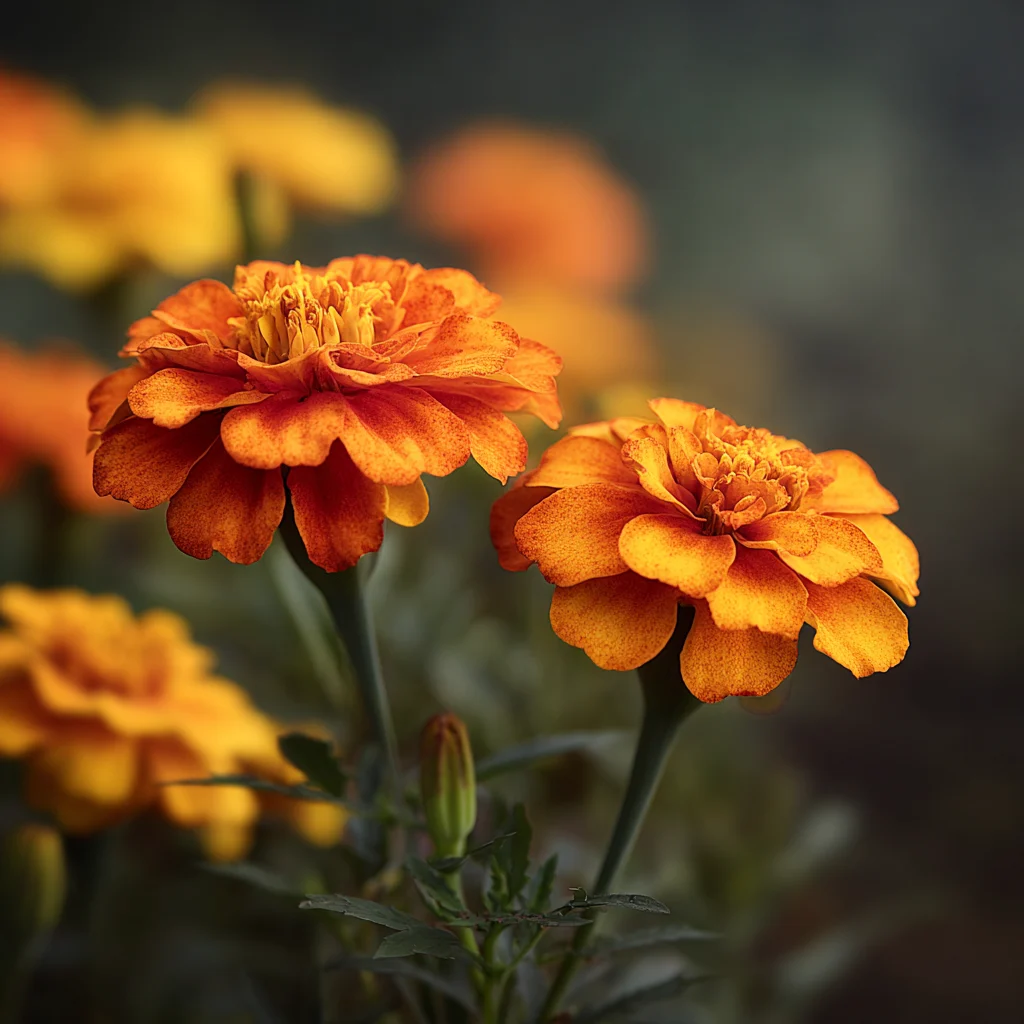
Choose a location that receives at least 6-8 hours of direct sunlight daily. While marigolds can tolerate partial shade, they’ll produce fewer flowers without adequate sun.
Soil Requirements and Preparation
One of marigolds’ greatest attributes is their adaptability to various soil conditions. They prefer well-draining soil but will tolerate almost any soil type except heavy clay.
Before planting, work some compost into your garden bed to improve fertility and drainage. Aim for a slightly acidic to neutral pH between 6.0 and 7.0, though marigolds will grow in slightly alkaline soils as well.
If planting in containers, use a good quality potting mix rather than garden soil to ensure proper drainage and prevent compaction.
Planting Marigold Seeds and Seedlings
Direct Sowing Seeds
To plant marigold seeds directly in the garden:
- Wait until soil temperatures reach at least 65°F (18°C).
- Loosen the soil and remove any weeds or debris.
- Sow seeds about 1/4 inch deep and 8-10 inches apart.
- Water gently to avoid displacing the seeds.
- Keep soil consistently moist until germination occurs.
Transplanting Seedlings
If starting with nursery plants or your own indoor-grown seedlings:
- Dig holes slightly larger than the root ball.
- Space French marigolds 8-10 inches apart, African marigolds 10-12 inches apart.
- Remove plants carefully from their containers.
- Place in the hole at the same depth as they were growing previously.
- Firm soil gently around roots and water thoroughly.
Watering and Moisture Requirements
Marigolds are relatively drought-tolerant once established, making them excellent choices for water-conscious gardens. However, they perform best with consistent moisture, especially when young.
Water deeply once or twice a week, allowing the top inch of soil to dry between waterings. Avoid overhead watering when possible to prevent fungal diseases on the foliage.
During hot summer periods, you may need to increase watering frequency. Apply a 2-inch layer of mulch around plants (keeping it away from stems) to help retain soil moisture and suppress weeds.
Fertilizing Marigolds
Marigolds don’t require heavy feeding. In fact, too much nitrogen can result in lush foliage but fewer flowers. For best results:
- Incorporate compost into the soil before planting.
- Apply a balanced, slow-release fertilizer (such as 5-10-5) at planting time.
- For container-grown marigolds, feed with a half-strength liquid fertilizer every 4-6 weeks.
If your soil is particularly poor, a second light application of fertilizer mid-season can help maintain flowering.
Deadheading and Maintenance
Regular deadheading (removing spent flowers) is the key to continuous marigold blooms. This prevents the plant from setting seed and encourages it to produce more flowers.
To deadhead properly, pinch or cut the flower stem just above a set of leaves or a branch junction. This not only removes the faded flower but also helps maintain a neat, compact plant shape.
For bushier growth, pinch back young plants when they reach about 6 inches tall. This encourages branching and ultimately more flowers.
Common Pests and Problems
While marigolds are known for repelling many garden pests, they can still face some challenges:
- Aphids: Spray affected plants with a strong stream of water or insecticidal soap.
- Spider mites: Most common during hot, dry weather. Increase humidity around plants and treat with insecticidal soap if needed.
- Powdery mildew: Improve air circulation and avoid overhead watering. Remove severely affected leaves.
- Root rot: Occurs in poorly draining soils. Ensure proper drainage and avoid overwatering.
Growing Marigolds in Containers
Marigolds excel in container gardens, adding vibrant color to patios, balconies, and small spaces. For container growing:
- Choose pots at least 8-10 inches deep with drainage holes.
- Use quality potting mix, not garden soil.
- French and Signet varieties are ideal for containers due to their compact size.
- Water more frequently than garden-grown marigolds, as containers dry out faster.
- Feed with diluted liquid fertilizer monthly during the growing season.
Companion Planting with Marigolds
Marigolds make excellent companion plants in vegetable gardens. Their strong scent can deter pests, and their roots release compounds that suppress harmful nematodes.
Plant marigolds alongside:
- Tomatoes, peppers, and eggplants to deter whiteflies and other pests
- Cucumbers and squash to repel beetles
- Beans and other legumes to enhance growth
- Roses to deter aphids
In ornamental beds, marigolds pair beautifully with blue or purple flowers like salvias and ageratums for a striking color contrast.
Harvesting Marigolds for Cut Flowers
Marigolds make cheerful cut flowers that can last up to a week in a vase. For the longest vase life:
- Cut flowers in the morning when they’re fully open but still fresh.
- Choose stems with flowers that have just reached full bloom.
- Remove lower leaves that would sit below the water line.
- Place immediately in cool water.
- Change vase water every 2-3 days.
African marigolds with their larger blooms typically last longer as cut flowers than the smaller French varieties.
Saving Marigold Seeds
Marigolds are prolific seed producers, making them perfect for seed saving. To collect seeds for next year’s garden:
- Allow some flowers to remain on the plant until they dry completely.
- The base of the flower will turn brown and the petals will become papery.
- Carefully remove the dried flower head and break it open over a container.
- The seeds are the long, thin black structures with a white tip.
- Store dried seeds in a paper envelope in a cool, dry place until spring.
Note that seeds from hybrid varieties may not produce plants identical to the parent.
Using Marigolds Beyond the Garden
Marigolds offer uses beyond their ornamental value:
- Edible flowers: Signet marigold petals have a citrusy, slightly spicy flavor that can be added to salads or used as a garnish.
- Natural dyes: Marigold flowers produce yellow to orange dyes for fabrics.
- Dried flowers: African marigolds can be dried and used in potpourri or crafts.
- Cultural significance: Marigolds play important roles in Day of the Dead celebrations and various cultural traditions worldwide.
Conclusion
Growing marigolds rewards gardeners with months of vibrant color, pest protection, and versatile blooms. Their adaptability to various growing conditions, minimal care requirements, and multiple uses make them an excellent choice for gardeners of all skill levels.
If you’re encountering persistent pest or disease issues with your marigolds, consider consulting with your local extension office or garden center for region-specific advice. Their expertise can help you identify and address problems unique to your growing conditions.