
How to Grow Vegetables in Zone 7: When to Plant, Best Varieties & Care Guide
Intro for growing vegetables in zone 7
Zone 7 offers gardeners a moderate climate with a growing season of approximately 180-200 days, making it ideal for a wide variety of vegetables. With average minimum temperatures between 0°F and 10°F (-17.8°C to -12.2°C), this zone spans across parts of the southern and mid-Atlantic United States. The relatively mild winters and warm summers create excellent conditions for both cool and warm-season crops. By understanding the unique characteristics of this growing zone, you can maximize harvests through strategic planting times, appropriate variety selection, and proper care techniques. Whether you’re a beginner or looking to expand your garden, zone 7 provides ample opportunities for a productive and rewarding vegetable garden.
When to plant vegetables in zone 7
In zone 7, the growing season typically begins earlier than in northern zones, with the last spring frost usually occurring between mid-March and mid-April. Fall frosts generally arrive between late October and mid-November. Cool-season vegetables thrive when soil temperatures reach 40-75°F (4-24°C), while warm-season crops need soil temperatures of at least 60-65°F (15-18°C) to germinate properly.
Cool-season vegetables like lettuce, spinach, and peas can be planted as early as February or March, often surviving light frosts. Warm-season vegetables such as tomatoes, peppers, and squash should wait until after the danger of frost has passed, typically mid-April to early May. For fall harvests, plant cool-season crops again in August or September when temperatures begin to moderate.
Best time to plant vegetables in zone 7
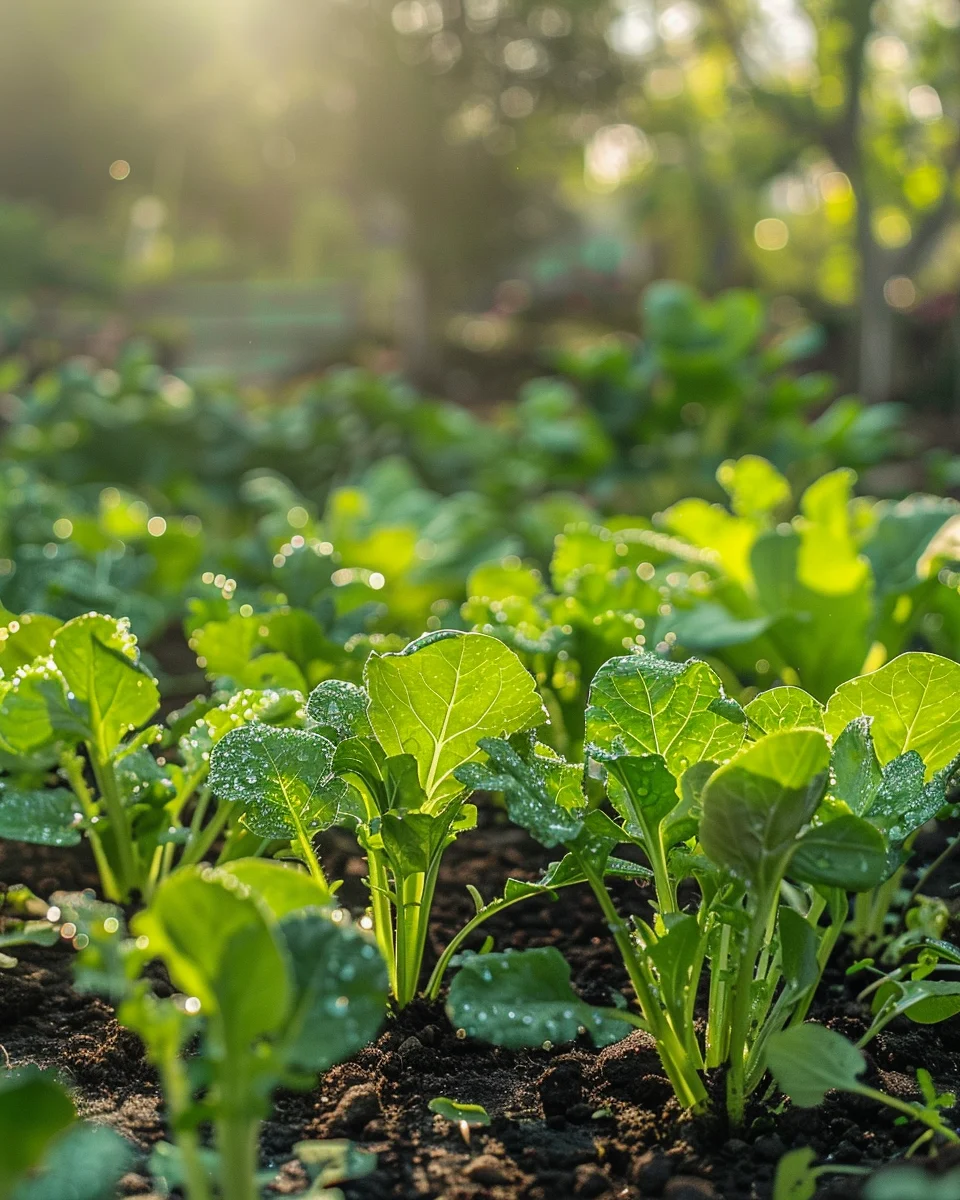
For spring planting in zone 7, direct sow cool-season crops like radishes, carrots, and leafy greens from late February to early April. Start warm-season seedlings indoors 6-8 weeks before the last frost date (typically January-February) for transplanting in April-May.
Summer crops like corn, beans, and cucumbers can be direct-sown from April through June. For fall harvests, plant quick-maturing cool-season vegetables from August through September. Some cold-hardy vegetables like kale, collards, and Brussels sprouts can be planted in late summer for harvest through winter, as they often survive zone 7’s moderate winter temperatures.
Consider succession planting fast-growing crops every 2-3 weeks throughout the growing season to ensure continuous harvests. In warmer parts of zone 7, you may even achieve year-round growing with proper timing and protection.
Best vegetable varieties to grow in zone 7
- Tomatoes: ‘Cherokee Purple’ – heat-tolerant heirloom with rich flavor that performs exceptionally well in zone 7’s warm summers.
- Peppers: ‘California Wonder’ – productive bell pepper that matures early enough for zone 7’s growing season while handling summer heat.
- Lettuce: ‘Buttercrunch’ – heat-resistant variety that’s slow to bolt in zone 7’s warming spring temperatures.
- Beans: ‘Contender’ – quick-maturing bush bean ideal for succession planting throughout zone 7’s long growing season.
- Squash: ‘Early Summer Crookneck’ – disease-resistant yellow squash that produces heavily in zone 7 conditions.
- Kale: ‘Lacinato’ (Dinosaur Kale) – cold-hardy variety that can produce from fall through winter in zone 7.
- Carrots: ‘Danvers Half Long’ – performs well in zone 7’s variable soil conditions and tolerates summer heat better than many varieties.
- Broccoli: ‘Belstar’ – heat-tolerant hybrid that resists bolting and can be grown in both spring and fall in zone 7.
How to plant vegetables in zone 7
Materials needed:
- Quality vegetable seeds or transplants
- Compost or aged manure
- Garden fork or tiller
- Garden trowel
- Watering can or hose with spray nozzle
- Mulch (straw, leaves, or wood chips)
- Plant markers
- Garden gloves
- Balanced organic fertilizer
Step-by-step planting instructions:
- Select a site that receives at least 6-8 hours of direct sunlight daily, with good drainage and protection from strong winds.
- Prepare soil 2-3 weeks before planting by removing weeds and incorporating 2-3 inches (5-7.5 cm) of compost or aged manure.
- Test soil pH and adjust to 6.0-7.0 for most vegetables; add lime to raise pH or sulfur to lower it if needed.
- Create planting rows or beds, considering companion planting relationships and mature plant sizes.
- For direct sowing, follow seed packet instructions for proper spacing and planting depth (generally 2-3 times the diameter of the seed).
- For transplants, dig holes slightly larger than the root ball and space according to plant requirements.
- Water thoroughly after planting, ensuring the soil is moist but not waterlogged.
- Apply 2-3 inches (5-7.5 cm) of mulch around plants (but not touching stems) to conserve moisture and suppress weeds.
- Install supports for climbing vegetables like peas, beans, and tomatoes at planting time to avoid disturbing roots later.
- Label all plantings with variety names and planting dates for better garden management.
How to grow vegetables in zone 7
Most vegetables in zone 7 require full sun (6+ hours daily), though leafy greens and some root vegetables can tolerate partial shade, especially during hot summer months. Water deeply 1-2 times per week, providing 1-1.5 inches (2.5-3.8 cm) of water weekly, adjusting for rainfall and temperature. Morning watering is best to reduce disease risk.
Apply balanced organic fertilizer (like 5-5-5) at planting time, then side-dress heavy feeders (tomatoes, peppers, corn) monthly. Light feeders (beans, peas) need minimal fertilization. Mulch all vegetables with 2-3 inches (5-7.5 cm) of organic material to retain moisture, suppress weeds, and moderate soil temperature.
Thin direct-sown seedlings according to packet instructions to prevent overcrowding. Prune tomatoes, removing suckers for indeterminate varieties, and stake or cage them when 12 inches (30 cm) tall. For container growing, use pots at least 12 inches (30 cm) deep with drainage holes, filled with quality potting mix (not garden soil). Container vegetables need more frequent watering and fertilizing than in-ground plants.
Caring for vegetables in zone 7
Monitor soil moisture regularly, especially during zone 7’s hot summer months. Weed weekly to reduce competition for nutrients and water. Inspect plants bi-weekly for pest and disease issues. Common pests include aphids, cabbage worms, and squash bugs. For aphids, spray with insecticidal soap; for cabbage worms, apply Bt (Bacillus thuringiensis); for squash bugs, hand-pick and destroy.
Watch for diseases like powdery mildew (white powder on leaves), early blight (brown spots with yellow halos), and bacterial wilt (sudden wilting). Prevent these by avoiding overhead watering, ensuring proper spacing for air circulation, and practicing crop rotation.
Harvest vegetables at their peak for best flavor—leafy greens when young and tender, root crops when firm but not oversized, and fruiting vegetables when fully colored but still firm. Most vegetables store best in the refrigerator at 32-40°F (0-4°C) with high humidity, though onions, garlic, and winter squash prefer cool, dry conditions around 50-60°F (10-15°C).
Understanding bolting in vegetables
Bolting is when vegetables prematurely produce flowering stems and set seed, making the edible portions bitter or tough. This natural process is most common in leafy greens, herbs, and root vegetables. In zone 7, bolting is primarily triggered by lengthening daylight hours and rising temperatures, typically occurring as spring transitions to summer. Plant stress from drought, root disturbance, or nutrient deficiencies can accelerate bolting.
To prevent bolting, choose bolt-resistant varieties labeled for heat tolerance. Plant cool-season crops early enough (February-March in zone 7) to mature before hot weather arrives. Provide afternoon shade during hot periods using shade cloth or by planting near taller crops. Maintain consistent soil moisture and apply mulch to keep soil temperatures cooler.
If bolting begins, harvest immediately for the best remaining quality. Consider succession planting bolt-prone vegetables every 2-3 weeks in spring and again in late summer for fall harvests, avoiding the peak heat of summer.
Why does vegetable growth turn bitter?
- Heat stress: Temperatures consistently above 85°F (29°C) can cause bitterness, especially in leafy greens and cucumbers. Solution: Provide afternoon shade and maintain consistent watering.
- Bolting: When vegetables begin to flower, they often develop bitter compounds. Solution: Harvest before flowering begins and plant heat-resistant varieties.
- Inconsistent watering: Drought stress followed by heavy watering can trigger bitterness in cucumbers and other vegetables. Solution: Water deeply and consistently, using mulch to maintain even soil moisture.
- Genetic factors: Some varieties naturally contain more bitter compounds. Solution: Choose varieties bred for reduced bitterness and proper zone 7 adaptation.
- Over-maturity: Vegetables left too long on the plant often develop bitter flavors. Solution: Harvest at proper maturity; pick cucumbers, summer squash, and eggplants while still young.
Companion planting for vegetables in zone 7
Beneficial companions:
- Tomatoes + Basil: Basil repels tomato hornworms and improves tomato flavor while thriving in similar conditions.
- Cucumbers + Nasturtiums: Nasturtiums deter cucumber beetles and attract pollinators, enhancing cucumber yields.
- Carrots + Onions: Onions repel carrot flies, while carrots deter onion pests, creating mutual protection.
- Lettuce + Radishes: Fast-growing radishes mark rows of slower-germinating lettuce and break up soil as they grow.
- Beans + Corn: Beans fix nitrogen that corn needs, while corn provides natural support for climbing bean varieties.
- Cabbage family + Aromatic herbs: Rosemary, sage, and thyme repel cabbage moths and other brassica pests.
Plants to avoid planting together:
- Tomatoes + Potatoes: Both are susceptible to similar diseases, which can spread more easily when planted nearby.
- Beans + Onions/Garlic: Alliums can stunt bean growth and interfere with nitrogen fixation.
- Cucumbers + Potatoes: Competing for nutrients and increasing vulnerability to similar diseases.
Seasonal calendar
January-February: Start seeds indoors for early spring crops (broccoli, cabbage, cauliflower); prepare garden beds; plant garlic if not done in fall.
March: Direct sow cool-season crops (peas, radishes, spinach, lettuce); plant potatoes; transplant cole crops started earlier; start warm-season seeds indoors.
April: Continue sowing cool-season crops; plant root vegetables; transplant onion sets; begin hardening off warm-season seedlings.
May: Transplant warm-season crops (tomatoes, peppers, eggplant) after last frost; direct sow beans, corn, cucumbers, and squash; harvest spring greens.
June-July: Continue succession planting of beans and corn; mulch all crops for summer heat; harvest cool-season crops; monitor for pests and diseases.
August: Begin fall garden preparations; direct sow fall crops (lettuce, spinach, kale); continue harvesting summer crops.
September: Plant garlic and overwintering onions; continue planting cool-season crops; harvest and preserve summer vegetables.
October-November: Harvest remaining summer crops before frost; plant cover crops in empty beds; protect cold-hardy vegetables for extended harvest.
December: Harvest cold-hardy vegetables; clean and store tools; review garden performance; plan next year’s garden.
Note: In warmer parts of zone 7, planting dates may be 1-2 weeks earlier; in cooler areas, delay by 1-2 weeks.
Problems & solutions
| Problem | Quick Fix |
|---|---|
| Yellowing leaves | Check for overwatering; ensure proper drainage; apply balanced fertilizer if nutrient deficiency is suspected. |
| Stunted growth | Test soil for nutrient deficiencies; ensure plants receive adequate sunlight; check for root-bound containers. |
| Holes in leaves | Inspect for caterpillars or beetles; apply organic insecticides like neem oil or Bt; introduce beneficial insects. |
| Wilting despite adequate water | Check for root diseases or pests; examine stems for borers; provide afternoon shade during extreme heat. |
| Blossom drop | Ensure temperatures are appropriate for pollination (55-85°F/13-29°C); hand-pollinate if pollinator activity is low. |
| Powdery white coating on leaves | Treat powdery mildew with baking soda spray (1 tbsp per gallon of water with a few drops of soap); improve air circulation. |
| Cracked fruits | Maintain consistent watering, especially during fruit development; mulch to regulate soil moisture. |
Common questions about growing vegetables in zone 7
Q: When is the best time to water vegetables in zone 7?
A: Early morning (5-9 am) is ideal, allowing foliage to dry during the day, reducing disease risk. Avoid evening watering which leaves plants wet overnight. During extreme heat, a second light watering in late afternoon may be beneficial.
Q: How much sunlight do vegetables need in zone 7?
A: Most fruiting vegetables (tomatoes, peppers, squash) need 6-8 hours of direct sunlight daily. Leafy greens and root vegetables can tolerate partial shade (4-6 hours), which may actually benefit them during hot summer months.
Q: What size containers work best for growing vegetables in zone 7?
A: Use containers at least 12 inches (30 cm) deep and wide for most vegetables. Tomatoes and larger plants need 5-gallon (19-liter) containers minimum. In zone 7’s heat, larger containers retain moisture better and require less frequent watering.
Q: How far apart should I space my vegetable plants?
A: Spacing varies by vegetable: tomatoes need 24-36 inches (60-90 cm), peppers 18-24 inches (45-60 cm), lettuce 6-12 inches (15-30 cm), and carrots 2-4 inches (5-10 cm). Proper spacing improves air circulation, reducing disease in zone 7’s humidity.
Q: Can I grow vegetables year-round in zone 7?
A: Yes, with proper planning. Cold-hardy vegetables like kale, spinach, and carrots can grow through winter, especially with protection (row covers, cold frames). Summer crops grow from April through October, while spring and fall offer ideal conditions for cool-season vegetables.
Q: How often should I harvest vegetables?
A: Harvest frequency depends on the vegetable: leafy greens can be harvested continuously (cut-and-come-again); beans, cucumbers, and summer squash should be picked every 2-3 days to encourage production; tomatoes and peppers as they ripen; root vegetables when they reach desired size.
Q: How can I extend my growing season in zone 7?
A: Use row covers or cold frames to protect from early spring and late fall frosts. Plant cold-hardy varieties for winter harvests. Consider using shade cloth during peak summer heat to extend production of cool-season crops. Start seeds indoors 6-8 weeks before transplanting to get earlier harvests.