
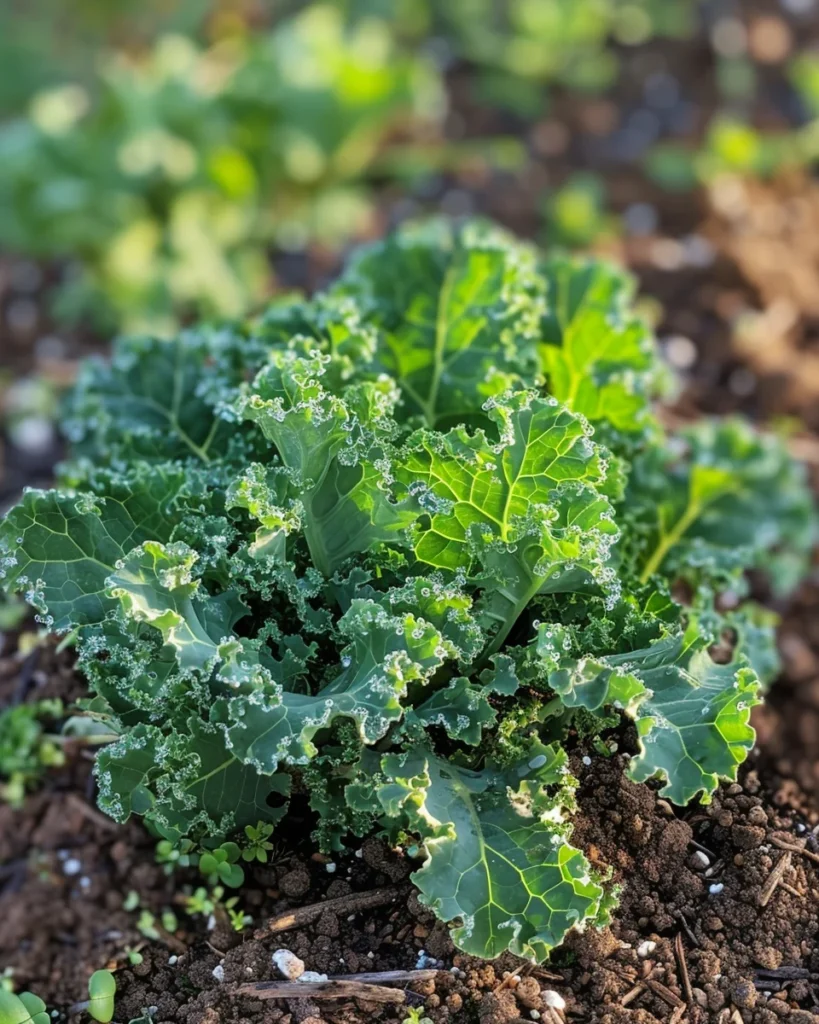
How to Grow Sea Kale as a Perennial Vegetable: When to Plant, Best Varieties & Care Guide
Intro for how to grow sea kale as a perennial vegetable
Sea kale (Crambe maritima) is a striking perennial vegetable that brings both ornamental beauty and culinary versatility to your garden. Native to European coastlines, this hardy plant offers tender spring shoots and leaves with a delicate flavor reminiscent of cabbage and asparagus. As a true perennial, sea kale can produce harvests for up to 10 years from a single planting, making it an excellent investment for sustainable gardens. It thrives in temperate climates (USDA zones 4-9) and adapts well to coastal gardens with its natural salt tolerance. With its attractive blue-green foliage and white summer flowers, sea kale serves as both a productive food crop and an architectural element in perennial borders.
When to plant how to grow sea kale as a perennial vegetable
Sea kale is best planted in early spring once soil temperatures reach 10-15°C (50-59°F). In temperate regions, this typically falls between March and April. Unlike many vegetables, sea kale is extremely frost-hardy once established, withstanding temperatures as low as -15°C (5°F). For warmer regions (Mediterranean or southern US), fall planting is also possible, giving roots time to establish before summer heat. Sea kale prefers a period of winter chill for optimal growth, making it less suitable for tropical climates. The plant’s natural dormancy period occurs in winter, with new growth emerging as temperatures rise in spring.
Best time to plant how to grow sea kale as a perennial vegetable
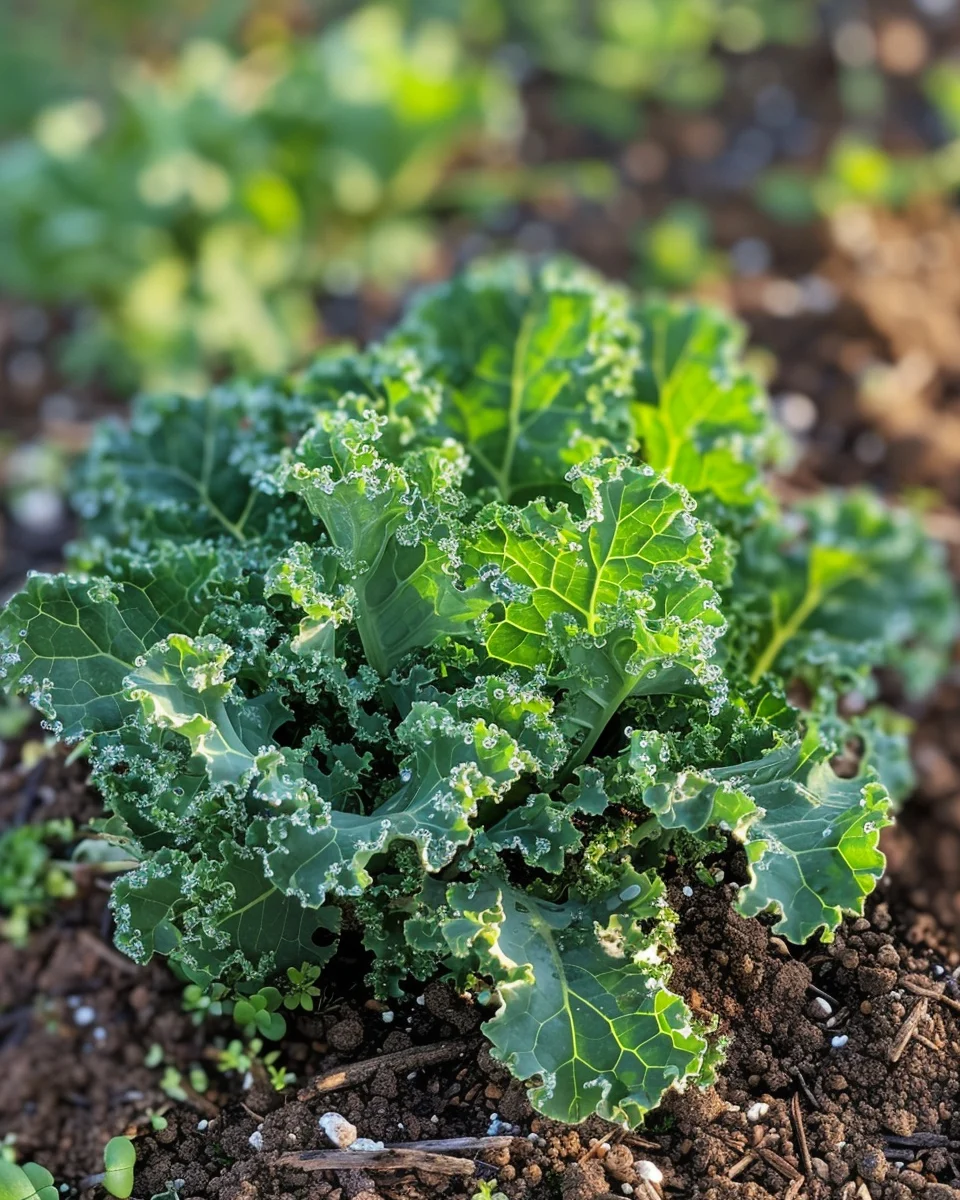
In cool temperate regions (UK, northern Europe, US zones 4-6), plant sea kale from mid-March to late April when soil can be worked. For warmer climates (US zones 7-9), February to early March is ideal for spring planting, or September to October for fall planting. Direct sowing of seeds works best in autumn, allowing natural stratification over winter. For faster results, plant root cuttings (thongs) in early spring. Transplants from containers can be moved to garden beds once all danger of hard frost has passed, typically 2-3 weeks after your last frost date. In Mediterranean climates, avoid summer planting when heat stress would compromise establishment.
Best how to grow sea kale as a perennial vegetable varieties to grow
- Lily White – Produces exceptionally blanched shoots with minimal bitterness and excellent tenderness.
- Lilywhite Improved – Selected for more uniform growth habit and consistent production over a longer season.
- Purple Sprouting – Features attractive purple-tinged shoots that add visual interest to both garden and plate.
- Variegata – Ornamental variety with cream-splashed leaves that makes an attractive edible landscape specimen.
- Crambe cordifolia – A larger cousin with more dramatic flowering stalks, suitable for back-of-border plantings.
- Wild Type – Original coastal form with excellent salt tolerance and wind resistance for exposed gardens.
- Dwarf Form – Compact growth habit making it suitable for container cultivation on patios or small gardens.
How to plant how to grow sea kale as a perennial vegetable
Materials needed:
- Sea kale seeds or root thongs
- Compost or well-rotted manure
- Garden fork and spade
- Watering can or hose
- Mulch material (straw, compost, or bark chips)
- Horticultural sand or grit (for heavy soils)
- Seaweed meal (optional)
Step-by-step planting:
- Select a permanent site with full sun to light shade that won’t be disturbed for years.
- Prepare soil by digging to a depth of 30-40cm (12-16in), removing stones and incorporating compost.
- For heavy clay soils, add horticultural grit or sand to improve drainage, as sea kale dislikes waterlogged conditions.
- Space plants 60-90cm (24-36in) apart to allow for their eventual spread.
- For root thongs, plant horizontally 5-8cm (2-3in) deep with any visible buds pointing upward.
- For seeds, sow 1-2cm (½-¾in) deep, thinning later to proper spacing.
- Water thoroughly after planting to settle soil around roots.
- Apply a 5cm (2in) layer of mulch around plants, keeping it away from stems to prevent rot.
- Mark planting spots clearly, as sea kale is slow to emerge and easily mistaken for weeds in its first year.
How to grow how to grow sea kale as a perennial vegetable
Sea kale thrives in full sun but tolerates partial shade, especially in hotter regions where afternoon shade can be beneficial. Water deeply but infrequently, allowing the top 2-3cm (1in) of soil to dry between waterings. Once established, sea kale is drought-tolerant, requiring supplemental water only during extended dry periods. Apply a balanced organic fertilizer (such as 5-5-5) in early spring as new growth emerges, followed by a side-dressing of compost mid-season. Mulch annually with compost or well-rotted manure to maintain soil fertility. Prune flowering stems before seed formation to prevent self-seeding and maintain plant vigor, unless you wish to collect seeds. For container growing, use minimum 40cm (16in) deep pots with excellent drainage, and protect roots from freezing in winter by wrapping containers or moving to a sheltered location.
Caring for how to grow sea kale as a perennial vegetable
In late winter, clear away old leaves and apply a fresh layer of compost around plants. For blanched shoots (a traditional delicacy), cover emerging growth with upturned pots, soil mounds, or special blanching covers in early spring. Harvest by cutting shoots at soil level when they reach 15-20cm (6-8in) tall. Common pests include slugs and snails, which can be controlled with beer traps or diatomaceous earth barriers. Flea beetles may create small holes in leaves; control with row covers or neem oil spray. Sea kale rarely suffers from serious diseases, though powdery mildew can appear in humid conditions—improve air circulation and avoid overhead watering to prevent it. After 3-4 years, plants can be propagated by dividing roots in early spring or taking root cuttings in late autumn. Store harvested shoots in the refrigerator for up to a week, wrapped in damp paper towels inside a perforated plastic bag.
Understanding bolting in how to grow sea kale as a perennial vegetable
Bolting in sea kale refers to the plant’s natural flowering process, which typically occurs in its second or third year. Unlike annual vegetables where bolting is undesirable, sea kale’s flowering is part of its normal growth cycle. The main triggers for flowering include increasing day length in late spring, accumulated plant maturity, and occasionally stress factors like extreme temperature fluctuations. If you’re growing sea kale primarily for its edible shoots and leaves, you can delay flowering by removing flower stalks as they begin to form, redirecting energy to leaf production. However, the flower stalks themselves are edible when young and tender (similar to broccoli), offering an additional harvest. The white flowers also attract beneficial pollinators, so consider leaving some plants to bloom. After flowering, plants will naturally die back somewhat before resuming vegetative growth.
Why does how to grow sea kale as a perennial vegetable turn bitter?
- Age of shoots – Harvest shoots when young (15-20cm/6-8in); older growth becomes increasingly bitter and tough.
- Heat stress – Extended periods above 25°C (77°F) can increase bitterness; provide afternoon shade in hot climates.
- Insufficient blanching – Traditional blanching (excluding light) reduces bitterness; ensure complete coverage when blanching.
- Drought stress – Inconsistent watering during dry periods can concentrate bitter compounds; maintain even soil moisture.
- Nutrient imbalance – Excessive nitrogen fertilizer can increase bitterness; use balanced fertilizers and compost instead.
Companion planting for how to grow sea kale as a perennial vegetable
Good companions:
- Alliums (garlic, chives, onions) – Repel pests that might affect sea kale and don’t compete for root space.
- Chamomile – Attracts beneficial insects and may improve the flavor of nearby vegetables.
- Nasturtiums – Act as trap crops for aphids and other pests that might otherwise target sea kale.
- Calendula – Attracts pollinators and beneficial insects while adding color to the perennial bed.
- Artemisia – The aromatic foliage deters many common garden pests.
Avoid planting near:
- Brassicas (cabbage, broccoli, kale) – Share pests and diseases with sea kale and may increase disease pressure.
- Aggressive spreaders (mint, comfrey) – Can overwhelm sea kale’s growing space over time.
- Heavy feeders (corn, squash) – Compete for nutrients that sea kale needs for long-term establishment.
Seasonal calendar
- January-February: Clean up dead foliage; prepare blanching covers.
- March: Apply compost and fertilizer; place blanching covers over crowns for early shoots.
- April: Harvest blanched shoots; plant new root cuttings; direct sow seeds.
- May: Continue harvesting shoots; remove blanching covers to allow leaf development.
- June: Harvest young leaves; remove flower stalks unless keeping for ornamental value.
- July-August: Minimal harvest to allow plants to rebuild energy; water during dry periods.
- September: Light harvest of new leaves; collect seeds if flowers were allowed to develop.
- October: Begin fall cleanup; take root cuttings for propagation.
- November-December: Allow plants to enter dormancy; apply winter mulch in colder regions.
Problems & solutions
| Problem | Quick Fix |
|---|---|
| Slow germination from seed | Soak seeds in water for 24 hours before planting; be patient as germination can take 3-4 weeks. |
| No growth in first year | Normal for sea kale; focus on root development by keeping weeded and watered; expect better growth in year two. |
| Slug damage to young shoots | Apply copper tape barriers, diatomaceous earth, or use evening patrols to remove slugs manually. |
| Yellowing leaves | Check drainage; sea kale dislikes wet feet. Improve soil structure with grit or raised planting. |
| Plants dying back after harvest | Overharvesting; limit harvest to 1/3 of shoots per plant to maintain vigor. |
| Weak, spindly growth | Insufficient sunlight; transplant to a sunnier location or remove competing vegetation. |
| Excessive self-seeding | Remove flower stalks before seed formation or deadhead spent flowers promptly. |
Common questions about growing how to grow sea kale as a perennial vegetable
How often should I water sea kale?
Water deeply once a week during establishment and dry periods. Once established (after the first year), sea kale is drought-tolerant and typically requires watering only during extended dry spells.
Can sea kale grow in partial shade?
Yes, sea kale can tolerate partial shade, especially in hotter climates where afternoon shade is beneficial. However, for optimal growth and flavor, aim for at least 6 hours of direct sunlight daily.
What size container works for growing sea kale?
Use containers at least 40-50cm (16-20in) deep and wide to accommodate sea kale’s substantial taproot. Ensure excellent drainage with multiple drainage holes and use a high-quality potting mix amended with compost.
How far apart should I space sea kale plants?
Space sea kale plants 60-90cm (24-36in) apart to allow for their eventual spread. In smaller gardens, 60cm (24in) spacing works if you’re willing to manage the plants more actively.
How cold-hardy is sea kale?
Sea kale is extremely cold-hardy once established, surviving temperatures down to -15°C (5°F). In very cold regions, apply a thick mulch around the crown in late fall for additional protection.
How many years will sea kale produce?
With proper care, sea kale plants can remain productive for 7-10 years or more. Divide older plants every 4-5 years to rejuvenate them and maintain vigor.
When can I start harvesting from my sea kale plants?
Avoid harvesting in the first year to allow plants to establish. Begin light harvesting in the second year, taking only a few shoots per plant. From the third year onward, you can harvest more extensively while still leaving sufficient foliage for the plant to regenerate.