
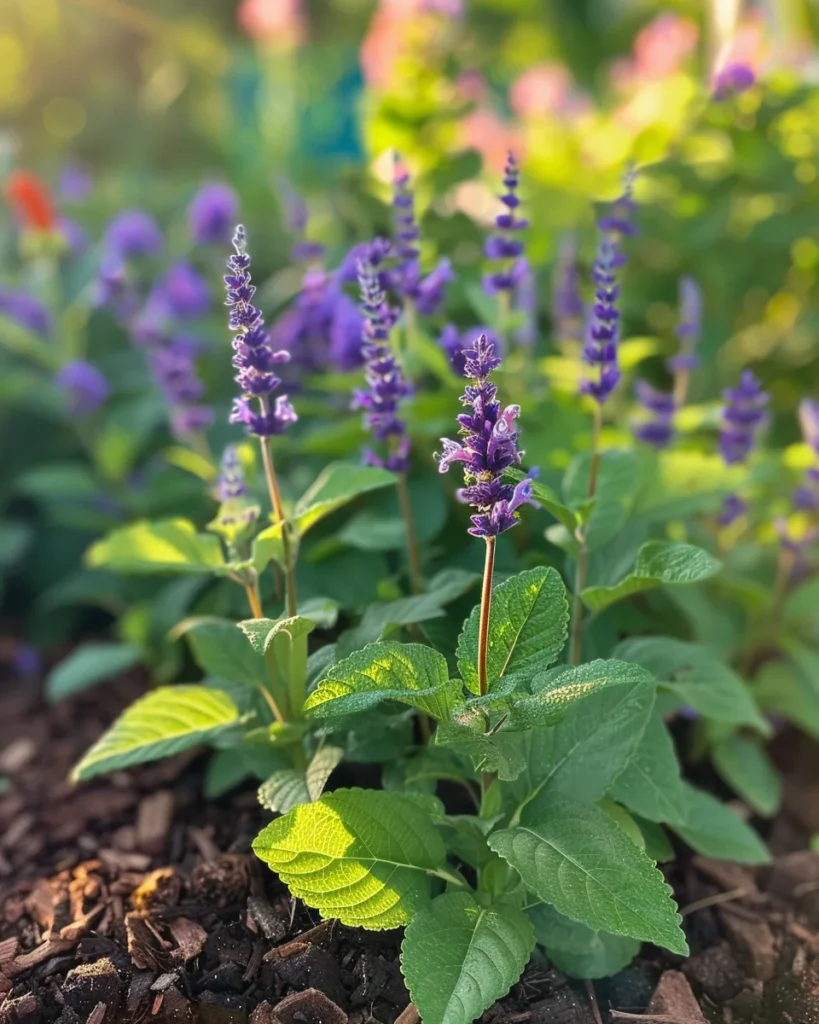
How to Grow Salvia for Hummingbirds: When to Plant, Best Varieties & Care
Intro for growing salvia for hummingbirds
Salvia, with its vibrant tubular flowers and aromatic foliage, is one of the most reliable plants for attracting hummingbirds to your garden. These nectar-rich perennials act as natural feeding stations, providing essential sustenance for these tiny, energetic birds. Native to various regions across the Americas, salvias are drought-tolerant, deer-resistant, and relatively low-maintenance once established. They thrive in well-drained soil and sunny locations across USDA zones 5-11, depending on the variety. Beyond their wildlife benefits, salvias add vertical interest, long-lasting color, and a touch of wildness to garden borders, containers, and dedicated pollinator gardens. With proper care, these versatile plants will reward you with months of blooms and a constant parade of hummingbird visitors.
When to plant salvia for hummingbirds
Timing is crucial when planting salvia for optimal hummingbird attraction. In most temperate regions, plant salvias after all danger of frost has passed and soil temperatures have reached at least 15-18°C (60-65°F). Spring planting gives salvias time to establish before summer heat arrives, while fall planting (at least 6-8 weeks before first frost) allows roots to develop before winter dormancy. In Mediterranean or mild climates, salvias can be planted nearly year-round, avoiding only the hottest summer periods. For colder regions (below Zone 5), treat tender salvias as annuals or plant in containers that can be moved indoors during winter months.
Best time to plant salvia for hummingbirds
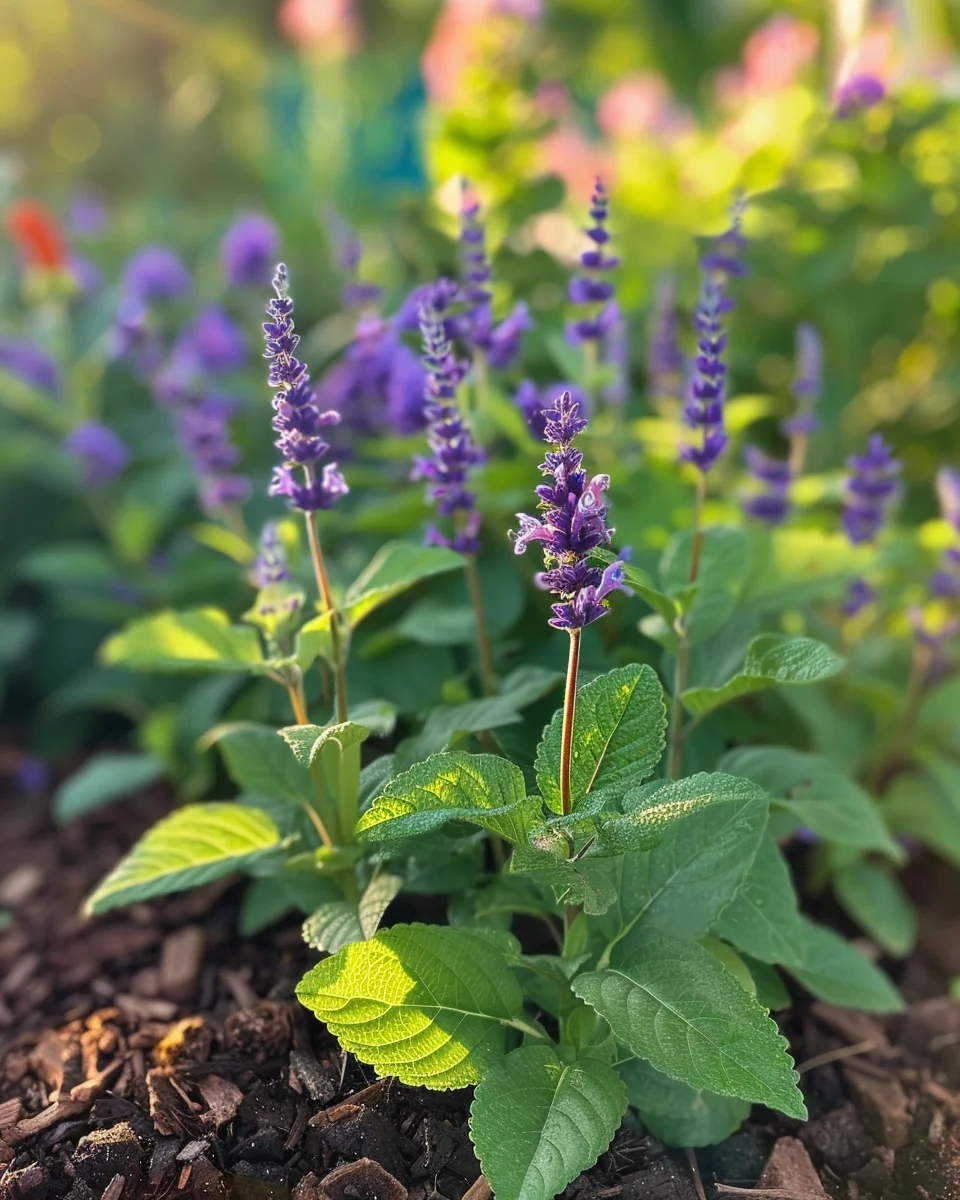
For cool temperate regions (Zones 5-7), the ideal planting window is mid-to-late spring (April to May) for transplants, or early spring for seeds started indoors 6-8 weeks earlier. In warm temperate regions (Zones 8-10), plant salvias from early spring through early summer (March to June) or in early fall (September to October) to avoid summer heat stress during establishment. For direct sowing, wait until soil temperatures consistently reach 18°C (65°F). In mild winter areas, fall planting (September to November) gives plants a head start for spring growth and earlier hummingbird attraction. Container-grown salvias can be transplanted almost any time during the growing season if properly hardened off and given adequate water during establishment.
Best salvia varieties to grow for hummingbirds
- Salvia guaranitica ‘Black and Blue’ – Dramatic cobalt-blue flowers with black calyces that bloom from summer to frost, reaching 3-4 feet tall with exceptional hummingbird appeal.
- Salvia greggii ‘Hot Lips’ – Bicolor red and white flowers that bloom nearly year-round in mild climates, compact growth habit perfect for containers and borders.
- Salvia elegans (Pineapple Sage) – Late-season bloomer with brilliant red flowers and pineapple-scented foliage that coincides with hummingbird migration in many regions.
- Salvia ‘Amistad’ – Purple-black flowers with nearly black calyces on tall stems that bloom continuously from early summer until frost, exceptionally vigorous.
- Salvia microphylla ‘Hot Tamale’ – Heat-tolerant variety with bicolor orange-red flowers that blooms prolifically even during summer heat waves.
- Salvia coccinea ‘Lady in Red’ – Easy-to-grow annual with bright red flowers that self-seeds readily, providing reliable hummingbird food from early summer onward.
- Salvia ‘Indigo Spires’ – Tall, dramatic spikes of deep blue-purple flowers that bloom non-stop from summer to frost, creating a dramatic vertical element in gardens.
How to plant salvia for hummingbirds
Materials needed:
- Salvia plants or seeds
- Compost or well-rotted manure
- Garden fork or tiller
- Garden trowel
- Watering can or hose with gentle spray attachment
- Mulch (bark chips, straw, or compost)
- All-purpose organic fertilizer (optional)
Step-by-step planting instructions:
- Select a planting site that receives at least 6 hours of direct sunlight daily with well-draining soil.
- Prepare the soil by removing weeds and loosening to a depth of 30 cm (12 inches), incorporating 5-7 cm (2-3 inches) of compost.
- For container planting, choose pots at least 30 cm (12 inches) in diameter with drainage holes and use quality potting mix.
- Dig planting holes twice as wide as the root ball and just as deep.
- Space plants according to variety needs: compact varieties 30-45 cm (12-18 inches) apart, larger varieties 60-90 cm (24-36 inches) apart.
- Remove plants from containers, gently loosen bound roots, and place in planting holes at the same depth as they were growing previously.
- Backfill with soil, firming gently around the roots without compacting.
- Water thoroughly after planting, providing about 2.5 cm (1 inch) of water to settle soil around roots.
- Apply 5-7 cm (2-3 inches) of mulch around plants, keeping it away from stems to prevent rot.
- For seeds, sow on the soil surface or barely cover (they need light to germinate), keep consistently moist until germination, then thin seedlings to proper spacing.
How to grow salvia for hummingbirds
Salvias thrive in full sun, requiring at least 6 hours of direct sunlight daily for optimal flowering and hummingbird attraction. In hot southern regions, afternoon shade can be beneficial for some varieties. Water newly planted salvias deeply once or twice weekly during their first growing season, allowing soil to dry slightly between waterings. Once established, most salvias are drought-tolerant, needing water only during extended dry periods (when leaves begin to droop). Apply a balanced, slow-release organic fertilizer in early spring when new growth appears, but avoid excessive nitrogen which promotes foliage at the expense of flowers.
Mulch around plants to conserve moisture and suppress weeds, maintaining a 5-7 cm (2-3 inches) layer throughout the growing season. Deadhead spent flower spikes regularly to encourage continuous blooming and prevent self-seeding. For bushier growth, pinch back growing tips when plants reach 15-20 cm (6-8 inches) tall. Container-grown salvias require more frequent watering and benefit from monthly feeding with diluted liquid fertilizer during the growing season. In regions with cold winters, provide winter protection for tender varieties with a thick mulch layer after the ground freezes.
Caring for salvia for hummingbirds
Regular deadheading is essential for continuous blooming and sustained hummingbird visits. Cut back flower stalks to just above a leaf node or side branch when blooms fade. In mid-summer, consider a more substantial pruning (cutting back by one-third) to rejuvenate tired plants and stimulate fresh flowering. Divide perennial salvias every 3-4 years in early spring to maintain vigor and create new plants.
Common pests include aphids, whiteflies, and spider mites, particularly during hot, dry weather. Control with strong water sprays, insecticidal soap, or neem oil, applying in early morning or evening to avoid harming hummingbirds. Powdery mildew may appear in humid conditions or with poor air circulation; prevent by spacing plants properly and watering at soil level rather than overhead. Root rot can occur in poorly drained soils; improve drainage or move to raised beds if this becomes persistent.
For perennial salvias in cold regions, leave spent foliage in place until spring to protect crown, then cut back to 10-15 cm (4-6 inches) when new growth appears. In mild winter areas, prune in late fall or winter to maintain shape and remove woody growth. Harvest salvia leaves for culinary or medicinal use (for edible varieties) just before flowering when essential oils are most concentrated.
Understanding bolting in salvia for hummingbirds
Unlike vegetable crops, bolting is actually desirable in salvias grown for hummingbirds, as it refers to the plant’s natural flowering process. When salvias “bolt,” they send up flower stalks that produce the nectar-rich blooms hummingbirds seek. This process is triggered by increasing day length, warmer temperatures, and the plant reaching maturity. Some salvias, particularly those grown as perennials, will naturally cycle through periods of heavy blooming followed by reduced flowering.
To maintain continuous flowering throughout the season, practice “deadheading” by removing spent flower spikes promptly. For salvias that become leggy or stop flowering mid-season, a rejuvenation pruning (cutting back by one-third to one-half) will often trigger a fresh flush of growth and blooms. In hot summer regions, some salvias may temporarily slow or stop flowering during extreme heat; provide afternoon shade and consistent moisture during these periods to reduce stress. If your salvias flower early then decline, consider succession planting different varieties that bloom at different times to maintain hummingbird interest throughout the season.
Why does salvia for hummingbirds turn bitter?
While bitterness isn’t typically an issue for ornamental salvias grown for hummingbirds, some culinary salvias (like common sage) can develop unpleasant flavors. Potential causes include:
- Heat stress – Extended periods above 32°C (90°F) can cause essential oil changes that affect flavor; provide afternoon shade in hot climates.
- Age of plant – Older, woody stems and leaves tend to develop stronger, sometimes bitter flavors; regularly prune to encourage fresh growth.
- Flowering stage – Once culinary salvias begin flowering, leaf flavor often intensifies; harvest leaves before flowering for milder flavor.
- Soil conditions – Nutrient imbalances, particularly excess nitrogen, can alter flavor compounds; use balanced, organic fertilizers.
- Variety selection – Some salvia varieties naturally contain higher concentrations of aromatic compounds; choose milder varieties for culinary use.
Companion planting for salvia for hummingbirds
Strategic companion planting enhances both the beauty of your garden and its appeal to hummingbirds. Excellent companions for salvia include:
- Agastache (Hyssop) – Complements salvia’s bloom time, extending hummingbird feeding opportunities while sharing similar growing requirements.
- Penstemon – Provides contrasting flower forms that attract different pollinators while thriving in the same well-drained conditions salvias prefer.
- Echinacea (Coneflower) – Offers structural contrast to salvia’s spiky blooms and attracts butterflies, creating a complete pollinator habitat.
- Lantana – Provides low-growing, spreading habit that complements salvia’s vertical growth while offering additional nectar sources.
- Verbena bonariensis – Creates airy height that allows salvias to shine beneath while extending the feeding zone for hummingbirds.
Avoid planting salvias near:
- Heavy feeders like roses or vegetables that require frequent watering and fertilizing, which can lead to root rot in salvias.
- Aggressive spreaders like mint or certain ornamental grasses that may overwhelm slower-growing salvia varieties.
- Dense shade creators that block the sunlight salvias need for optimal flowering and hummingbird attraction.
Seasonal calendar
- January-February: Order seeds and plan garden layout; start tender varieties indoors in late winter (zones 5-7).
- March-April: Prepare beds; plant cold-hardy varieties outdoors in warmer zones; start seeds indoors in colder regions; divide established perennial salvias.
- May: Plant out all salvia varieties after frost danger passes; apply initial fertilizer; mulch newly planted areas.
- June-July: Deadhead regularly; provide supplemental water during dry spells; watch for pests; perform mid-season pruning on early bloomers.
- August-September: Continue deadheading; plant fall-blooming varieties; take cuttings of tender varieties for overwintering.
- October-November: Plant cold-hardy varieties in warm regions; collect seeds; prepare tender varieties for winter protection.
- December: Apply winter mulch in cold regions; move container plants to protected areas; clean and store garden tools.
Adjustments: In hot southern regions, fall planting (September-November) is often more successful than spring planting. In cold northern regions, treat tender salvias as annuals or prepare to bring containers indoors for winter.
Problems & solutions
| Problem | Quick Fix |
|---|---|
| Few or no flowers | Ensure at least 6 hours of direct sunlight; avoid high-nitrogen fertilizers; deadhead regularly. |
| Leggy, sparse growth | Pinch back growing tips in spring; cut back by one-third mid-season to rejuvenate. |
| Yellowing leaves | Check for overwatering; improve drainage; ensure plants aren’t sitting in waterlogged soil. |
| Powdery white coating on leaves | Increase air circulation; apply neem oil or sulfur-based fungicide; water at soil level to keep foliage dry. |
| Winter dieback | Apply 7-10 cm (3-4 inches) of mulch after ground freezes; select varieties appropriate for your zone. |
| Aphids clustering on new growth | Spray with strong water jet; apply insecticidal soap; introduce beneficial insects like ladybugs. |
| No hummingbird visits | Plant in groups for better visibility; add a water source nearby; avoid pesticide use; be patient—birds may take time to discover new food sources. |
Common questions about growing salvia for hummingbirds
How often should I water my salvias?
New plants need consistent moisture until established (1-2 times weekly). Once established, most salvias prefer to dry slightly between waterings. During hot, dry periods, water deeply once weekly rather than frequent shallow watering.
Can salvias grow in partial shade?
Most salvias perform best with at least 6 hours of direct sunlight daily. In hot southern regions, afternoon shade can be beneficial. Blue and purple varieties generally tolerate more shade than red varieties, which need maximum sun for optimal flowering.
What size container works best for growing salvias?
Choose containers at least 30-40 cm (12-16 inches) in diameter and depth for most varieties. Larger varieties may require containers up to 50-60 cm (20-24 inches). Ensure containers have adequate drainage holes and use quality potting mix rather than garden soil.
How far apart should I space salvia plants?
Spacing depends on variety: compact types need 30-45 cm (12-18 inches), medium-sized varieties 45-60 cm (18-24 inches), and larger varieties 60-90 cm (24-36 inches). Proper spacing improves air circulation and reduces disease problems.
Are salvias cold-hardy?
Cold hardiness varies significantly by species. Some salvias (like S. officinalis and S. nemorosa) survive to Zone 4, while others (like S. guaranitica and S. greggii) are hardy to Zone 7-8. Tender varieties can be grown as annuals or overwintered indoors in colder regions.
How often should I deadhead my salvias?
For continuous blooming, deadhead every 1-2 weeks during the growing season. Remove spent flower spikes just above a set of leaves or side branch. Some self-cleaning varieties require less frequent deadheading.
When will hummingbirds start visiting my salvias?
Hummingbirds typically begin visiting once plants are in bloom and they discover the food source. This may take a few days to a few weeks after flowering begins. Planting in groups creates more visual impact to attract birds from a distance. Hummingbird activity peaks during morning and evening hours.