
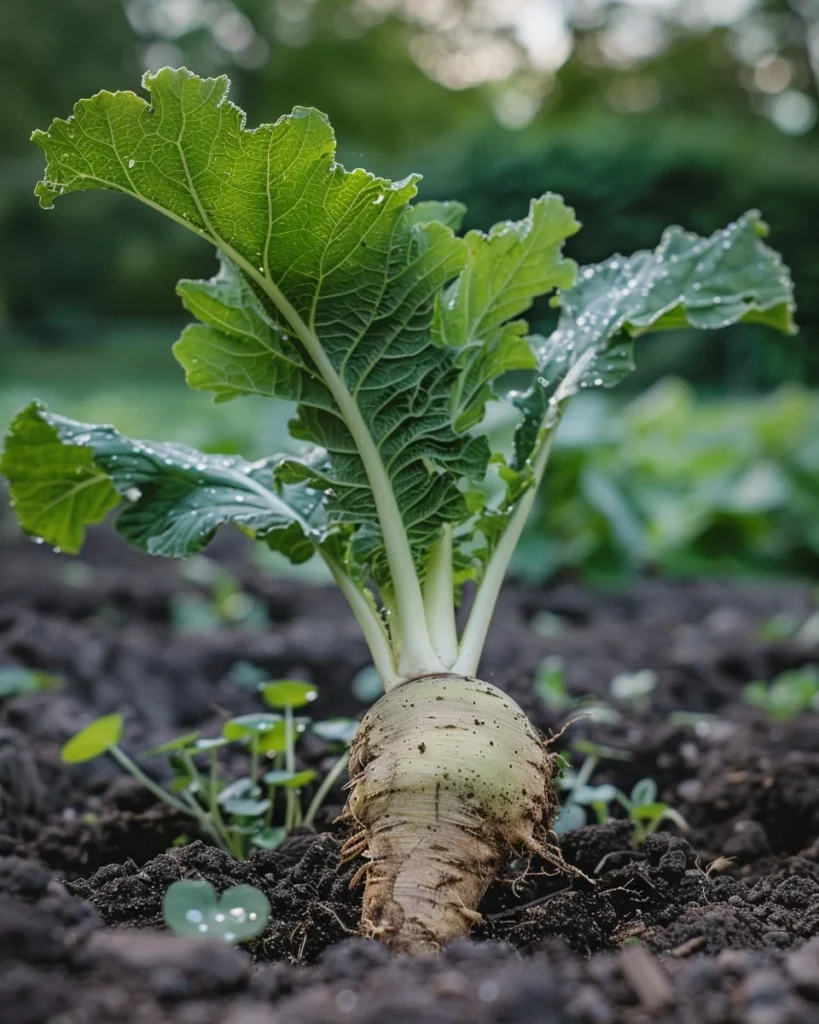
How to Grow Horseradish in Containers: Easy Steps for Spicy Homegrown Roots
Intro for growing horseradish in containers
Horseradish (Armoracia rusticana) is a vigorous perennial herb prized for its pungent roots that add a fiery kick to sauces and dishes. Growing horseradish in containers is an excellent solution for gardeners with limited space or those who want to control this naturally aggressive plant. Container cultivation prevents horseradish from spreading throughout your garden while still providing a bountiful harvest of spicy roots. With minimal care requirements and impressive cold hardiness, horseradish thrives in most temperate climates and can be successfully grown in pots on patios, balconies, or small garden spaces, making it accessible to both urban and rural gardeners.
When to plant horseradish in containers
Horseradish is best planted in early spring once soil temperatures reach 7-10°C (45-50°F), or in autumn in milder climates. In temperate regions, aim to plant 2-3 weeks before your last expected frost date, as horseradish is quite cold-tolerant and establishes better in cool conditions. For warmer regions (US Zones 8-10 or Mediterranean climates), fall planting is preferable to give roots time to establish before summer heat arrives. Horseradish can withstand frost once established and actually requires a cold period to develop its characteristic pungent flavor.
Best time to plant horseradish in containers
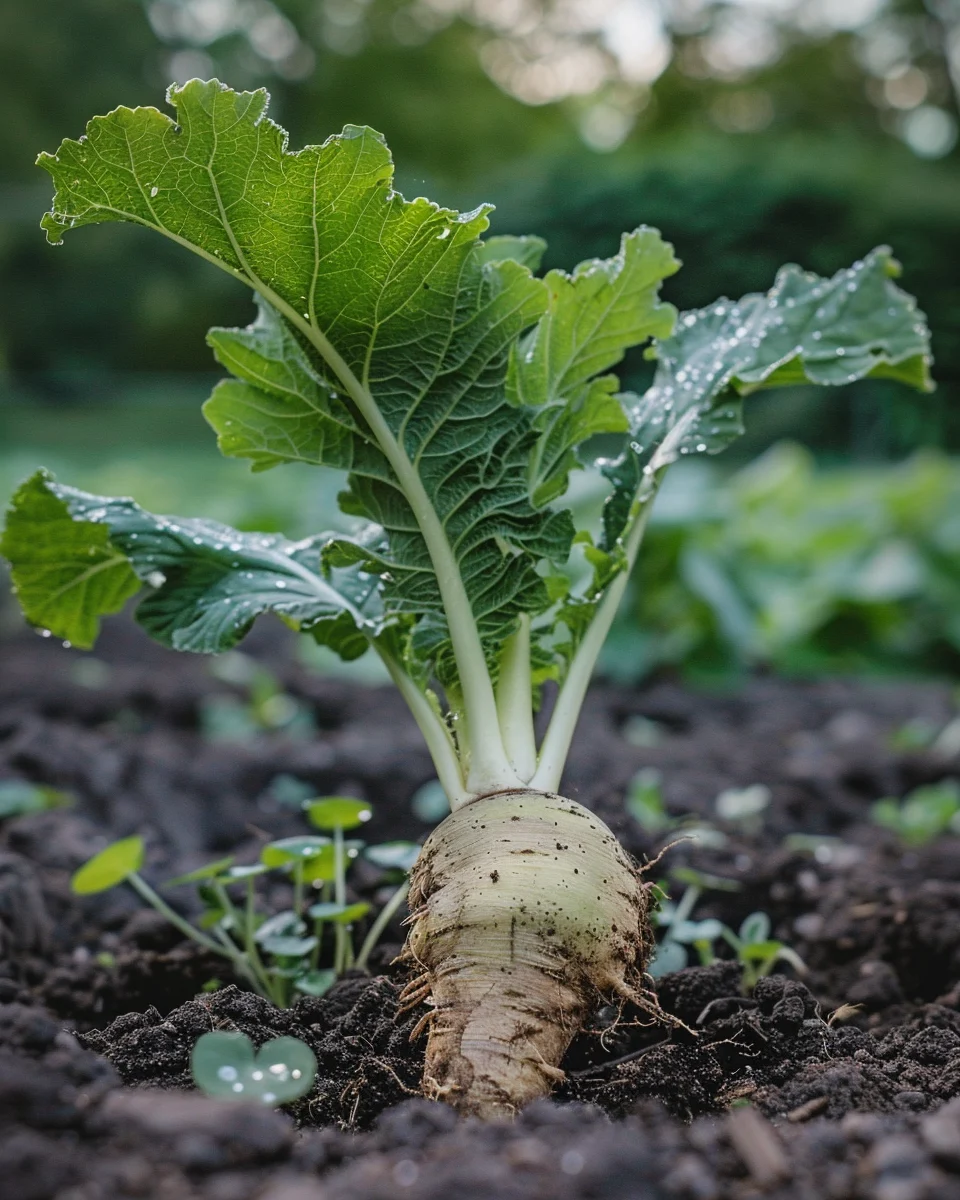
For cool temperate regions (UK, Northern US, Canada), plant horseradish roots or crowns from March to May when temperatures consistently stay above 5°C (41°F). In warmer climates (Southern US, Mediterranean), October to November planting allows for root development during mild winters. Container-grown horseradish can be started indoors 4-6 weeks before your region’s last frost date and moved outdoors once temperatures stabilize. Unlike many vegetables, horseradish is almost exclusively grown from root cuttings rather than seeds, making the planting window more flexible as long as extreme heat is avoided.
Best horseradish varieties to grow
- Common Horseradish – The standard variety with excellent flavor and vigor, perfect for container growing due to its adaptability.
- Bohemian – Features wide, crinkled leaves and thick roots with exceptional pungency, ideal for those seeking maximum heat.
- Big Top Western – Develops large, straight roots that are easier to clean and process, making harvest simpler in container settings.
- Variegata – Offers decorative cream-variegated foliage, making it both ornamental and edible for patio containers.
- Maliner Kren – An heirloom variety from Czechoslovakia with superior disease resistance and consistent flavor profile.
- Wasabi Horseradish – Not true wasabi but bred to have a flavor profile closer to Japanese wasabi with less sinus-clearing heat.
How to plant horseradish in containers
Materials needed:
- Container (minimum 40-50 cm/16-20 inches deep and wide)
- Quality potting mix with added compost
- Horseradish root cuttings (15-20 cm/6-8 inches long)
- Organic fertilizer (balanced NPK)
- Drainage material (broken pottery or gravel)
- Watering can
Step-by-step planting:
- Select a container at least 40-50 cm (16-20 inches) deep with multiple drainage holes.
- Place a 5 cm (2 inch) layer of drainage material at the bottom of the container.
- Fill the container with potting mix blended with 25% compost to about 10 cm (4 inches) from the top.
- Cut horseradish roots diagonally at the top end (to remember which end is up) and make a straight cut at the bottom.
- Plant root cuttings at a 45-degree angle with the diagonal cut 5-8 cm (2-3 inches) below the soil surface.
- Space multiple roots at least 30 cm (12 inches) apart if using a large container.
- Cover with soil and firm gently to remove air pockets.
- Water thoroughly until moisture drains from the bottom holes.
- Apply a thin layer of mulch to retain moisture and suppress weeds.
How to grow horseradish in containers
Horseradish in containers requires at least 6 hours of sunlight daily, though partial afternoon shade is beneficial in hot climates. Water consistently to maintain even soil moisture, allowing the top 2-3 cm (1 inch) to dry between waterings. Avoid waterlogging, which can cause root rot. Feed monthly with a balanced organic fertilizer during the growing season, switching to a low-nitrogen, high-potassium fertilizer in late summer to encourage root development. Container-grown horseradish benefits from a 5 cm (2 inch) layer of organic mulch to regulate soil temperature and retain moisture. No staking is required, but remove flower stalks as they appear to direct energy to root production. For container cultivation, choose pots at least 40-50 cm (16-20 inches) deep, as shallow containers will result in stunted, twisted roots with poor flavor development.
Caring for horseradish in containers
Maintain consistent care by checking soil moisture weekly and adjusting watering frequency based on weather conditions. Remove any yellowing lower leaves promptly to prevent disease spread. The main pests affecting container horseradish include aphids and flea beetles, which can be controlled with insecticidal soap or neem oil applications. Watch for leaf spots or powdery mildew, especially in humid conditions, and improve air circulation if these appear. Harvest horseradish roots after the first frost in fall when the leaves begin to die back, typically 8-10 months after planting. Dig carefully around the container edges to avoid damaging the roots. For storage, clean harvested roots (without washing), wrap in damp sand or sawdust, and store in a cool, dark place at 0-4°C (32-40°F) for up to 3 months, or process immediately by grating and preserving in vinegar.
Understanding bolting in horseradish
Bolting in horseradish occurs when the plant prematurely produces flowering stems, diverting energy from root development to seed production. This natural process is primarily triggered by temperature fluctuations, particularly hot periods following cold spells, or by drought stress and long daylight hours in summer. Unlike many vegetables, occasional bolting doesn’t significantly impact horseradish root quality, though extensive flowering may reduce root size and flavor intensity. To prevent bolting, maintain consistent soil moisture, provide afternoon shade during hot periods, and promptly remove any flower stalks as they emerge. If bolting occurs, cut flower stalks immediately at their base to redirect energy back to root development, and ensure adequate water and a layer of mulch to moderate soil temperature.
Why does horseradish turn bitter?
- Age of roots – Roots left in containers for multiple seasons without division become woody and bitter; harvest annually and replant fresh sections.
- Heat stress – Extended periods above 29°C (85°F) can cause bitterness; move containers to partial shade during hot weather.
- Inconsistent watering – Drought followed by excessive water causes stress that affects flavor; maintain even soil moisture.
- Poor soil conditions – Depleted container soil leads to nutrient deficiencies; refresh potting mix annually.
- Improper storage – Harvested roots stored improperly develop off-flavors; process promptly or store correctly in cool, humid conditions.
Companion planting for horseradish in containers
Horseradish makes an excellent companion for several container plants. Pair it with potatoes as horseradish repels potato beetles and improves potato health. Plant alongside tomatoes where horseradish’s natural fungicidal properties help prevent blight. Strawberries benefit from horseradish’s ability to deter pests while maximizing container space. Herbs like thyme and oregano work well as shallow-rooted companions that won’t compete with horseradish’s deep root system. Avoid planting horseradish with other root vegetables like carrots or beets, as they compete for the same soil space and nutrients. Also keep horseradish separate from mustard family plants (including broccoli and cabbage), which can increase the risk of shared diseases.
Seasonal calendar
- January-February: Plan container placement; order root cuttings.
- March-April: Plant root cuttings in containers; water thoroughly after planting.
- May-June: Apply first fertilizer when leaves reach 15 cm (6 inches); monitor moisture levels.
- July-August: Switch to low-nitrogen fertilizer; provide afternoon shade in hot regions.
- September: Reduce watering slightly to encourage root development.
- October-November: Harvest after first frost when foliage dies back; save root sections for replanting.
- December: In mild climates, containers can remain outdoors; in severe winter regions, move to a protected area.
Note: In warmer regions (Zones 8-10), shift this calendar earlier, planting in fall and harvesting in late spring.
Problems & solutions
| Problem | Quick Fix |
|---|---|
| Yellowing leaves | Check for overwatering; ensure container has proper drainage; reduce watering frequency. |
| Stunted growth | Container may be too small; transplant to larger pot or fertilize with balanced organic fertilizer. |
| Leaf holes from flea beetles | Apply diatomaceous earth to soil surface; spray leaves with neem oil solution weekly. |
| White powdery patches on leaves | Powdery mildew – improve air circulation; spray with diluted milk solution (1:10 milk to water). |
| Forked or twisted roots | Use deeper containers with loose soil; avoid hitting roots when weeding or cultivating. |
| Weak flavor in harvested roots | Harvest after first frost; ensure plants experience cold period; don’t harvest too young. |
Common questions about growing horseradish in containers
How often should I water container-grown horseradish?
Water when the top 2-3 cm (1 inch) of soil feels dry, typically once or twice weekly depending on weather conditions. Increase frequency during hot periods and reduce during cool or rainy spells.
What size container is best for growing horseradish?
Use containers at least 40-50 cm (16-20 inches) deep and wide to allow proper root development. Half whiskey barrels, large plastic tubs, or dedicated root vegetable containers work well.
Can I grow horseradish in partial shade?
Yes, horseradish tolerates partial shade, especially in hot climates where afternoon shade is beneficial. However, for optimal growth, provide at least 4-6 hours of direct sunlight daily.
How long does it take to grow horseradish in containers?
Container-grown horseradish typically requires 8-10 months from planting to harvest. Spring-planted horseradish is usually ready for harvest in late fall after the first frost.
Can I harvest horseradish without killing the plant?
Yes, harvest by carefully digging around the container edges and removing larger side roots while leaving the central crown and some smaller roots intact. This allows the plant to regrow for future harvests.
How do I prevent horseradish from becoming invasive in my garden?
Container growing is the best method to prevent horseradish from spreading. If planting in the ground, use deep barriers like metal or plastic edging that extends at least 45 cm (18 inches) into the soil around the planting area.
Should I remove horseradish flowers?
Yes, remove flower stalks as soon as they appear to direct the plant’s energy toward root development rather than seed production, resulting in larger, more flavorful roots.