
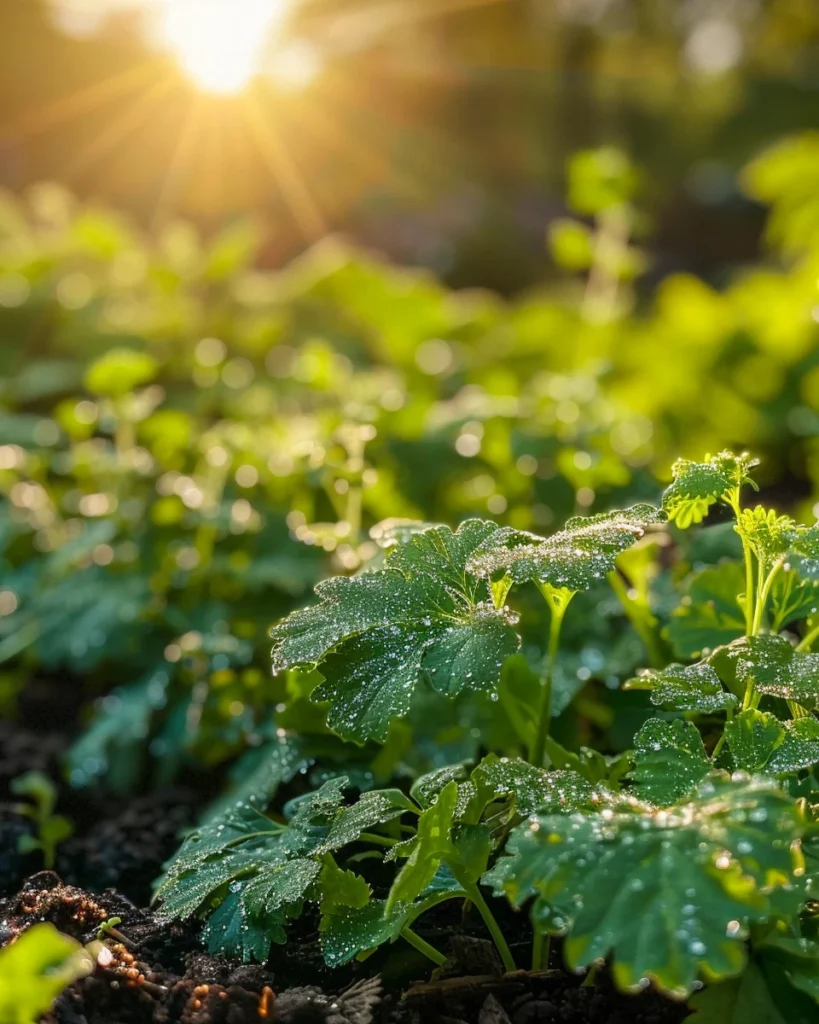
How to Grow Feverfew for the Border: Creating Beautiful, Medicinal Edges in Your Garden
Intro for how to grow feverfew for the border
Feverfew (Tanacetum parthenium) is a charming perennial herb that makes an excellent addition to garden borders. With its delicate white daisy-like flowers and aromatic, fern-like foliage, feverfew adds both visual interest and medicinal value to your garden. This versatile plant grows 45-60 cm (18-24 inches) tall, creating a lovely mid-height border element that blooms from early summer through autumn. Beyond its ornamental qualities, feverfew has been used for centuries to treat headaches and inflammation. It thrives in most temperate regions (USDA zones 5-9, UK hardy throughout) and adapts well to various garden conditions, making it perfect for both beginner and intermediate gardeners looking to enhance their borders with practical, pretty plants.
When to plant how to grow feverfew for the border
Feverfew is best planted in spring after the danger of frost has passed or in early autumn in milder climates. In temperate regions, wait until soil temperatures reach at least 10-13°C (50-55°F) for optimal germination. Feverfew can withstand light frosts once established but young plants should be protected when temperatures drop below 0°C (32°F). In Mediterranean or warmer climates, autumn planting allows plants to establish before summer heat arrives. For cooler northern regions, spring planting is preferable to give plants a full season to establish before winter.
Best time to plant how to grow feverfew for the border
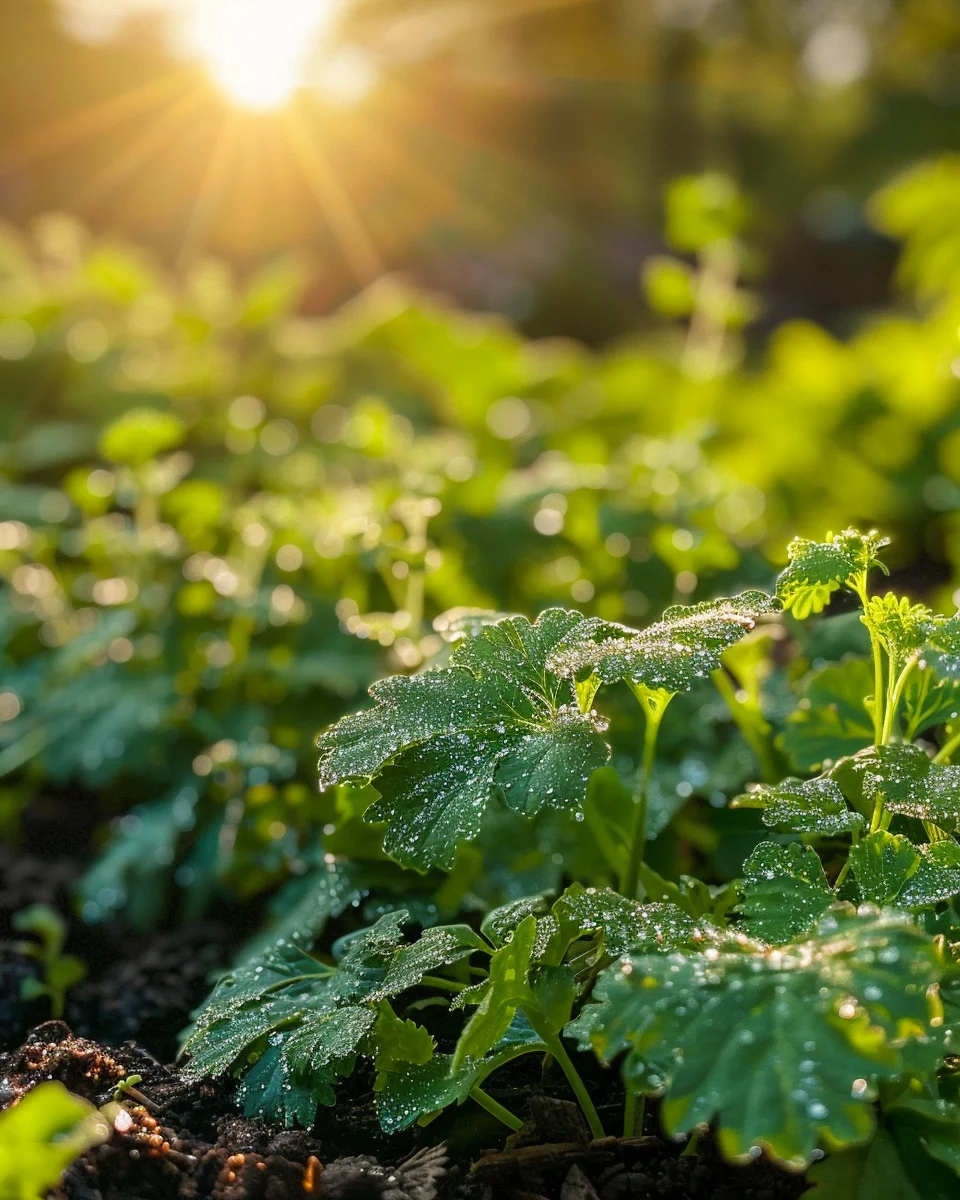
For cool temperate regions (UK, Northern US, Canada), plant feverfew outdoors from mid-April to early June. In warmer regions (US zones 7-9, Southern Europe), you can plant from March through May or again in September through October. Start seeds indoors 6-8 weeks before your last frost date for earlier blooms. For direct sowing, wait until 2-3 weeks after your last frost date. Transplant nursery-bought seedlings once soil has warmed and nights remain above 5°C (41°F). In Mediterranean climates, avoid summer planting as young feverfew plants can struggle in intense heat.
Best how to grow feverfew for the border varieties to grow
- White Stars – Compact variety (30-40 cm/12-16 inches) with bright white flowers, perfect for front of borders.
- Tetra White Wonder – Features double flowers with fuller appearance, making a striking border statement.
- Golden Feverfew – Offers chartreuse-yellow foliage for color contrast in borders even when not flowering.
- Virgo – Particularly uniform growth habit, ideal for formal border designs.
- Luna – Compact variety (25-30 cm/10-12 inches) excellent for container growing or front of borders.
- Green Gems – Features unique green-centered flowers and robust growth, good for mid-border positions.
- Flore Pleno – Double-flowered heirloom variety with excellent medicinal properties and border presence.
How to plant how to grow feverfew for the border
Materials needed:
- Feverfew seeds or seedlings
- Garden fork or tiller
- Compost or well-rotted manure
- Garden trowel
- Watering can with rose attachment
- Mulch (optional)
- Plant labels
Step-by-step planting:
- Choose a border location that receives full sun to partial shade, ideally with well-draining soil.
- Prepare the soil by removing weeds and incorporating 2-3 cm (1 inch) of compost or well-rotted manure.
- For seedlings, dig holes approximately 30-40 cm (12-16 inches) apart, slightly larger than the root ball.
- If direct sowing seeds, scatter thinly and cover with just 3 mm (1/8 inch) of fine soil as feverfew needs light to germinate.
- Place seedlings at the same depth they were growing in their containers, firming soil gently around roots.
- Water thoroughly using a gentle spray to avoid displacing seeds or disturbing young plants.
- For border design, consider planting feverfew in groups of 3-5 plants for visual impact.
- Apply a thin layer of mulch around plants (but not touching stems) to suppress weeds and retain moisture.
- Label your plantings to distinguish feverfew from similar-looking plants in the border.
How to grow how to grow feverfew for the border
Feverfew thrives in full sun to partial shade, with at least 4-6 hours of direct sunlight daily for best flowering. In hotter regions, afternoon shade is beneficial. Water newly planted feverfew regularly, keeping soil consistently moist but not waterlogged. Once established, water when the top 2.5 cm (1 inch) of soil feels dry, typically once or twice weekly depending on rainfall and temperature. Feverfew is not a heavy feeder—apply a balanced, slow-release organic fertilizer in spring and again mid-summer at half the recommended rate. Mulch around plants with 2.5 cm (1 inch) of compost or leaf mold to retain moisture and suppress weeds. Pinch back growing tips when plants reach 15 cm (6 inches) to encourage bushier growth for denser border displays. Deadhead regularly to prolong flowering and prevent excessive self-seeding. For container growing, use pots at least 30 cm (12 inches) deep with drainage holes, and water more frequently as containers dry out faster than garden soil.
Caring for how to grow feverfew for the border
Maintain feverfew borders by deadheading spent flowers regularly to encourage continuous blooming and prevent excessive self-seeding. Cut back plants by one-third in midsummer if they become leggy to promote fresh growth and autumn flowers. Watch for aphids, which can cluster on new growth; control with a strong water spray or insecticidal soap if infestations are severe. Powdery mildew may appear in humid conditions—improve air circulation by thinning plants and avoid overhead watering. Feverfew is generally resistant to most other pests and diseases. Harvest feverfew flowers and leaves in the morning after dew has dried but before the day heats up. For medicinal use, collect leaves and flowers just as blooms are opening. Store dried feverfew in airtight containers away from light for up to a year, or freeze fresh leaves in ice cube trays with water for later use.
Understanding bolting in how to grow feverfew for the border
Bolting in feverfew refers to the plant’s sudden vertical growth and premature flowering, often followed by reduced leaf production and bitter taste. This natural process is triggered primarily by long daylight hours and high temperatures, particularly when temperatures consistently exceed 26°C (80°F). Stress factors like drought, root disturbance, or sudden temperature fluctuations can also induce bolting. Prevent bolting by planting feverfew in partial shade in hot regions, maintaining consistent soil moisture, and applying mulch to keep root zones cool. If your feverfew does bolt, you have several options: harvest remaining usable leaves immediately, allow plants to flower for ornamental value and beneficial insects, or cut back the flowering stems to encourage new leaf growth if early enough in the season. In border plantings, bolting can actually be desirable as the tall flower stems add vertical interest.
Why does how to grow feverfew for the border turn bitter?
- Heat stress – Temperatures consistently above 30°C (86°F) increase bitter compounds; provide afternoon shade in hot climates.
- Age of plant – Older leaves and those on flowering stems become more bitter; harvest younger leaves for consumption.
- Drought conditions – Insufficient water increases concentration of bitter compounds; maintain consistent soil moisture.
- Bolting – Once plants begin flowering, leaves become increasingly bitter; harvest before flower stems form.
- Soil deficiencies – Poor soil with inadequate nutrients can affect flavor; amend with compost before planting.
Companion planting for how to grow feverfew for the border
Feverfew makes an excellent companion for many border plants. Plant alongside roses to help deter aphids and blackspot with its strong scent. Pair with tomatoes as feverfew can repel tomato hornworms and other pests. Grow near herbs like mint, lemon balm, and chamomile for a cohesive medicinal herb border section. Combine with marigolds for complementary pest control and similar cultural requirements. Plant with lavender for beautiful color contrast and similar drought tolerance once established. Avoid planting feverfew near wormwood as both plants contain compounds that may inhibit each other’s growth. Also keep distance from fast-spreading herbs like mint (unless contained) that might overwhelm feverfew in the border.
Seasonal calendar
- January-February: Plan border design; order seeds; clean up dead foliage from established plants in milder regions.
- March: Start seeds indoors in cooler regions; direct sow in warm regions; cut back old growth on established plants.
- April: Direct sow in most temperate regions; transplant indoor seedlings after last frost; divide established plants.
- May: Continue planting seedlings; thin direct-sown plants to proper spacing; begin regular watering routine.
- June: Apply light organic fertilizer; pinch back growing tips for bushier plants; begin harvesting leaves.
- July-August: Deadhead regularly; provide extra water during hot periods; cut back leggy growth by one-third.
- September: Harvest leaves and flowers for drying; plant new seedlings in warm regions; collect seeds.
- October: Final harvest before frost in cold regions; cut back plants in mild regions for possible autumn regrowth.
- November-December: Apply mulch around plants in cold regions for winter protection; clean up border areas.
Problems & solutions
| Problem | Quick Fix |
|---|---|
| Leggy, sparse growth | Pinch back growing tips; ensure adequate sunlight; cut back by one-third to rejuvenate |
| Yellowing leaves | Check for overwatering; improve drainage; apply diluted balanced fertilizer if nutrient deficient |
| Few or no flowers | Increase sunlight exposure; apply phosphorus-rich organic fertilizer; deadhead regularly |
| Powdery white spots on leaves | Treat powdery mildew with neem oil or milk spray (1:10 milk:water); improve air circulation |
| Excessive self-seeding | Deadhead flowers before seed formation; apply mulch to prevent germination; pull unwanted seedlings early |
| Aphid infestation | Spray with strong water jet; apply insecticidal soap; introduce ladybugs as natural predators |
| Winter dieback | Apply 5-8 cm (2-3 inches) of mulch around crown in autumn; plant in sheltered location in cold regions |
Common questions about growing how to grow feverfew for the border
How often should I water feverfew in my border?
Water established plants when the top 2.5 cm (1 inch) of soil feels dry, typically once or twice weekly depending on rainfall and temperature. Container plants may need watering every 1-3 days during hot weather.
How much sun does feverfew need for a good border display?
Feverfew performs best with 4-6 hours of direct sunlight daily. In hot southern regions, afternoon shade is beneficial and will extend the flowering period.
What size container works for growing feverfew?
Use containers at least 30 cm (12 inches) in diameter and depth with good drainage. One plant per container this size is ideal, or three plants in a 45-60 cm (18-24 inch) container.
How far apart should I space feverfew plants in my border?
Space plants 30-40 cm (12-16 inches) apart for a full border display. For a denser effect, plant 25 cm (10 inches) apart and thin if needed as plants mature.
Can feverfew survive winter in my border?
Feverfew is hardy in USDA zones 5-9 (UK hardy throughout). In colder regions, apply mulch around the crown in late autumn for protection. In zones 4 and below, treat as an annual or provide heavy winter protection.
How often should I harvest feverfew leaves without harming the plant?
Harvest up to one-third of the plant’s leaves at any one time, allowing at least three weeks between major harvests. Regular light harvesting of a few leaves encourages bushier growth.
Will feverfew spread and take over my border?
Feverfew self-seeds readily but isn’t invasive. Deadhead flowers before they set seed to control spreading, or allow strategic self-seeding for a naturalized border effect that you can thin as needed.