
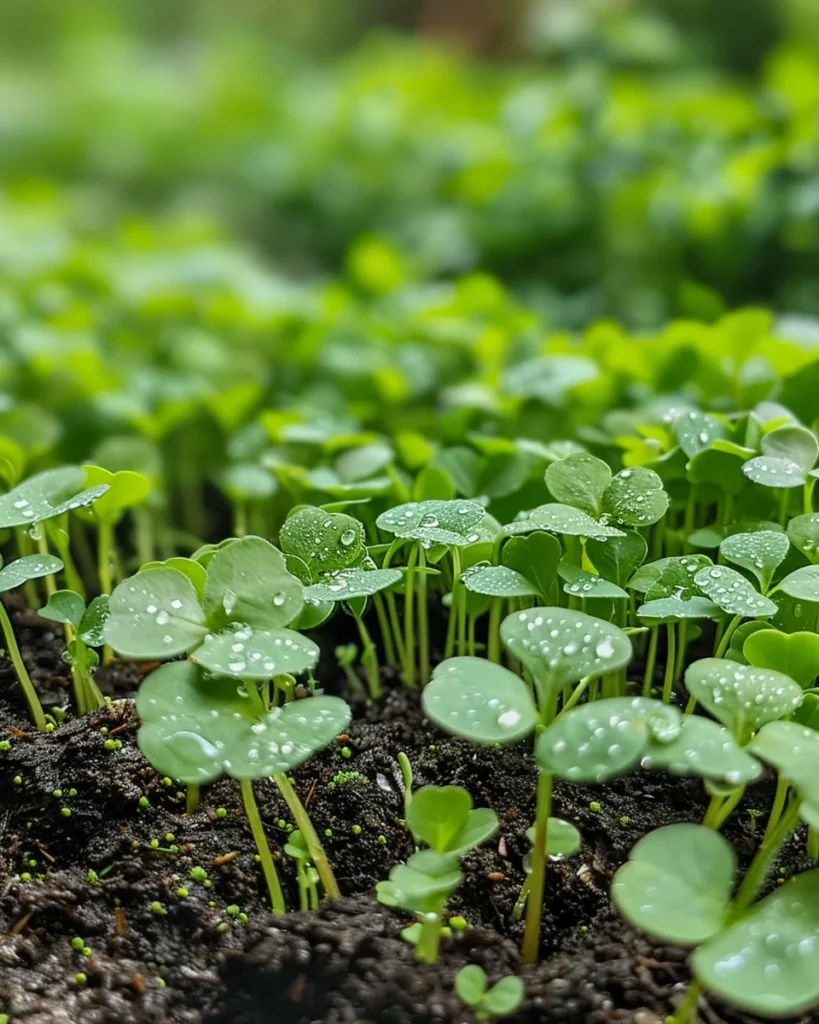
How to Grow Fenugreek as Microgreens: A Quick Guide to Nutritious Homegrown Sprouts
Intro for how to grow fenugreek as microgreens
Fenugreek microgreens are nutrient-packed young seedlings harvested just days after germination. These aromatic greens offer a mild maple-like flavor with subtle bitterness that adds complexity to salads, sandwiches, and garnishes. Rich in vitamins A, C, and K, along with minerals like iron and calcium, fenugreek microgreens deliver impressive nutritional benefits in a small package. They’re incredibly easy to grow indoors year-round with minimal space and equipment, making them perfect for urban gardeners, beginners, or anyone looking to add fresh greens to their diet during winter months. Unlike mature fenugreek, which requires months to harvest, microgreens are ready in just 7-14 days.
When to plant how to grow fenugreek as microgreens
The beauty of growing fenugreek as microgreens is that traditional growing seasons don’t apply. Since they’re typically grown indoors, you can start them any time of year. If growing outdoors, wait until soil temperatures reach at least 10-15°C (50-59°F) in spring, or grow them year-round in mild temperate regions. Fenugreek microgreens are frost-sensitive, so in colder climates, keep them indoors during winter months. For continuous harvests, start new trays every 1-2 weeks regardless of season.
Best time to plant how to grow fenugreek as microgreens

For indoor growing, which is the most common method for microgreens, any month works perfectly as you’re creating a controlled environment. If growing outdoors in containers, plant from mid-spring through early fall (April-September in the Northern Hemisphere) when temperatures consistently stay above 10°C (50°F). In warmer regions (US Zones 9-11, Mediterranean climates), you can grow fenugreek microgreens outdoors nearly year-round. For cooler regions (US Zones 3-6, UK), stick to indoor growing during winter months or use a greenhouse or cold frame to extend the season.
Best how to grow fenugreek as microgreens varieties to grow
- Common Fenugreek (Trigonella foenum-graecum) – The standard variety with excellent germination rates and consistent flavor profile.
- Organic Fenugreek – Certified organic seeds ensure no chemical treatments, ideal for health-conscious growers.
- Methi (Indian Fenugreek) – Slightly more aromatic with stronger maple notes, popular in Indian cuisine.
- Golden Fenugreek – Features attractive yellow-green stems and leaves for visual appeal in culinary presentations.
- Shamali – Fast-growing variety with particularly high germination rates, perfect for beginners.
- Blue Fenugreek (Trigonella caerulea) – Milder flavor than common fenugreek with attractive blue-green coloration.
How to plant how to grow fenugreek as microgreens
Materials needed:
- Fenugreek seeds (2-3 tablespoons per 10×10-inch tray)
- Shallow growing trays with drainage holes
- Collection tray (no holes) to catch water
- Organic microgreen soil mix or coconut coir
- Spray bottle
- Clean water
- Optional: grow lights, humidity dome
Step-by-step planting:
- Fill your growing tray with 1-2 inches (2.5-5 cm) of pre-moistened soil or growing medium, patting it down gently but not compacting it.
- Measure your seeds – approximately 2-3 tablespoons per 10×10-inch tray (density is important for microgreens).
- Soak the fenugreek seeds for 4-8 hours before planting to speed germination (optional but recommended).
- Spread the seeds evenly across the soil surface, creating a dense but single layer.
- Mist the seeds thoroughly with water using a spray bottle.
- Cover the seeds with a very thin layer of soil (about 1/8 inch or 3mm) or simply press them gently into the existing soil.
- Cover the tray with another tray or a humidity dome to create darkness and retain moisture.
- Place in a warm location (21-24°C/70-75°F) during the germination phase.
- Check daily and mist with water when the top layer feels dry.
How to grow how to grow fenugreek as microgreens
Once germinated (usually within 2-3 days), remove the cover and place your fenugreek microgreens in a location that receives moderate indirect sunlight. A sunny windowsill works well, though a grow light positioned 10-12 inches (25-30 cm) above the tray ensures even more consistent results. Fenugreek microgreens need about 4-6 hours of light daily.
Water from the bottom by pouring water into the collection tray and allowing the growing medium to absorb moisture for 10-15 minutes, then drain excess water. This prevents disturbing delicate seedlings and reduces mold risk. Alternatively, continue misting from the top, being gentle to avoid damaging the young plants.
No fertilizer is necessary for microgreens as they’re harvested before they deplete the nutrients in the growing medium. If growing in containers outdoors, choose a location that receives morning sun but is protected from harsh afternoon heat.
For indoor growing, ensure good air circulation to prevent mold but avoid placing trays in drafty areas that might dry them out too quickly. Maintain consistent moisture – the growing medium should feel like a wrung-out sponge, never soggy or completely dry.
Caring for how to grow fenugreek as microgreens
Daily care is minimal but important. Check moisture levels each morning and water as needed. Ensure adequate light and air circulation. Unlike mature plants, microgreens don’t require pruning or thinning.
Common pests include fungus gnats and aphids, though these are rare with indoor growing. If you notice small flying insects, allow the top layer of soil to dry slightly between waterings. White fuzzy growth indicates mold, which can be prevented by improving air circulation and reducing watering frequency.
Harvest fenugreek microgreens when they reach 2-3 inches (5-7.5 cm) tall, typically 7-14 days after planting. Use clean scissors to cut just above the soil line. For optimal flavor and nutrition, harvest in the morning before exposure to direct sunlight.
Store harvested microgreens unwashed in a container lined with paper towels in the refrigerator for up to 7 days. Wash just before using to maximize shelf life.
Understanding bolting in how to grow fenugreek as microgreens
Bolting refers to a plant’s premature flowering and seed production, but this isn’t typically a concern with microgreens since they’re harvested well before this stage. However, if left to grow beyond the microgreen stage, fenugreek will eventually bolt when exposed to high temperatures (above 26°C/80°F) or long daylight hours.
If you’re growing fenugreek beyond the microgreen stage, prevent bolting by maintaining moderate temperatures, providing partial shade during hot afternoons, and ensuring consistent watering. Should bolting begin, harvest immediately as the leaves will become increasingly bitter once the plant starts producing a flower stalk.
For microgreens specifically, the equivalent concern is growing them too long, which results in stringier texture and potentially stronger flavor. Harvest at the recommended height to avoid these issues.
Why does how to grow fenugreek as microgreens turn bitter?
- Harvested too late: Microgreens become more bitter as they mature – harvest when they reach 2-3 inches tall.
- Heat stress: Temperatures above 26°C (80°F) can increase bitterness – maintain moderate growing temperatures.
- Water stress: Inconsistent watering or allowing the medium to dry out completely can trigger bitter compounds – keep moisture levels consistent.
- Light intensity: Excessive direct sunlight can increase bitter compounds – provide bright indirect light instead.
- Variety differences: Some fenugreek varieties naturally have a more pronounced bitter note – try different varieties if bitterness is a concern.
Companion planting for how to grow fenugreek as microgreens
While companion planting is less relevant for indoor microgreen production, it becomes important if growing in garden beds or larger containers:
Good companions:
- Radish microgreens – Grow at a similar rate and the spicy flavor complements fenugreek’s maple notes.
- Mustard microgreens – Another complementary flavor profile that grows well under similar conditions.
- Sunflower microgreens – The mild nutty flavor balances fenugreek’s slight bitterness.
- Pea shoots – Sweet flavor contrasts nicely with fenugreek and they have similar growing requirements.
Avoid planting near:
- Slower-growing microgreens like beet or chard, as the faster-growing fenugreek will be ready to harvest much sooner.
- Microgreens requiring different watering regimes like amaranth, which prefers drier conditions than fenugreek.
Seasonal calendar
- January-December (Indoor growing): Sow, grow, and harvest year-round with consistent indoor conditions.
- March-April (Cool regions): Begin outdoor container growing when temperatures consistently exceed 10°C (50°F).
- May-September (Cool regions): Prime outdoor growing season for successive plantings every 1-2 weeks.
- October (Cool regions): Last outdoor sowings before moving indoors for winter.
- Year-round (Warm regions): Continuous outdoor growing possible with some shade during hottest months.
Problems & solutions
| Problem | Quick Fix |
|---|---|
| Seeds not germinating | Ensure seeds are fresh; try soaking for 4-8 hours before planting; check temperature is 21-24°C (70-75°F). |
| Leggy, pale seedlings | Increase light exposure; move grow lights closer (but not closer than 10 inches/25 cm). |
| Mold or fungus | Improve air circulation; reduce watering frequency; ensure growing medium surface dries slightly between waterings. |
| Yellowing leaves | Usually indicates overwatering; allow medium to dry slightly before next watering. |
| Slow growth | Check temperature (should be 18-24°C/65-75°F); ensure adequate light; confirm seeds aren’t old or improperly stored. |
| Bitter taste | Harvest earlier; ensure consistent watering; reduce heat stress by moving to cooler location. |
Common questions about growing how to grow fenugreek as microgreens
How often should I water fenugreek microgreens?
Water when the top of the growing medium begins to feel dry, typically once daily. Bottom watering is preferable to avoid disturbing delicate seedlings and reduce mold risk.
How much light do fenugreek microgreens need?
They require 4-6 hours of indirect sunlight or 12-14 hours under grow lights positioned 10-12 inches (25-30 cm) above the tray.
What size container works best for growing fenugreek microgreens?
Standard 10×20-inch microgreen trays are ideal, but any shallow container at least 2 inches (5 cm) deep with drainage holes will work. Even repurposed plastic containers or pie plates with holes added can be effective.
How densely should I sow fenugreek seeds?
Aim for seeds to be close but not overlapping – approximately 2-3 tablespoons per 10×10-inch tray area. Unlike garden planting, microgreens benefit from dense sowing.
Are fenugreek microgreens heat-tolerant?
They prefer moderate temperatures between 18-24°C (65-75°F). Above 26°C (80°F), they may grow faster but can become bitter and are more susceptible to mold issues.
Can I harvest fenugreek microgreens more than once?
Unlike some microgreens, fenugreek doesn’t regrow well after cutting. It’s best to replant for successive harvests rather than attempting to regrow from cut stems.
How do I know when fenugreek microgreens are ready to harvest?
Harvest when they reach 2-3 inches (5-7.5 cm) tall and have developed their first true leaves, typically 7-14 days after planting. The cotyledons (seed leaves) should be fully expanded and bright green.