
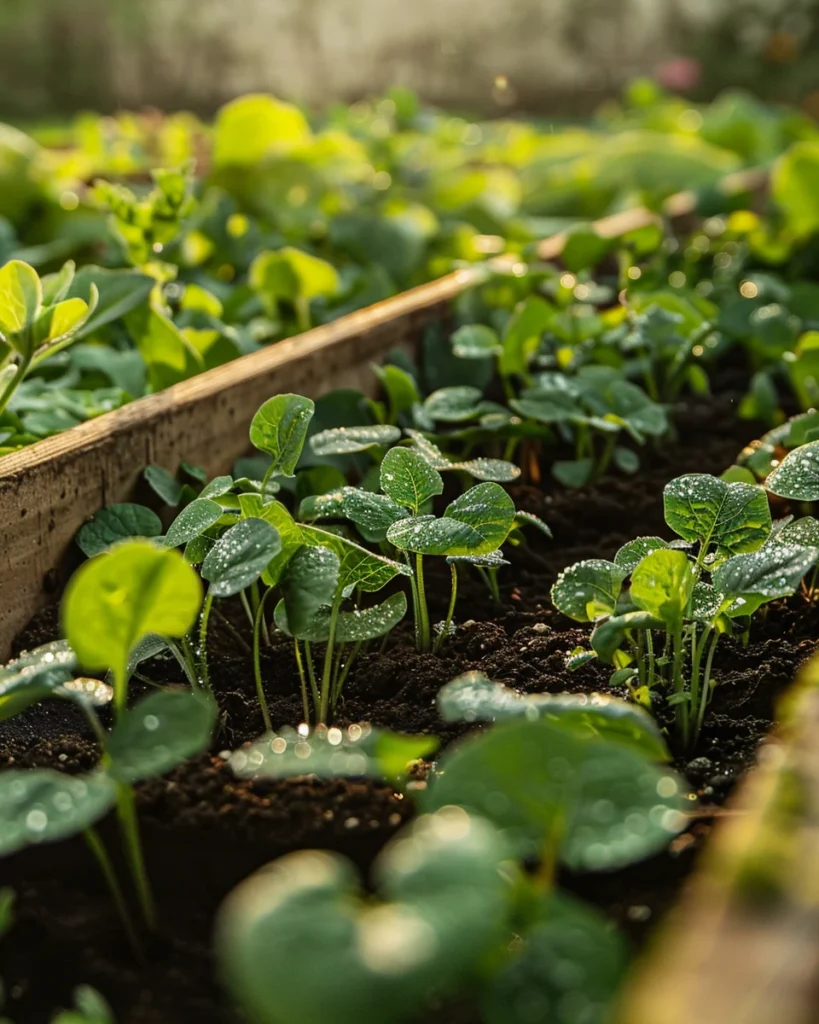
How to Grow Crops in a Cold Frame: Extend Your Growing Season Year-Round
Intro for how to grow crops in a cold frame
A cold frame is a simple, unheated structure with transparent walls and a transparent roof that creates a microclimate for growing plants. Think of it as a mini greenhouse that uses solar energy to warm the soil and protect plants from harsh weather. Cold frames allow gardeners to extend the growing season by weeks or even months, enabling year-round harvests in many climates. They’re perfect for starting seedlings early, growing cool-season crops during winter, hardening off plants, and protecting tender perennials. With minimal investment and space requirements, cold frames are an accessible way for any gardener to dramatically increase their growing potential and enjoy fresh homegrown produce throughout the year.
When to plant how to grow crops in a cold frame
The beauty of cold frames is that they extend traditional planting windows significantly. In temperate regions, you can start cool-season crops 4-6 weeks earlier than outdoor planting in late winter/early spring when soil temperatures inside the frame reach 7-10°C (45-50°F). Fall planting can continue well into November in many areas, with harvests extending through winter. In colder regions (US Zones 3-5), cold frames allow planting from late February, while milder areas (Zones 7-9) can maintain continuous production nearly year-round. Most cold frame crops can tolerate light frost inside the frame, but protection is needed when temperatures drop below -5°C (23°F), typically with additional insulation like row covers or straw.
Best time to plant how to grow crops in a cold frame
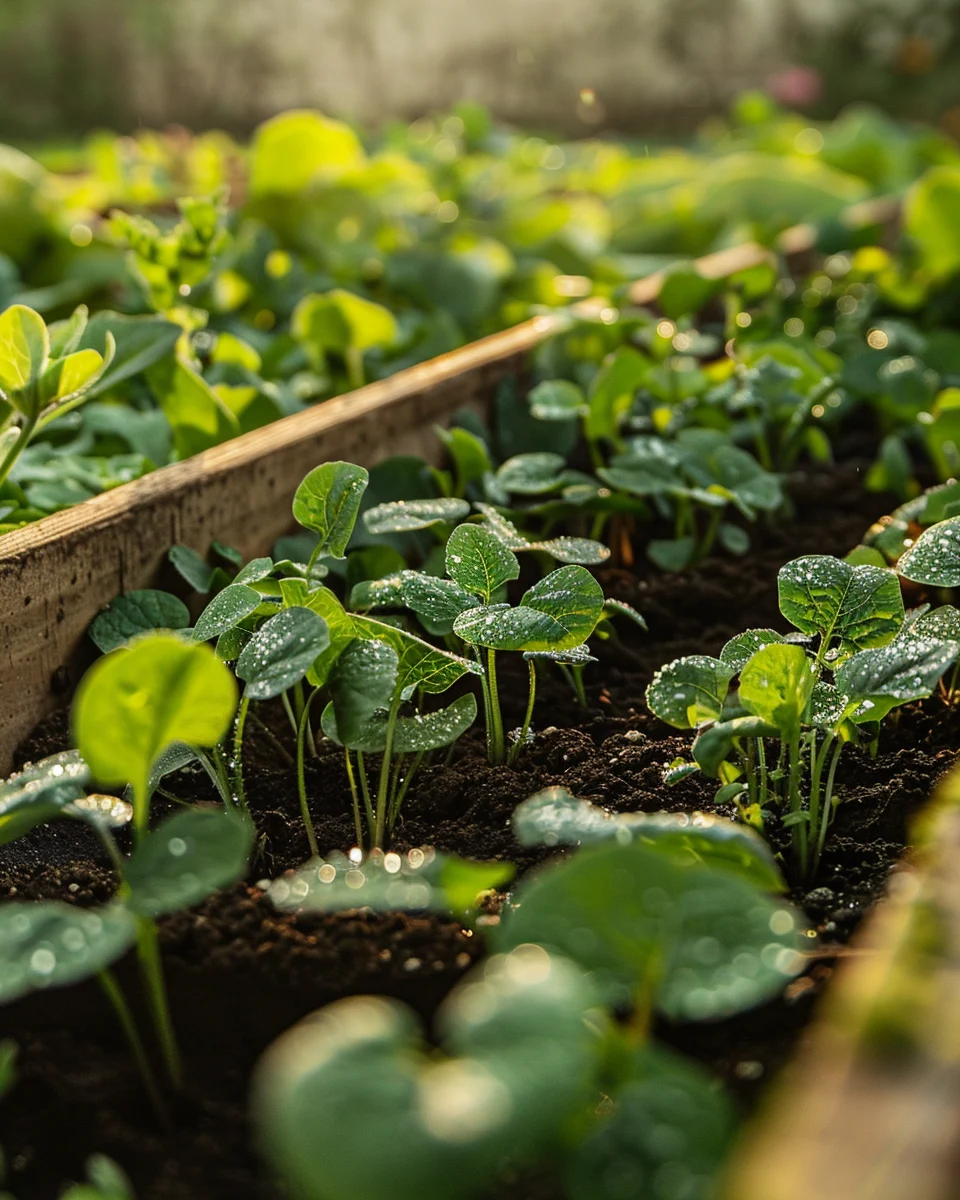
For spring crops, start planting in your cold frame from late January to March in cool climates, or December to February in warmer regions. Direct sow hardy greens like spinach, lettuce, and kale when soil in the frame reaches 5°C (40°F). For summer harvests, start heat-loving seedlings like tomatoes and peppers in the cold frame 6-8 weeks before your last frost date. In autumn, plant cold-hardy crops from August to October depending on your climate, allowing enough time for establishment before the coldest weather. Winter harvests work best with crops planted by late September in northern regions and by late October in milder areas. For continuous harvests, stagger plantings every 2-3 weeks throughout suitable seasons.
Best how to grow crops in a cold frame varieties to grow
- Winter Density Lettuce – Exceptionally cold-hardy romaine-type that thrives in low light conditions of winter.
- Tatsoi – Asian green with excellent cold tolerance down to -10°C (14°F) and compact growth perfect for cold frame spacing.
- Tyee Spinach – Slow-bolting variety that produces abundantly in cool conditions with excellent disease resistance.
- Winterbor Kale – Extremely frost-hardy with improved sweetness after cold exposure and continuous harvests all winter.
- Hakurei Turnips – Quick-maturing (38 days) with sweet, tender roots and edible greens that thrive in cold frame conditions.
- Corvair Spinach – Specially bred for winter production with dark green leaves and resistance to downy mildew.
- Mizuna – Feathery Japanese mustard green that grows quickly even in cooler temperatures with multiple harvests.
- Claytonia/Miner’s Lettuce – Exceptional cold hardiness with unique round leaves that maintain sweetness throughout winter.
How to plant how to grow crops in a cold frame
Materials needed:
- Cold frame structure (wood frame with glass/polycarbonate lid)
- Quality potting soil or garden soil amended with compost
- Seeds or seedlings appropriate for season
- Watering can with gentle spray
- Thermometer for monitoring temperature
- Row covers for extra protection (optional)
- Hand trowel and garden fork
- Plant labels
Step-by-step planting:
- Position your cold frame in a south-facing location that receives at least 6 hours of sunlight daily, ideally against a north wall for additional heat retention.
- Prepare the soil inside by loosening to a depth of 20-30 cm (8-12 inches) and incorporating 5-7 cm (2-3 inches) of compost.
- Level the soil surface and create shallow furrows for seed planting or holes for transplants.
- For direct seeding, follow packet instructions for depth, typically 3-6 mm (⅛-¼ inch) for small seeds and 12 mm (½ inch) for larger seeds.
- Space plants more densely than outdoor gardens—about 10-15 cm (4-6 inches) for leafy greens and 20-25 cm (8-10 inches) for larger vegetables.
- Water thoroughly but gently after planting to avoid displacing seeds.
- Close the cold frame lid completely until germination occurs.
- Once seedlings emerge, begin ventilation management by propping the lid open on warm days to prevent overheating.
- Label all plantings with variety names and planting dates for tracking growth and succession planting.
- For transplants, harden them off gradually before moving to the cold frame by exposing them to outdoor conditions for increasing periods over a week.
How to grow how to grow crops in a cold frame
Sunlight management is crucial for cold frame success. In winter, maximize sun exposure by keeping the glass clean and removing snow promptly. During warmer months, prevent overheating by venting the frame when internal temperatures exceed 24°C (75°F)—use automatic vent openers if you’re away during the day. Water carefully, keeping soil consistently moist but not waterlogged. Winter crops need less frequent watering, typically once every 7-10 days, while spring/fall crops may need water every 3-5 days. Apply liquid organic fertilizer at half-strength monthly during active growth periods. For winter crops, apply a balanced organic fertilizer when planting in fall.
Mulch between plants with a thin layer of compost to retain moisture and suppress weeds. Thin seedlings promptly to prevent competition and ensure good air circulation. For container growing within cold frames, use pots at least 15 cm (6 inches) deep with drainage holes, and elevate them slightly to prevent waterlogging. In severe cold, add insulation by placing bubble wrap against the inside walls or covering plants with row covers at night, removing during the day to maximize light.
Caring for how to grow crops in a cold frame
Daily maintenance includes checking ventilation—prop the lid open on sunny days, even in winter, to prevent humidity buildup and close before evening to trap heat. Monitor temperatures with a min/max thermometer, aiming to keep nighttime minimums above 0°C (32°F) for most crops. Common pests include slugs and aphids; control slugs by setting beer traps or applying diatomaceous earth around plants, and manage aphids with insecticidal soap sprays or by introducing beneficial insects like ladybugs.
Powdery mildew can develop in humid conditions—improve air circulation and avoid wetting leaves when watering. Botrytis (gray mold) may appear in winter; remove affected plant parts immediately and reduce humidity. Harvest leafy greens by taking outer leaves first to allow continued growth. Root crops should be harvested when they reach desired size. For storage, most cold frame harvests are best used fresh, but root vegetables can be stored in cool, humid conditions, and greens will keep for 7-10 days in the refrigerator when wrapped in damp paper towels.
Understanding bolting in how to grow crops in a cold frame
Bolting is when plants prematurely produce flowering stems and set seed, making leaves bitter and stems tough. In cold frames, bolting typically occurs during transition seasons when temperatures fluctuate dramatically. The main triggers include sudden temperature increases above 21°C (70°F), increasing day length in spring, and stress from drought or root disturbance. To prevent bolting, select bolt-resistant varieties, maintain consistent moisture, provide shade during hot periods by whitewashing the glass or using shade cloth, and ensure proper ventilation to prevent heat buildup.
If plants begin to bolt, harvest them immediately for usable parts. For leafy greens showing early bolting signs (elongated central stem), cut the plant back severely, leaving just a few leaves, which may encourage new growth. With root vegetables like radishes or turnips that have begun bolting, harvest promptly as they quickly become woody and inedible once the flowering process begins. Consider bolting plants as indicators that conditions in your cold frame need adjustment—typically more ventilation or shade.
Why does how to grow crops in a cold frame turn bitter?
- Heat stress – Temperatures above 24°C (75°F) trigger bitterness in many greens; improve ventilation and add shade during warm periods.
- Water stress – Inconsistent watering causes plants to produce defensive compounds; maintain even soil moisture with regular checking.
- Age – Older leaves naturally develop more bitter compounds; harvest plants young and remove older outer leaves regularly.
- Light intensity – Excessive direct sunlight can increase bitterness; provide light shade during intense midday sun in late spring/summer.
- Variety selection – Some varieties naturally contain more bitter compounds; choose varieties bred for sweetness and heat tolerance.
Companion planting for how to grow crops in a cold frame
Good companions:
- Radishes and lettuce – Radishes mature quickly and mark rows where slower-germinating lettuce is planted, maximizing space efficiency.
- Spinach and onions/scallions – Onion family plants deter pests that commonly affect spinach while utilizing different soil depths.
- Carrots and leaf lettuce – Lettuce provides shade for carrot seedlings while carrots break up soil for lettuce roots.
- Kale and herbs like thyme or sage – Aromatic herbs repel cabbage moths and other brassica pests.
- Chard and radishes – Radishes help loosen soil for chard’s deeper roots and are harvested before chard reaches full size.
Avoid planting near:
- Dill near lettuce or spinach – Dill can inhibit growth of leafy greens and may cause them to bolt prematurely.
- Brassicas (kale, cabbage) near strawberries – They compete for similar nutrients and can inhibit each other’s growth.
- Tall plants that shade smaller ones – In the limited space of a cold frame, ensure taller plants are positioned to the north side.
Seasonal calendar
January-February: Sow early spinach, lettuce, radishes, and Asian greens; harvest overwintered crops; clean glass to maximize light.
March-April: Direct sow carrots, beets, and peas; start tomato and pepper seedlings; begin hardening off seedlings for outdoor planting; increase ventilation.
May-June: Transition cold frame to summer crops or seedling production; use shade cloth to prevent overheating; move heat-loving seedlings outdoors.
July-August: Start fall crops of lettuce, spinach, and Asian greens; clean and prepare frame for fall planting; repair any damaged parts.
September-October: Plant winter crops including kale, spinach, mâche, and claytonia; add compost to refresh soil; check frame for drafts.
November-December: Harvest cold-hardy crops; add insulation for winter protection; monitor ventilation on sunny days; clear snow from glass.
Note: In warmer regions (Zones 8-10), extend fall planting through November and begin spring planting in late December. In colder regions (Zones 3-5), delay spring planting until late February and complete fall planting by early October.
Problems & solutions
| Problem | Quick Fix |
|---|---|
| Overheating | Install automatic vent openers or prop lid open during day; apply whitewash to glass in summer. |
| Condensation/dampness | Improve ventilation; water in morning only; remove diseased plant material promptly. |
| Frozen soil | Add thermal mass (water jugs painted black); line walls with bubble wrap; use row covers inside frame. |
| Leggy seedlings | Clean glass to improve light transmission; rotate trays regularly; reduce temperatures slightly. |
| Pest infestation | Introduce beneficial insects; apply organic insecticidal soap; remove affected plants quickly. |
| Poor germination | Check soil temperature with thermometer; ensure consistent moisture; use fresh seeds. |
| Snow accumulation | Brush off promptly to maintain light levels; reinforce frame if heavy snow is common in your area. |
Common questions about growing how to grow crops in a cold frame
Q: How often should I water plants in a cold frame?
A: Check soil moisture every 2-3 days by inserting your finger 2.5 cm (1 inch) into the soil. In winter, water approximately once weekly when soil feels dry. In spring/fall, water every 3-5 days. Always water in the morning to allow foliage to dry before nightfall.
Q: How much sunlight do cold frames need?
A: Position your cold frame to receive at least 6 hours of direct sunlight daily, preferably with southern exposure. In summer, partial shade during the hottest part of the day prevents overheating. Clean the glass or plastic covering regularly to maximize light transmission.
Q: What’s the minimum size cold frame for effective growing?
A: A functional cold frame should be at least 60 cm × 90 cm (2 ft × 3 ft) and 30-45 cm (12-18 inches) tall at the back, sloping to 20-30 cm (8-12 inches) at the front. This size accommodates approximately 12-16 leafy greens or 8-10 root vegetables.
Q: How close can I space plants in a cold frame?
A: Plants can be spaced more densely than in open gardens: 10 cm (4 inches) for leaf lettuce and spinach, 5 cm (2 inches) for radishes, 15 cm (6 inches) for chard and kale, and 7.5 cm (3 inches) for carrots and beets.
Q: What temperature extremes can cold frame crops tolerate?
A: Most cold frame crops can handle internal temperatures as low as -4°C (25°F) without additional protection. Maximum temperatures should not exceed 29°C (85°F)—ventilate when temperatures approach 24°C (75°F). Add insulation when outside temperatures drop below -7°C (20°F).
Q: How frequently can I harvest from cold frame crops?
A: Leafy greens can be harvested using the “cut and come again” method every 2-3 weeks in winter and weekly in spring/fall. Root crops are harvested once when mature. Winter harvests slow significantly during December-January but accelerate rapidly by February as daylight increases.
Q: Can I grow crops in a cold frame year-round?
A: Yes, with proper crop selection and timing. Focus on cool-season crops during winter/early spring, transition to seedling production in late spring, use for heat-loving seedlings or shade-tolerant crops in summer, then return to cool-season crops for fall/winter. Continuous production requires succession planting and seasonal crop rotation.