
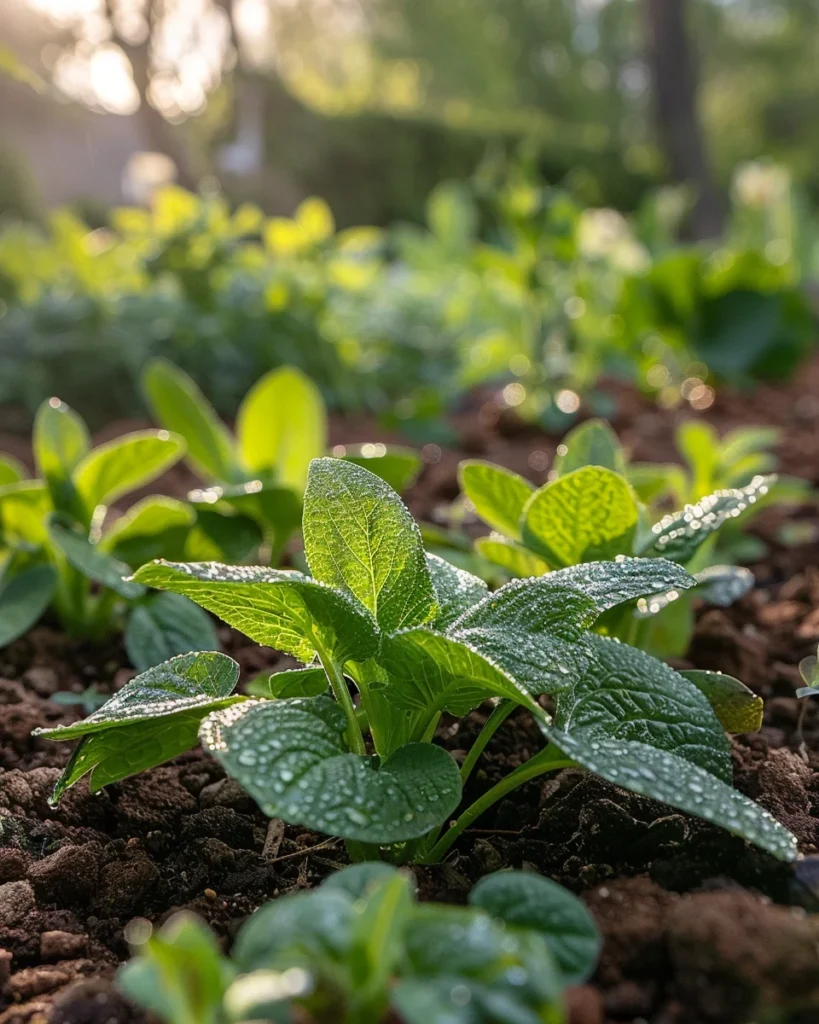
How to Grow Comfrey for Compost: When to Plant, Best Varieties & Care Guide
Intro for how to grow comfrey for compost
Comfrey (Symphytum officinale) is a powerhouse perennial herb that serves as one of the best natural fertilizers you can grow in your garden. With deep taproots that mine nutrients from far below the soil surface, comfrey accumulates potassium, phosphorus, calcium, and nitrogen in its large, hairy leaves. These nutrient-dense leaves break down quickly when composted, creating a rich “green manure” that boosts plant growth. Comfrey thrives in most temperate regions (USDA zones 4-9), preferring partial shade to full sun and moist, well-draining soil. Once established, this low-maintenance plant can produce multiple harvests annually for up to 20 years, making it an invaluable addition to any sustainable garden system.
When to plant how to grow comfrey for compost
Comfrey is best planted in early spring once soil temperatures reach 10-15°C (50-60°F). In temperate regions, this typically falls between March and May. You can also plant in early autumn (September to October) in milder climates where winter temperatures rarely drop below -10°C (14°F). Comfrey is frost-hardy once established, but young plants benefit from protection during their first winter. In Mediterranean or warm southern regions, plant in autumn to give roots time to establish before summer heat arrives.
Best time to plant how to grow comfrey for compost

For cool temperate regions (UK, northern US, Canada), plant comfrey root cuttings or crown divisions from mid-March to late April when the soil has warmed but spring moisture is still plentiful. For warmer regions (US zones 7-9), February to March is ideal for spring planting, or September to October for fall planting. If starting from seed (which can be challenging), sow indoors 6-8 weeks before your last frost date, then transplant seedlings when they have several true leaves. Direct seeding is possible but takes longer to establish and produces less uniform plants.
Best how to grow comfrey for compost varieties to grow
- Bocking 14 – The gold standard for compost production; sterile so won’t self-seed invasively, with exceptionally high potassium content.
- Russian Comfrey (Symphytum x uplandicum) – Produces more biomass than common comfrey, with broader leaves and higher nutrient content.
- Bocking 4 – Another sterile cultivar with high productivity and excellent drought tolerance once established.
- Common Comfrey (Symphytum officinale) – The original species with smaller leaves but extremely hardy nature; caution as it self-seeds readily.
- Dwarf Comfrey (Symphytum ibericum) – Smaller variety (30-45cm/12-18in tall) perfect for container growing or smaller gardens.
- Hidcote Blue – Ornamental variety with attractive blue flowers; still useful for compost while adding garden beauty.
- Variegated Comfrey – Decorative cream-edged leaves; less vigorous than green varieties but combines ornamental value with compost production.
How to plant how to grow comfrey for compost
Materials needed:
- Comfrey root cuttings, crown divisions, or seedlings
- Garden fork or spade
- Compost or well-rotted manure
- Watering can or hose
- Mulch (straw, leaf mold, or compost)
- Garden gloves (comfrey leaves can irritate skin)
Step-by-step planting:
- Select a permanent location – comfrey lives for decades and is difficult to remove once established.
- Choose a site with partial shade to full sun that won’t be disturbed by regular garden activities.
- Prepare the soil by digging to a depth of 30-40cm (12-16in), removing weeds and incorporating compost.
- For root cuttings: dig 10cm (4in) deep trenches, place cuttings horizontally 5cm (2in) below soil surface, 60-90cm (24-36in) apart.
- For crown divisions or seedlings: dig holes twice the width of the root ball and at the same depth.
- Place plants so the crown sits at soil level, backfill and firm gently.
- Water thoroughly after planting to settle soil around roots.
- Apply a 5-7cm (2-3in) layer of mulch around plants, keeping it away from stems.
- For a dedicated compost patch, plant in blocks with 60-90cm (24-36in) between plants.
- Label your planting area clearly, as young comfrey can be mistaken for weeds.
How to grow how to grow comfrey for compost
Comfrey thrives in partial shade to full sun, with morning sun and afternoon shade ideal in hotter regions. Water regularly during the first growing season to establish deep roots. Once established, comfrey is drought-tolerant but produces more leaves with consistent moisture. Water deeply when the top 2.5cm (1in) of soil feels dry.
Fertilizing is rarely necessary as comfrey’s deep roots access nutrients other plants can’t reach. However, an annual application of compost or aged manure in spring boosts growth. Mulch around plants to suppress weeds and retain moisture, as comfrey doesn’t compete well with aggressive weeds when young.
Remove flower stalks before they set seed (unless growing sterile varieties like Bocking 14). Cut back plants 3-4 times per growing season when they reach 60cm (24in) tall, leaving about 5cm (2in) of stem above ground to encourage regrowth.
For container growing, choose large pots at least 40cm (16in) deep and wide. Use dwarf varieties or be prepared to harvest frequently as standard comfrey can become root-bound. Container-grown comfrey needs more regular watering and occasional feeding with liquid seaweed.
Caring for how to grow comfrey for compost
Ongoing care for comfrey is minimal. Cut back plants completely in late autumn/early winter, and clear away dead foliage in early spring. Divide established plants every 3-5 years to maintain vigor and propagate new plants.
Comfrey has few serious pest problems. Occasionally slugs and snails may damage young growth; control with organic slug pellets or beer traps. Powdery mildew can appear in humid conditions with poor air circulation; improve spacing and avoid overhead watering. Comfrey rust (orange spots on leaves) may occur but rarely affects the plant’s usefulness for compost.
Harvest comfrey when plants are 30-60cm (12-24in) tall, cutting stems 5cm (2in) above ground level. Wear gloves as the hairy leaves can irritate skin. For compost, use fresh or wilt leaves slightly before adding to your compost pile. Alternatively, make comfrey tea by steeping leaves in water for 3-4 weeks in a covered container (warning: it smells unpleasant but makes excellent liquid fertilizer when diluted).
Understanding bolting in how to grow comfrey for compost
Bolting in comfrey refers to the plant sending up tall flower stalks, which diverts energy from leaf production. Unlike annual vegetables, bolting doesn’t make comfrey unusable for compost, but it does reduce leaf yield. Comfrey naturally flowers in its second year and beyond, typically in late spring to early summer.
Flowering is triggered by increasing day length and warmer temperatures. Stress factors like drought can accelerate flowering. To prevent bolting, harvest leaves regularly before flower stalks form, and ensure consistent watering during dry periods. If you’re growing comfrey primarily for compost, choose sterile varieties like Bocking 14 that produce fewer flowers.
When flower stalks appear, cut them off promptly unless you specifically want the ornamental purple-blue flowers for pollinators. After flowering, comfrey will resume leaf production, though subsequent growth may be slightly reduced until the following season.
Why does how to grow comfrey for compost turn bitter?
- Age of leaves – Older, larger leaves contain more alkaloids and tend to be more bitter; harvest younger leaves if using for tea.
- Flowering stage – Once comfrey begins flowering, leaves often develop a more bitter taste; harvest before flowering stalks appear.
- Environmental stress – Drought, extreme heat, or poor soil conditions can increase bitterness as the plant produces more protective compounds.
- Variety differences – Some comfrey varieties naturally contain higher levels of alkaloids, making them more bitter than others.
- Seasonal changes – Late summer and fall leaves often develop stronger flavors than spring growth.
Companion planting for how to grow comfrey for compost
Comfrey makes an excellent companion for many plants due to its deep roots that prevent competition for surface nutrients:
- Fruit trees – Comfrey planted around the drip line accumulates nutrients that benefit tree growth and fruit production.
- Asparagus – The deep roots of both plants mean they don’t compete, while comfrey leaves can mulch asparagus beds.
- Alliums (garlic, onions) – Comfrey’s broad leaves help suppress weeds around these poor competitors.
- Potatoes – Comfrey leaves used as mulch provide potassium that improves potato yield and quality.
- Tomatoes – Benefit from comfrey’s high potassium content when leaves are used as mulch or compost.
Avoid planting comfrey near:
- Shallow-rooted herbs like thyme or oregano, which can be overwhelmed by comfrey’s large leaves.
- Aggressive spreaders like mint or bamboo, as these combined with comfrey can create maintenance challenges.
- Annual vegetables in rotation beds, as comfrey’s permanence will disrupt crop rotation schedules.
Seasonal calendar
- January-February: Plan comfrey bed location; order root cuttings or divisions.
- March-April: Plant root cuttings or divisions; prepare existing plants by clearing dead foliage and applying compost.
- May: First harvest from established plants when 30-60cm (12-24in) tall; water during dry spells.
- June-July: Second harvest; remove flower stalks unless keeping for pollinators; water during dry periods.
- August: Third harvest; continue using leaves for compost or liquid fertilizer.
- September: Final harvest in cooler regions; possible planting time in warmer zones.
- October: Last chance for fall planting in mild climates; mulch new plants for winter protection.
- November-December: Cut back dead foliage; apply compost around established plants; divide congested clumps.
Problems & solutions
| Problem | Quick Fix |
|---|---|
| Comfrey spreading too aggressively | Plant sterile varieties like Bocking 14; grow in containers; install root barriers 45cm (18in) deep. |
| Poor leaf production | Ensure adequate sunlight; water during dry periods; apply compost annually; harvest regularly to stimulate new growth. |
| Leaves turning yellow | Check drainage; comfrey dislikes waterlogged conditions; improve soil structure with organic matter. |
| Rust spots on leaves | Remove affected leaves; improve air circulation; avoid overhead watering; still usable for compost. |
| Slugs damaging young growth | Apply organic slug pellets; use copper tape barriers; encourage natural predators like birds and hedgehogs. |
| Difficulty removing established plants | Dig out as much root as possible; cover area with cardboard and thick mulch for a full season; persistent regrowth may require repeated digging. |
| Slow establishment from seed | Switch to root cuttings or divisions for faster results; provide consistent moisture for seedlings; protect from competition. |
Common questions about growing how to grow comfrey for compost
Q: How often should I water comfrey?
A: Water weekly during establishment and dry periods. Once established, comfrey is drought-tolerant but produces more leaves with consistent moisture. Water when the top 2.5cm (1in) of soil feels dry.
Q: How much sun does comfrey need?
A: Comfrey grows well in partial shade to full sun. In hot regions, morning sun with afternoon shade is ideal. In cooler climates, full sun maximizes growth.
Q: What size container do I need for growing comfrey?
A: Use containers at least 40cm (16in) deep and wide. Dwarf varieties need less space, but standard comfrey develops extensive root systems that require large containers.
Q: How far apart should I space comfrey plants?
A: Space plants 60-90cm (24-36in) apart. Mature comfrey can spread 60-90cm (24-36in) wide, and adequate spacing improves air circulation and reduces disease risk.
Q: Can comfrey survive winter?
A: Yes, established comfrey is hardy to USDA zone 4 (-30°C/-22°F). It dies back in winter and regrows from the roots in spring. Mulch new plants their first winter for extra protection.
Q: How many times can I harvest comfrey per year?
A: Established plants can be harvested 3-5 times annually. Wait until plants reach 30-60cm (12-24in) tall before cutting, leaving 5cm (2in) of stem to regrow.
Q: Is comfrey invasive?
A: Common comfrey can spread via seeds and root fragments. Choose sterile varieties like Bocking 14 for easier management, as they don’t produce viable seeds but still provide all the compost benefits.