
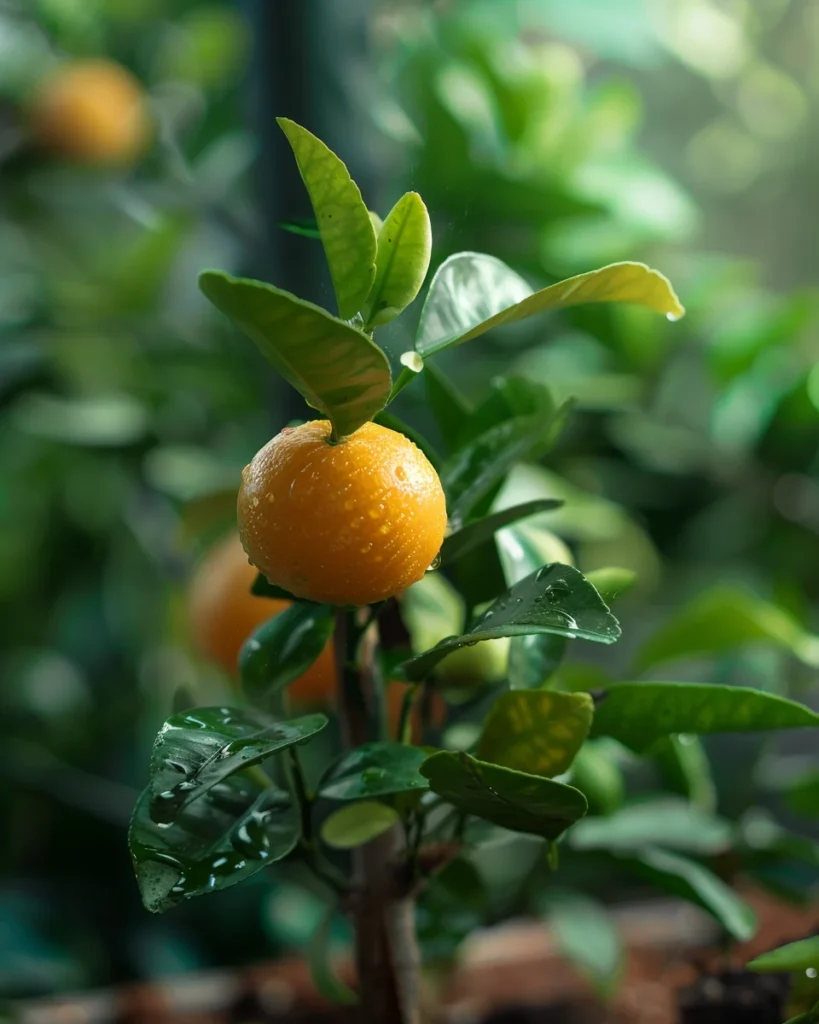
How to Grow Calamondin Indoors: A Bright, Fragrant Citrus for Your Home
Intro for growing calamondin indoors
Calamondin (Citrofortunella microcarpa) is a small, ornamental citrus tree that makes an excellent indoor plant. This hybrid between kumquat and mandarin orange produces fragrant white blossoms and small, tangy orange fruits year-round. Perfect for brightening your home during winter months, calamondins are more cold-tolerant and adaptable than most citrus varieties. They thrive in bright indoor environments and can live for decades with proper care. Beyond their ornamental value, the fruits can be used for marmalades, beverages, and cooking, bringing a touch of the tropics to your indoor garden regardless of your climate.
When to plant calamondin indoors
Calamondins can be planted indoors at any time of year, but spring and early summer (March through June) provide optimal growing conditions as increasing daylight stimulates new growth. Indoor temperatures between 18-24°C (65-75°F) are ideal for establishment. Unlike outdoor citrus, indoor calamondins aren’t restricted by frost dates, though they benefit from natural seasonal light cycles. If purchasing a young tree, spring timing allows it to establish before the lower light conditions of winter arrive. For those propagating from cuttings, warm spring temperatures improve rooting success rates.
Best time to plant calamondin indoors
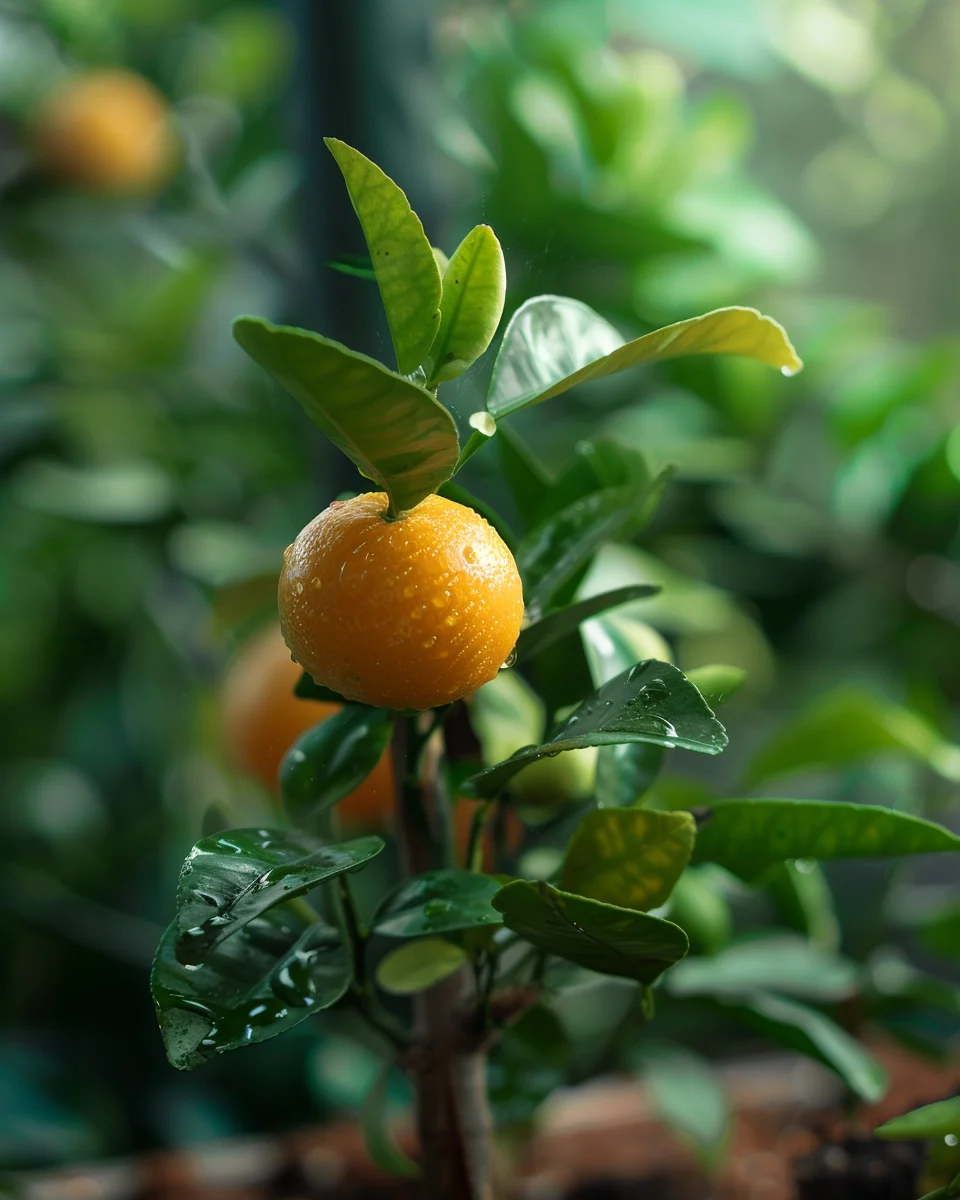
In temperate regions, the ideal window for establishing new calamondin plants indoors is mid-March through May. This timing capitalizes on increasing natural light while avoiding extreme summer heat that can stress newly potted plants. For cooler northern climates, wait until April when indoor environments are more stable. In warmer southern regions, February to April planting works well. If you’re transplanting a calamondin to a larger container, early spring is optimal as the plant enters its active growth phase, allowing roots to establish before the following winter.
Best calamondin varieties to grow
- Standard Calamondin – The classic variety with excellent indoor adaptability and reliable fruiting.
- Variegated Calamondin – Features cream-and-green marbled leaves for added ornamental value while maintaining fruit production.
- Dwarf Calamondin – Naturally compact growth habit, perfect for smaller spaces and windowsills.
- Golden Calamondin – Produces slightly sweeter fruits with a golden-orange hue.
- Peters Calamondin – Known for particularly abundant flowering and fruiting cycles indoors.
- Centennial Variegated – Slower growing with distinctive variegation and excellent container adaptability.
How to plant calamondin indoors
Materials needed:
- Young calamondin tree
- Container (30-40 cm/12-16 in diameter) with drainage holes
- Citrus-specific potting mix or well-draining potting soil
- Perlite or pumice for drainage
- Small pebbles or drainage material
- Slow-release citrus fertilizer
- Watering can
- Plant saucer
Step-by-step planting:
- Select a container 2-4 inches larger in diameter than the current root ball with multiple drainage holes.
- Place a layer of small pebbles at the bottom of the pot to improve drainage.
- Mix standard potting soil with 30% perlite or pumice to create a well-draining medium.
- Add a small amount of slow-release citrus fertilizer to the soil mix according to package directions.
- Fill the container partially with the soil mixture.
- Gently remove the calamondin from its nursery container, taking care not to disturb the roots excessively.
- Position the plant so the top of the root ball sits about 1 inch (2.5 cm) below the container rim.
- Fill around the root ball with soil mixture, tamping gently to eliminate air pockets.
- Water thoroughly until water drains from the bottom holes.
- Place the pot on a saucer in its final location, preferably near a south-facing window.
How to grow calamondin indoors
Calamondins require bright light to thrive indoors—a south or southwest-facing window is ideal, providing 6-8 hours of direct sunlight daily. If natural light is insufficient, supplement with grow lights positioned 12-18 inches above the plant for 12-14 hours daily. Water when the top inch (2.5 cm) of soil feels dry, typically every 5-7 days in summer and 7-10 days in winter, ensuring thorough drainage after each watering. Apply citrus-specific fertilizer at half strength every 4-6 weeks during spring and summer, reducing to every 8-10 weeks in fall and winter. Maintain humidity around 50% by misting leaves or using a humidity tray. Rotate the plant quarterly for even growth, and repot every 2-3 years in spring. For container specifics, choose a pot with excellent drainage that’s proportional to the plant size, using terracotta or ceramic for stability as the tree grows.
Caring for calamondin indoors
Monitor soil moisture weekly, adjusting watering frequency with seasonal changes. Inspect leaves regularly for pests like spider mites and scale insects, which appear as tiny specks or waxy bumps on leaves. Treat spider mites by increasing humidity and wiping leaves with a damp cloth; for scale, apply horticultural oil or insecticidal soap. Yellow leaves typically indicate overwatering or nutrient deficiencies—reduce watering frequency and ensure proper fertilization. Prune lightly year-round to maintain shape, removing crossing branches and any dead wood. Harvest fruits when they develop deep orange color and slight give when gently squeezed, typically 9-12 months after flowering. Fruits can remain on the tree for weeks without quality loss. Store harvested calamondins at room temperature for up to a week or refrigerate for 2-3 weeks.
Understanding bolting in calamondin indoors
Unlike herbaceous plants, calamondins don’t experience bolting in the traditional sense. However, they can undergo stress responses that affect flowering and fruiting. Temperature extremes (below 50°F/10°C or above 85°F/29°C) can trigger excessive leaf drop or flower abortion. Sudden environmental changes, like relocating the plant or dramatic light reduction, may cause fruit drop. To prevent stress responses, maintain consistent temperatures, avoid drafty locations, transition gradually when changing the plant’s position, and ensure stable light conditions. If your calamondin drops leaves or flowers suddenly, stabilize its environment, maintain consistent watering, and it should recover within a few weeks.
Why does calamondin turn bitter?
- Natural tartness – Calamondins are naturally sour/bitter; fruits are fully ripe when deep orange and slightly soft.
- Underwatering stress – Inconsistent watering can increase bitter compounds; maintain even moisture.
- Insufficient light – Inadequate sunlight reduces sugar development; ensure 6+ hours of bright light daily.
- Nutrient imbalance – Excessive nitrogen or potassium deficiency increases bitterness; use balanced citrus fertilizer.
- Immature harvesting – Picking fruits before full ripeness results in more bitter flavor; wait for deep orange color.
Companion planting for calamondin indoors
While indoor calamondins don’t benefit from companion planting in the same way as garden plants, certain houseplants can create a beneficial microclimate when grouped nearby:
- Peace Lily – Increases ambient humidity beneficial for citrus while thriving in similar light conditions.
- Spider Plant – Helps purify air and tolerates the same watering schedule as calamondin.
- Pothos – Indicates when water is needed (wilts slightly) before your calamondin shows stress.
- Rosemary – Repels some indoor pests while enjoying similar light and soil conditions.
Avoid placing near:
- Ferns or moisture-loving plants – Their high water requirements create conflicting care needs.
- Large tropical plants – May compete for light and create too much shade for your calamondin.
Seasonal calendar
- January-February: Reduce watering; monitor for pests during dry indoor heating season.
- March-April: Increase watering as growth resumes; apply first spring fertilizer; prune as needed.
- May-June: Peak growth period; regular fertilizing; watch for spring flowering flush.
- July-August: Maintain consistent watering; move from intense direct sun if leaves yellow; summer fruit development.
- September-October: Reduce fertilizer; prepare for reduced light conditions; potential fall flowering.
- November-December: Minimal fertilizing; reduce watering; harvest mature fruits; provide supplemental light if needed.
Note: In warmer southern regions, growth cycles may be less distinct. In cooler northern areas, supplemental lighting becomes more important during winter months.
Problems & solutions
| Problem | Quick Fix |
|---|---|
| Yellow leaves | Check for overwatering; ensure proper drainage; verify light levels are adequate. |
| Leaf drop | Stabilize temperature (avoid drafts); check for sudden light changes; ensure consistent watering. |
| Spider mites | Increase humidity; wipe leaves with damp cloth; apply insecticidal soap if severe. |
| Scale insects | Remove with cotton swab dipped in alcohol; apply horticultural oil for larger infestations. |
| Flower drop without fruiting | Hand-pollinate flowers with small brush; ensure adequate light; maintain stable environment. |
| Curling leaves | Check for pests underneath; increase humidity; move from direct heat sources. |
| No flowering | Increase light exposure; ensure day/night temperature differential; verify proper fertilization. |
Common questions about growing calamondin indoors
How often should I water my indoor calamondin?
Water when the top inch of soil feels dry to the touch, typically every 5-7 days in summer and 7-10 days in winter. Always allow excess water to drain completely, as soggy soil can quickly lead to root rot.
How much light does an indoor calamondin need?
Calamondins require at least 6-8 hours of bright light daily. A south-facing window is ideal. If natural light is insufficient, especially during winter months, supplement with grow lights positioned 12-18 inches above the plant.
What size container is best for calamondin?
Start with a 12-inch (30 cm) diameter pot and repot to a container 2-4 inches larger every 2-3 years. The final container size for a mature indoor calamondin is typically 16-18 inches (40-45 cm) in diameter.
Will my indoor calamondin self-pollinate?
Yes, calamondins are self-pollinating, but indoor plants lack natural pollinators. Gently shake the plant when flowering or use a small brush to transfer pollen between flowers to improve fruit set.
How cold-tolerant are calamondins?
Indoor calamondins prefer temperatures between 65-80°F (18-27°C). They can tolerate brief exposure to temperatures as low as 50°F (10°C), but prolonged cold will cause leaf drop and potential damage.
When will my calamondin produce fruit?
Young plants typically begin flowering and fruiting within 1-2 years. Once established, they can produce fruit year-round, with heaviest production usually occurring in spring and fall. From flower to ripe fruit takes approximately 9-12 months.