

How to Grow Bell Peppers That Are Sweet, Juicy and Crunchy Every Time: When to Plant, Best Varieties & Care
Intro for How to Grow Bell Peppers that Are Sweet Juicy and Crunchy Every Time
Bell peppers (Capsicum annuum) are versatile vegetables that add vibrant color, sweet flavor, and satisfying crunch to countless dishes. Unlike their spicy cousins, bell peppers offer a mild, sweet taste that appeals to gardeners of all ages. These warm-season crops thrive in sunny conditions with consistent moisture and rich soil. With proper care, a single plant can produce 8-10 full-sized peppers throughout the growing season. Bell peppers perform best in USDA zones 4-12, though they truly excel in regions with long, warm summers. Whether grown in garden beds or containers, these nutritional powerhouses packed with vitamins A and C reward gardeners with a bountiful harvest when their specific growing requirements are met.
When to plant How to Grow Bell Peppers that Are Sweet Juicy and Crunchy Every Time
Bell peppers require warm soil and air temperatures to thrive. They are extremely frost-sensitive and should only be planted outdoors when all danger of frost has passed and soil temperatures have reached at least 18°C (65°F). For most temperate regions, this means waiting until 2-3 weeks after your last spring frost date. In cooler climates, consider using black plastic mulch to warm the soil before planting. Bell peppers have a long growing season (60-90 days from transplant to harvest), so starting seeds indoors 8-10 weeks before your last frost date gives plants the head start they need to produce sweet, juicy fruits before fall temperatures arrive.
Best time to plant How to Grow Bell Peppers that Are Sweet Juicy and Crunchy Every Time
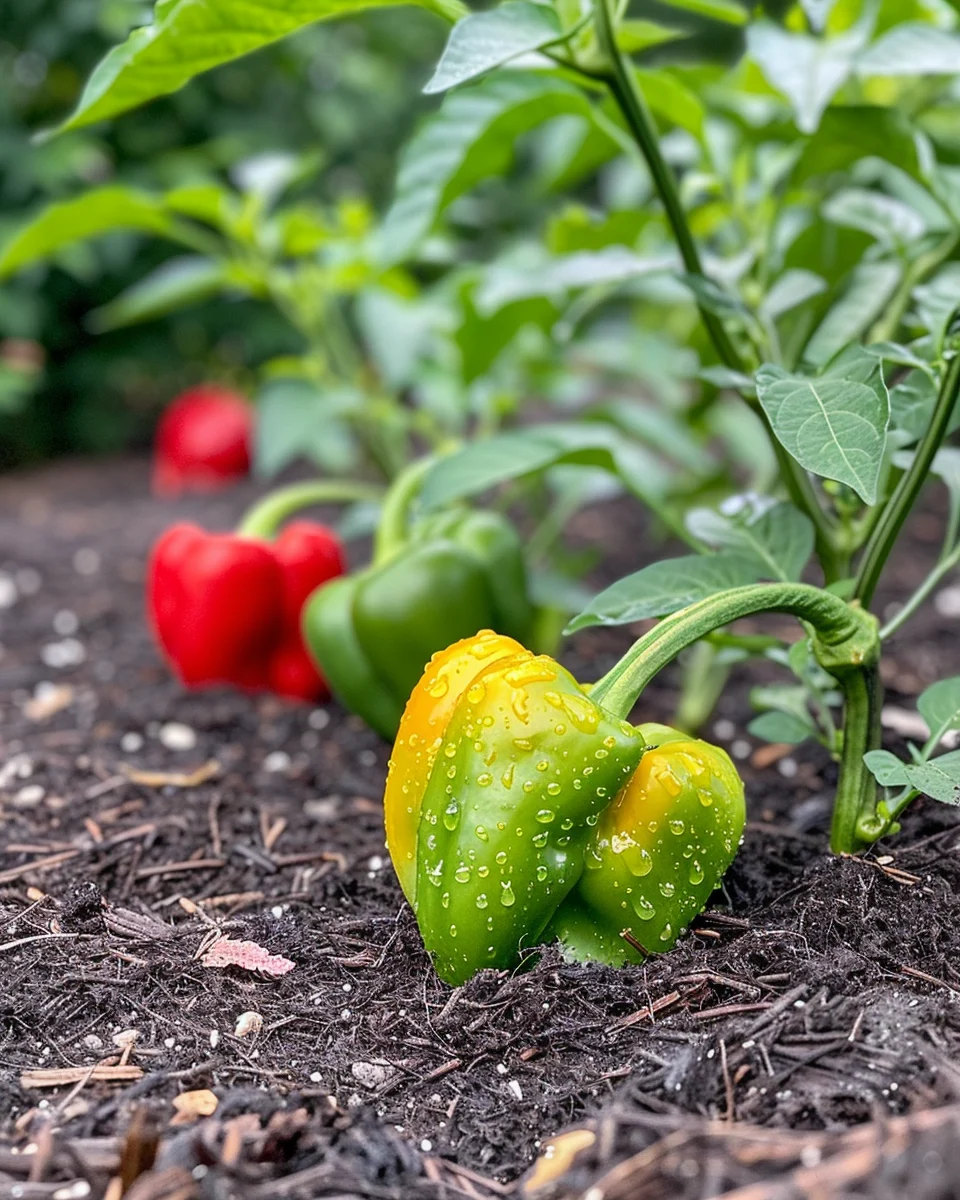
In cool temperate regions (UK, Northern US, Canada), start seeds indoors in February to March and transplant outdoors in late May to early June when nighttime temperatures consistently stay above 13°C (55°F). In warm temperate regions (Southern US, Mediterranean), start seeds indoors in January to February and transplant outdoors in April to early May. For tropical or subtropical regions, bell peppers can be planted in fall or winter for year-round growing. Direct sowing is not recommended for bell peppers except in the warmest climates with very long growing seasons. For the sweetest, crunchiest peppers, timing is crucial—plants need enough warm days to fully develop their sugars before harvest.
Best How to Grow Bell Peppers that Are Sweet Juicy and Crunchy Every Time varieties to grow
- California Wonder – Classic, thick-walled bell pepper that ripens from green to red with excellent sweet flavor and disease resistance.
- King of the North – Early-maturing variety ideal for shorter growing seasons, producing sweet, blocky peppers even in cooler climates.
- Purple Beauty – Stunning purple fruits that add visual interest to gardens and plates, with sweet, crisp flesh that’s slightly less sweet than red varieties.
- Gypsy – Extremely productive hybrid that transitions from yellow to orange to red, with thin walls perfect for quick cooking.
- Chocolate Beauty – Ripens to a rich brown color with exceptional sweetness and complex flavor notes reminiscent of dried fruits.
- Miniature Chocolate Bell – Compact variety perfect for containers, producing abundant small peppers with surprisingly thick, sweet walls.
- Orange Sun – Brilliant orange peppers with high vitamin C content and fruity sweetness that thrives in hot weather.
How to plant How to Grow Bell Peppers that Are Sweet Juicy and Crunchy Every Time
Materials needed:
- Bell pepper seedlings or seeds
- Compost or well-rotted manure
- Balanced organic fertilizer (5-10-10)
- Garden trowel
- Watering can or hose with gentle spray attachment
- Mulch (straw, leaf mold, or plastic)
- Plant supports or cages (optional)
Step-by-step planting guide:
- Select a planting site that receives at least 6-8 hours of direct sunlight daily with protection from strong winds.
- Prepare soil by working in 2-3 inches of compost and a light application of balanced fertilizer.
- Dig holes approximately 30-45 cm (12-18 inches) apart in rows spaced 60-75 cm (24-30 inches) apart.
- If transplanting seedlings, make holes slightly larger than the root ball of each plant.
- Gently remove seedlings from containers, taking care not to disturb roots, and place them at the same depth they were growing previously.
- Backfill with soil, firming gently around the base of each plant.
- Water thoroughly but gently, applying water at the base of plants rather than overhead.
- Apply 5-7 cm (2-3 inches) of organic mulch around plants, keeping it away from stems to prevent rot.
- Install support cages or stakes at planting time to avoid root damage later (peppers with heavy fruit loads may need support).
How to grow How to Grow Bell Peppers that Are Sweet Juicy and Crunchy Every Time
Bell peppers thrive in full sun, requiring a minimum of 6 hours of direct sunlight daily, though 8-10 hours produces the sweetest fruits. Maintain consistent soil moisture—about 2.5 cm (1 inch) of water weekly, increasing to 5 cm (2 inches) during fruit development and hot weather. Water at the soil level to keep foliage dry and prevent disease. Feed plants monthly with a balanced organic fertilizer, switching to one higher in phosphorus and potassium (like 5-10-10) once flowering begins to encourage fruit development.
Mulch is essential for peppers, helping maintain soil moisture, suppress weeds, and keep soil temperatures consistent. For container growing, choose pots at least 30-40 cm (12-16 inches) in diameter with excellent drainage, using high-quality potting mix enriched with compost. Pinch off the first few flowers that appear to direct energy into plant growth before fruit production. In hot climates, provide afternoon shade to prevent sunscald on developing fruits. For maximum sweetness, allow peppers to fully ripen on the plant—green peppers will eventually turn yellow, orange, red, purple, or chocolate, depending on the variety.
Caring for How to Grow Bell Peppers that Are Sweet Juicy and Crunchy Every Time
Monitor plants weekly for pests like aphids, which can be controlled with a strong spray of water or insecticidal soap. Watch for signs of blossom end rot (dark, sunken spots on fruit bottoms), which indicates calcium deficiency often caused by inconsistent watering—solve this by maintaining even soil moisture and adding crushed eggshells to the soil. Bacterial spot appears as water-soaked lesions on leaves and fruits; prevent it by avoiding overhead watering and practicing crop rotation.
Harvest bell peppers when they reach full size and have developed their intended color. Cut rather than pull fruits from plants using clean garden shears to avoid damaging stems. Green peppers are technically unripe but perfectly edible; allowing them to mature to their final color (red, yellow, orange, etc.) significantly increases vitamin content and sweetness. Store harvested peppers in the refrigerator crisper drawer for up to two weeks, or freeze, dry, or pickle for longer preservation. In mild climates, prune plants back at the end of the season and protect from frost for potential second-year production.
Understanding bolting in How to Grow Bell Peppers that Are Sweet Juicy and Crunchy Every Time
Unlike leafy greens and herbs, bell peppers don’t technically “bolt” in the traditional sense. However, they do undergo stress responses that affect fruit production and quality. When exposed to extreme temperature fluctuations (particularly cold snaps below 10°C/50°F or heat waves above 35°C/95°F), pepper plants may drop their flowers or produce malformed fruits. Extended drought followed by heavy watering can cause growth spurts that lead to cracking fruits.
To prevent stress-related issues, maintain consistent growing conditions throughout the season. Apply mulch to moderate soil temperature and moisture. During heatwaves, provide temporary shade with row covers or shade cloth. If plants experience stress, focus on restoring optimal growing conditions and remove any damaged fruits to encourage new flower production. Unlike true bolting plants, peppers will resume normal production once favorable conditions return.
Why does How to Grow Bell Peppers that Are Sweet Juicy and Crunchy Every Time turn bitter?
- Heat stress – Temperatures consistently above 35°C (95°F) can cause bitterness; provide afternoon shade and maintain consistent watering during hot spells.
- Uneven watering – Drought followed by heavy watering affects flavor development; maintain consistent soil moisture with regular watering and mulch.
- Nutrient imbalance – Excessive nitrogen promotes leafy growth at the expense of fruit quality; switch to a lower-nitrogen, higher-phosphorus fertilizer when plants begin flowering.
- Cross-pollination with hot peppers – While this won’t affect current fruits, seeds saved from these plants may produce hotter peppers next season; maintain distance between sweet and hot pepper varieties if saving seeds.
- Harvesting too early – Green peppers naturally have a slightly bitter edge compared to fully ripened ones; allow fruits to develop their mature color for maximum sweetness.
Companion planting for How to Grow Bell Peppers that Are Sweet Juicy and Crunchy Every Time
Bell peppers benefit from strategic companion planting to enhance growth, deter pests, and improve flavor. Excellent companions include:
- Basil – Repels flies and mosquitoes while potentially improving pepper flavor and growth.
- Marigolds – Deter nematodes and other soil pests with their root secretions.
- Onions and garlic – Help repel aphids and other insect pests that commonly attack peppers.
- Spinach or lettuce – Provide ground cover that helps retain soil moisture and suppresses weeds.
- Nasturtiums – Act as trap crops for aphids, drawing them away from your pepper plants.
Avoid planting bell peppers near:
- Fennel – Secretes compounds that inhibit growth of many garden plants, including peppers.
- Brassicas (cabbage, broccoli, kale) – Compete for similar nutrients and can stunt pepper growth.
- Apricot trees – Secrete substances that can inhibit pepper plant development.
Seasonal calendar
January-February: Order seeds and start earliest indoor seedlings (warm regions).
March-April: Start seeds indoors (cool regions); prepare garden beds; transplant seedlings outdoors in warm regions.
May: Transplant seedlings outdoors in cool regions after last frost; apply initial fertilizer.
June: Install supports if needed; monitor for pests; maintain consistent watering.
July: Apply second round of fertilizer; begin harvesting earliest green peppers.
August-September: Main harvest period; allow some peppers to ripen fully for maximum sweetness.
October: Final harvests; in warm regions, prepare plants for potential overwintering.
November-December: Clean up garden; compost spent plants (unless overwintering); plan for next season.
Note: In hot regions, shift the calendar earlier by 4-6 weeks. In very cool regions, consider growing compact varieties in containers that can be moved to protected areas during cold spells.
Problems & solutions
| Problem | Quick Fix |
|---|---|
| Flowers dropping without forming fruit | Likely temperature stress; maintain temperatures between 21-29°C (70-85°F); mist plants during heat waves. |
| Sunscald (white/tan patches on fruits) | Provide partial shade during intense afternoon sun; ensure adequate foliage by avoiding excessive pruning. |
| Blossom end rot (dark, sunken areas) | Maintain consistent watering; add crushed eggshells or calcium spray to soil. |
| Stunted growth, yellowing leaves | Check for nutrient deficiency; apply balanced organic fertilizer and ensure proper pH (6.0-6.8). |
| Fruits with cracks or splits | Caused by irregular watering; maintain consistent moisture and mulch heavily. |
| Curling, distorted leaves | Check for aphids on leaf undersides; spray with insecticidal soap or strong water jet. |
| Small, malformed fruits | Likely poor pollination; gently shake plants midday to distribute pollen or hand-pollinate with a small brush. |
Common questions about growing How to Grow Bell Peppers that Are Sweet Juicy and Crunchy Every Time
Q: How often should I water bell peppers?
A: Provide 2.5 cm (1 inch) of water weekly, increasing to 5 cm (2 inches) during fruit development and hot weather. Consistent moisture is key—use mulch to maintain even soil moisture.
Q: Can I grow bell peppers in containers?
A: Absolutely! Choose containers at least 30-40 cm (12-16 inches) in diameter with excellent drainage. Compact varieties like ‘Miniature Chocolate Bell’ or ‘Redskin’ are particularly well-suited for container growing.
Q: How much space do bell pepper plants need?
A: Space plants 30-45 cm (12-18 inches) apart in rows 60-75 cm (24-30 inches) apart. In containers, limit to one plant per 30-40 cm (12-16 inch) pot for optimal growth.
Q: When should I harvest bell peppers?
A: Harvest when peppers reach full size—typically 7-10 cm (3-4 inches) long. Green peppers can be harvested any time they reach full size, but allowing them to ripen to their mature color (red, yellow, orange, etc.) significantly increases sweetness and vitamin content.
Q: Why are my bell peppers so small?
A: Small fruits usually indicate stress—check for inconsistent watering, nutrient deficiencies, or temperature extremes. Apply balanced fertilizer, maintain even moisture, and ensure plants receive at least 6 hours of sunlight daily.
Q: Can bell peppers survive light frost?
A: No, bell peppers are extremely frost-sensitive. Even temperatures below 10°C (50°F) can damage plants and affect fruit production. In cool regions, be prepared to cover plants if unexpected late spring or early fall frosts are forecast.
Q: Do bell peppers need support as they grow?
A: While not always necessary, supporting pepper plants with small cages or stakes prevents branches from breaking under the weight of developing fruits, especially for varieties that produce large, heavy peppers.