
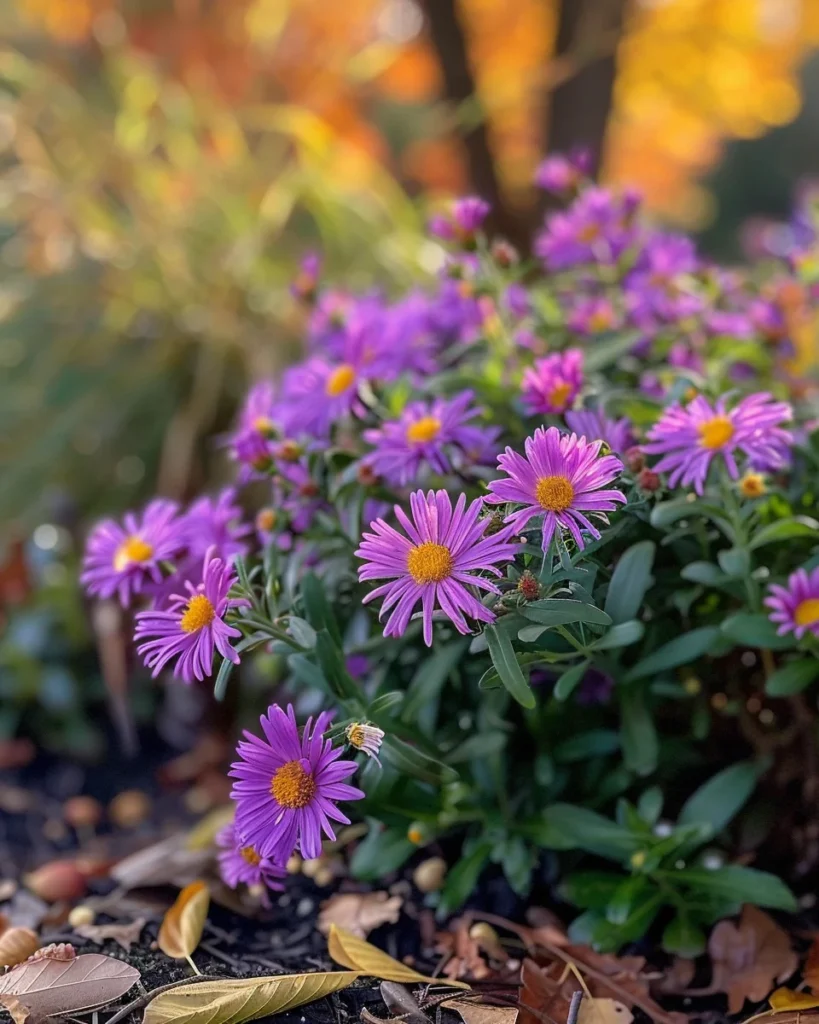
How to Grow Asters for Fall Color: When to Plant, Best Varieties & Care
Intro for asters for fall color
Asters are spectacular late-season perennials that burst into a sea of daisy-like blooms just when most garden flowers are fading. These star-shaped flowers (their name comes from the Greek word for “star”) provide crucial late-season color and serve as vital nectar sources for pollinators preparing for winter. With heights ranging from compact 8-inch (20 cm) varieties to statuesque 6-foot (1.8 m) specimens, asters offer versatile options for borders, containers, and naturalized areas. They thrive in most temperate climates (USDA zones 4-8) and prefer moderately fertile, well-draining soil. Whether you’re looking to extend your garden’s flowering season or create a pollinator haven, asters deliver remarkable autumn beauty with minimal fuss.
When to plant asters for fall color
Asters perform best when planted in spring after the danger of frost has passed, or in early fall (at least 6-8 weeks before first frost) in temperate regions. For spring planting, wait until soil temperatures reach at least 50°F (10°C). In warmer regions (zones 7-9), fall planting is ideal as it allows roots to establish during cooler months before summer heat arrives. Avoid planting during summer heat as young asters may struggle to establish. In colder northern regions, spring planting is preferable to give plants a full growing season to develop strong roots before winter.
Best time to plant asters for fall color
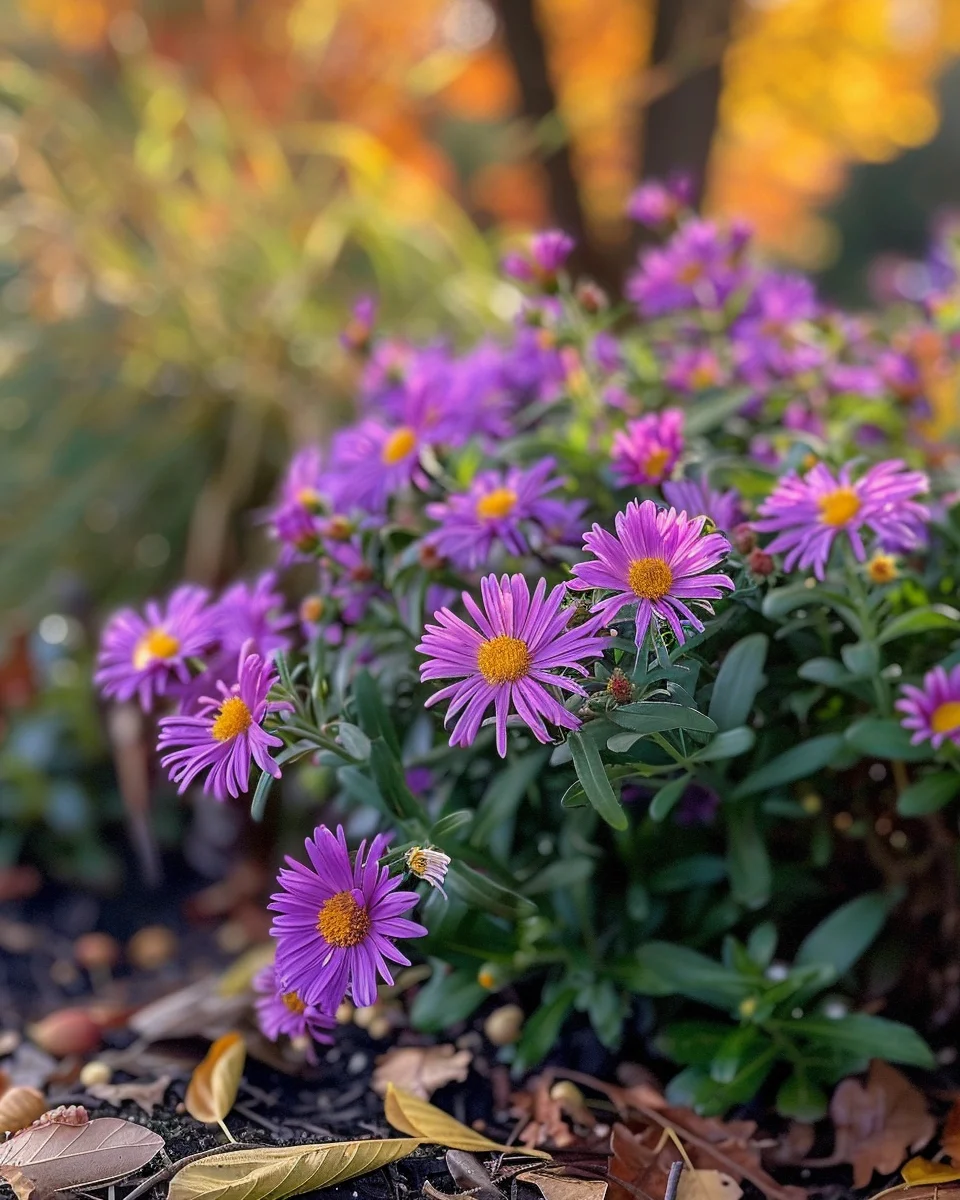
In cool temperate regions (zones 4-6), plant asters from mid-April through May when soil has warmed and workable. For warmer climates (zones 7-9), the optimal planting window extends from March to early May or September to early October. Container-grown asters can be transplanted anytime during the growing season, but avoid the hottest summer weeks. For direct sowing, plant seeds outdoors 6-8 weeks before last frost date, or start indoors 8-10 weeks before last frost and transplant when seedlings have several sets of true leaves. Fall-planted asters should be established at least 6 weeks before your first expected frost to ensure good root development.
Best asters for fall color varieties to grow
- New England Aster (Symphyotrichum novae-angliae) – Reaches 3-6 feet tall with vibrant purple-pink flowers and exceptional cold hardiness to zone 3.
- ‘Purple Dome’ – Compact 18-inch variety with rich royal purple blooms that doesn’t require staking and resists mildew.
- ‘Alma Pötschke’ – Stunning hot pink flowers on 3-foot stems that create dramatic impact in fall borders.
- ‘October Skies’ – Sky-blue flowers on a compact 18-inch frame, perfect for containers and small gardens.
- ‘Monch’ – Early-blooming lavender-blue variety that flowers from late summer through fall with exceptional disease resistance.
- ‘Lady in Black’ – Elegant dark stems with tiny white flowers and purple centers, offering airy texture in naturalistic plantings.
- ‘Wood’s Blue’ – Dwarf variety (12-15 inches) with excellent mildew resistance, ideal for containers and front borders.
- ‘Raydon’s Favorite’ – Aromatic foliage with lavender-blue flowers and outstanding heat tolerance for southern gardens.
How to plant asters for fall color
Materials needed:
- Aster plants or seeds
- Compost or well-rotted manure
- Garden fork or tiller
- Garden trowel
- Watering can or hose with gentle spray attachment
- Mulch (shredded bark or compost)
- All-purpose granular fertilizer (optional)
Step-by-step planting:
- Select a site with full sun to light shade that receives at least 6 hours of direct sunlight daily.
- Test soil drainage by digging a 12-inch hole and filling with water; if water doesn’t drain within 2-3 hours, amend with compost or choose a different location.
- Prepare the soil by digging in 2-3 inches (5-7.5 cm) of compost to improve fertility and drainage.
- Dig planting holes twice as wide as the root ball and at the same depth as the container.
- Space tall varieties 18-24 inches (45-60 cm) apart and dwarf varieties 12-15 inches (30-38 cm) apart.
- Remove plants from containers, gently loosen the root ball if pot-bound, and place in the hole with the top of the root ball level with the soil surface.
- Backfill with soil, firming gently around the roots to eliminate air pockets.
- Water thoroughly after planting, providing about 1 inch (2.5 cm) of water to settle the soil.
- Apply 2-3 inches (5-7.5 cm) of mulch around plants, keeping it a few inches away from stems to prevent rot.
- For seeds, sow 1/8 inch (3 mm) deep, lightly cover with soil, and keep consistently moist until germination occurs in 10-14 days.
How to grow asters for fall color
Asters thrive in full sun (6+ hours daily) in cooler climates, while appreciating afternoon shade in hot southern regions. Establish a consistent watering schedule, providing 1 inch (2.5 cm) weekly during the growing season, increasing during drought or for container plants. Apply a balanced slow-release fertilizer (10-10-10) in spring when new growth appears, but avoid high-nitrogen formulations which promote leggy growth and fewer flowers. Maintain a 2-3 inch (5-7.5 cm) layer of mulch to conserve moisture and suppress weeds.
Pinch back stems by one-third in late spring (before mid-June) to promote bushier growth and more abundant flowering. Taller varieties may require staking; insert stakes early in the season to avoid root damage. For container-grown asters, use pots at least 12 inches (30 cm) in diameter with drainage holes, filled with quality potting mix. Container plants need more frequent watering and benefit from liquid fertilizer applications every 2-3 weeks during the growing season.
Caring for asters for fall color
Monitor soil moisture regularly, especially during dry spells, as consistent moisture produces the best flowering. Deadhead spent blooms to encourage continued flowering and prevent self-seeding. After the first hard frost, cut back stems to 2-3 inches (5-7.5 cm) above ground level, or leave standing for winter interest and wildlife habitat.
Watch for powdery mildew, particularly in humid conditions or with poor air circulation. Prevent by spacing plants properly and watering at the base rather than overhead. Treat affected plants with neem oil or a baking soda solution (1 tablespoon in 1 gallon of water with a few drops of dish soap). Aphids and spider mites may also appear; control with insecticidal soap or a strong spray of water to dislodge them.
Divide established asters every 2-3 years in spring to maintain vigor and prevent center die-out. Dig up the entire clump, discard the woody center, and replant the healthy outer sections. Harvest aster flowers for arrangements when blooms are fully open by cutting stems in the morning with sharp scissors, placing immediately in water.
Understanding bolting in asters for fall color
Unlike annual vegetables, perennial asters don’t bolt in the traditional sense. However, they can experience premature flowering or stunted growth under stress conditions. Heat stress during summer can trigger early, reduced flowering, especially in New England asters. Extended drought can cause plants to flower prematurely as a survival mechanism, producing smaller blooms with less impact.
Prevent stress-induced issues by maintaining consistent moisture, applying mulch to moderate soil temperature, and providing afternoon shade in hot climates. If plants show signs of heat stress (wilting despite adequate moisture), provide temporary shade and increase watering frequency. For leggy growth, pinch back stems in late spring to encourage branching and more abundant flowering. Unlike bolting vegetables, early-flowering asters can often rebloom if promptly deadheaded and provided with optimal care.
Why does asters for fall color turn bitter?
Asters are ornamental plants grown for flowers rather than consumption, so bitterness isn’t relevant in the traditional culinary sense. However, asters can develop issues that affect their ornamental value:
- Reduced flowering – Often caused by insufficient sunlight; move plants to locations with at least 6 hours of direct sun daily.
- Yellowing foliage – Usually indicates nutrient deficiency or poor drainage; amend soil with compost and ensure proper drainage.
- Stunted growth – Typically results from compacted soil or root competition; loosen soil and provide adequate spacing between plants.
- Brown leaf edges – Generally indicates drought stress; maintain consistent moisture, especially during dry periods.
- Faded flower color – Often caused by too much direct sun in hot climates; provide afternoon shade in southern regions.
Companion planting for asters for fall color
Good companions:
- Sedum – Low-growing varieties provide ground cover while tall sedums like ‘Autumn Joy’ bloom alongside asters for complementary fall color.
- Ornamental grasses – Create textural contrast and movement while sharing similar growing conditions with asters.
- Goldenrod – Flowers simultaneously with asters, creating stunning gold-and-purple autumn combinations while attracting beneficial insects.
- Coreopsis – Earlier-blooming perennial that shares similar cultural requirements and hands the seasonal display off to asters.
- Russian sage – Silver foliage and lavender blooms complement aster colors while thriving in similar well-drained conditions.
- Black-eyed Susan – Provides yellow-orange contrast to aster purples and pinks while attracting similar pollinators.
Avoid planting near:
- Aggressive spreaders like mint or certain groundcovers that may overwhelm asters.
- Plants requiring frequent division (like certain irises) as their maintenance may disturb established aster roots.
- Heavy feeders that compete for nutrients and may reduce aster vigor and flowering.
Seasonal calendar
- March-April: Divide established plants; plant new container-grown asters after last frost; apply slow-release fertilizer to existing plants.
- May: Direct sow seeds in warmer regions; continue planting container-grown plants; monitor for pests.
- June: Pinch back stems by one-third (before mid-month) to promote bushier growth; stake tall varieties.
- July-August: Monitor water needs during hot weather; watch for powdery mildew in humid conditions.
- September-October: Main flowering period; deadhead spent blooms to prolong flowering; plant container-grown asters for next year (warm regions).
- November: After hard frost, cut back stems or leave for winter interest; apply mulch in colder regions for winter protection.
- December-February: Plan next season’s garden; order seeds or plants for spring planting.
Adjustments: In zones 8-9, fall planting is ideal. In zones 3-4, provide extra winter mulch and focus on spring planting.
Problems & solutions
| Problem | Quick Fix |
|---|---|
| Powdery mildew on leaves | Improve air circulation by thinning plants; spray with neem oil or diluted milk solution (1:9 milk to water ratio) |
| Few or small flowers | Ensure 6+ hours of sunlight; apply balanced fertilizer in spring; pinch back stems in late spring |
| Leggy, floppy growth | Pinch back stems by one-third before mid-June; stake tall varieties; ensure adequate sunlight |
| Center die-out in mature plants | Divide plants every 2-3 years in spring; replant only the vigorous outer sections |
| Aphids or spider mites | Spray with strong water jet to dislodge; apply insecticidal soap for persistent infestations |
| Rabbit/deer damage | Apply repellent spray; install physical barriers or fencing; interplant with strongly aromatic herbs |
| Yellowing leaves | Check drainage; ensure consistent moisture without waterlogging; apply balanced fertilizer if nutrient deficient |
Common questions about growing asters for fall color
How often should I water my asters?
Provide approximately 1 inch (2.5 cm) of water weekly, adjusting for rainfall. Container plants may need watering every 2-3 days during hot weather. Established plants are moderately drought-tolerant but flower best with consistent moisture.
Can asters grow in partial shade?
Yes, most asters can tolerate partial shade, especially in hot southern climates where afternoon shade is beneficial. However, they produce the most abundant flowers with at least 6 hours of direct sunlight daily. In deep shade, plants become leggy with fewer blooms.
What size container is best for growing asters?
Use containers at least 12 inches (30 cm) in diameter and depth for dwarf varieties, and 16-18 inches (40-45 cm) for larger types. Ensure pots have drainage holes and use quality potting mix. Container-grown asters need more frequent watering and fertilizing than garden-planted specimens.
How far apart should I space aster plants?
Space tall varieties (over 3 feet) 18-24 inches (45-60 cm) apart, medium varieties 15-18 inches (38-45 cm) apart, and dwarf varieties 12-15 inches (30-38 cm) apart. Proper spacing improves air circulation and helps prevent disease issues.
Are asters cold-hardy?
Most asters are cold-hardy in USDA zones 4-8, with some varieties tolerating zone 3 with winter protection. New England asters (Symphyotrichum novae-angliae) are particularly cold-hardy, while some aster species like Michaelmas daisies (Symphyotrichum novi-belgii) prefer milder winters.
When should I divide my asters?
Divide asters every 2-3 years in early spring when new growth is just emerging. This prevents center die-out and maintains plant vigor. After division, water thoroughly and apply a light layer of compost to help new divisions establish.
Can I deadhead asters to extend blooming?
Yes, removing spent flowers encourages continued bloom production and prevents self-seeding. Deadhead individual flowers or cut back entire stems that have finished flowering to stimulate new flower production from lower buds.