
How To Grow Apple Mint
Apple mint (Mentha suaveolens) is one of the most forgiving herbs you can grow in your garden. With its distinctive fuzzy leaves and sweet, fruity aroma, this versatile perennial makes a wonderful addition to any herb collection. After growing various mint varieties for over a decade, I’ve found apple mint to be particularly rewarding for both novice and experienced gardeners. This comprehensive guide will walk you through everything you need to know about successfully growing and caring for apple mint at home.
Understanding Apple Mint
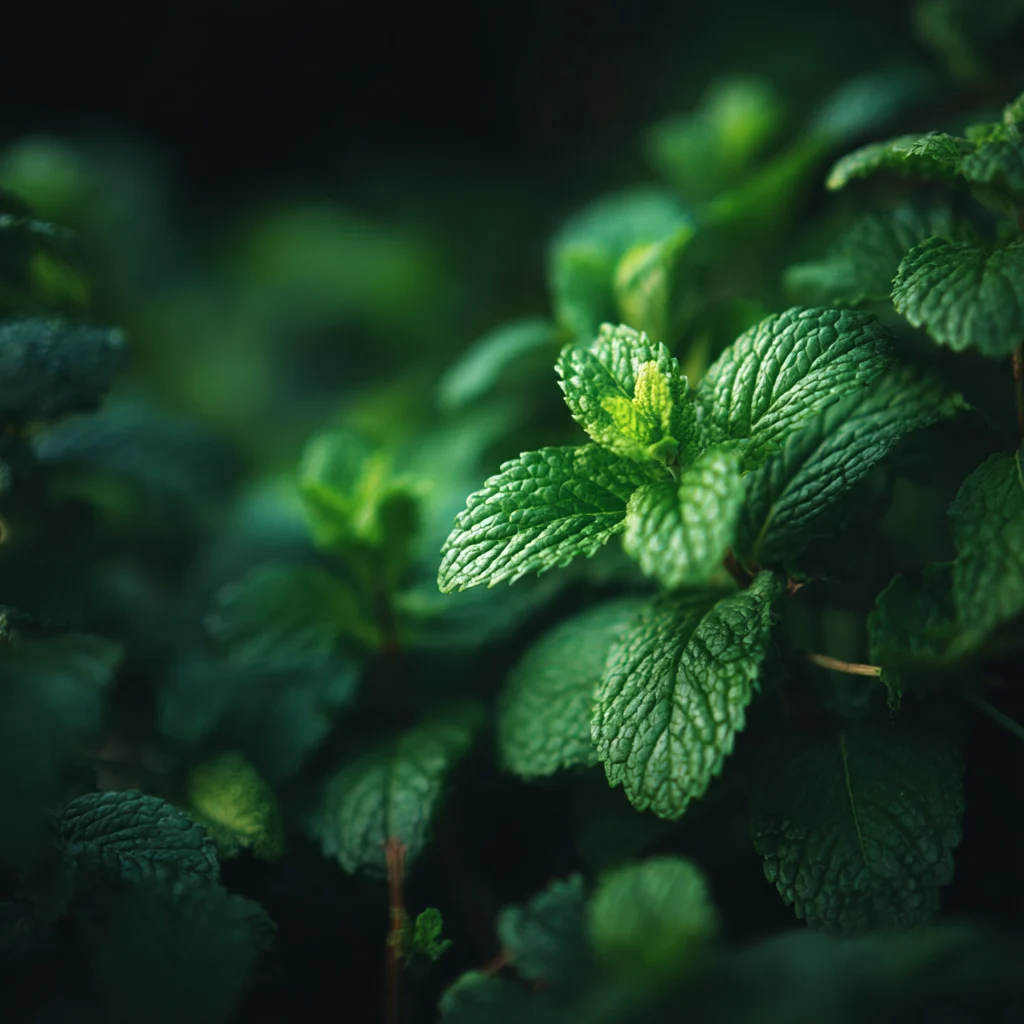
Apple mint, sometimes called woolly mint or pineapple mint (for its variegated variety), belongs to the Lamiaceae family. It features round, serrated fuzzy leaves and hairy stems that can grow up to two feet tall. The plant produces terminal spikes of pink or white flowers, typically blooming more heavily in late summer through fall.
Native to southern and western Europe, apple mint has been cultivated for centuries for its culinary, medicinal, and ornamental qualities. Its distinctive fruity-mint aroma and flavor make it different from other mint varieties, with a sweeter profile that resembles spearmint with fruity undertones.
Growth Expectations
When planted in optimal conditions, apple mint can reach heights of up to two feet and spread just as wide. Like other mint varieties, it’s a vigorous grower that spreads via stolons (runners) that form new colonies of plants.
Apple mint thrives in USDA hardiness zones 5 through 9 and is a perennial that returns year after year. Be prepared for its spreading habit—many gardeners consider this both a blessing and a challenge.
Site Selection and Preparation
Choosing the right location is crucial for successfully growing apple mint. Unlike some other mint varieties, apple mint prefers rich, moist soil with good drainage. Select a spot that receives partial sun to partial shade—while it can tolerate full sun, it performs better with some afternoon shade, especially in hotter climates.
Apple mint grows best in soil with a pH between 6.0 and 7.0. Before planting, amend your soil with organic compost or well-rotted manure to improve fertility and drainage. If your garden has heavy clay soil, work in some organic matter to improve texture and drainage.
Container vs. Ground Planting
Due to its aggressive spreading nature, many gardeners opt to grow apple mint in containers. This helps control its growth and prevents it from taking over your garden. If planting in the ground, consider installing barriers that extend at least 12 inches deep to contain the roots.
Alternatively, dedicate an isolated corner of your garden where the mint won’t crowd out other plants, or use it as a natural border to repel pests like deer and rabbits.
Planting Apple Mint
While apple mint can be grown from seeds, you’ll have much quicker success starting with small plants or cuttings. If you do choose to start from seed, begin indoors 8-10 weeks before your last frost date.
From Nursery Plants
When planting nursery-bought apple mint:
- Dig a hole slightly larger than the root ball
- Place the plant at the same depth it was growing in its container
- Backfill with soil and firm gently around the base
- Water thoroughly after planting
- Space plants 18-24 inches apart if planting multiple specimens
From Cuttings
Propagating apple mint from cuttings is simple and rewarding:
- Take 8 cm (3-inch) cuttings from the tops of healthy plants
- Remove the lower leaves, leaving just the top few
- Place the stems in a glass of water
- Change the water every few days
- Once roots develop (usually within 2-3 weeks), plant in soil
- Keep newly planted cuttings consistently moist until established
Watering Requirements
Apple mint prefers consistently moist soil but doesn’t tolerate waterlogged conditions. Water regularly, especially during dry spells, aiming to keep the soil moist but not soggy. A good rule of thumb is to water when the top inch of soil feels dry to the touch.
To avoid mint rust and other fungal issues, water at the base of the plant rather than overhead. Drip irrigation works particularly well for mint plants, delivering water directly to the roots while keeping the foliage dry.
Light and Temperature Preferences
Apple mint grows best with 4-6 hours of direct sunlight daily, preferably in the morning, with some afternoon shade. In hot climates, providing afternoon shade is particularly important to prevent leaf scorch and excessive drying.
This herb is quite adaptable to various temperature conditions and thrives in both dry and humid environments. It’s hardy in USDA zones 5-9 and can withstand light frosts, though it will die back in winter in colder regions before reemerging in spring.
Fertilizing Apple Mint
Unlike some herbs that prefer lean soil, apple mint benefits from fertile ground. Apply a balanced, organic fertilizer in early spring when new growth begins. A second light application mid-season can help maintain vigorous growth, especially for plants grown in containers.
Alternatively, top-dress around plants with compost or well-rotted manure in spring. Avoid high-nitrogen fertilizers, which can reduce the essential oil content and flavor of the leaves.
Pruning and Harvesting
Regular pruning encourages bushy growth and prevents apple mint from becoming leggy. Pinch off the tips of stems when plants reach about 8 inches tall to promote branching. For the best flavor, harvest leaves before the plant flowers, as flowering can sometimes reduce the potency of the oils.
To harvest apple mint:
- Cut stems just above a leaf node, about 1/3 of the way down the plant
- Harvest in the morning after dew has dried but before the heat of the day
- For continuous harvest, take only what you need, allowing the plant to regenerate
- Perform a more substantial harvest 2-3 times during the growing season
Controlling Apple Mint’s Spread
Apple mint’s vigorous growth can quickly become invasive if not managed properly. Here are effective strategies to keep it in check:
- Plant in containers or raised beds with barriers
- Install root barriers that extend at least 12 inches deep around in-ground plantings
- Regularly pull out runners that extend beyond your desired growing area
- Divide plants every 2-3 years to rejuvenate and control size
- Harvest frequently to keep growth in check
Common Pests and Problems
While apple mint is generally resistant to many garden pests, it can occasionally face challenges. Here are common issues and their solutions:
Pests
- Aphids: Treat with a strong spray of water or insecticidal soap
- Spider Mites: Increase humidity around plants and apply neem oil
- Flea Beetles: Use row covers or diatomaceous earth
Diseases
- Mint Rust: Remove affected leaves, improve air circulation, and avoid overhead watering
- Powdery Mildew: Ensure proper spacing between plants and apply fungicidal treatments if necessary
- Root Rot: Improve drainage and avoid overwatering
Overwintering Apple Mint
In zones 5-9, apple mint is perennial and will return each spring. In colder regions, the plant will die back in winter but the roots typically survive to regrow in spring. To help apple mint survive winter:
- Apply a 2-3 inch layer of mulch around plants after the ground freezes
- For container plants in cold climates, move pots to a protected area or bury them in the ground
- Cut back dead foliage in early spring before new growth emerges
- Divide overcrowded plants in spring to maintain vigor
Using Apple Mint
Apple mint’s culinary and practical applications make it a valuable addition to any garden. Its sweet, fruity mint flavor works well in:
- Teas and infusions (hot or iced)
- Cocktails and mocktails
- Sauces and jellies for lamb, chicken, or seafood
- Fruit salads and desserts
- Aromatic vinegars
Beyond the kitchen, apple mint can be used as a natural insect repellent in the garden. Plant it near cabbage, peas, tomatoes, and broccoli to improve their flavor and deter pests. The dried leaves can also be used in potpourri or sachets for closets and drawers.
Conclusion
Growing apple mint is a rewarding experience that offers both culinary and ornamental benefits. With its fuzzy leaves, sweet aroma, and vigorous growth habit, this versatile herb makes an excellent addition to gardens, containers, and landscapes. By providing the right growing conditions and managing its spreading tendency, you can enjoy a bountiful harvest of this delightful herb for years to come.
If you’re uncertain about any aspect of growing apple mint, don’t hesitate to consult with your local extension office or garden center. They can provide region-specific advice to ensure your mint thrives in your particular climate and growing conditions.