
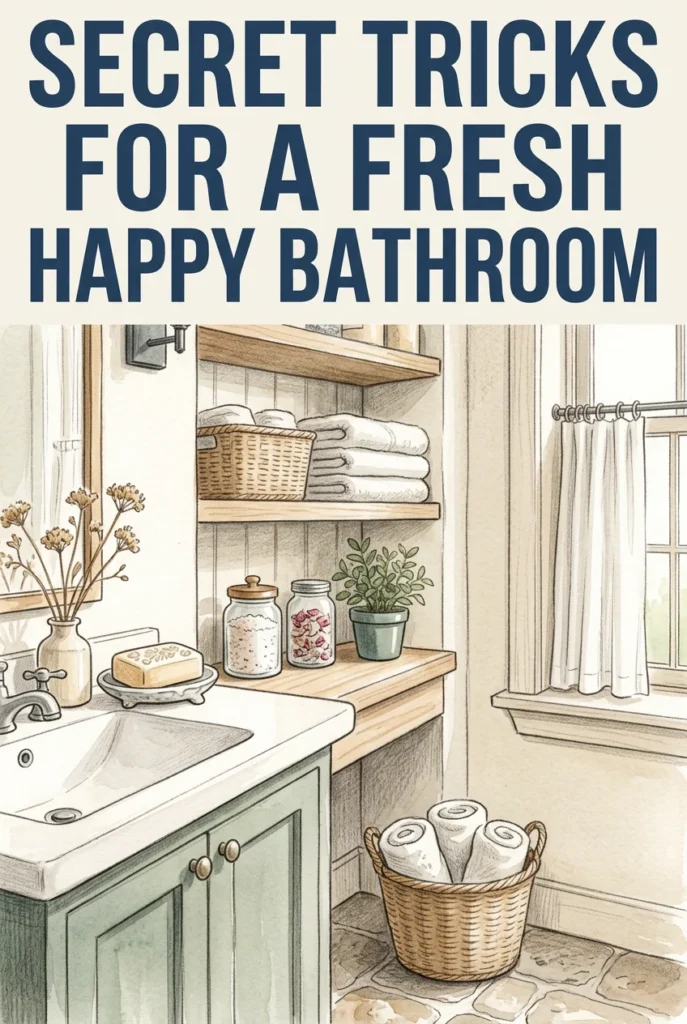
A clean, fresh-smelling bathroom is one of the quickest ways to make your whole home feel more inviting—whether it’s for guests or just for you.
Your bathroom is one of the most used rooms in the house. Because it handles moisture, heat, and frequent traffic, odors can build up faster here than almost anywhere else. The good news: getting a consistently fresh bathroom doesn’t require expensive products or a full renovation. Small, repeatable habits—plus a few smart scent strategies—go a long way.
Why it matters: A bathroom that smells clean signals cleanliness, comfort, and care. It also helps prevent the musty, stale “closed-room” feeling that often comes from trapped moisture, lingering bacteria, and slow-moving air. When you address odor sources early, you also make the room easier to maintain because you’re preventing buildup instead of constantly reacting to it.
One helpful mindset: think in layers. First, remove the sources of bad odors (bacteria, mildew, residue). Second, manage moisture and airflow so new odors don’t take hold. Third, add a controlled, pleasant scent that suits your home—light enough that it reads as “clean,” not overpowering.
Start With the Basics: Remove Odors Before You Add Scent
The fastest route to a great-smelling bathroom is simple: don’t mask bad odors—reduce or neutralize them first. When you layer fragrance on top of smells from drains, damp towels, or the trash, the combination can be worse than the original odor. Most unpleasant bathroom smells come from a few predictable places: the toilet area (including behind and around the base), drains, damp textiles, and garbage. If you tackle those consistently, you’ll notice that you need far less spray or fragrance overall.
1) Clean First (So the Scent Doesn’t Fight the Smell)
If the bathroom is dirty, odors will be present. Before you bring in candles or sprays, do a quick reset: wash the shower and tub, scrub the toilet and sink, and mop the floor. Including baking soda in your routine can help neutralize stubborn smells while you clean.
For the biggest impact with the least effort, focus on the spots that hold odor: the underside of the toilet rim, the area around the toilet base (especially where dust and moisture collect), the sink overflow opening, and corners near the shower where soap scum can build up. If you only have 10 minutes, a “high-touch wipe down” (faucet handles, doorknob, light switch, toilet seat and handle) can reduce the lingering stale smell that comes from frequent use.
A simple rhythm helps: do a quick wipe once or twice a week, then a deeper clean (toilet, tub/shower, sink, floor) on a consistent day so it never gets to the point where the smell feels “baked in.”
2) Don’t Forget the Drain (Where Odors Often Start)
Bathroom odors often come from what you can’t see—soap scum, hair, and residue that settles in the drains. You can also pour disinfectant down the basin drain as part of your normal cleaning routine to help keep things fresher.
Even if the sink and tub look spotless, a slow drain or a faint “sour” odor often points to buildup further down. Hair traps soap and oils, and that combination can smell worse over time—especially in humid bathrooms. If you notice smells strongest when the water runs, the drain is a likely culprit.
As part of routine cleaning, remove visible hair from the drain cover and wipe the area around it. If you can safely remove the stopper (depending on your fixture style), clean any residue you can reach. For ongoing prevention, a simple hair catcher in the shower is one of the easiest ways to reduce odor-causing buildup.
3) Use Baking Soda and Vinegar Down the Drains
Pour baking soda down the drain, followed by vinegar. The fizzing action is a sign that buildup is being oxidized as the mixture works its way down. This helps clear out odor-causing residue and can noticeably improve the smell of the room afterward.
To make this more effective, do it when the drain is relatively dry (for example, first thing in the morning or after the bathroom hasn’t been used for a while). Let the mixture sit long enough to work through the residue, then flush with hot water. This isn’t a substitute for major clogs, but it’s an easy maintenance step that can noticeably reduce “drain stink” that spreads through a small bathroom.
If you’re sensitive to strong cleaners, this is also a gentler option to try before reaching for harsh products. Consistency matters: a little maintenance on a schedule is often what keeps odors from returning.
4) Mop the Floor to Remove Odor-Causing Buildup
If your bathroom feels musty from frequent use, a thorough mop can make a dramatic difference. The goal isn’t only “clean-looking” floors—it’s removing bacteria and enzymes that linger and can contribute to odors over time.
Floors collect more than you think: aerosolized particles from flushing, splashes near the sink, hair, dust, and moisture from towels and bath mats. If you have grout lines or textured tile, odors can cling there too. Don’t forget the edges of the room (along the baseboards and behind the toilet), where grime and moisture often hide. Those areas can hold onto a stale odor even when the center of the floor looks clean.
Here’s the tested-and-tried mopping mixture from the original method:
Bathroom mopping mixture: 1 gallon of water, 1 cup of baking soda, 1 cup of Murphy’s oil soap, and 2 cups of hydrogen peroxide. Mop as you normally would. This solution helps strip away dirt and odor-causing buildup that can contribute to a stale or moldy smell over time.
For best results, wring your mop well so you’re not flooding the floor, especially around the toilet base and vanity where water can seep into seams. After mopping, help the floor dry faster by turning on the exhaust fan or opening a window. A faster dry time is a simple way to reduce that lingering “damp” smell that can return if the floor stays wet too long.
Ventilation and Moisture Control: The “Invisible” Odor Fix
Many bathroom smells aren’t just about what’s in the room—they’re about what’s in the air. Trapped humidity can amplify odors and create a lingering mustiness. When humidity stays high, towels take longer to dry, mildew grows more easily, and even clean surfaces can start to smell stale. If you want a bathroom that consistently smells fresh, moisture management is one of the most reliable “set it and forget it” strategies.
5) Ventilate Naturally (Open a Window When You Can)
A closed bathroom traps odors and odor-causing moisture. Open a window and keep it open as long as possible. Odors escape, fresh air enters, and if you have greenery outside, the air can feel even cleaner and more uplifting.
If privacy is a concern, even cracking the window for a short time can help, especially after a hot shower or a busy morning. If weather allows, leave the door slightly open as well to increase airflow. The goal is to exchange damp air for drier air so the room resets faster.
6) Use Proper Ventilation (Keep Air Moving)
Keeping air moving is essential. Use an exhaust fan during and after showers to help moisture escape and to discourage the mold and mildew that can cause bad smells.
A practical habit is to run the fan while you shower and continue running it afterward so moisture has time to clear. If your fan cover is dusty, clean it occasionally—dust buildup can reduce airflow and make the fan less effective. If your bathroom tends to stay humid, consider leaving the fan on a bit longer after baths and showers, since steam can linger in corners and on ceilings even when surfaces look dry.
7) Dry Up Moisture as It Happens
Moisture that lingers contributes to a musty environment, and smells tend to feel stronger when there’s humidity in the air. Keep cotton mats available to dry feet after showers, and use tiles over concrete where possible. Tiles won’t absorb moisture the way concrete and paint can—and wherever moisture goes, odors tend to follow.
Small “drying” habits add up fast. Hang towels fully spread out (not bunched on a hook), and avoid leaving damp washcloths on the edge of the tub. If your shower doors or walls stay wet, a quick wipe-down can reduce water spots and soap scum while also reducing the damp smell that shows up over time. If you use a bath mat, choose one that dries quickly and can be washed often; thick mats that never fully dry are a common source of musty odor.
Odor Neutralizers: Simple Tools That Quietly Do the Work
Before you aim for “spa-like,” aim for “neutral.” Once bad odors are controlled, any pleasant scent you add will smell cleaner and more natural. Odor neutralizers are especially useful because they work quietly in the background—meaning you don’t have to constantly spray the room to keep it pleasant.
8) Keep Baking Soda in the Room (Passive Odor Control)
Baking soda is a natural deodorizer. Set an open container or small box in a corner of the bathroom to absorb odors over time. This creates space for your preferred scents to shine without mixing with unwanted smells.
To keep it effective, replace it periodically (for example, when you notice it’s no longer helping). You can also use a breathable jar or a container with holes in the lid so it looks tidy while still allowing airflow. Place it somewhere safe from splashes and out of reach of small children and pets.
9) Sprinkle Baking Soda in the Toilet (As Needed)
Baking soda can be sprinkled in the toilet bowl and even in the toilet tank after use to help absorb odors and help wash them away.
This works well when you want a quick “reset” without heavy fragrance. Let it sit briefly in the bowl, then brush and flush. If you’re adding it to the tank, use a modest amount; the goal is gentle deodorizing support rather than creating residue. Used occasionally, it can help keep the toilet area smelling cleaner between deeper cleanings.
10) Add Baking Soda to the Trash Can
Bathroom trash odors can creep up quickly and spread beyond the room. Sprinkle baking soda in the bin to help neutralize smells. A simple routine is to sprinkle baking soda into a fresh bin liner each time you take out the trash.
If your trash can tends to hold onto smells, wash it occasionally with soap and water, let it dry completely, then start fresh with baking soda in the bottom. Odors often come from moisture (cotton pads, wipes, tissue, packaging) sitting in a warm, enclosed bin. A clean, dry can plus baking soda goes a long way.
If you want a light fragrance along with the odor control, you can add a small amount of citric acid or a few drops of essential oil along with the baking soda.
Long-Lasting Scent Methods (Low Effort, High Impact)
Once your bathroom is clean and dry, these strategies help keep it smelling consistently good—without constant spraying. Think of these as “maintenance scent” options: they support freshness all day, so you’re not relying on last-minute fixes.
11) Use a Sitting Air Freshener (Store-Bought or DIY)
When a bathroom gets used frequently, odors can build quickly and you may not always have time to deep clean. Sitting air fresheners (beads or gels) provide steady scent support.
Place them where air circulates (but away from direct splashes). If you have a small bathroom, choose lighter fragrances so they don’t feel overwhelming. In larger bathrooms, you may find you need more than one scent source—one near the toilet area and one near the sink—especially if airflow is uneven.
You can also make a simple DIY version:
DIY sitting deodorizer: Mix 1 cup of baking soda with 10 drops of your favorite essential oil (a personal favorite mentioned is Ylang Ylang). Place it in a decorative, open container. The baking soda absorbs odors while the oil releases scent gradually.
To refresh, stir the mixture or add a few more drops. For a cleaner look, set the container on a small tray so it feels intentional and protects your counter from any stray powder.
12) Decorative Soaps That Scent the Room
Decorative soaps are a long-lasting way to keep a bathroom smelling pleasant. Choose shapes, colors, and fragrances that match your decor and preferences. If the scent fades, wet the soap and rub briefly to reactivate the fragrance. As a bonus, they can serve as emergency soap when you run out of shower gel.
These are particularly useful in bathrooms where you don’t want open powders or frequent sprays. Place them in a dish near the sink or on an open shelf. If you prefer a more subtle scent, keep the soap unwrapped but inside a soap dish with drainage so it doesn’t turn mushy and contribute to a damp smell. The goal is “pretty and functional,” not “decor that becomes a moisture sponge.”
13) Fresh Towels (A Hidden Source of Musty Smells)
Changing towels can instantly freshen the room. Over time, moisture from showers and general bathroom humidity gets trapped in towels (even decorative ones), contributing to mildew odors before you may see anything visible. Keeping two sets and rotating them helps maintain both freshness and presentation.
A good towel routine is both a smell fix and a comfort upgrade. If towels ever smell musty straight out of the laundry, they may be holding onto detergent residue or trapped moisture. Washing and drying them thoroughly is key, because even “slightly damp” towels can make the whole room smell less clean. Also consider spacing: towels hung too close together dry more slowly, especially in bathrooms with limited ventilation.
14) Change the Rugs Weekly
Bathroom rugs hold onto moisture and odors. As a rule of thumb, change and wash them weekly, and keep a spare set ready. You can sprinkle a small amount of baking soda on rugs as a quick freshness hack, but nothing beats a freshly washed rug.
Rugs sit at ground level where humidity settles, and they often catch water from wet feet, bath splashes, and dripping towels. If your bathroom tends to stay humid, you may need to wash rugs more often than weekly. Choose rugs that can handle frequent laundering and dry quickly. If a rug stays damp for hours, it can develop that “wet towel” smell that spreads into the rest of the room.
Essential Oils: Clean Fragrance Without Overcomplicating It
Essential oils can create a calm environment and add a fresh scent. They’re also often used for comfort (for example, relaxing scents or those that may help settle an upset stomach). In a bathroom, they’re most effective when you use them for subtle, steady fragrance rather than trying to overpower an odor source that still needs cleaning.
15) Add Essential Oils to Decor for a Slow Release
To use essential oils in the bathroom, add a few drops to static decor elements—items that stay in place and can gently carry scent.
Examples include a small decorative bowl with cotton balls, a piece of porous décor, or a folded cloth tucked into a basket. The idea is simple: scent disperses slowly and consistently, so the room smells pleasant without constant reapplication. Start with just a few drops; small bathrooms intensify fragrance quickly. Refresh only when the scent fades so it stays clean-smelling rather than heavy.
16) Add Essential Oils to Toilet Paper Rolls
Place a few drops on the inside of the toilet paper roll (or on the toilet paper itself) so the scent releases slowly as the roll is used. If you apply oil directly to toilet paper, choose oils that are good for skin.
This is one of the easiest “invisible” scent tricks because you don’t need extra containers or products. Apply the drops to the cardboard tube (on the inside) rather than saturating the paper; that keeps the fragrance gentle and reduces the chance of transferring oil directly to skin. As with any scent method, less is more—especially in small powder rooms.
Quick Freshness Tricks for Guests (or Busy Days)
Sometimes you don’t need a full routine—you need a fast, noticeable improvement. These are best used occasionally and thoughtfully. They can be helpful right before company arrives, during a packed week, or anytime you need a quick confidence boost without turning it into a full cleaning project.
17) Fabric Softener in the Toilet Tank (Quick Burst of Freshness)
For a quick way to make the bathroom smell good before guests arrive, pour 1 cup of fabric softener into the toilet tank. It creates a burst of freshness on the next flush.
For a more lasting scent, pour a small amount into your toilet brush holder. Fabric softener can also be added to the toilet bowl after you flush to freshen the room. Use this sparingly, since softeners can be greasy and it is not advisable to pour grease into your toilet tank regularly.
If you try this, think of it as an occasional “quick fix,” not a daily habit. The goal is an immediate improvement for a specific