
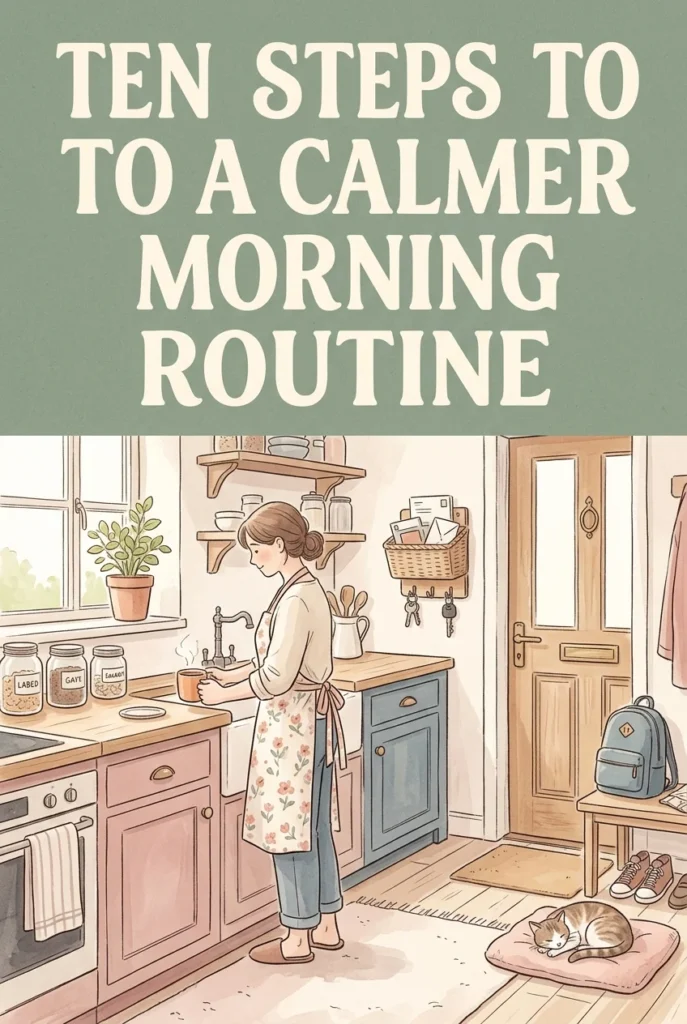
Smoother mornings aren’t about doing more—they’re about doing the right things in the right order.
The first hour of the day quietly decides how the rest of the day feels. When mornings start rushed, home life often follows suit: misplaced shoes, messy counters, forgotten bags, and a lingering sense that you’re already behind.
A practical morning routine changes that. It builds in a little breathing room, reduces the number of decisions you have to make, and prevents small problems from turning into full-day stress. The goal isn’t perfection. It’s flow.
Why a Morning Routine Matters (Especially at Home)
Home management is easier when you’re working with momentum instead of against it. A steady morning routine helps you:
- Lower stress early so you’re less reactive as the day unfolds.
- Reduce “surprise chores” by resetting key areas before they spiral.
- Prevent last-minute scrambling (the most common source of morning tension).
- Create a home that feels welcoming even on busy weekdays.
What follows is a step-by-step routine designed to be organised, intentional, and realistic—without taking hours.
Step-by-Step: A Morning Routine That Makes Home Life Easier
1) Wake Up 20 Minutes Earlier
For most households, “ease” begins with margin. Waking up 20 minutes earlier is long enough to create calm, but short enough that it doesn’t dramatically cut into sleep.
How to use those 20 minutes
Keep this time simple and restorative. Instead of reaching for your phone, aim for something that steadies you: a glass of water, a few slow breaths, light stretching, or quiet sitting.
Why this helps your household
Those extra minutes act like a buffer. When something small goes wrong—a child can’t find shoes, a dish needs washing, a bag needs packing—you can handle it without the entire morning collapsing into urgency.
2) Drink Water and Do a Quick Body Reset
Running a home takes energy and patience. Hydration and a brief movement reset can shift your mood and focus quickly.
Hydrate before coffee or tea
Place a glass or bottle of water by your bed and drink it before anything else. It’s a small habit that helps you feel more awake and less sluggish.
Move for 5–10 minutes
Choose what feels realistic: gentle stretching, a short yoga flow, walking up and down the stairs, or a quick loop outside. The goal is simply to wake up your body.
When you feel more energised, you tend to approach home tasks more proactively—less snapping, less rushing, and more steady follow-through.
3) Reset the Kitchen for a Clean Start
The kitchen is the engine room of most homes. Starting the day with a clean slate here makes everything else feel easier.
Clear the sink
Wash, load, or put away any leftover dishes from the night before. An empty sink instantly makes the room feel more manageable and supports smoother meal prep later.
Wipe the main surfaces
A quick pass over counters and the table takes a minute or two and makes breakfast feel less chaotic.
Set up breakfast basics
Even a tiny bit of preparation helps: lay out bowls, mugs, cutlery, or a few ingredients before others are fully moving. It reduces crowding and decision-making when the household wakes up.
Practical option: If mornings are consistently rushed, prep something the night before—overnight oats, cut fruit, or boiled eggs—so breakfast is more “assemble and eat” than “start from scratch.”
4) Create a “Get-Ready Station” Near the Door
Most morning stress comes from one issue: missing essentials. A simple organisation station turns that into a non-event.
For kids
Choose one designated spot for backpacks, homework, shoes, coats, and anything that must leave the house. Ideally, items go here the night before, but a quick morning check still helps.
For adults
Keep keys, wallet, phone, and chargers in one consistent location—a basket, drawer, or small shelf close to the exit.
Morning habit
Before anyone heads out, take 30 seconds to scan the station: bags present, shoes located, jackets ready. This tiny routine prevents the frantic “Where is it?” spiral that can derail the whole household.
5) Do a 10-Minute House Sweep
You don’t need a full clean in the morning. You need a quick reset of the spaces that affect the day most.
Set a timer for 10 minutes
Keep it contained and fast. You’re not organising a closet; you’re restoring order.
Focus on high-traffic zones
Target areas that get used right away: the living room, hallway, and bathroom counters. Put stray items back where they belong, toss rubbish, and straighten what’s visibly out of place.
Optional add-ons if time allows
Fluff cushions, fold a blanket, or empty a small bin. Small touches can make the home feel calmer without adding much time.
When the house is reset early, you’re less likely to come home to visual clutter that drains your energy later.
6) Choose Your “Big Three” Tasks
Trying to do everything creates pressure. Choosing a few high-impact actions creates progress.
Each morning, identify three tasks that will most improve your home life that day. Examples include:
- Start a load of laundry (or switch it over)
- Prep dinner ingredients
- Pay one bill or handle one administrative task
Make it visible
Write your Big Three on a sticky note, in a planner, or on your phone. This turns vague mental load into a clear plan.
Finishing these core tasks reduces later stress because the most important pieces are already moving forward.
7) Plan Meals for the Day (Especially Dinner)
Evening meal stress is common—and largely preventable with a quick morning check-in.
Match dinner to your calendar
Look at what’s happening later. If there are evening commitments, pick a quicker meal. If the day is more open, you can choose something that takes longer.
Do a small prep step now
This can be as simple as taking meat or frozen ingredients out to defrost, chopping vegetables, or setting pantry items on the counter so cooking later is smoother.
This single habit reduces the “5 p.m. panic” that leads to last-minute takeaway and a kitchen mess you didn’t plan for.
8) Build a Short Connection Ritual
Mornings aren’t only logistics. A calm home also needs connection, even if it’s brief.
Family option
Try a two-minute ritual at breakfast: a quick gratitude round, or asking each person for “one good thing” about the day ahead.
Partner option
A short check-in, a hug, or a simple goodbye can prevent the day from feeling like everyone is rushing past one another.
Connection doesn’t need to be long to matter. A small, consistent ritual can change the emotional tone of the home.
9) Step Outside for 2–5 Minutes
A brief moment outdoors can reset your mind.
Get natural light
Standing in daylight helps reset your body clock, which can support energy during the day and better sleep at night.
Keep it easy
Step onto the porch, balcony, or garden. Take a few deep breaths, stretch your shoulders, or simply look up from the inside noise for a moment.
When you come back in, you often return with more patience and a clearer head—both of which make home life easier.
10) End with a Simple “Ready for the Day” Reset
Your routine needs a closing cue: a small action that signals, “Now the day begins.”
Choose one consistent finish
Examples include lighting a candle, putting on calming music, or reviewing your planner for a minute or two.
Add a personal care baseline
Wash your face, apply moisturiser, and get dressed in comfortable clothes that still help you feel put-together. This isn’t about appearances; it’s about feeling capable and ready.
Small cues create momentum. When your mind registers that you’ve “started well,” it’s easier to stay steady as the day gets busy.
Tips to Make the Routine Stick (Without Overhauling Your Life)
- Start small: Choose just 2–3 steps for the first week (for example: water, kitchen reset, get-ready station). Add more once it feels natural.
- Keep the order consistent: The same sequence reduces decision fatigue and makes the routine easier to repeat.
- Make it visible: Put a short checklist on the fridge or inside a cupboard door until the steps become automatic.
- Use timers: A 10-minute sweep is easier when it has a clear end point.
- Prep the night before: When possible, set out clothes, pack bags, and do a quick kitchen tidy so the morning stays lighter.
- Aim for “reset,” not “perfect”: The purpose is to keep your home running smoothly, not to complete a full cleaning routine before breakfast.
A Sample Flow You Can Adapt
If you prefer to see how this might look in real life, here’s a simple way to group the steps:
- Calm start: wake up 20 minutes earlier, drink water, short stretch
- Home reset: clear the sink, wipe surfaces, set up breakfast basics
- Exit support: check the get-ready station, quick 10-minute sweep
- Day setup: write the Big Three, do a small dinner prep step
- Emotional tone: a brief connection ritual, step outside for fresh air
- Close the routine: planner review, music or candle, basic personal care
You don’t have to do every step every day. The power is in having a default rhythm you can return to.
Final Thoughts: Keep It Practical, Keep It Kind
A morning routine that makes home life easier doesn’t need to be complicated. It’s a set of small, intentional actions that prevent stress, reduce later mess, and help your household move through the day with fewer bumps.
When you wake with a little margin, reset your kitchen, create a reliable spot for essentials, and choose a few high-impact tasks, the entire day becomes more manageable. Add a touch of connection and a brief moment outdoors, and your home feels not only more organised—but more supportive.
The result is simple: calmer mornings, smoother days, and more energy left for what matters most.