
Best Feng Shui Plants
Incorporating plants into your home not only adds natural beauty but can also enhance energy flow according to feng shui principles. As a practitioner with over a decade of experience, I’ve seen how the right plants positioned correctly can transform spaces energetically. Feng shui plants work to purify air, reduce stress, and promote positive chi (energy) throughout your living environment. Let’s explore the most beneficial plants and how to use them effectively.
Understanding Feng Shui Plant Principles
Feng shui, the ancient Chinese practice of harmonizing individuals with their environment, views plants as living energy that can activate positive chi. Plants represent the wood element, which symbolizes growth, vitality, and new beginnings.
When selecting plants for feng shui purposes, consider these key principles:
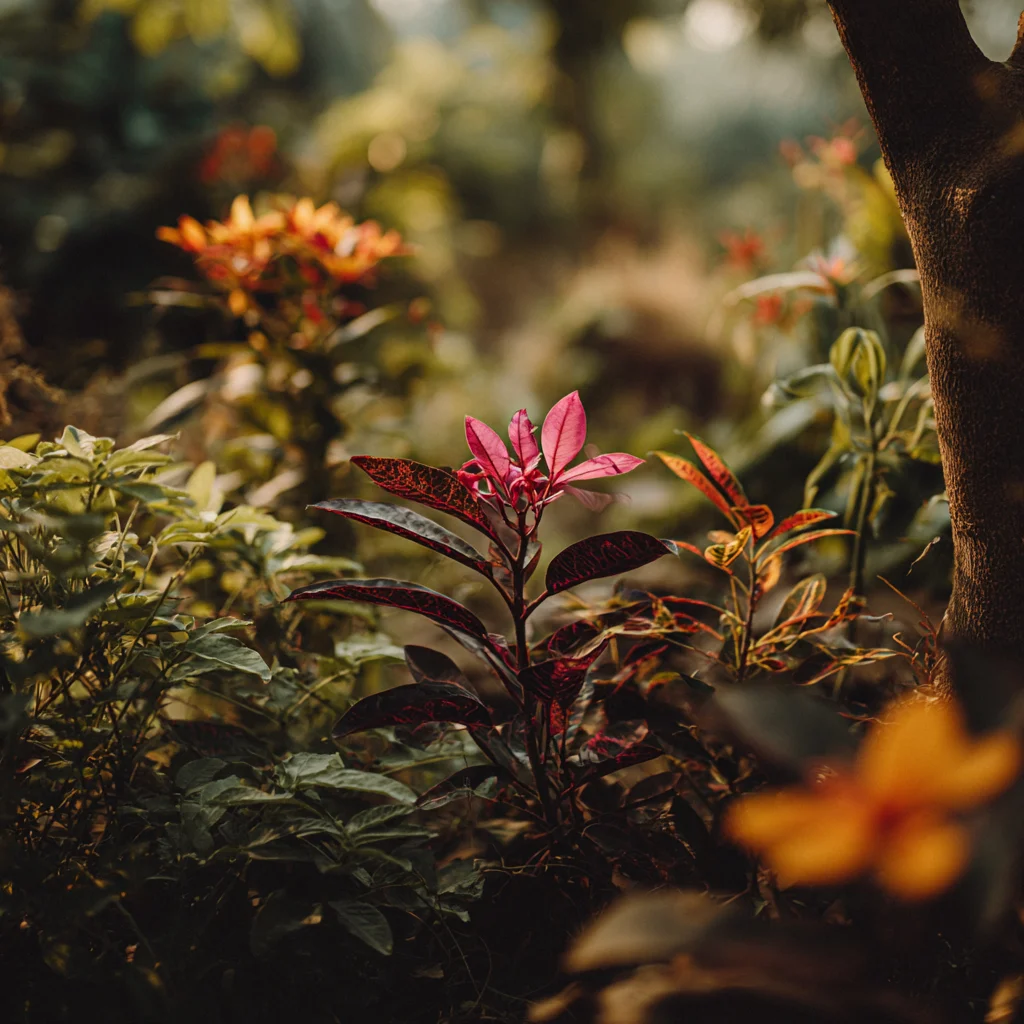
- Healthy, vibrant plants generate positive energy; dying or wilting plants create negative energy
- Plant shape, size, and growth pattern influence energy type
- Placement according to the bagua map (feng shui energy map) enhances specific life areas
- Balance of the five elements (wood, fire, earth, metal, water) creates harmony
Top 10 Feng Shui Plants for Your Home
1. Lucky Bamboo
Lucky bamboo is perhaps the most recognized feng shui plant. Despite its name, it’s actually a Dracaena species. The number of stalks carries specific meanings: three for happiness, five for wealth, and eight for prosperity.
Ideal placement: East or southeast areas to enhance family harmony and wealth energy. Also excellent in home offices to promote career growth.
2. Money Tree (Pachira Aquatica)
With its braided trunk and coin-shaped leaves, the money tree symbolizes financial prosperity and good fortune. These plants typically have five trunks braided together, representing the five feng shui elements.
Ideal placement: Southeast or east corners to activate wealth energy. Also beneficial in offices or anywhere you handle finances.
3. Jade Plant (Crassula Ovata)
Jade plants feature round, coin-like leaves that symbolize prosperity and abundance. Their sturdy structure and longevity make them powerful symbols of financial stability.
Ideal placement: Southeast (wealth) area or near entrances to invite prosperity into your home.
4. Peace Lily
With elegant white blooms and glossy green leaves, peace lilies purify air while promoting tranquility and harmony. They’re excellent for balancing energy and removing environmental toxins.
Ideal placement: Bedrooms, living rooms, or any space needing peaceful energy. Also works well in east, southeast, or north areas.
5. Snake Plant (Sansevieria)
Despite its sharp leaves, the snake plant is excellent for feng shui as it filters toxins and releases oxygen at night. Its upward-growing energy helps cut through negative chi.
Ideal placement: Bedrooms for improved air quality during sleep, or in challenging areas like narrow hallways to neutralize stagnant energy.
6. Rubber Plant (Ficus Elastica)
With large, glossy leaves that attract abundance, rubber plants are powerful feng shui adjustments for prosperity. Their strong upward growth symbolizes expansion and progress.
Ideal placement: Living rooms, offices, or southeast corners to enhance wealth energy.
7. Orchids
Elegant and refined, orchids represent perfection, strength, and abundance. Different colored orchids activate different energies – white for purity, purple for spiritual growth, pink for relationships.
Ideal placement: Southwest for relationships, northwest for helpful people, or southeast for wealth, depending on the color.
8. Philodendron
These heart-shaped leaf plants promote healing energy and emotional balance. Their easy-care nature and air-purifying qualities make them ideal feng shui plants for beginners.
Ideal placement: East or southeast areas to enhance family connections and growth energy.
9. Bamboo Palm
Bamboo palms bring a gentle, soothing energy while effectively filtering air toxins. Their soft, feathery fronds create a peaceful atmosphere and balanced chi.
Ideal placement: East, southeast, or south areas to enhance health, wealth, and recognition energy.
10. Citrus Trees
Small potted citrus trees like lemon or orange bring abundance, prosperity, and positive energy. Their bright fruits and fragrant blossoms activate joyful, uplifting chi.
Ideal placement: Southeast for wealth, east for family health, or dining areas to enhance nourishment energy.
Feng Shui Plant Placement Guidelines
Where you position your plants is just as important as which plants you choose. Follow these placement principles for maximum benefit:
- Avoid placing plants in bedrooms unless they specifically release oxygen at night (like snake plants)
- Keep plants away from direct alignment with doors or beds
- Position plants in the appropriate bagua areas to enhance specific life aspects
- Use plants to soften sharp corners or to create protective barriers
- Ensure plants have adequate space to grow and aren’t crowded
- Maintain a balance of plant sizes and types throughout your space
Plants to Avoid in Feng Shui
Not all plants create positive feng shui. These plants should be used with caution:
- Cacti and thorny plants – their sharp energy can create hostility (if used, place away from gathering areas)
- Dying or unhealthy plants – immediately remove as they drain positive energy
- Invasive or aggressive growing plants – they can create overwhelming energy
- Plants with excessively drooping branches – they can bring down energy
- Artificial plants – while better than nothing, they don’t generate the living energy of real plants
Caring for Your Feng Shui Plants
Proper plant care is essential for maintaining positive feng shui energy. Neglected plants create negative chi, while thriving plants amplify positive energy.
- Water appropriately for each plant type – neither underwatering nor overwatering
- Clean leaves regularly to remove dust and allow plants to breathe
- Prune dead or yellowing leaves promptly
- Repot when plants become root-bound
- Express gratitude to your plants – in feng shui, intention matters
- Rotate plants occasionally for even growth and energy distribution
Using Plants to Balance the Five Elements
In feng shui, balancing the five elements (wood, fire, earth, metal, water) creates harmony. Plants can help achieve this balance:
- Wood element: Most plants naturally represent wood energy
- Fire element: Plants with red, orange, or pointed leaves (like crotons)
- Earth element: Plants in clay pots or with square planters
- Metal element: Plants in white, silver, or gold containers
- Water element: Plants that require high moisture or with flowing forms
Feng Shui Plants for Specific Purposes
For Wealth and Prosperity
- Money tree
- Jade plant
- Lucky bamboo (especially with 8 stalks)
- Citrus trees
For Health and Vitality
- Rubber plant
- Boston fern
- Areca palm
- Snake plant
For Relationships and Love
- Pink orchids
- Plants with heart-shaped leaves (philodendron)
- Flowering plants in pairs
- Peace lily
For Career and Success
- Lucky bamboo
- ZZ plant
- Jade plant
- Pothos
Conclusion
Incorporating feng shui plants into your home creates a living energy system that promotes balance, prosperity, and well-being. The right plants, properly placed and cared for, can transform your space energetically while providing the added benefits of improved air quality and natural beauty.
If you’re unsure about which plants will work best for your specific space and needs, consider consulting with a feng shui practitioner who can provide personalized recommendations based on your home’s layout and your individual goals. Remember that even small changes can create significant shifts in your environment’s energy.