
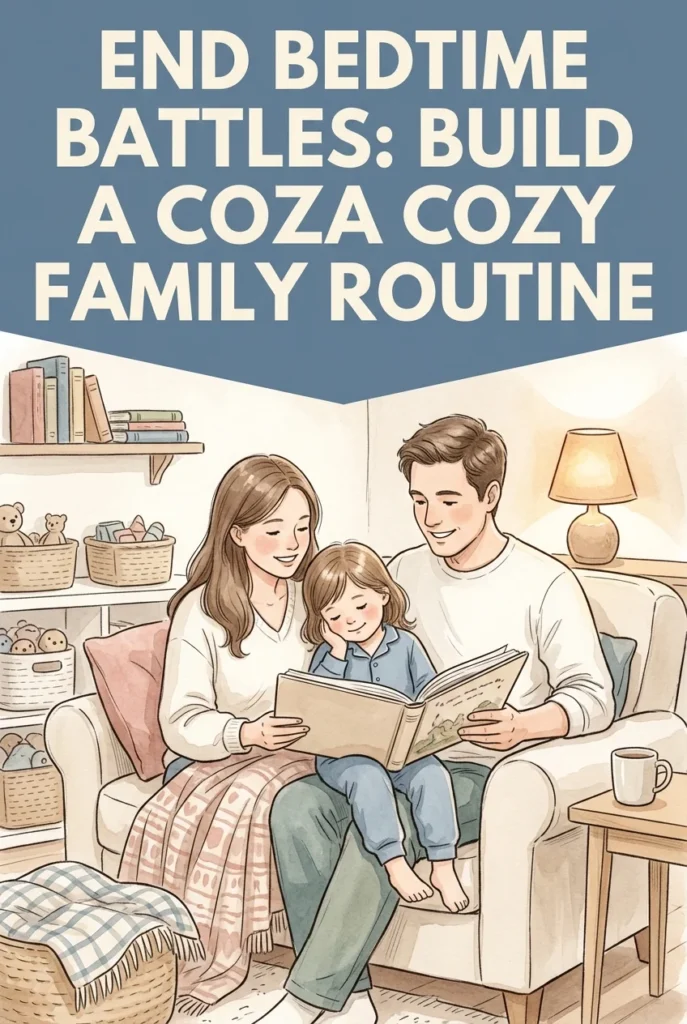
Turn chaotic evenings into steady, bonding minutes that help everyone fall asleep faster—and stay asleep longer.
Most families don’t struggle with bedtime because they “lack discipline.” They struggle because evenings are a pressure cooker: tired kids, tired adults, unfinished chores, and a clock that keeps moving. The good news is that calmer nights are rarely about doing more—they’re about doing the same few things in the same order.
A thoughtful family bedtime routine creates predictability. Predictability reduces resistance. And when resistance drops, you get more connection, fewer power struggles, and a smoother handoff from “busy day” to “rest.”
Why a Family Bedtime Routine Matters
A consistent bedtime rhythm helps children (and adults) transition from stimulation to rest. Instead of negotiating every night—one more snack, one more show, one more trip downstairs—you’re building a familiar sequence that the brain learns to follow. Over time, the routine becomes the cue.
It also does something quieter but just as important: it protects a small window of family connection. Even five intentional minutes can turn bedtime into a moment that feels safe, not stressful.
The Step-by-Step Bedtime Routine (10 Parts That Work Together)
You don’t need perfection, a color-coded chart, or a “Pinterest bedtime.” You need a simple flow that repeats often enough to become automatic. Use the steps below as building blocks and adjust for your household.
1) Start with One Predictable Cue
Children—and adults—respond well to clear signals that the day is ending. A cue is the gentle “now we’re shifting” message that prevents bedtime from feeling sudden.
Simple cue ideas
- Dimming the lights in the main living area
- Turning off the TV and setting phones to charge
- Playing soft music
- Lighting a calming candle (if it’s safe and appropriate for your home)
Family practice: Choose one “bedtime bell” everyone recognizes. For younger children, it might be the same short song nightly. For teens, it may be as subtle as lights dimming and a reminder that Wi-Fi and screens are ending soon.
Why it works: Repeated cues train the brain to prepare for rest, which can reduce meltdowns and bedtime negotiation.
2) Do a Quick Evening Reset Together
A cluttered space can keep minds busy. A fast family reset also prevents the next morning from starting in a mess.
Activity: Set a timer for 10 minutes and tidy shared spaces: put away toys, fold throws, clear the table, load the dishwasher, and do a quick sweep for stray cups and socks.
Make it easy (and less annoying)
- Use a “clean-up song” and stop when the song ends
- Give each person one small zone (couch area, floor toys, kitchen counter)
- Keep one basket for “belongs upstairs” items so you’re not running up and down
Why it works: It teaches responsibility, lowers visual noise, and helps children connect tidiness with calm.
3) Offer a Light Evening Snack (If Needed)
Heavy food close to bedtime can keep kids awake, but a light, balanced snack can prevent the classic post-lights-out interruption: “I’m hungry.”
Snack ideas that fit the routine
- Apple slices with nut butter
- Banana with oats
- A warm cup of chamomile tea for older kids
Why it works: A small snack helps prevent wake-ups from hunger and supports steadier energy as bodies settle for the night.
4) Bath or Wash-Up Time
Water is a powerful transition. It signals “we’re winding down,” and the shift in body temperature afterward can promote sleepiness.
For kids: A warm bath with calming scents like lavender or chamomile soap can work well. Keep it soothing rather than overly stimulating.
For adults and teens: A quick shower is ideal, but even a face wash and teeth brushing helps mark the shift into night.
Why it works: Warm water relaxes the body, and the cool-down afterward supports sleep readiness.
5) Pajamas and Simple Skincare as a Ritual
This step isn’t only hygiene—it’s a “transition ritual.” When the same actions happen in the same order, they become a mental off-ramp from the day.
Children: Brush teeth, wash hands and face, and (if appropriate) moisturize. Keep products simple and the routine short.
Parents: Take five minutes for your own skincare as a mindful act rather than an item to rush through.
Why it works: Pajamas plus skincare becomes a subconscious signal: the body is moving from “day mode” to “night mode.”
6) Choose One Family Wind-Down Activity (No Screens)
If you want bedtime to go smoothly, protect the final stretch from overstimulation. Screens can make the transition harder for many households, so swap them for a calming shared activity.
Screen-free wind-down options
- Reading a bedtime story aloud
- Listening to an audiobook together
- A short family gratitude circle
Example: Each person shares one good thing from the day and one hope for tomorrow.
Why it works: It builds emotional closeness and replaces end-of-day chaos with connection and warmth.
7) Make Bedrooms Feel Calm and Sleep-Ready
Bedrooms should invite rest, not distraction. The goal is not a picture-perfect room—it’s a space that supports sleep hygiene.
Small changes that make a big difference
- Store toys out of sight at night and minimize clutter
- Use soft lighting (lamps, fairy lights, or a nightlight)
- Try white noise or calming nature sounds if your house is noisy
Why it works: A peaceful environment reduces resistance and makes it easier for the brain to associate the room with sleep.
8) Add One-on-One Connection Before Lights Out
Children often need a final dose of attention at night. Skipping this can lead to repeated trips out of bed, extra requests, or bedtime anxiety.
For younger kids: A cuddle, a whispered story, or a brief feelings check-in (“Anything on your mind?”).
For teens: Keep it light: a short check-in, a hug, or a simple “How was your day?” can be enough.
Why it works: Emotional reassurance before sleep helps kids settle and strengthens bonds.
9) Set and Protect a Consistent Lights-Out Time
Consistency is one of the strongest tools you have. If bedtime drifts nightly, everyone’s body clock stays confused.
Tip: Choose a schedule that fits your family rhythm (for example, children at 8:00 and adults at 10:30) and keep it steady—even on weekends when possible.
Why it works: A stable schedule trains the circadian rhythm, which often leads to easier bedtimes and better overall rest.
10) Parents: Create Your Own Wind-Down After Kids Are Asleep
After the kids are in bed, it’s tempting to collapse into scrolling or tackle more tasks. A short parent routine can protect your sleep and restore patience for tomorrow.
Low-effort ideas
- Herbal tea
- Journaling
- A short conversation with your partner instead of screens
Why it works: Parents who get a small pocket of recovery tend to sleep better and start the next day with more energy and steadiness.
A Practical “Put-It-Together” Example (Adjust to Your Family)
If you’re unsure how to combine the steps, start with a simple timeline. Keep it realistic and repeatable.
| Time | What Happens | Purpose |
|---|---|---|
| 30–40 minutes before lights out | Predictable cue + quick family reset | Signals the shift and clears the space |
| 25–30 minutes before lights out | Light snack (if needed) | Prevents hunger interruptions |
| 20–25 minutes before lights out | Bath or wash-up + teeth | Calms the body; supports sleep readiness |
| 10–15 minutes before lights out | Pajamas + simple skincare | Transitions into night mode |
| 5–10 minutes before lights out | Family wind-down activity | Connection without stimulation |
| Lights out | One-on-one check-in, then sleep | Reassurance and closure |
Tips to Make the Routine Easier to Stick To
Consistency matters, but consistency doesn’t mean rigidity. Use these tips to keep the routine steady without turning evenings into a strict performance.
- Keep the order the same, even if the timing changes. A shorter version on busy nights still “counts” if the sequence is familiar.
- Reduce decisions after dinner. Pre-pick pajamas, pre-set bathrooms, and keep bedtime items in one place.
- Make the reset non-negotiable but brief. Ten minutes is long enough to help and short enough to tolerate.
- Protect the last stretch from screens. If screens are part of your home, consider a clear stopping point that happens before wind-down begins.
- Choose one cue and keep it. The more often the same cue happens, the faster it becomes automatic for everyone.
- Build in connection on purpose. When kids get predictable attention, they often ask for less of it through stalling.