
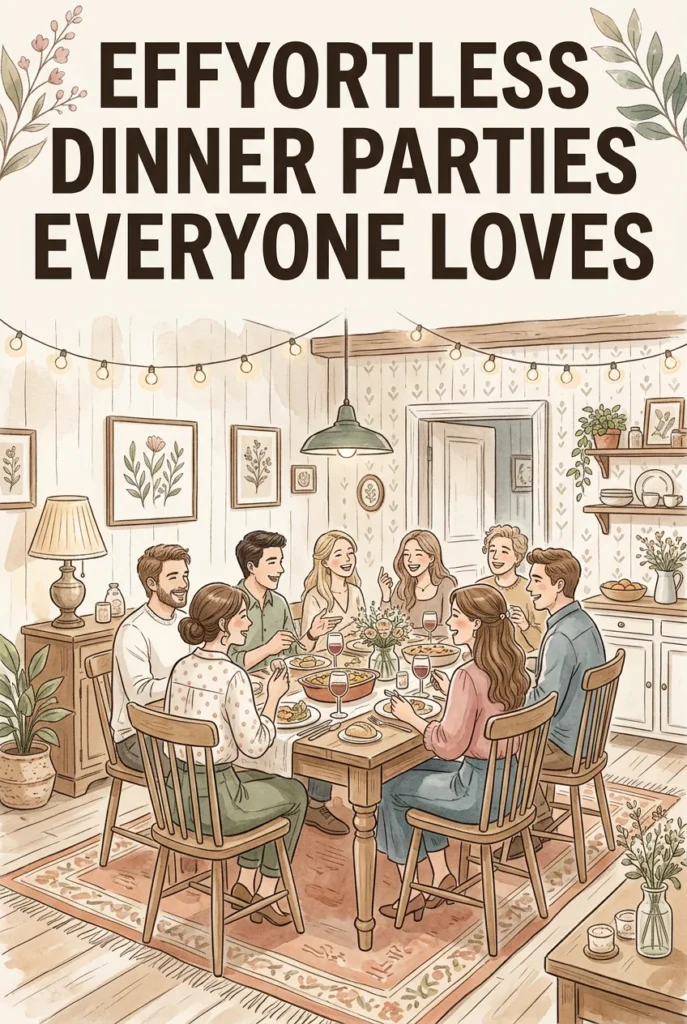
A practical, personality-smart guide to planning, setting the mood, and serving a great meal—without overcomplicating it.
Every so often, it feels right to gather family, friends, and loved ones around a table. Technology can keep us connected, but it can’t replace the simple benefits of being in the same room: a hug at the door, real laughter, shared jokes, and face-to-face conversation. Those moments tend to leave people happier and more relaxed.
If you’re considering hosting a dinner party, the idea is already a good one. The secret is that memorable dinners don’t depend on a huge guest list—they depend on thoughtful planning and an atmosphere that helps people feel comfortable. Even with a small group, you’ll want to think ahead about food, drinks, timing, the table, seating, lighting, music, and a few simple do’s and don’ts that keep everything running smoothly.
This guide keeps the original spirit of classic dinner-party hosting: create a welcoming setting, plan your meal wisely, and make sure everyone feels included—so the night is filled with fun, laughter, and strong connections.
Why a Little Planning Matters
A dinner party can look effortless when it’s done well, but it rarely happens by accident. Good hosting is less about perfection and more about reducing friction: guests should know what to expect, the meal should be manageable, and the environment should encourage easy conversation.
When you plan the details—menu, seating, and timing—you prevent common hosting stress points: rushing at the last minute, noisy or awkward moments, and the “everything feels crowded” problem. The goal is simple: you stay present, and your guests feel at ease.
Cater for Each Personality Type (Seating Is Strategy)
Every guest brings a different personality to the table. No two people are exactly the same, and a mixed group can be wonderful—if you help the conversation flow. One of the easiest ways to do that is by being intentional about where people sit. You don’t need to “engineer” the evening, but a little matchmaking can prevent awkward silences and keep energy balanced.
Common personality types you may host
Here are personality styles you might recognize in your own circle. These aren’t labels to box people in; they’re simply helpful cues for how to seat guests so everyone has a good experience.
The Fascinator
This is the guest with an intriguing personal story. They often spark curiosity and can carry a conversation when things slow down. Seat them near guests who ask good questions and enjoy listening.
The Charmer
The charmer talks to everyone about anything. They can bridge different groups and make newcomers feel included. They do especially well near quieter guests who may appreciate an easy conversational opening.
The Extrovert
Outgoing and energetic, the extrovert creates momentum at the table. Place them where their energy lifts the group—but avoid seating multiple big energies together if it could overpower others.
The Introvert
Not everyone is comfortable socializing with a lot of people at once. Introverts often do best with one or two warm, friendly neighbors rather than being placed at the center of attention. Give them a “safe seat,” not a spotlight.
The Opinionator
This guest likes a lively debate. That can be fun in the right setting, but it can also dominate the table. Consider seating them near someone who enjoys discussion yet stays positive, so the tone remains friendly and inclusive.
The Mysterious Guest
Some guests are harder to read. They may warm up slowly or speak less until they feel comfortable. Pair them with a gentle conversationalist (often the charmer) and avoid placing them in a seat where they’ll be pressured to perform.
Don’t forget the roles that shape the whole night
The Guest of Honor and the Party Host/Hostess influence the mood. If you’re the host, seat yourself where you can keep an eye on pacing and comfort—without running the conversation like a meeting. If there is a guest of honor, place them where they can easily interact with the group.
Make the Perfect Setting (Mood Is a Hosting Tool)
A welcoming room does a lot of work for you. Before the first guest arrives, aim for an environment that feels flattering, comfortable, and calm.
Lighting: keep it soft
Try to avoid bright lights. Low-voltage lamps are a better choice, and candles of different types can create a warm, flattering glow. Soft lighting instantly makes a gathering feel more intimate and relaxed.
Let the food be the fragrance
When a guest steps into a home that smells like dinner, they feel welcomed—and ready to eat. For that reason, avoid scented candles, diffusers, or plugged-in air fresheners. They can compete with the aroma of food, and some guests may be allergic.
Small details that make guests feel important
You don’t need to announce that you’re making people feel special; you can do it quietly through thoughtful touches. A simple example: tie a ribbon around pine cones or cinnamon sticks, write each guest’s name on a strip of paper, and pin it to the ribbon as an easy place marker. It’s warm, personal, and practical.
Entertainment and Conversation (Keep It Positive and Inclusive)
Entertainment doesn’t have to mean a big activity or a loud playlist. Often, the best “entertainment” is an environment that makes it easy for people to talk and laugh together.
Music: background, not a headline
Music should not be loud. Keep it at a level where conversation stays effortless—also helping you avoid disturbing neighbors (and avoiding the kind of attention no host wants).
Conversation: set a friendly tone early
Positive conversations help guests with different personalities feel like they can participate. If your group includes a mix of extroverts, introverts, and strong opinions, your job is to set a tone that feels welcoming rather than competitive.
Simple ways to start the evening
If you want to break the ice, start with something light. Trivia, jokes, guessing games, or a quick true-or-false quiz can raise energy and encourage laughter before everyone sits down to eat. Keep it optional and brief so it feels like a warm-up, not an obligation.
Proper Meal Planning (Be Smart With Budget and Portions)
You don’t need to be extravagant to host well. Budget carefully and wisely so you don’t end up with an uncomfortable amount of leftovers after the party. A simple way to stay grounded is to list the people you plan to invite and estimate what you realistically need.
Sit-down dinners are easier to manage
Sit-down dinners are cheaper to deal with because you’re serving a defined meal rather than trying to keep a buffet full all night. For a sit-down dinner, plan that each person may consume 2 lbs of food including appetizer and dessert. This gives you a clear anchor for shopping and prep.
Plan drinks with the same clarity
Assume that each person will consume 2 cocktails or half a bottle of wine. Having a reasonable expectation helps you purchase the right amount and prevents last-minute stress.
Communicate timing in the invitation
When inviting guests, indicate how long cocktails will be served and what time dinner will be served. Clear timing protects the flow of your evening. It also prevents an awkward moment: a guest arriving mid-dinner while you’re trying to greet them, plate food, and keep the table moving.
Simplify the Table (Less Clutter, Less Cleanup)
Instead of crowding the table the old-fashioned way with multiple plates and a full set of knives, forks, and spoons, cut it down. One plate, one knife, one fork, and one spoon per person can be enough when you design your menu to work well together on a single plate.
This approach doesn’t just look cleaner—it makes cleanup noticeably easier at the end of the night, which matters when you’re tired and your guests have just left.
Start Setting Things Up the Day Before (Your Best Stress Reducer)
Early preparation is one of the most reliable hosting tricks. Don’t wait until the last minute. The more you can do before the day of the party, the more present you’ll feel when guests arrive.
What to do the day before
Set the table overnight. Handle extra house cleaning and organization chores in advance. Clearing these tasks early gives you breathing room for cooking, getting ready, and solving any small surprises that come up.
What to double-check on the day of
On the day of your party, do a last-minute check of your bathroom and make sure it is fully stocked. It’s a simple detail, but it directly affects guest comfort.
Put Up a Sign for Direction (Remove Arrival Anxiety)
Not every guest will remember exactly where your home is. A welcome sign can help people feel confident they’ve arrived at the right place, especially if parking or house numbers are easy to miss. This small step reduces late arrivals and first-minute phone calls—and it helps guests walk in already relaxed.
Greet Your Guests Properly (First Impressions Set the Mood)
Imagine how a guest feels when they enter and are greeted with a loving hug and a glass of red or white wine. A warm welcome sets the tone immediately.
Also, have bottles of water on hand for non-drinkers. This makes everyone feel considered without turning beverages into a big discussion. The point is simple hospitality: people should feel comfortable the moment they arrive.
Tips Section: A Quick, Practical Hosting Checklist
- Keep the guest list manageable: a small dinner party can feel more meaningful—and is easier to control if you’re new to hosting.
- Match personalities at the table: balance talkers with listeners; seat introverts with kind conversationalists; keep debates friendly.
- Use soft lighting: low-voltage lamps and candlelight help the room feel flattering and calm.
- Avoid scented air products: let the smell of food welcome guests, and reduce allergy risks.
- Plan portions: for sit-down dinner, estimate 2 lbs of food per person including appetizer and dessert.
- Plan drinks: estimate 2 cocktails or half a bottle of wine per person.
- State the schedule: tell guests when cocktails are served and when dinner begins.
- Simplify place settings: one plate and basic cutlery per person can be enough with the right menu.
- Prep the day before: set the table overnight and finish extra cleaning early.
- Final day-of check: make sure the bathroom is stocked.
- Help guests find you: a simple welcome sign can prevent confusion.
- Offer a warm greeting: a hug and a drink option (including water) makes guests feel at home.
Bring It All Together
A successful dinner party isn’t about doing the most. It’s about doing the right things: plan a manageable menu, set a comfortable mood, seat guests thoughtfully, and communicate timing so the evening flows naturally.
Use these tips and tricks whenever—and wherever—you’re planning to host. If you’re still building confidence, remember: it’s better to host a small dinner party than a large one you can’t control. Keep it warm, keep it simple, and focus on what people came for in the first place—good food, good conversation, and shared laughter.
Have fun dining with your guests.